


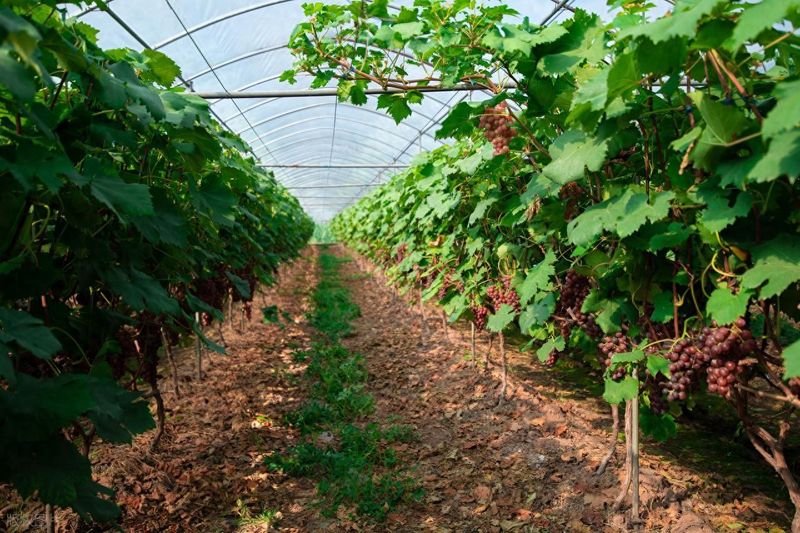
I. Selected seedlings
The selection of seedlings should be based on the marriage of the seedlings, which are good for the disease and have developed roots. It's a full and well-established seedling。
Ii. Standing
At the beginning of april, the ground was emptied, the trenches were dug, with a width of 0. 5 metres and a depth of 0. 4 metres, applied to decomposed pig and cow dung (1,000-2000 kg per acre) and evenly mixed with the earth, and the gutters were made, with a width of 1. 8 metres and a distance of 0. 5 metres。
The method of planting is either a single chicken or a double chicken. It is better to have a single pair of chickens on a single row, and double chickens are not easy to apply fertilizers and other jobs because the roots grow together after two to three years。
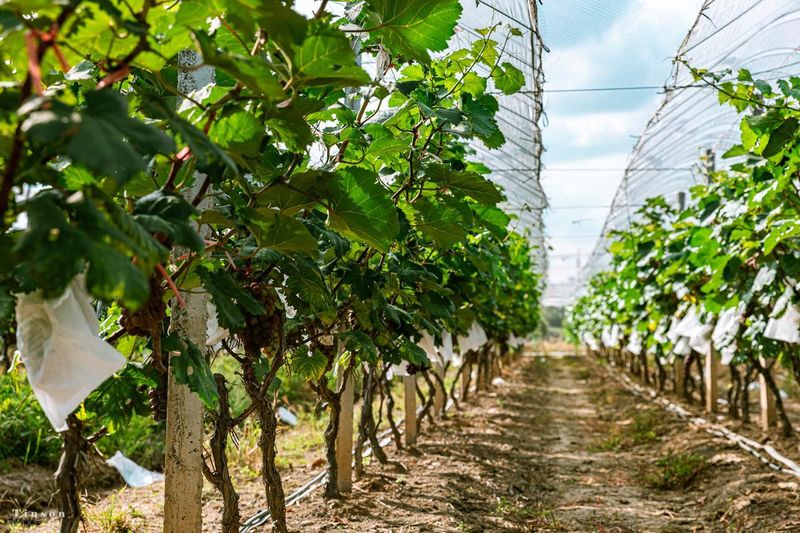
Iii. Long-term management
(1) pre-embry management. On or around 20 october, the curtains were forced to fall asleep, five waves of thiomer alloyed before the hibernation and the floor of the large shed was cleaned, the temperature in the shed was kept below 7°c for approximately 20 days, the “breathing” (demolithic) was administered 50 times the fluid, forced to be suspended, the second thisolized agent a week later, and before heating, the comfluent (4-5 bags per acre) was flushed with water. The pre-emergence temperature is maintained at 12-20°c, otherwise it affects the onset time and the gestation rate, and when grapes grow into a plume, they reach the water, and they flush with water to balance fertilizers and root agents。
(2) new growth and expansion management. 50-60 days to enter a new site, with branches growing up to 12 cm, selected branches, as early as possible, water once at the tip, fertilise once (fruit) and phosphate potassium ratio 1:3 and 2. When the branch is up to 15 cm, the membrane is laid and the water is covered. In the first three to four days of the flower, the anti-asymptomic medicine (hinda, i. E. 2500 times the liquid thorium thorium fluamide) is administered three times during a growing season。
This drug must be administered before it is administered, three to four days later. The grape line spreads to 85% ~95% of the initiation drug (20% of the kibble 1-2+20 ml chlorin+0. 8 g of medical cythin+4 kg of water), at 16 ~ 17 °c, not exceeding 20 °c, the next day rises to 24 ~ 25 °c, normally 6 ~ 10 days of fruit grains starting to grow, and at around 20 days (the size of the raisins or peanuts), the tipping begins. Each chicken has 4 to 6 branches, each of which leaves a single sap, each of which leaves 10 rows of grains, three leaves to the point, and starts a second acupuncture (non-nuclear inflating agent), which is preceded by heavy water and balanced fat, at which time the temperature is controlled at around 25°c during the day, which is too high to grow, and affects the growth of the fruit and the subsequent application of liquid calcium (leaf fat)。
The soil is not too dry, it is less draught, and in the morning, if the leaves and the chickens are found to be spitting beads, the water is shown to be suitable, the temperature is controlled by the wind and curtains at 23-25°c during the day and above at 15°c during the night, thereby contributing to the accelerated growth of the fruit。
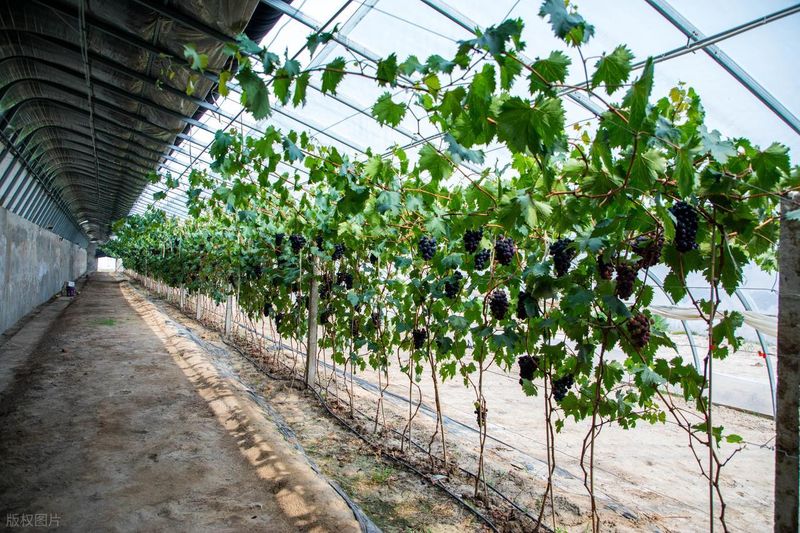
(3) mature management. In order to increase winter temperatures, the back wall of the shed could be enhanced with the addition of temperature panels, cold-proof trenches at the front and bottom, and the interior of the sheds could be increased effectively. By about march, the fruit began to turn colour, at which point the phosphorus potassium fertilized to the benefit of improved sweetness and colour. In mid-april to may, when the temperature is around 30°c during the day, not more than 32°c, and below 15°c during the night, the three leaves below the ear of the fruit can be removed to increase light and harvest and sell from flowering to ripening about 115 days. Upon harvest, 0. 3 per cent of the urea is administered and nitrogen fertilizer can be applied to the root (10-15 kg of urea per acre)。
(4) post-harvest management. If the retrenchment is to be completed by 20 june, otherwise it affects the maturity of the branch. It can leave two to three eyelids flat, refilled with water, later and subsequent year management similar to the first year, with attention to the prevention of red spiders, white lice, lice, brunette, anthrax in february, tremors before fruit and frost in april-may。
(b) strict control over temperature, humidity, fat, water, light and pest control at different times。









