


Walnuts (school name: juglans regia l.), alias walnuts, walnut walnuts are wood 1。
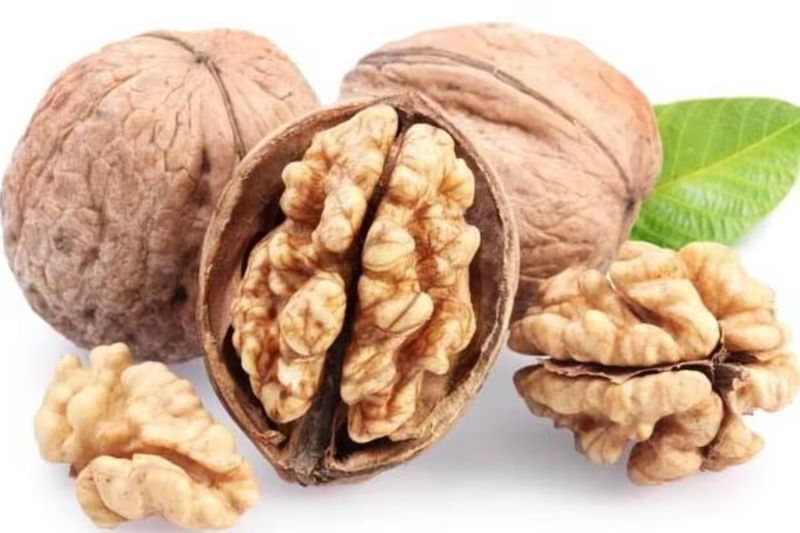
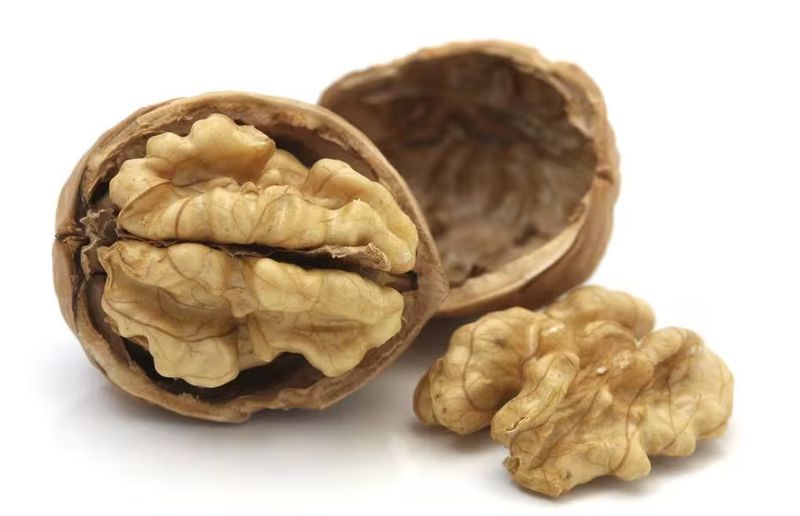
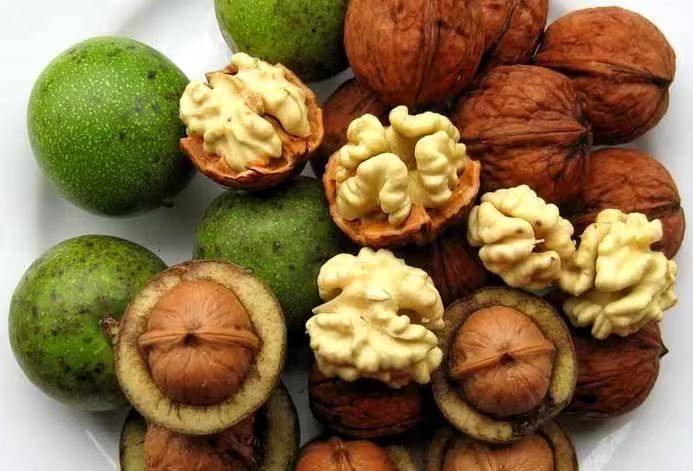
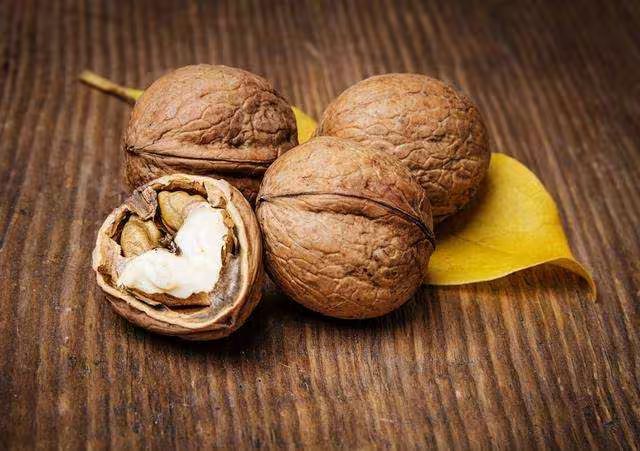
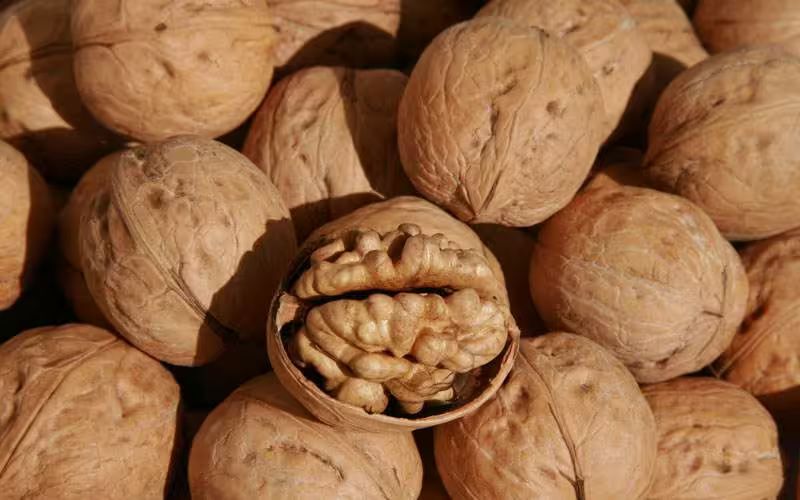
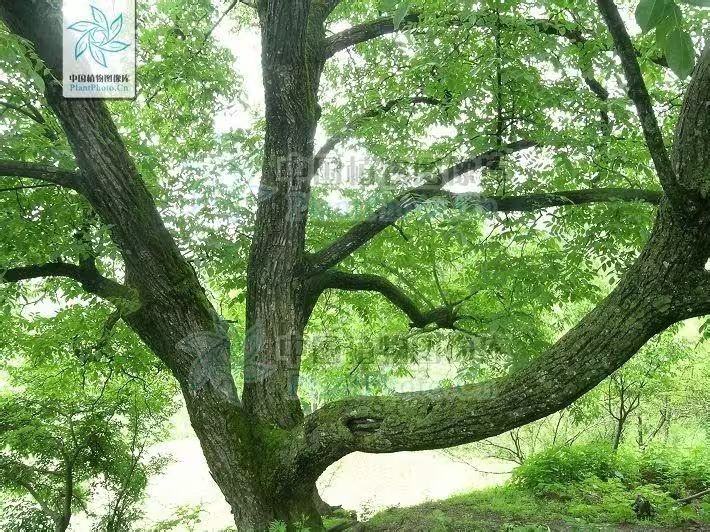
The walnuts have large walnut crowns, the bark is green when they are young, the tree is green and the old is white and the long-sanding is shallow; the small branches are hairless, radiant, gland under shields, grey green and later brown; the elliptical ovaries range up to a long elliptical form, with a blunt or sharp, short-cut tip on the top of the head, with a thin, thin sawn tooth on the edge of the whole edge or on the tree, with deep green and no hair on the top, and a light green on the bottom; the balms, small blades and flowers are all gland hairs, flowery yellow, hairless, and the total balm of the female is very short, with a shallow head green; and the fruit is short, stubble down, near the ball, with no hair, with flowers in may, with fruit in october. Born at an altitude of 400 - 1800 metres and in hilly areas, fertile and humid sandy border soil is common in the depths on both sides of the mountain valley. In central asia, west asia, south asia and europe, cultivation is also common in north, north-west, south-west, south-china, south-east china and the hills。
The walnut species have a high amount of oil, which is readily available for consumption and which can be extracted for consumption; wood is solid and good hardwood material。
Form characteristics
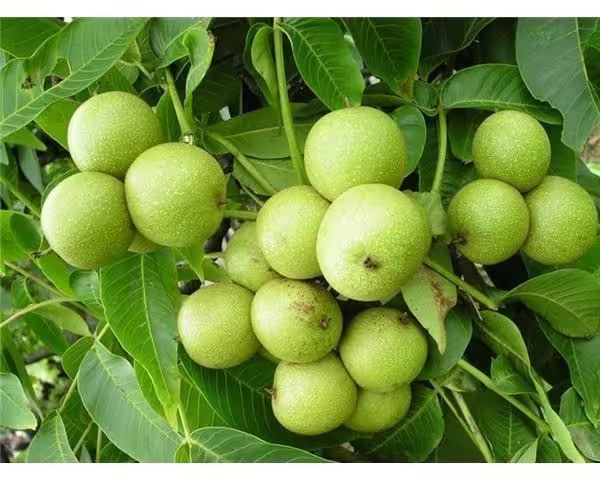
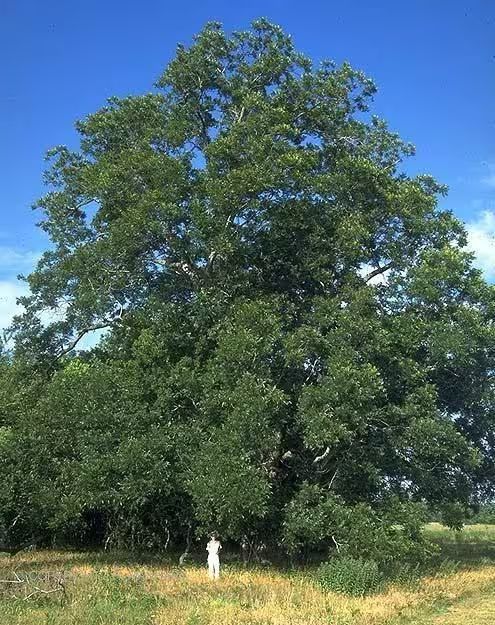
It is usually as high as 3-5 metres, with white ash in the bark, shallow cracks in the form of a marrow, and small twigs with small hairs in the first place (two years without hair). There are also up to 20-25 metres, shorter trunks and large canopy. The bark is green at an early age, while the old are white and vertically shallow. Small, hairless, gland, shielded gland, grey green, then brown。
The plume is 25 to 50 centimetres long, leaves 5 to 9 and rare 13. An elliptical ovulation to an elliptical form, with the upper leaves usually being large, 5-15 cm long, 3-6 cm wide, with a sharp or lean front, a base circle or wedge, sometimes a heart form. Full edges or unobvious blunt teeth, dark green surfaces, hairless hairs, small hairs on the back, very short or non-existent leaf handles, some rigid shells and some softer。
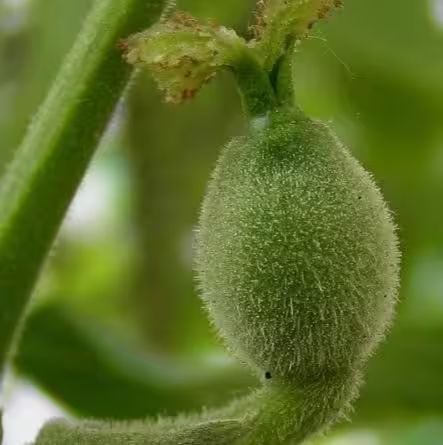
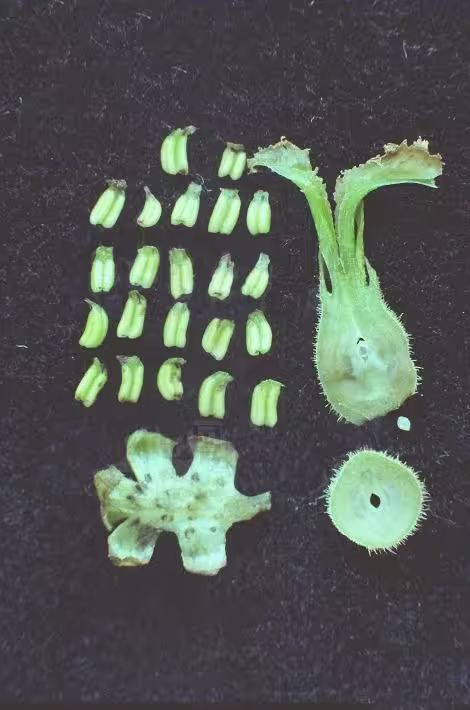
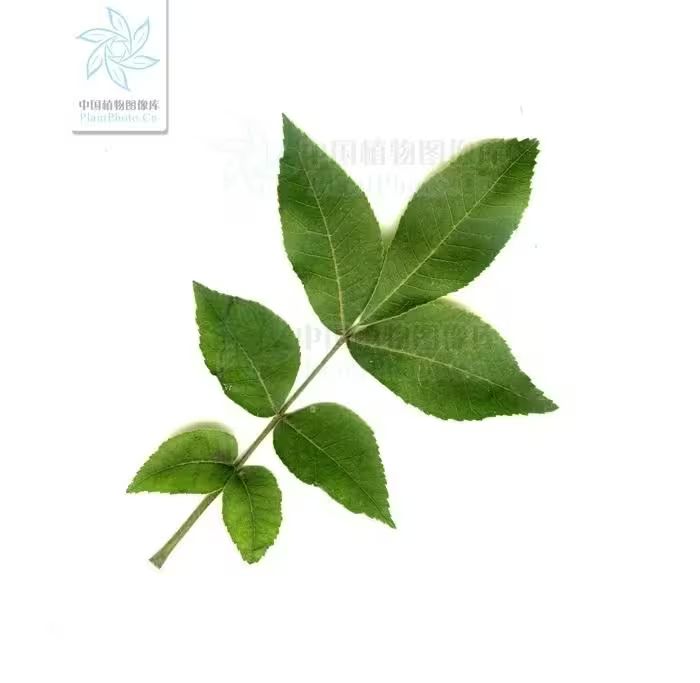
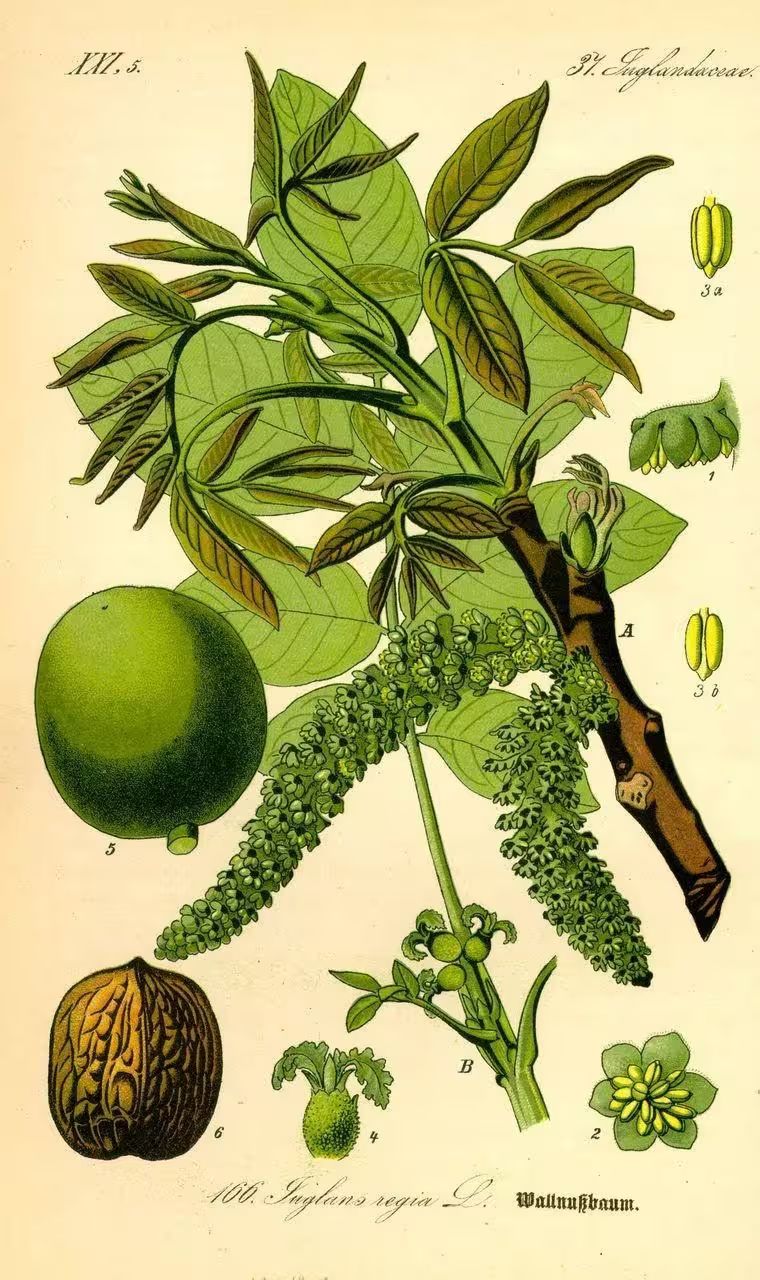
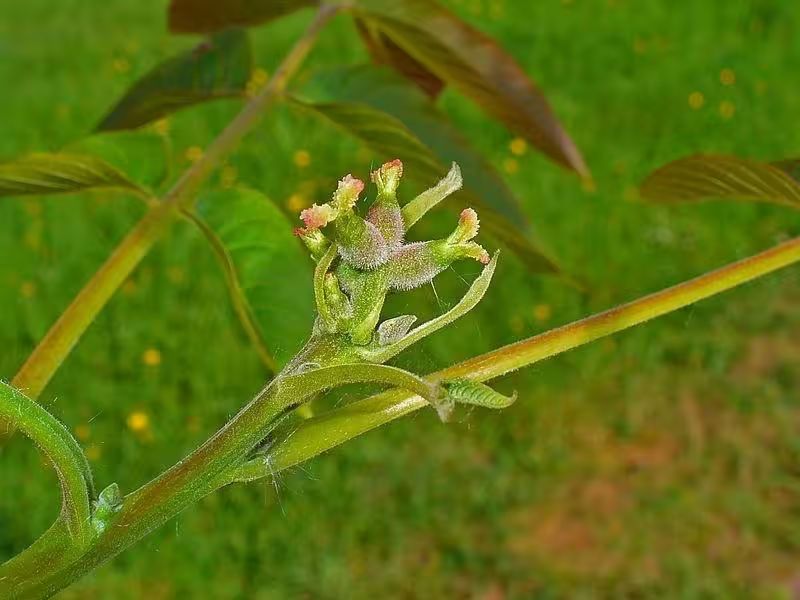
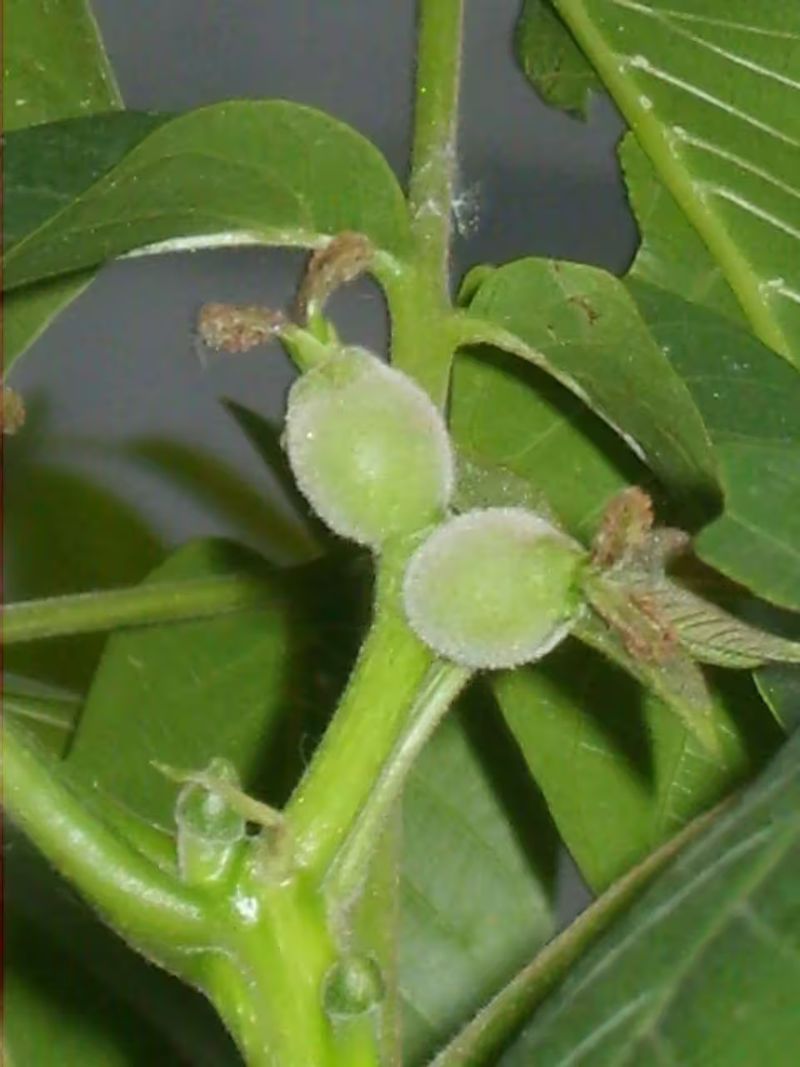
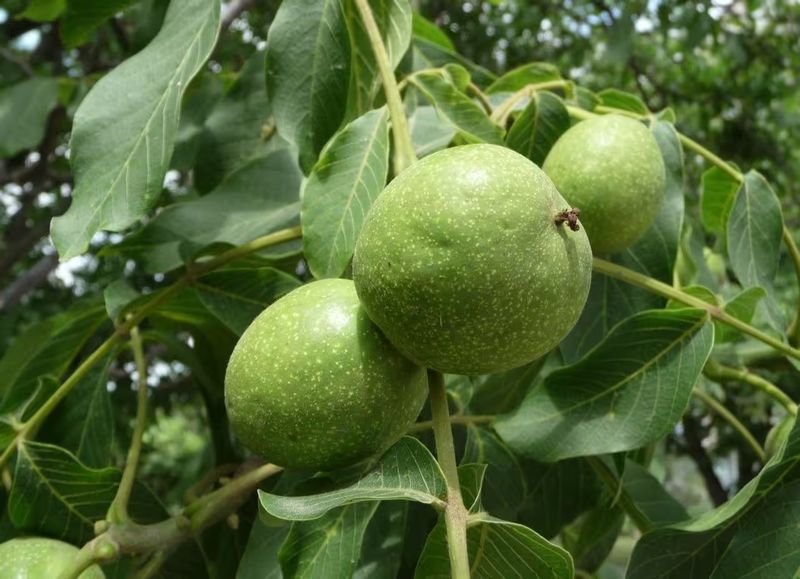
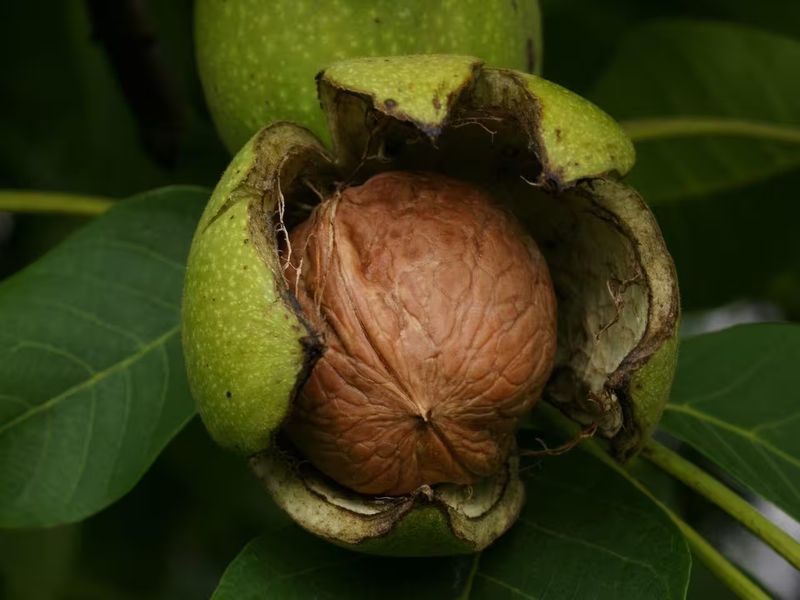
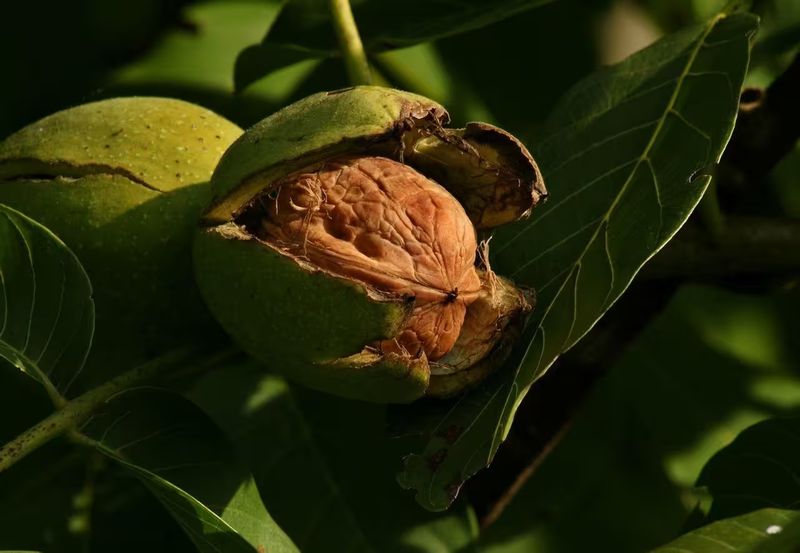
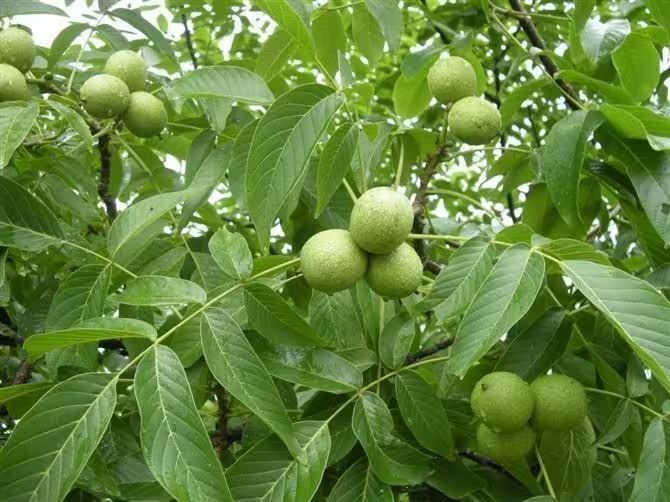
The odd plume is 25 to 30 cm long, leaves and axle are subject to a very short gland mammoth and gland lobe at an early age, usually 5 to 9 cm, rare, elliptical ovaries to a long ellipse, approximately 6 to 15 cm long, approximately 3 to 6 cm wide, with a blunt circle or a sharp tip at the top, a short step, slashing of the base, close to the circle, a narrow salvo on the edge or on the larvae, deep green, hairless on top, light green on the side, 11 to 15 pairs below, short and thin on the side of the armpit, very short or near on the side, small on the side, small on the lower end, small on the side, and small on the side of the leaf is about 3 to 6 cm long。
They are 5 to 10 centimetres long, have 6 to 30 radiums, 3 fractures, 1 to 3 fusions, 2 luminaries and red。
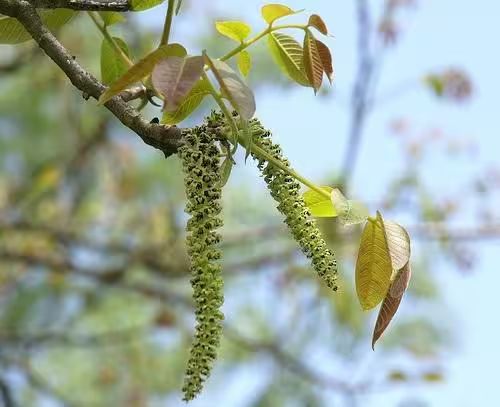
In may, the male rose downwards, ranging from about 5 to 10 centimetres and up to 15 centimetres. The males are covered with gland mammoths, small mammoths and flowers. 6 to 30 items, flower medicine yellow, hairless. Females usually have one to three (-4) females. The female's total acreage is very short gland, and the column is light green。
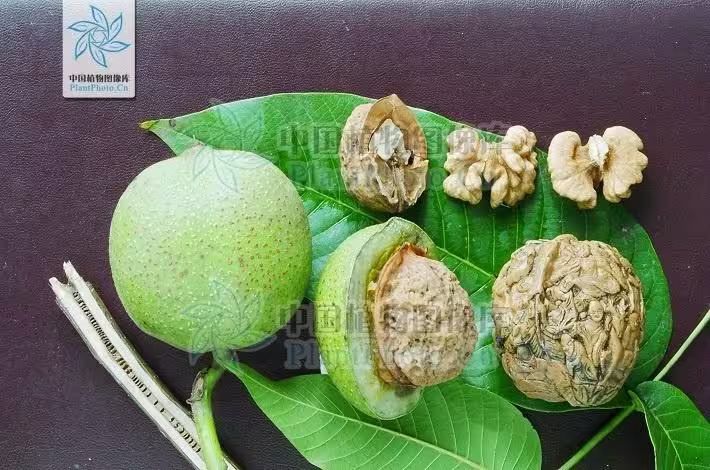
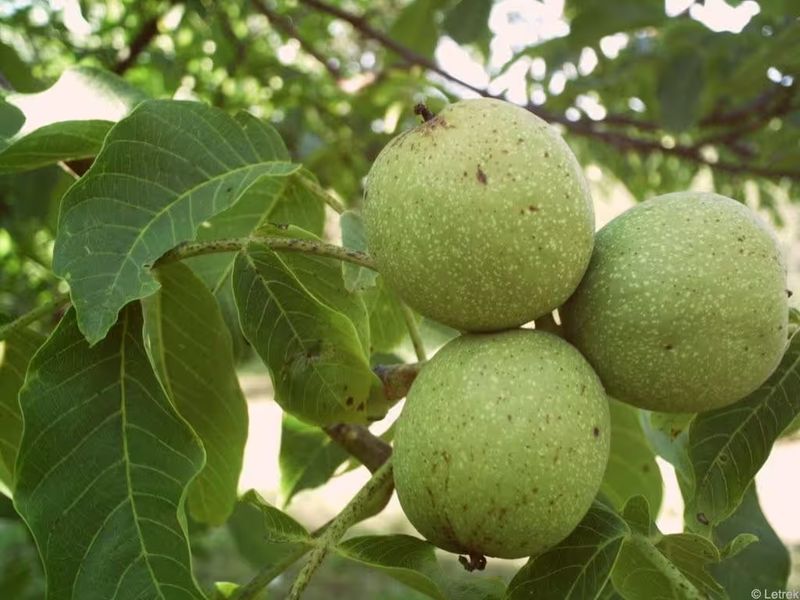
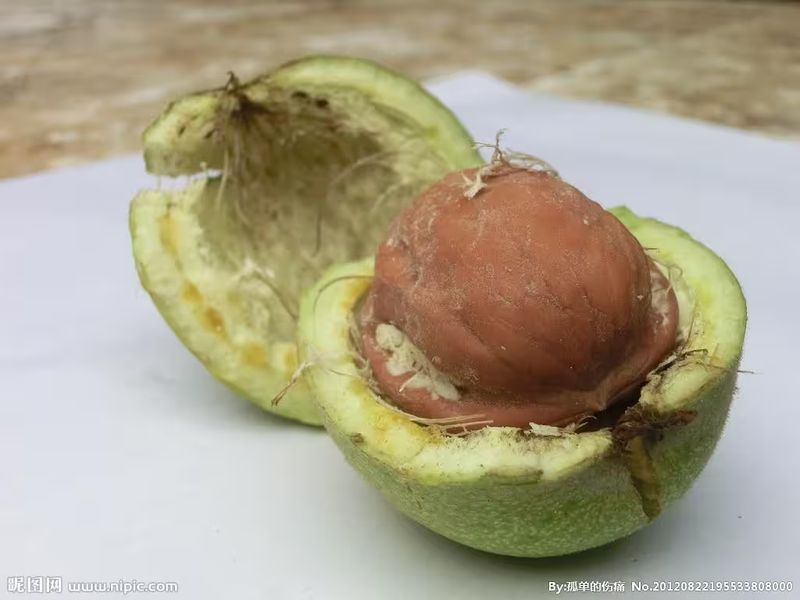
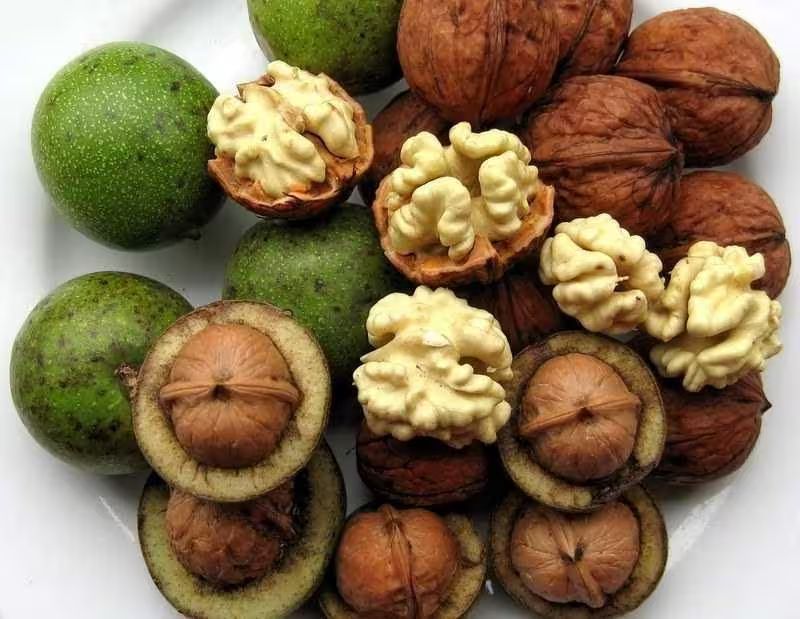
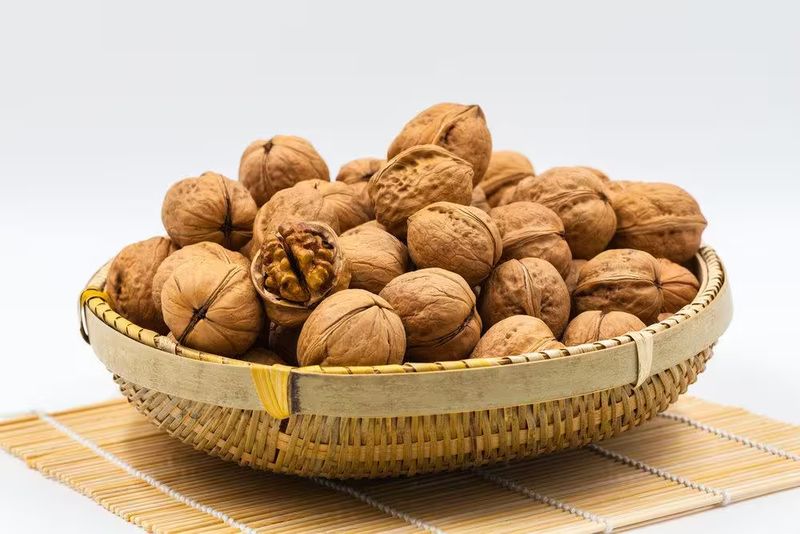
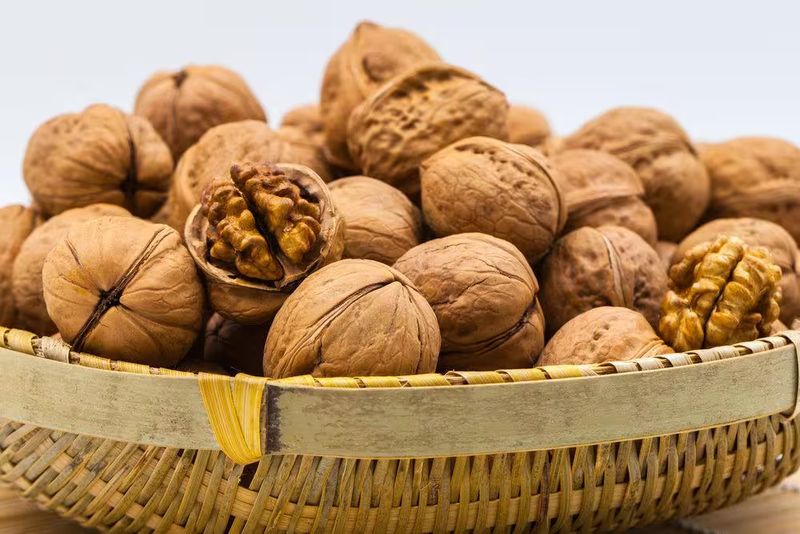
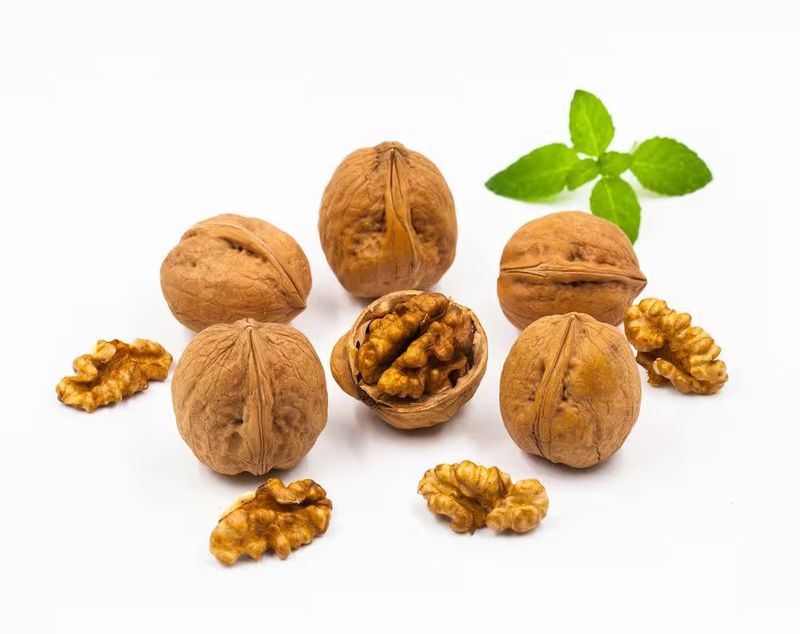
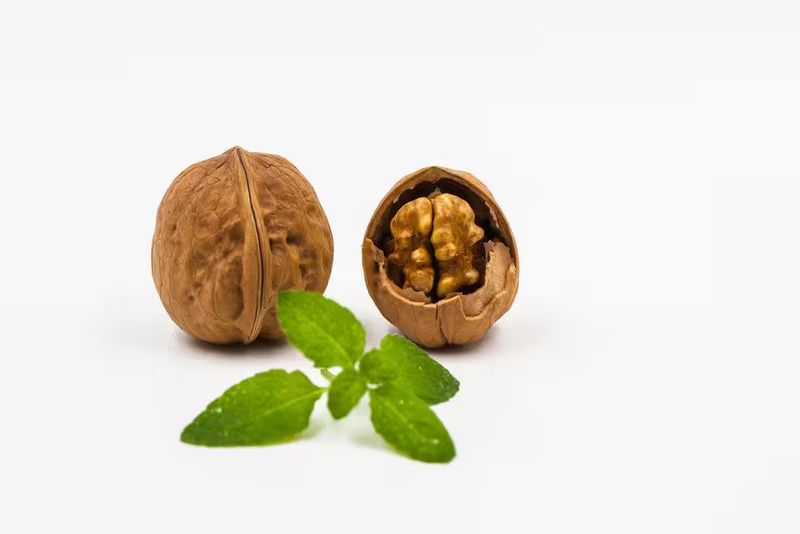
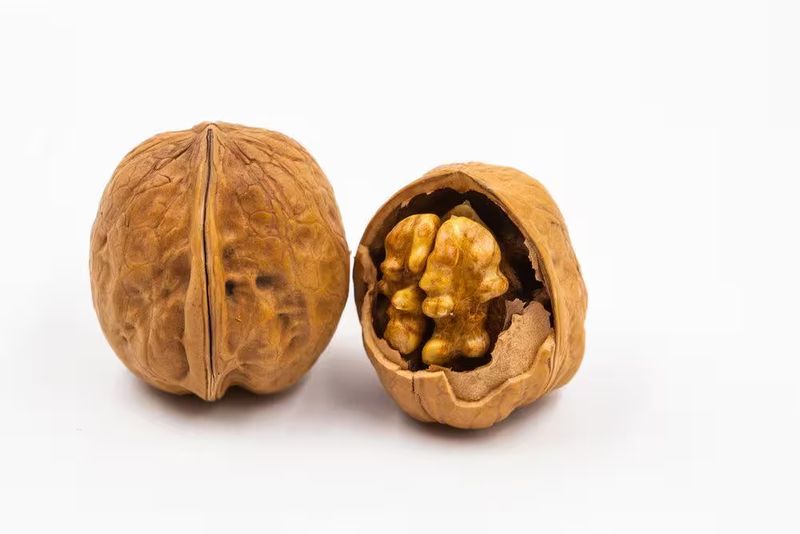
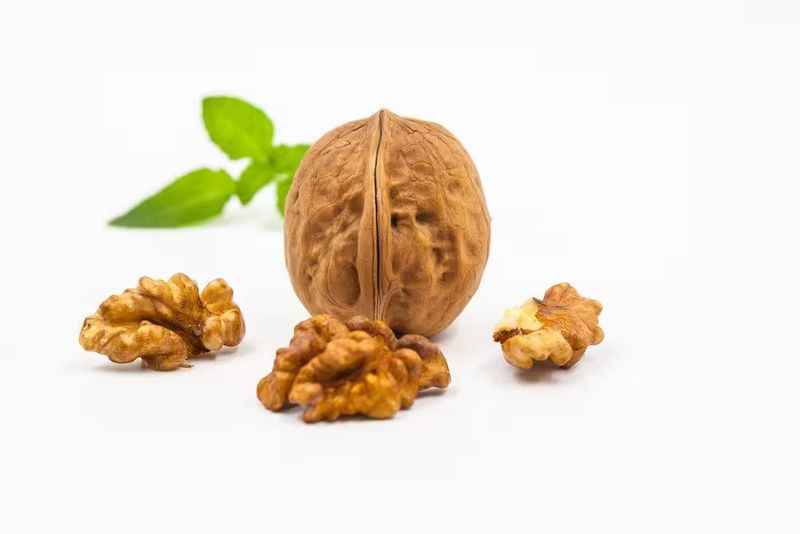
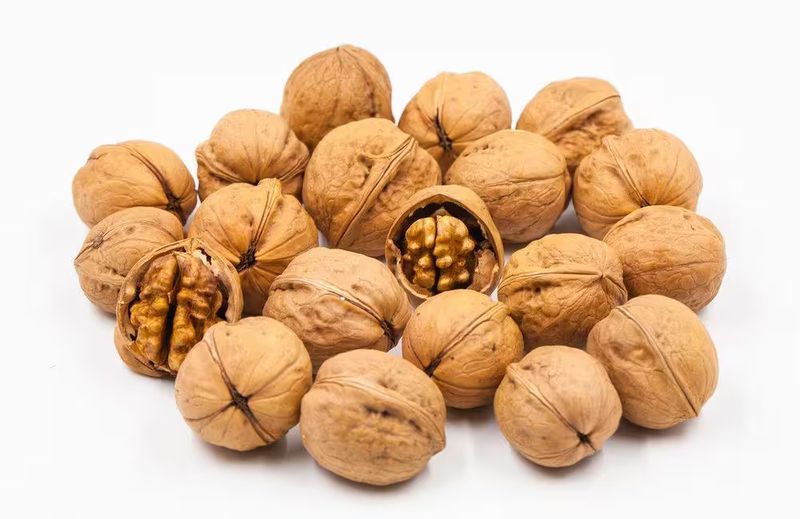
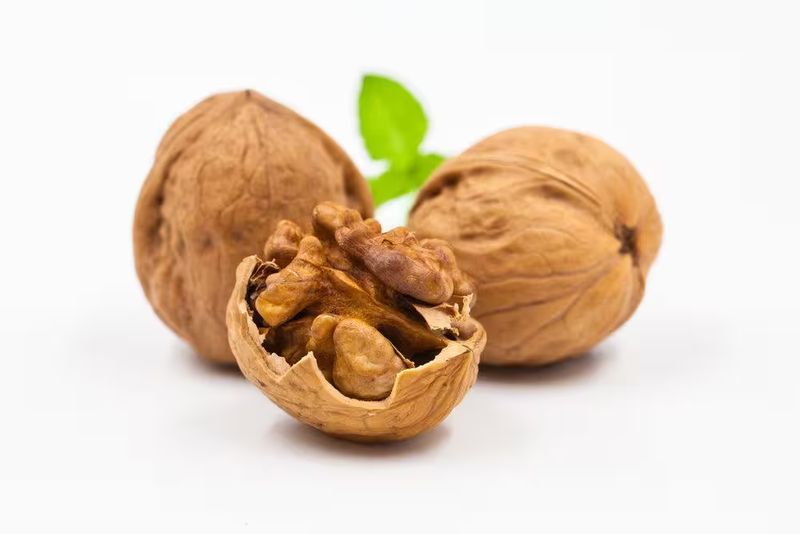
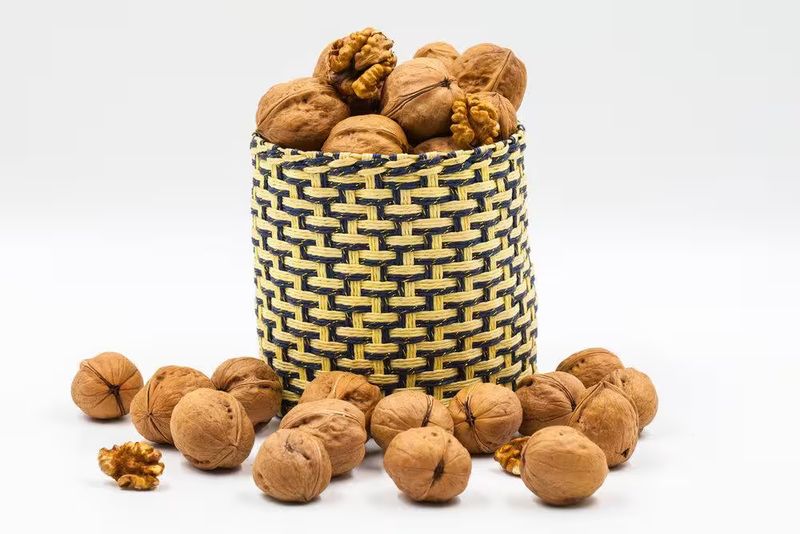
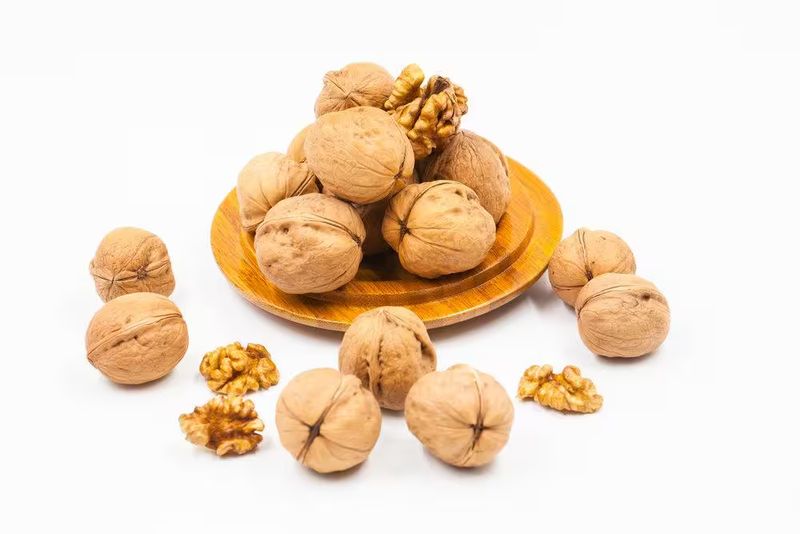
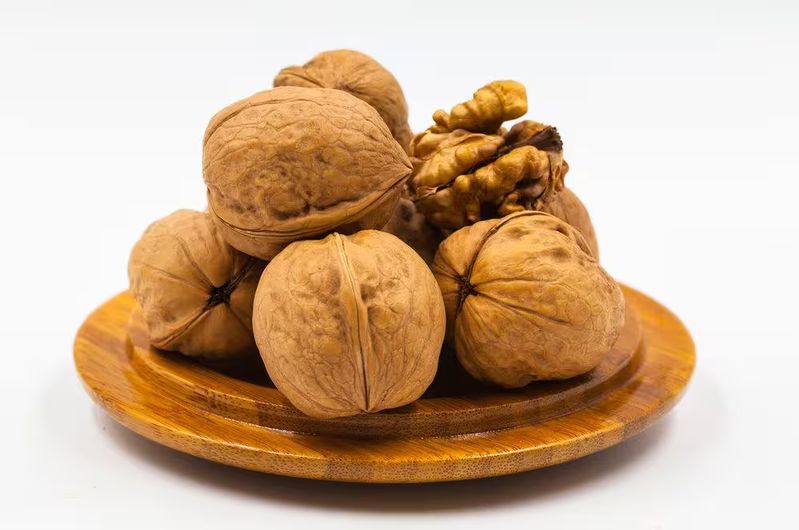
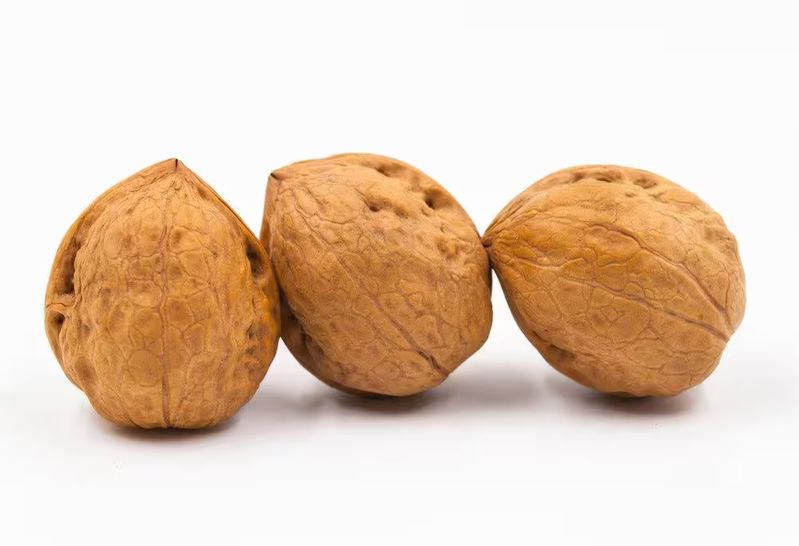
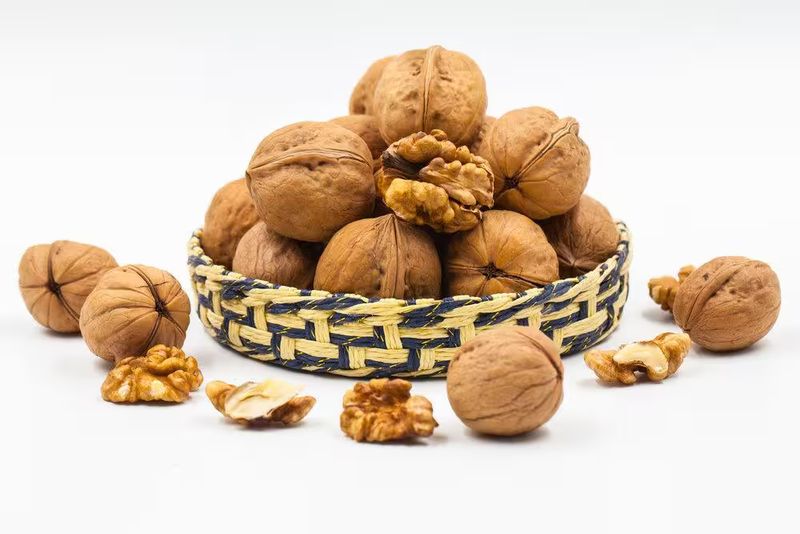
Fruit ellipses, about 5 cm in diameter, ash green. At a young age, gland hair, old hairless, internal nut spherical shape, yellow brown, with irregular groan lines on the surface。
The fruit is short, leaning down, having 1-3 fruits; the fruit is near the ball, 4-6 cm in diameter and has no hair. The core is a little wrinkled, with two incoherents and a short tip. The diaphragm is thin, there are no gaps in the interior, and there are irregular gaps or no gaps in the inner bark walls, with only wrinkles. The walnut shells are negrocose, and the outer and negrocuits are prematured for cyanide and fall when they mature. New walnuts have a tough skin。
Growing habits
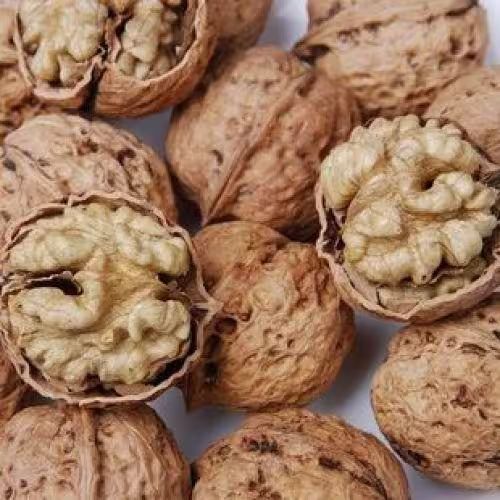
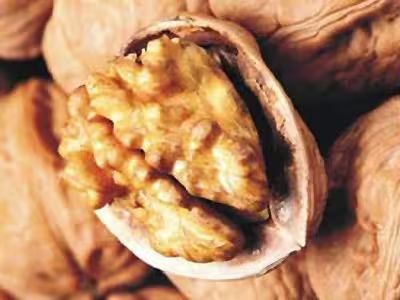
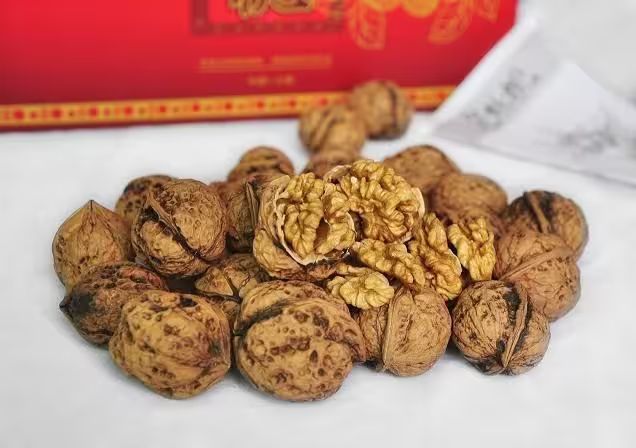
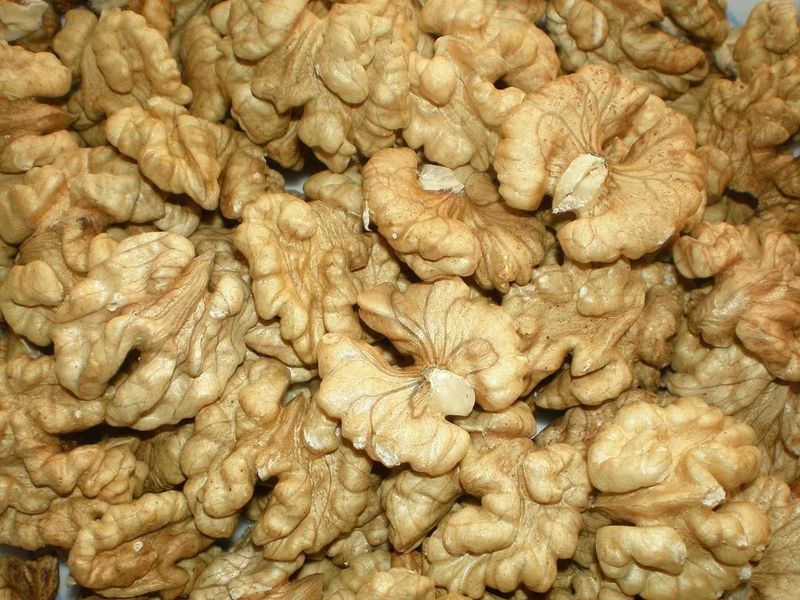
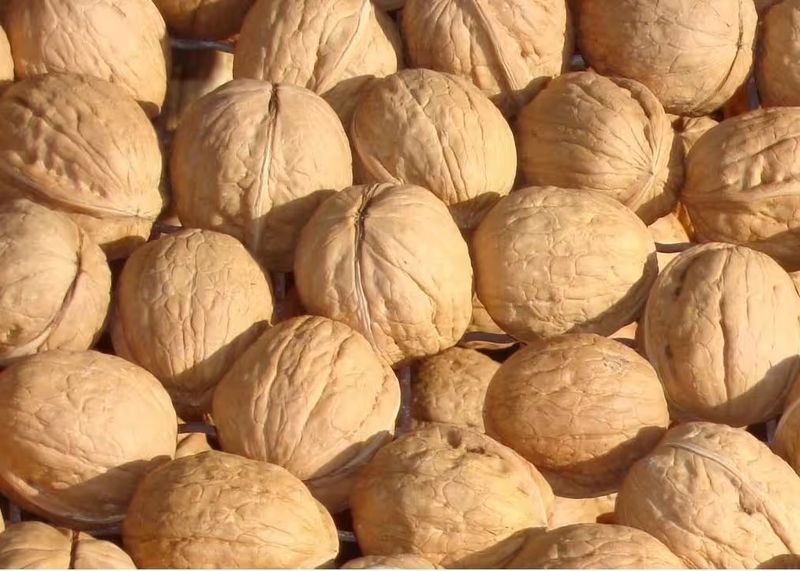
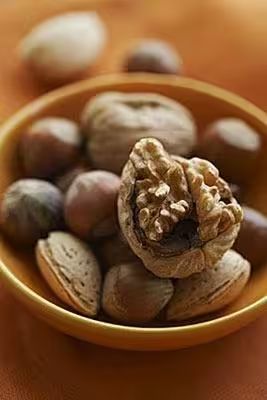
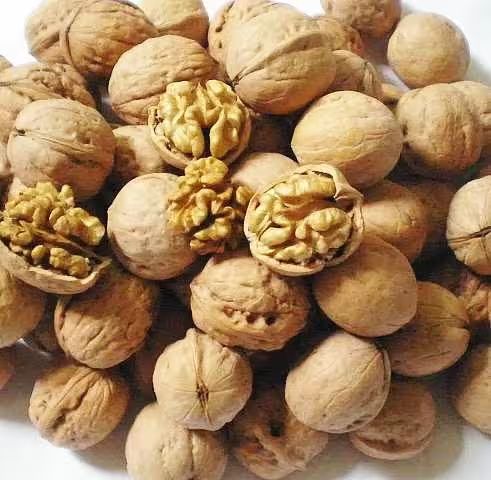
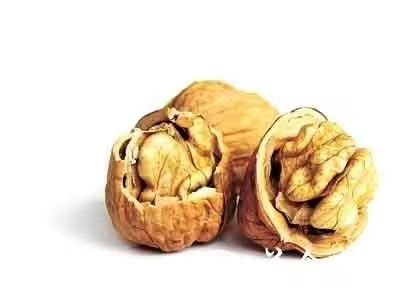
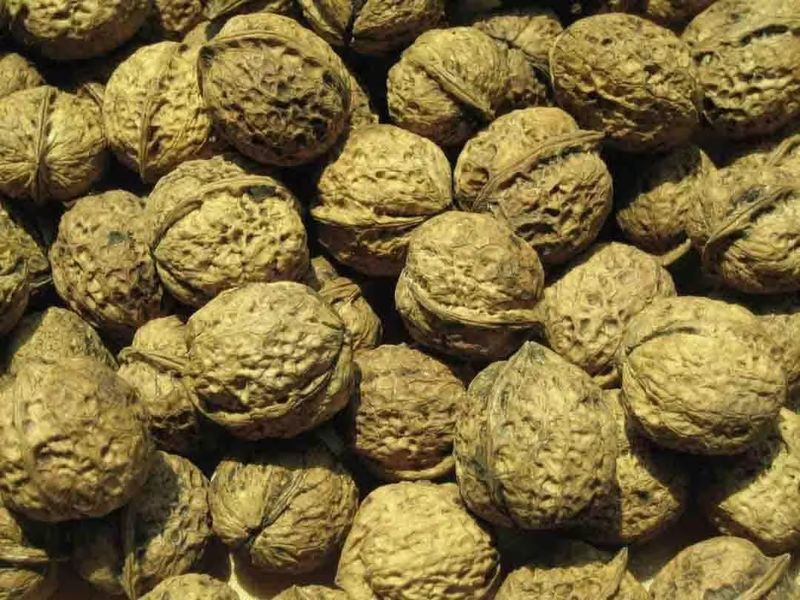
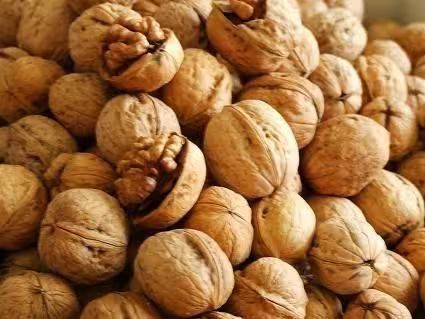
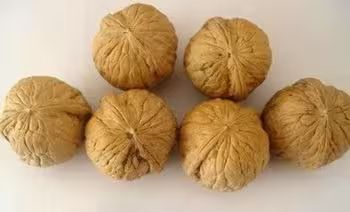
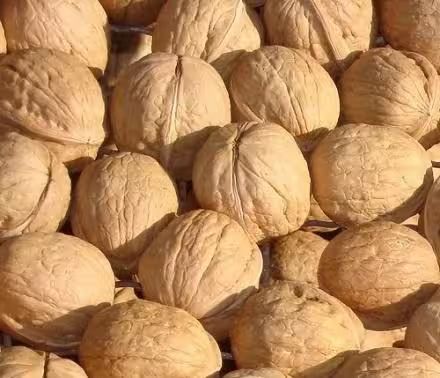
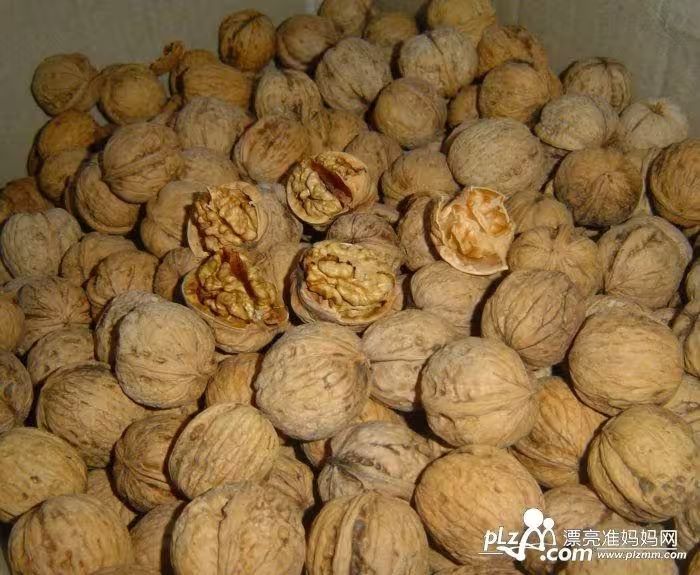
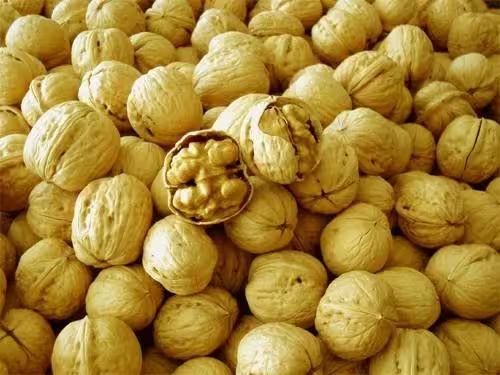
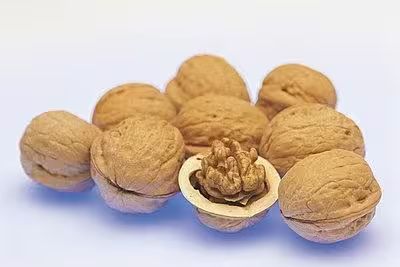
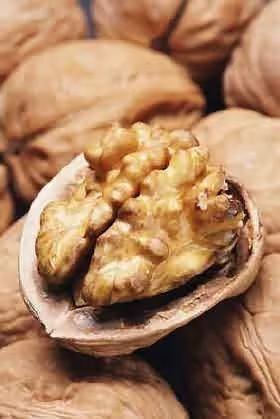
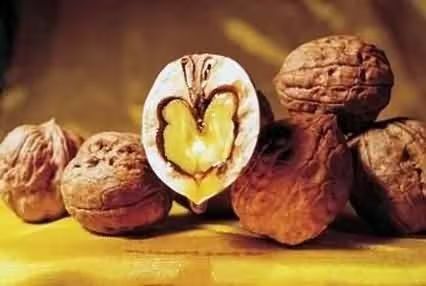
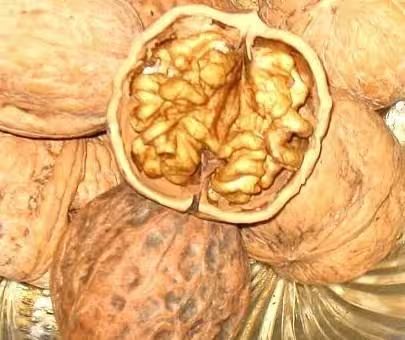
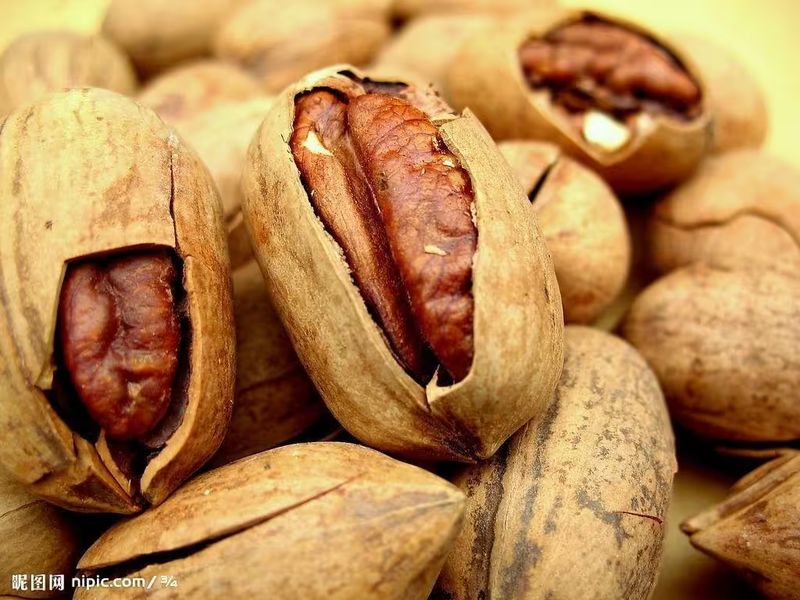
Nuts, radiant, cold-resistant, drought-resistant and disease-resistant, adapted to multiple soil growth, fertile and humid sandy border soil, water, fat and suny, with less stringent requirements for water fattening, and less suitable to cut branches after falling leaves and before they germinate, are prone to erosion. Most land is suitable for growth. Himal limey soils are common in the depths of the soil on both sides of the mountain valley。
Distribution
Geographical distribution
Born in north, north-west, south-west, central, south and east china, south and west xinjiang. In central asia, west asia, south asia and europe. Born on the slopes of 400-1800 metres above sea level and in the hills, the chinese plains and hills are often cultivated
China has a wide distribution of walnuts. Twenty-two provinces (districts and cities) are located in heilongjiang, liaoning, tianjin, beijing, hebei, shandong, shanxi, shaanxi, ningxia, qinghai, gansu, xinjiang, henan, anhui, jiangsu, hubei, hunan, guangxi, sichuan, guizhou, yunnan and tibet. The provinces (districts) of inner mongolia, zhejiang and fujian have small seeding or cultivation. The main production areas are yunnan, xuanxi, shanxi, sichuan, hebei, gansu, xinjiang and anhui provinces (districts). One of them, anhui province, is known as asia's largest walnut plantation。









