


How much is the net profit of growing a acre of wheat and corn for two seasons a year? A group of friends listed the entire bill from seeding to harvest, and everyone was silent. – looks like 600 or 700 dollars in profits, which could be 200 or 300, and many growers have been living for a year。


How much does it cost to grow an acre of wheat
One acre of wheat is counted from the top, crushing straws, ploughing land, sowing seeds, plus the cost of its own machinery, about $60 to $80. Seeds mixed 60, fertilizer 130, pesticides 80, harvest 30, miscellaneous 50, and the total cost of one acre of wheat fell below 450. This is the actual performance of the southern region of the river in autumn 2025。
These figures come from a farmer with his own machinery, daedo, who has a large area of cultivation and owns the harvester sowing machine, without paying extra for it. However, many small or non-mechanized farmers have to hire or rent machines for a single harvest at an additional cost of hundreds of dollars. The actual cost is significantly higher than 450, with some reporting at 550 or 600 acres。
The cost of an acre of corn is no less
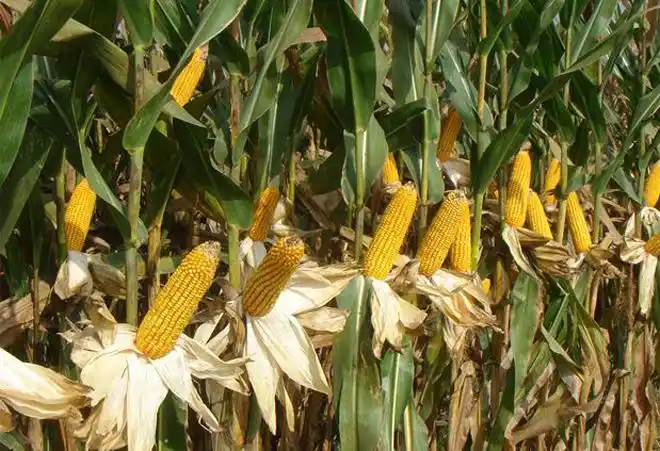
The corn side is relatively simple: $20 for refuelling, $130 for fertilizer, $40 for seeds, $30 for pesticides, $40 for other miscellaneouss, and approximately $300 for a acre of corn. More than a hundred dollars less than wheat, mainly saves the grinding and ploughing chain, so that the wheat can be sowed directly and in full, and saves a process。
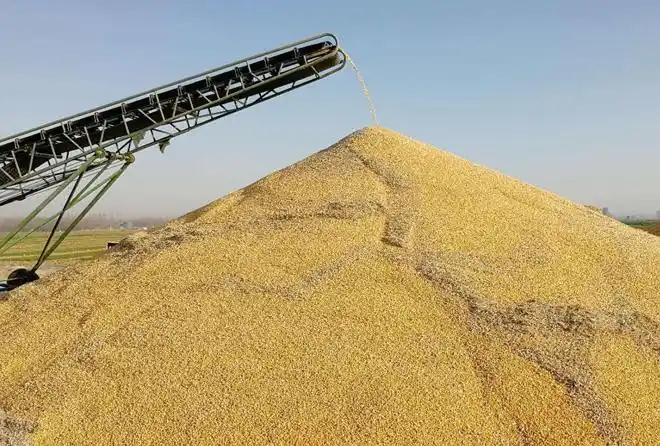
Fertilizer is the largest part of the cost of maize, with $130 accounting for more than one third of the total cost. Agricultural prices fluctuated significantly over the past two years, with the cost of one acre of maize exceeding $320 when fertilizer prices rose. In addition, if the maize harvest comes down in a series of rain, the distillation falls in time, the purchase price can be reduced by two or three pounds and the modest profits cut by another。
What's a year's cut
In wheat, $450 plus corn $300 at a direct cost of $750. Together with the rental of land, the large household rents 800 acres a year, and the two combines 1550 dollars. There are also piecemeal costs of water, electricity, insurance, etc. That are not accounted for, with an acre of land actually invested in approximately $1600 a year. This is a typical expenditure structure for medium-sized farming households。
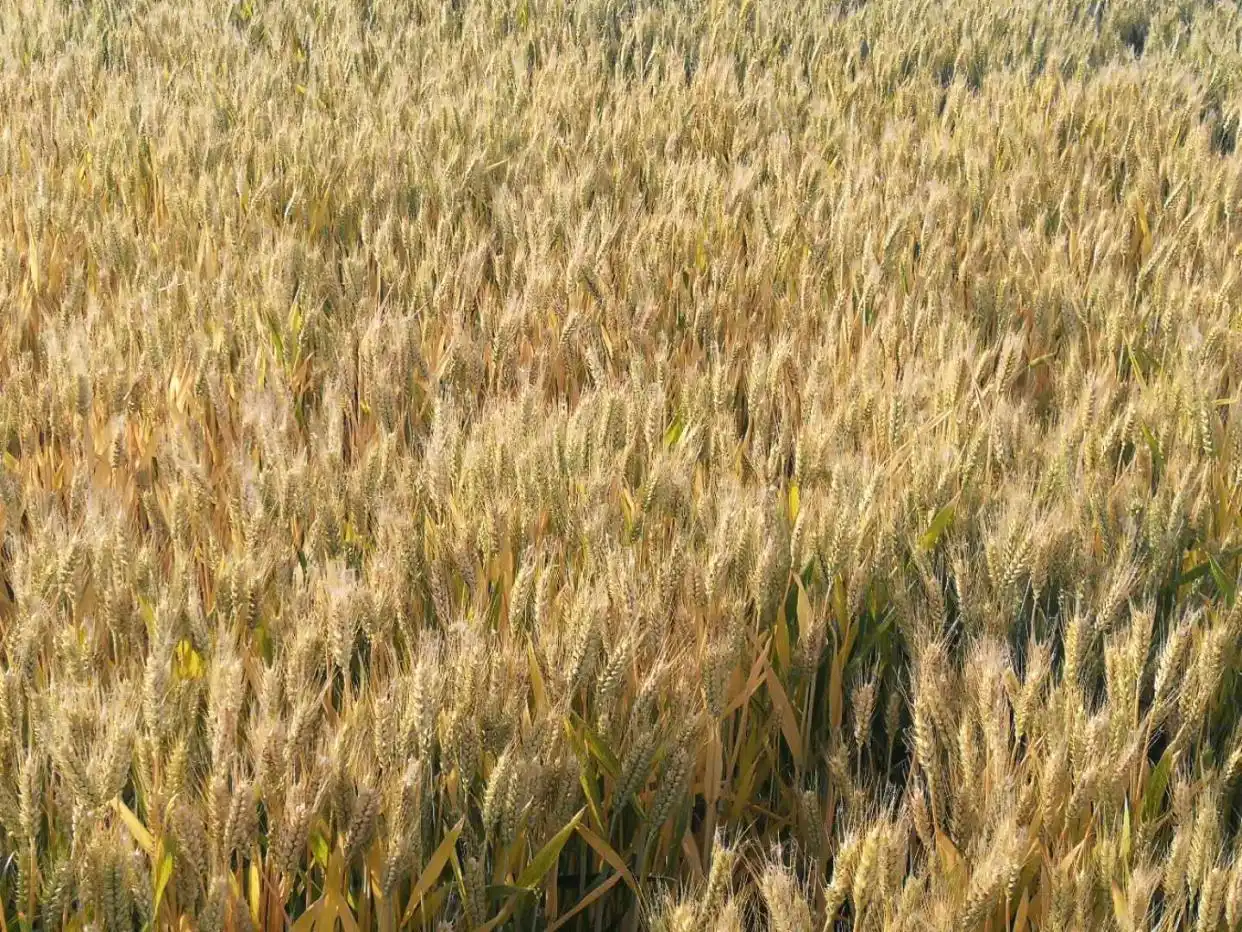
At the income level, 1,000 pounds of wheat acre is sold at $1,100, while 1,300 pounds of maize acre is sold at $0. 85 a pound, at $1105 and a total of $2205 over two seasons. Less 1,600 dollars for inputs, and about 600 dollars for net profit on an acre. But this is the most optimistic algorithm, provided that production and prices are in line with desirable values and that it is difficult to achieve both。
Production and prices change every year
Wheat 1. 1 and corn 0. 85, which is just a certain year. In 2024, the price of maize fell to the vicinity of $0. 8 and the price of wheat was down to $1. 05, with a similar acre of production selling more than $100 directly. Combined with annual variations in weather, wheat acre production may be only 800 kg in dry years, and maize production in stormy years is severely reduced and is in fact much lower than the book figures。
So the large family itself gave a conservative estimate of a acres of net profits of $400 to $500. At a further level, the machine is depreciated every year, and a harvester spends 10 years on an acre of land, with an additional amount of tens of dollars deducted each year. If the loan buys land or machinery, the interest will be calculated, and an acre will actually reach $20000, equivalent to 2,000 per month for a year of work, and it will be necessary to watch the weather daily。
Why does the profit book have to grow
Many people have seen 200-300 dollars in profits on an acre of land encouraging large families to grow, but the problem is that large households are not just growing one acre. A medium-sized large family grows 300 acres, $2,300 by 300, with between 60,000 and 90,000 a year. In the case of thousands of acres planted above, the total annual earnings in the lightlands are 2. 3 million, which is already a considerable income in rural areas and cannot be stopped。
In addition, farmers of scale can apply for subsidies for the acquisition of agricultural machinery, for the protection of agricultural land and for one-off subsidies for large farmers, which in some areas range from several hundred to 1,000 acres. While they do not grow on the ground, they do reduce the risk of loss on an acre, so that the whole account is not counted back as a net loss。
It's not worth it
Turning to the question at the beginning, do you think 600 or 700 acres of land have two or three hundred depreciated interest? The bulk has grown more than a dozen acres of its own, saving land rental and machinery, and one acre may earn four or five hundred, but the sum is too small to support the household. The small but large size of the large households, combined with the underside of subsidies, is the overall positive gain, which is what the size effect means。
The point is not to be too idealistic. These hidden costs are not reflected in that simple increase or reduction. The farming business, which earns money on a scale, money from experience, money from subsidies, not the difference in the price of a single acre, can be calculated with that in mind。
How much did you figure out about the cost and profit of a year? Welcome to your books in the comment section, and if you find them useful, send them to the people next to you









