A lot of brands came up in a hurry to join and open a store, and as a result, single stores did not make any money and the unions withdrew. What's the problem? Most businesses don't get through "how to stabilize a store" and they copy it. It's like taking an unverified mold to a mooncake, all of it。

Single-store profit model is the starting point of the chain expansion

Chain operationThe core logic is to stabilize a store's monthly net profits, to clarify the cycle before expanding. In 2024, research by the china association of chains and chains revealed that about 68 per cent of the union’s brands had a significant decline in single-store profits after more than three of the stores, the root cause of which was that single-store models had opened their doors without validation。
The single-store profit model does not count in the head, but separates the products sku, the price of the passenger unit, the daily rate of the table, the labour ratio, the rent share and the loss rate into tables, running out of monthly net profits and returning to the current month. Only if this number is measured in three different business circles will the union not be a herring。
Standardizing business processes allows for replication

Standardization is not done by writing a thick sop. In 2025, the intra-millice city training system showed that core operations had been dismantled into 217 standard actions, each with a short video and checklist, with seven days of independent induction for new staff and a consistent output rate of 97 per cent from 82 per cent。
Site selection, fit-out, presentation, service talk and cashiering process are all set to implementable steps. It's the real meaning of "one millionaire" that joiners don't need to know how to run, so they can keep their combined maori at 60 percent or more。
Four models determine the location of headquarters
At present, the union is organized in four stages: pure technical training, shop design, supply chain distribution and financial property operations. At the shanghai alliance fair in 2025, 80 per cent of the medium-sized and small brands were only in the second tranche, and headquarters profits were almost entirely underpaid。
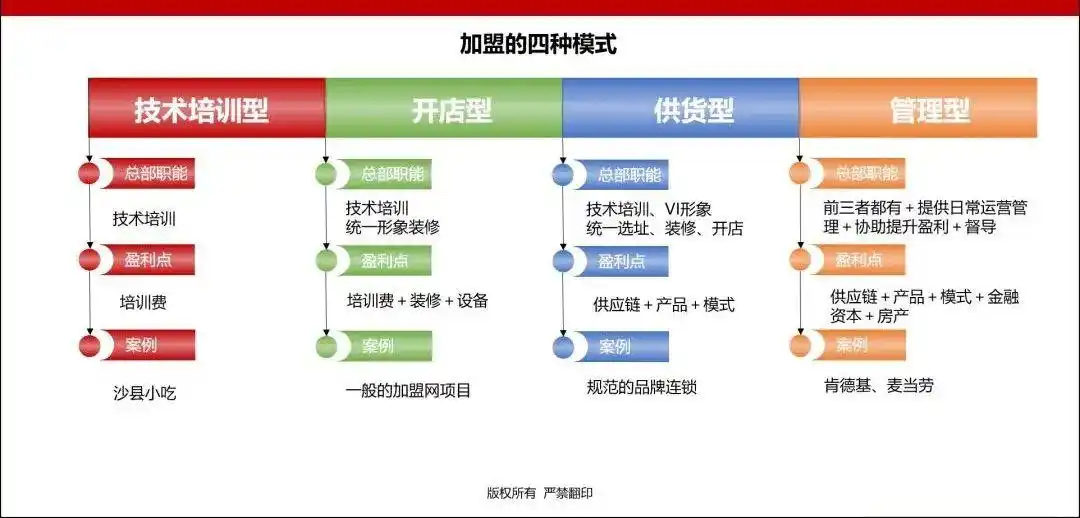
The third tranche of a mature food chain is where headquarters earns a steady cash flow from supply chain differentials and logistics distribution, adding to the costs rather than major revenues. The pattern is different and the profitability structure at headquarters is completely different。
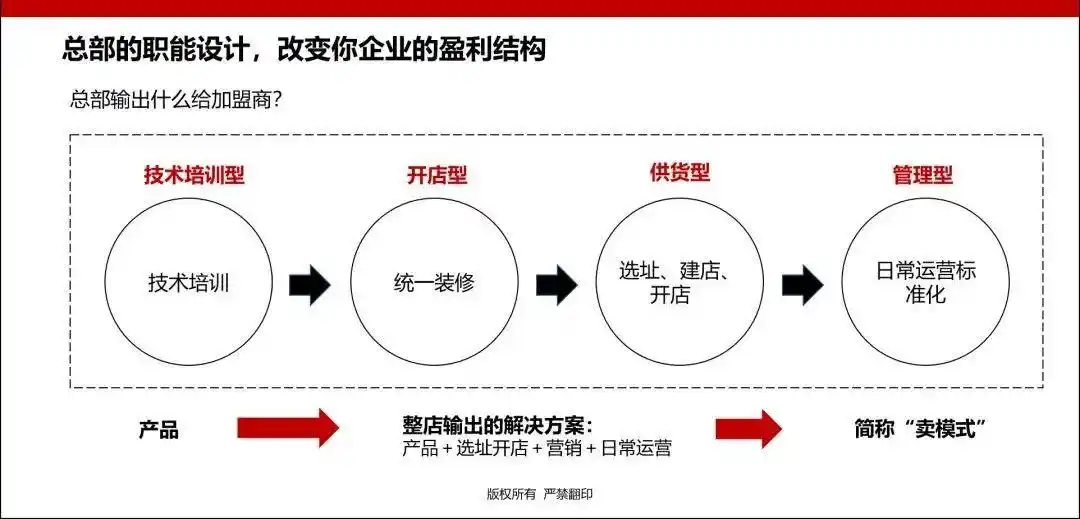
Headquarters functional design needs to address the problem
The three most painful things for the members of the coalition are the wrong location, the incompetence, the lack of business. Since 2024, the head brands have generally been equipped with a site scoring tool, a business data board, and a competition analysis template, transforming the decision to open a shop from a "headshot" to a "data for choice"。
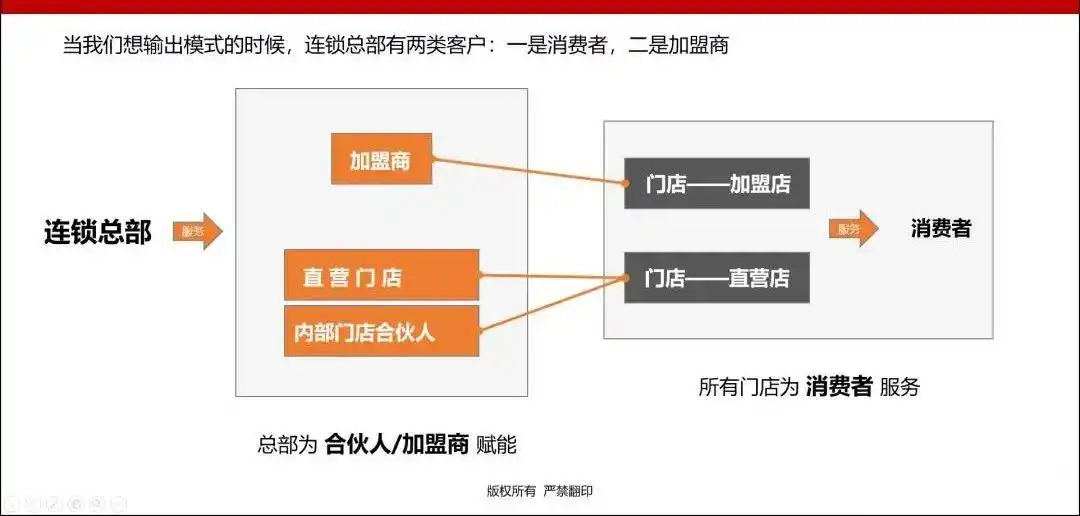

Post-establishment support is equally critical. Operating a monthly tour of shops, online systems, real-time tracking of performance, quarterly rewinding of the financial model, this combination of punches can bring the survival rate of the union store from 52 per cent to 78 per cent for the first six months of existence. The data are derived from a report on the internal operation of a national restaurant brand in 2025。
Diversification of profit structures supports long-term brand development
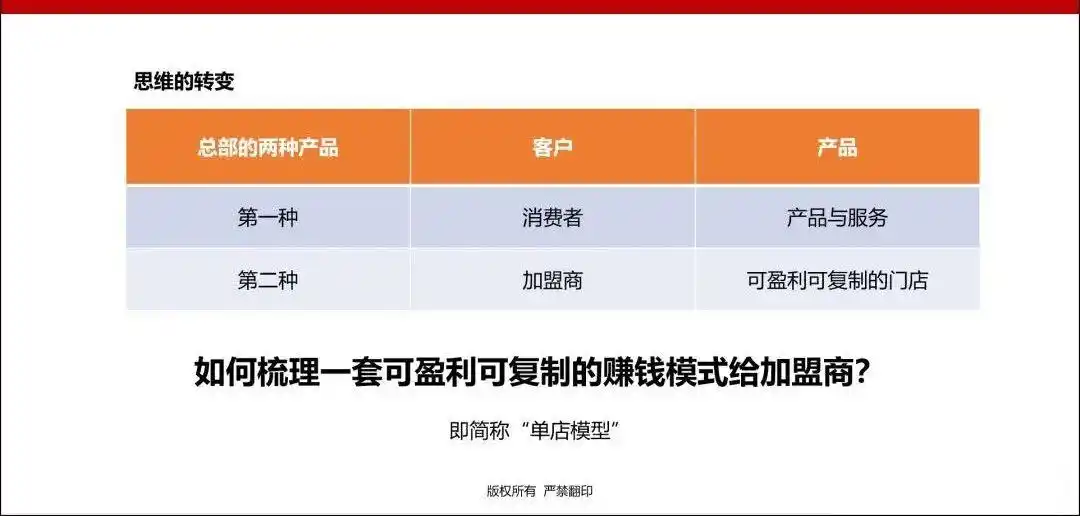
A mature chain of headquarters is more than a union fee. Model export management fees, logistics differentials in the supply chain, interest on supply chain finance, value added from commercial property, and five parallel lines. According to a retail brand newspaper in 2025, the share of union fee revenues had dropped to 12 per cent。
The more diversified the profit structure, the greater the risk resistance. Union fees alone have slowed down the market, slowed the growth of new businesses and cut the income of headquarters directly. Diversity gives the brand a base for sustained investment of resources to allies。
The standardized manual translates experience into deliverables
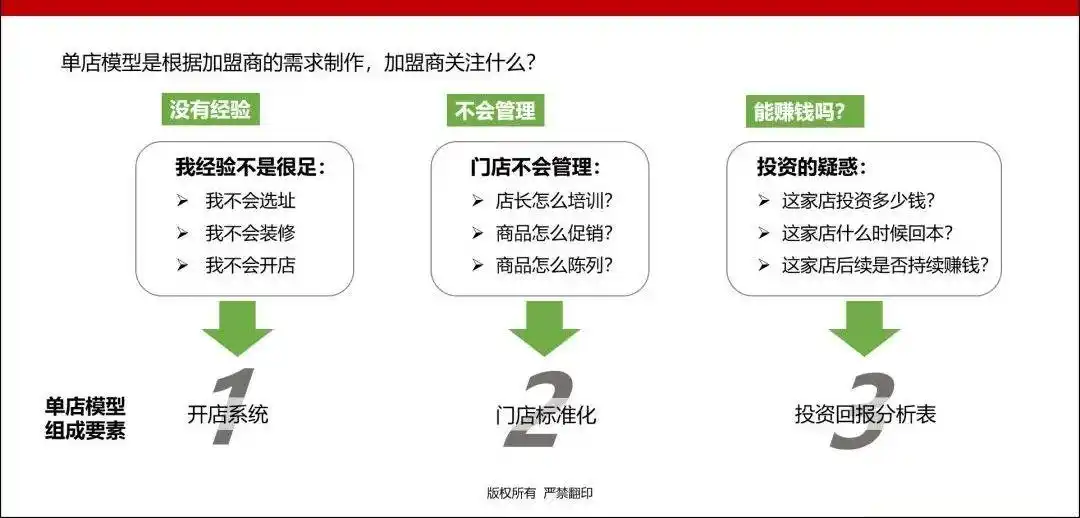
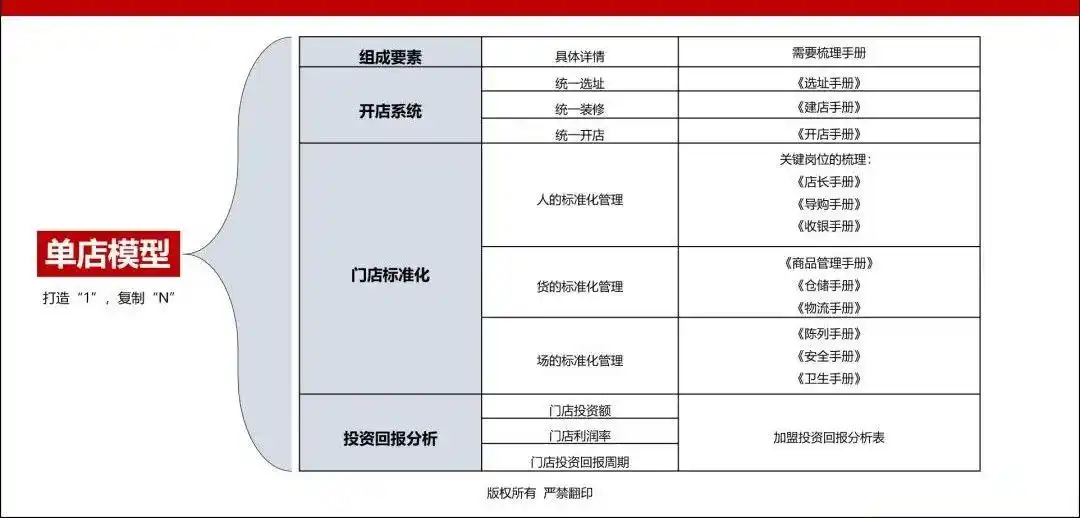
Compile the successful opening experience into a manual, not send word files. The first branding manual system in 2025 included a site selection score, fit-out construction standards, a 30-day operating calendar and a daily operating checklist of 14 pages。
The manual is essentially about the ability to turn "human" experience into "systems" that can be done by any associate. An annual update at headquarters of the content according to the door shop data to ensure that it is not out of line is the key to the continued iterative single-shop model and the continued expansion of the brand。
How many brands do you work in? The comment section is welcome to talk about your observations and to see them useful。