


The hillbilly country planted 100,000 acres of chili in 600 million products, not on the basis of money-smuggling, but on a production technique and industry model that runs from seedlings, tubes to the acquisition of entire chains. Wenshan drys, chubei, is making chiliRural revitalizationThe great industries, which has made it possible for more people to see the roots of agriculture, deserves careful consideration in all the places where it takes place。
The mode runs through four mains
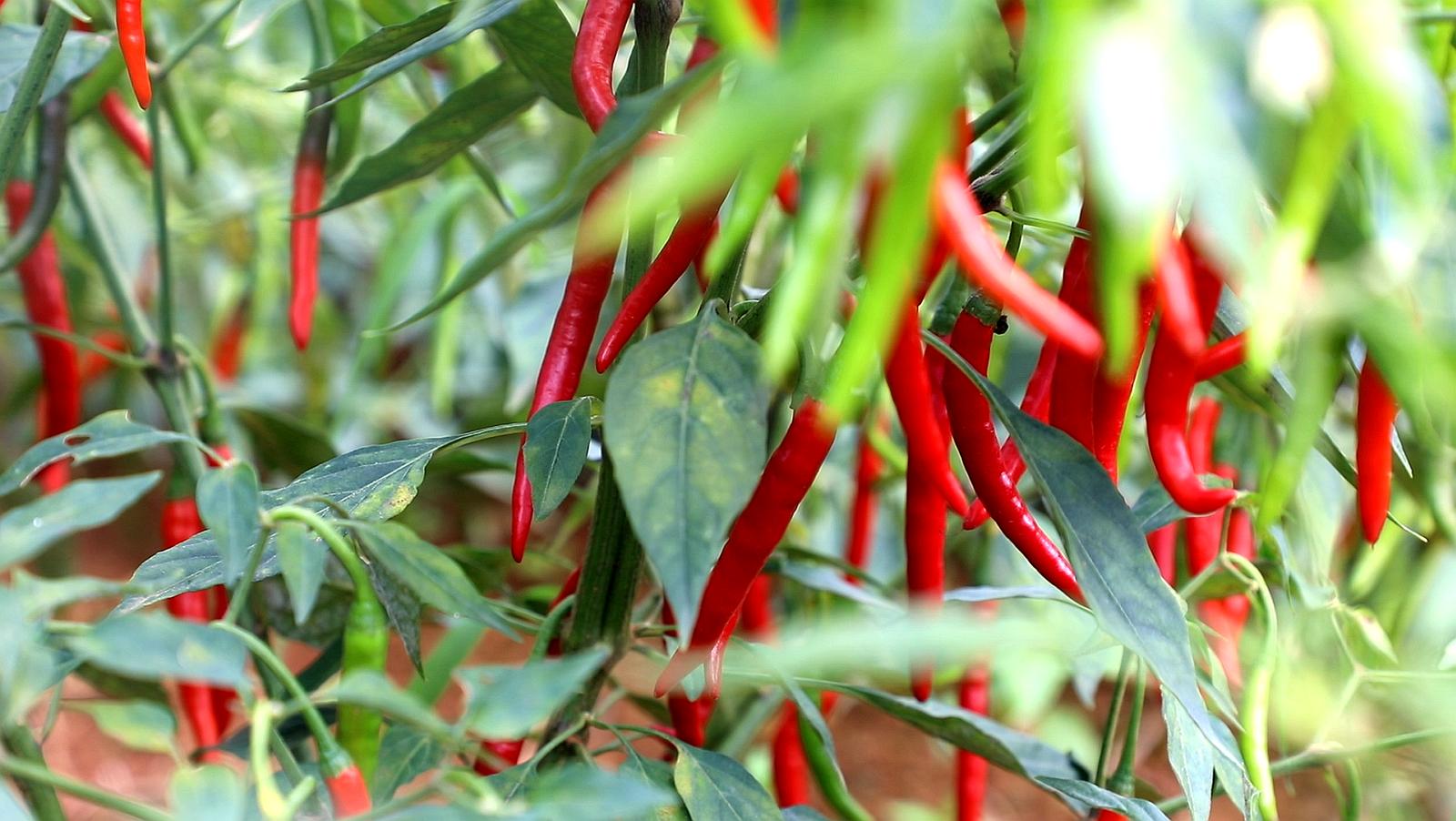
In 2024, the tree-pill community developed around the objective of "agriculture efficiency, farmer growth" using the "enterprise + cooperative + farmer + base" modelThe pepper industryI don't know. There is a clear division of labour among the four main subjects: enterprises are responsible for processing and foreign trade channels, cooperatives are responsible for harmonizing seedlings and technical standards, farmers are responsible for field management, bases provide a standardized planting environment, and the entire chain is tied to a chain。
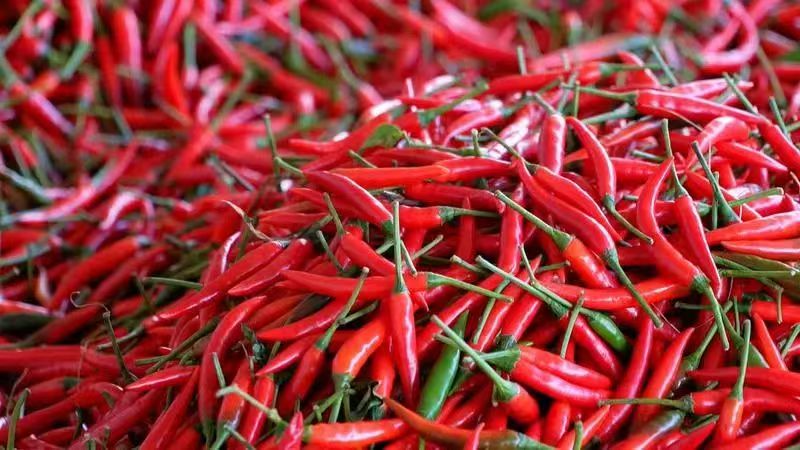
This set of mechanisms opens up the previously dispersed risks, the farmers do not have to worry about planting seedlings, field technology and market outlets, the cooperatives are aligned with firms and out-of-provincial buyers, the growth point of industrial efficiency is truly activated, the crowds grow peppers with a strong base, the entire industrial chain is smoother and more stable, and the "dry of wenshan" has actually landed in the hills。
It's 80 tons a day
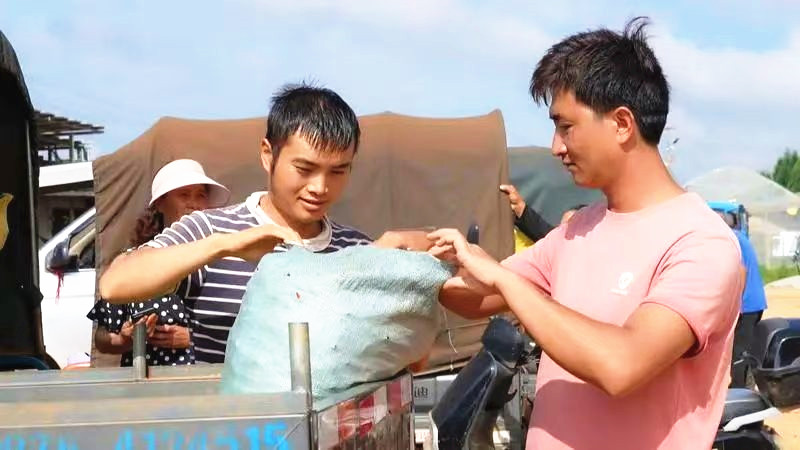
Specialized farmers ' cooperatives for the production and marketing of chili products in the bushlands are the largest chili-trading areas in the region and are key nodes for the circulation of chili in chube county. At the peak of the trading period, there are numerous customers and farmers who come to buy and sell chili every day, with a daily turnover of up to 80 tons and a single-day turnover of about half a million dollars. There is a lot of excitement in the trading grounds, with chili moving in and out。
The governor, wu jindeh, described the cooperative's annual collection of about 10 million pounds of chili, a variety of which covers korean chili, yellow peppers and peppers of beauty, which are packed from tree country to henan, guangdong, guangxi, fujian, etc., and whose sales are no longer limited to the province, and the more the name "pea pepper" is called, the more the brand recognition continues。
Order farming lowers the cost of planting pipes by 40%
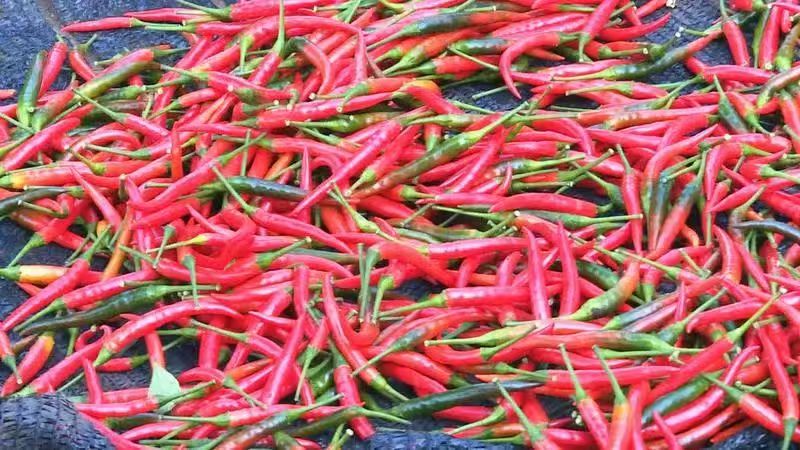
The rutao growing co-operative has been operating under the "order farming" model, based on local pepper processing in chubei: premature distribution of pepper seedlings to growers and the purchase of fresh fruits at a minimum price after maturity, with little risk that they will not sell. Chairman lee sung-mei, who grew up in the countryside from an early age, knows best where farmers are growing their land, and wants to help them grow, sell and make real money。
According to lee, the cooperative's promotion of the scientific seeding model has resulted in an overall reduction of about 40 per cent in costs compared to traditional farming methods, and that peppers are of better quality and more expensive to sell, with many farmers finally earning a decent income by working in the field from year to year. Under the leadership of sita, the local population cultivates more than 8,000 acres per year, with a total output of 16,000 tons, at a value of $80 million。
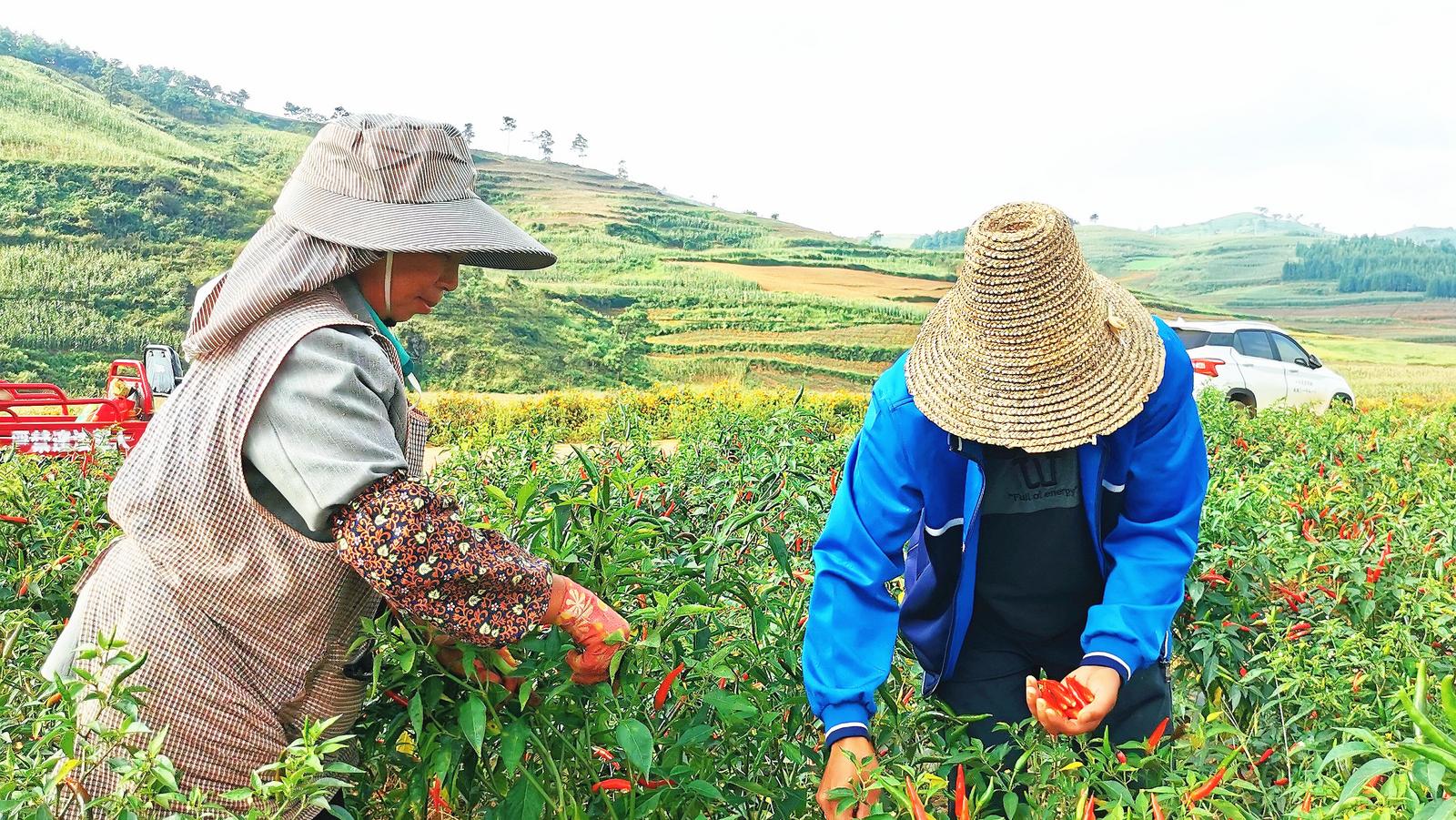
Farmer down in the field
The farmer, xiao fengmei, at the centre for integrated security and technical services, described the presence of agricultural technicians in the huts and fields as an on-site guide from seedlings and transplantation to mid-cropping management, one step at a time to ensure that there is no major problem with the smooth transfer of pepper from planting to its sale, and that there is no "last mile" of technical questions for which pepper farmers can ask at any time without understanding。
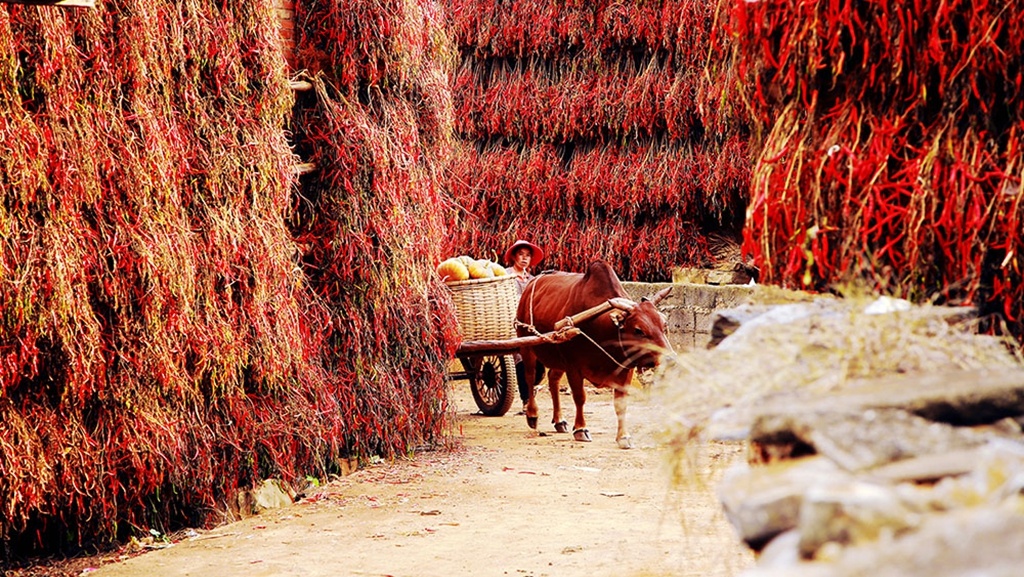
The countryside has also promoted the characterization of varieties, the scaling up of cultivation and the integration of production and marketing, encouraging people to develop their industries in a manner appropriate to their local needs, and has focused on the plaque-skin chili business card, along the lines of "one village, one village, one product" and, by selecting tree models and modeling, expanding the area under cultivation, pushing the influence of the chili in chubei out of the province and abroad, increasing the branding and upgrading the growing technology。
I'm making extra money from the housekeeper
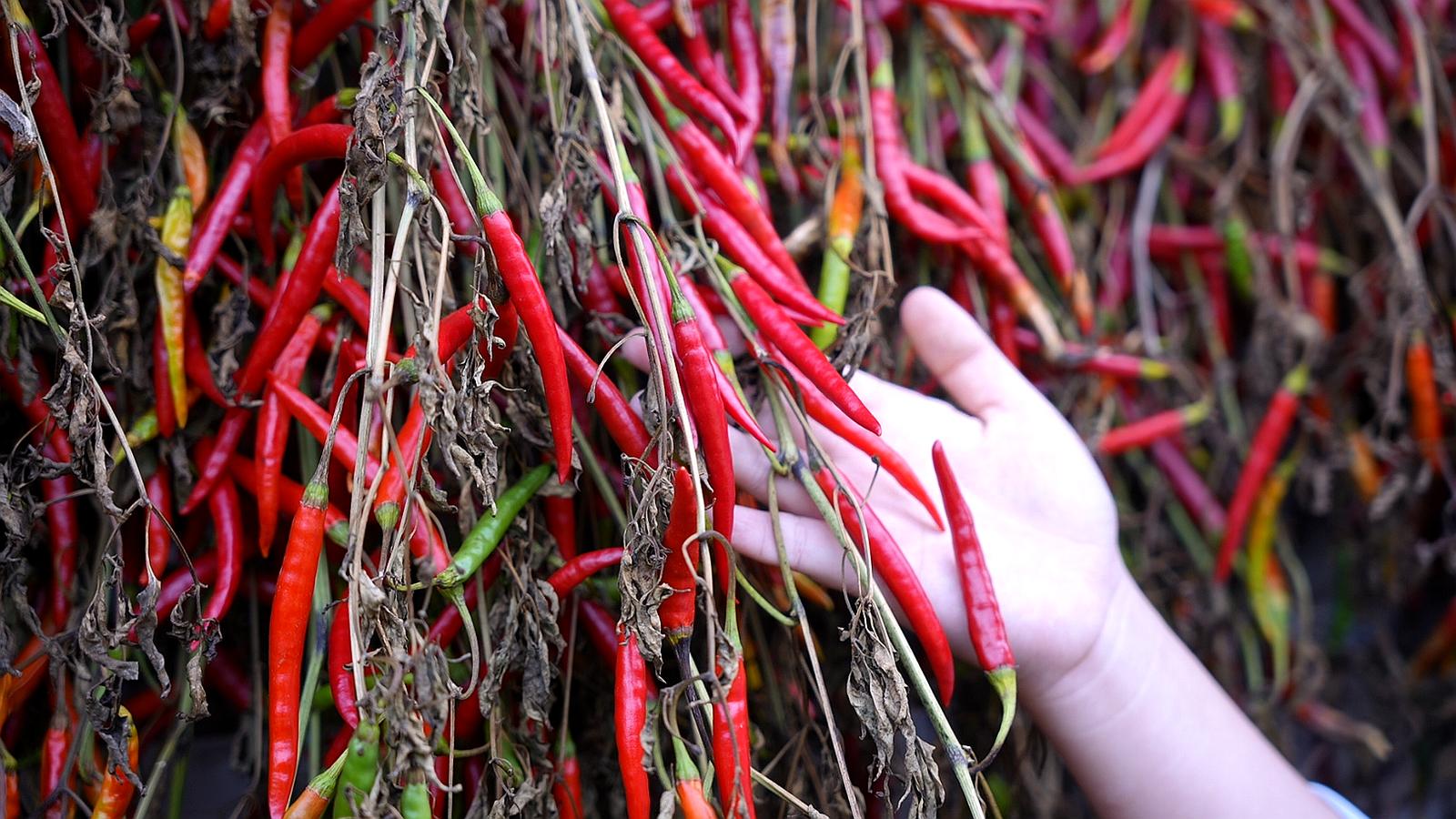
Hot peppers, ranging from seedlings, plant transfer and care to mature harvesting, require a large labour force at every stage. In addition to receiving land transfer fees, the pelicans are able to work close to the planting grounds, earn two incomes in one place, earn money without having to leave their homes, win-win businesses and farmers, have a lot of wallets for the big ones, and keep the elderly children safe。
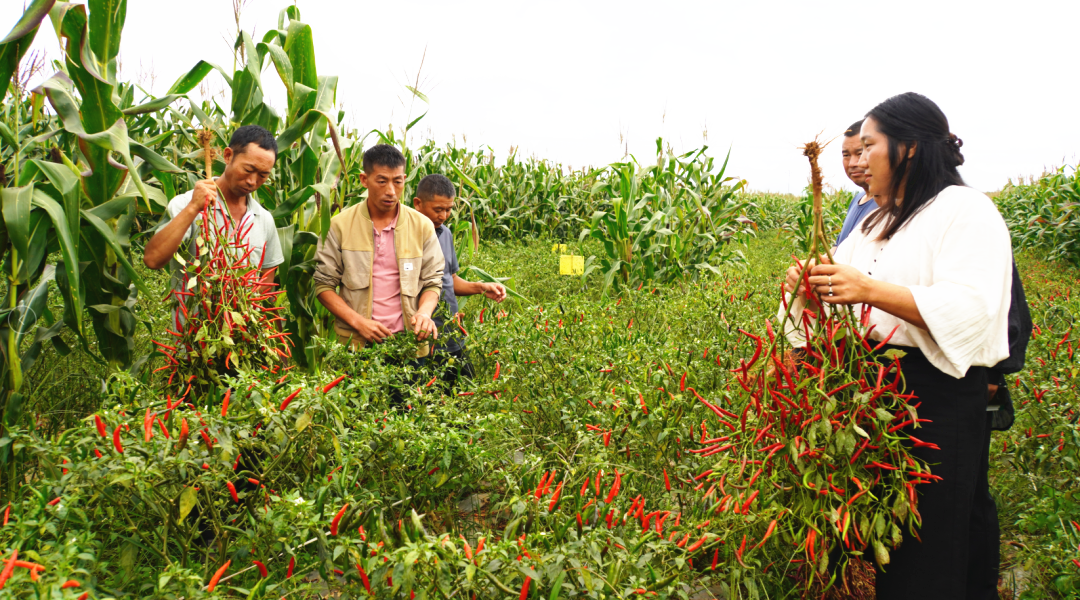
In this way, "no one can earn money without leaving the country" , many young people who used to work outside the country chose to stay in the village, the young came back, and there was more chili in the villageGrowing wealthThe channels were further widened and the entire village was followed by a new climate, with more and more pyrotechnics passing through the village。
100,000 acres of pepper, 600 million responses
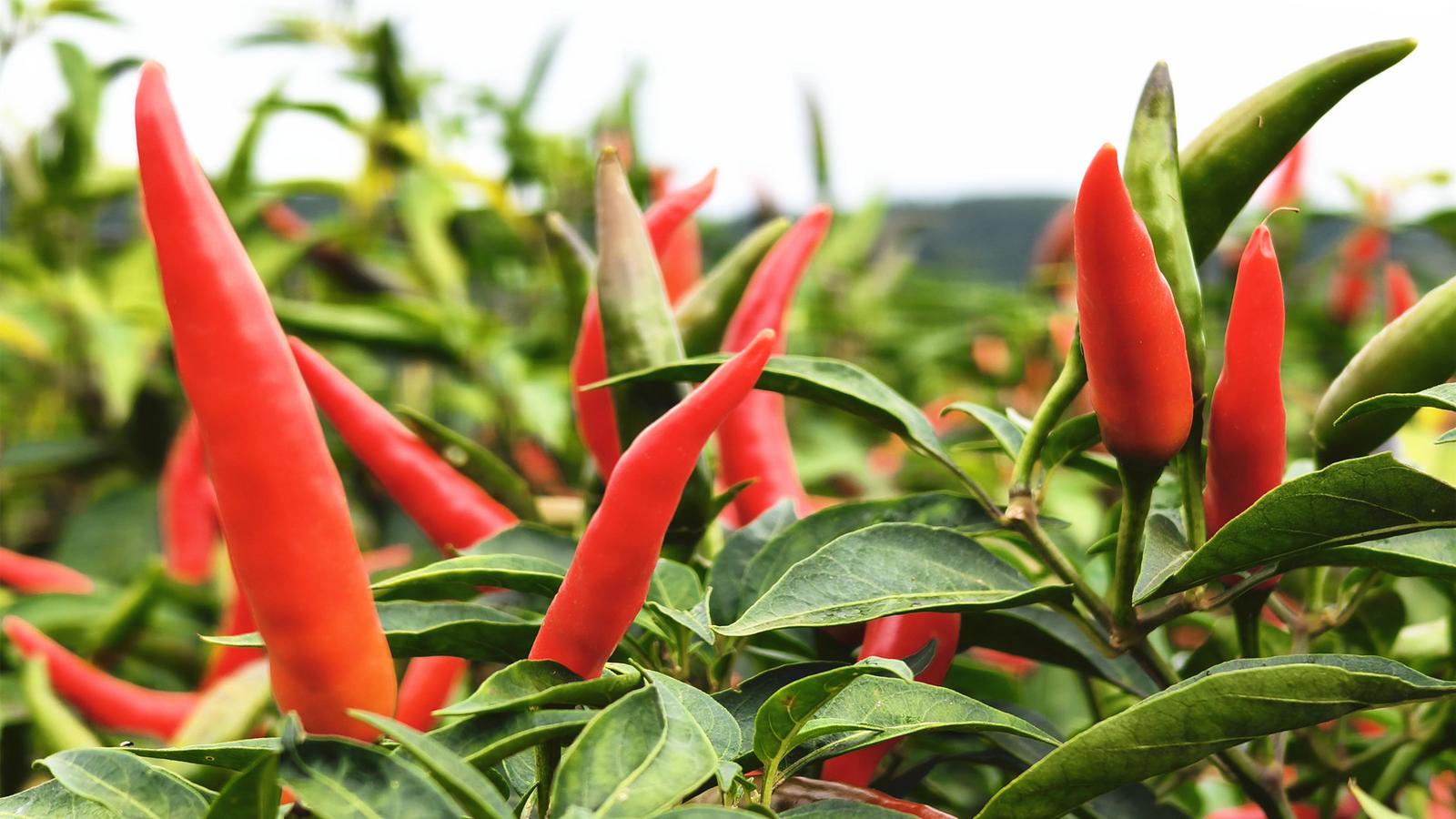
In 2024, over 100,000 acres of chili were planted in the country, with a total production of 96,000 tons and a value of more than 600 million yuan. The symbol "china's chili country" in chubei county is the most solidly supported in the village of trees, where peppers become a well-deserved pillar of the industry, with the effect of irradiating the surrounding towns。
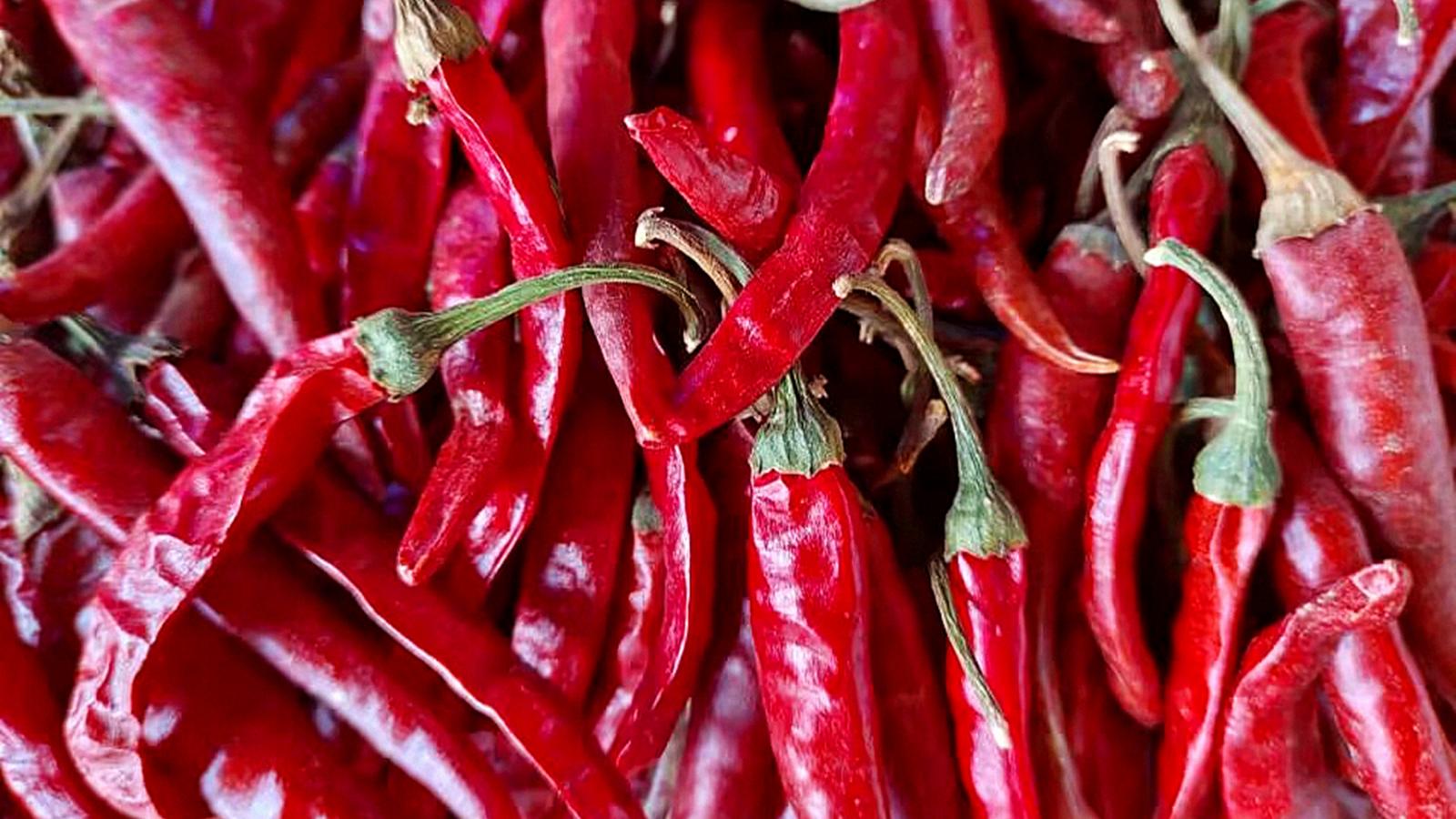
As the primary hot pepper production area in choubei, the country used a season of solid harvests to hand over the chubei response to the mansan dry. The 100,000 acres of hot saplings are a sign of the rural renewal of the rich, and more people are seeing the roots of the land as agriculture that will make it a sweet day, and this "dry of the mountain" north path deserves to be sustained and solid。
Is the biggest card point in your family for pepper growing technology or marketing? Welcome to the comment section, where you can tell us about your experience in the field, and if you think it's useful, you can pass it on to your friends in agriculture, and you can take the road to the pepper industry more widely。









