


Many people think that growing coffee trees is a tropical farm, but you can grow a balcony, a desk, a bowl of arabi kamori for a few dozen dollars, a flower in two or three years, less expensive than eating more meat, and the key is to drink the coffee you pick. And grow it to be green。
Coffee treeIndoor plantsIt fits
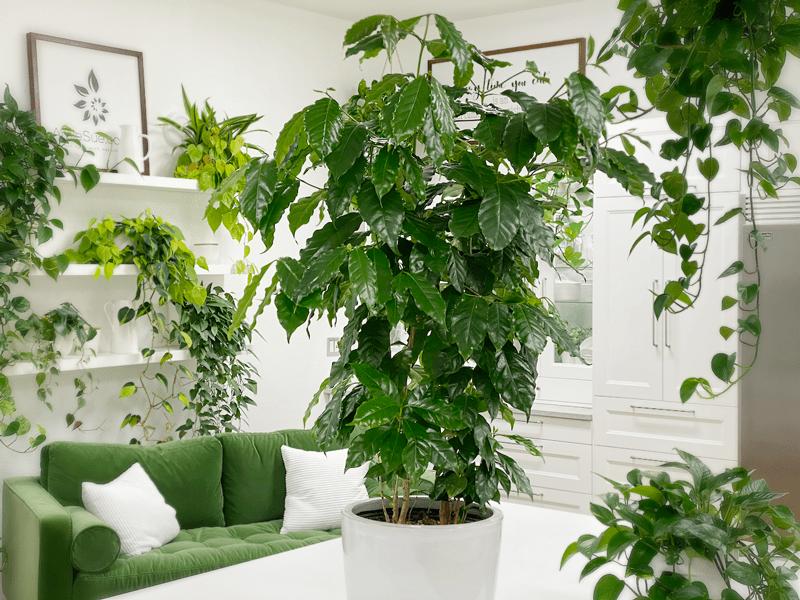
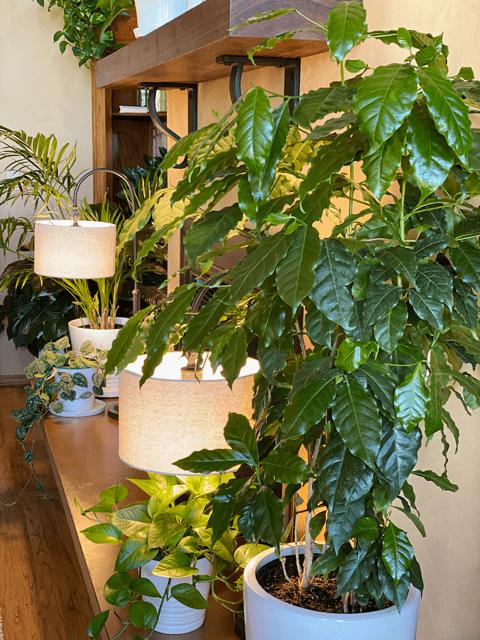
Coffee leaves are green in depth and often in seasons, with a strong view of the living room or the corner of the table, and can absorb harmful gases in the air to purify the air. It does not need sunlight, and bright rooms with bright lights and a balcony with roofs are ideal locations. You can control the strains by regularly trimming the leaves, and the desktops have a small set of arabics that are perfectly viable and do not grow in the way。
For the home-based community, coffee trees are rare, truly productive indoor plants, unlike green turtles. In the cities of guangzhou in shanghai, beijing, it is safe to stay indoor at more than 15 degrees in winter, without a special greenhouse. It pollinates itself, even if there is only one in the room, and the flowers produce fruit without hand-assisted pollination。
What about arabika and robsta
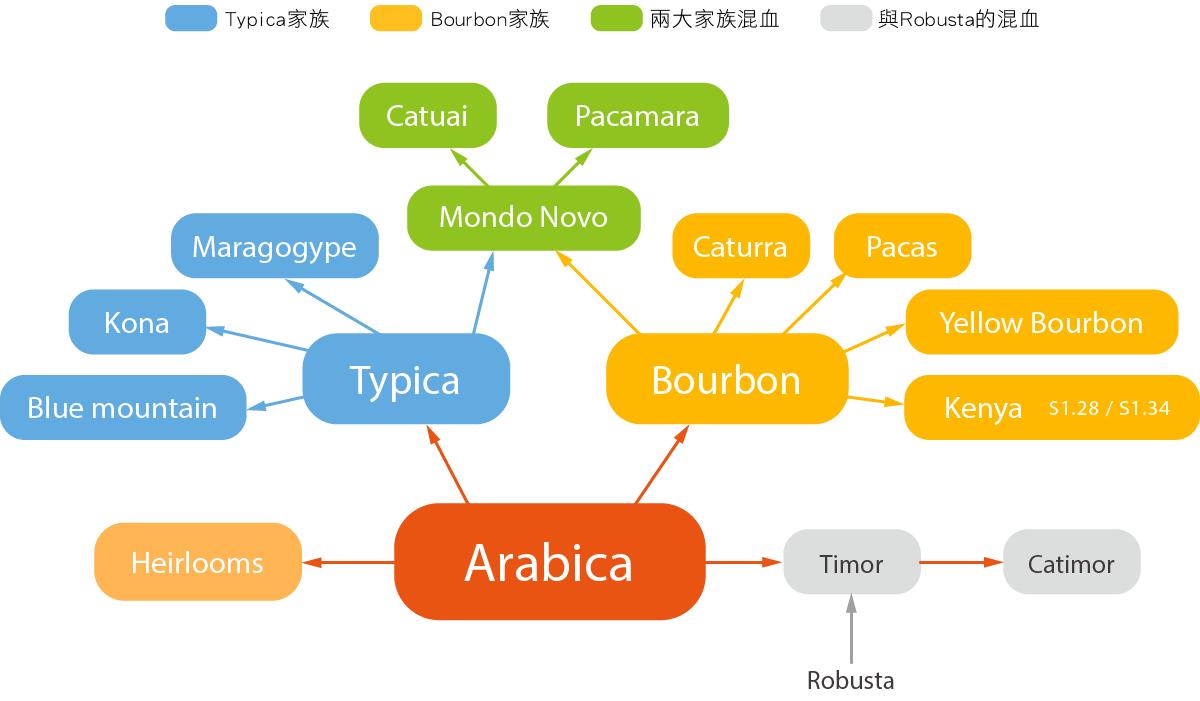
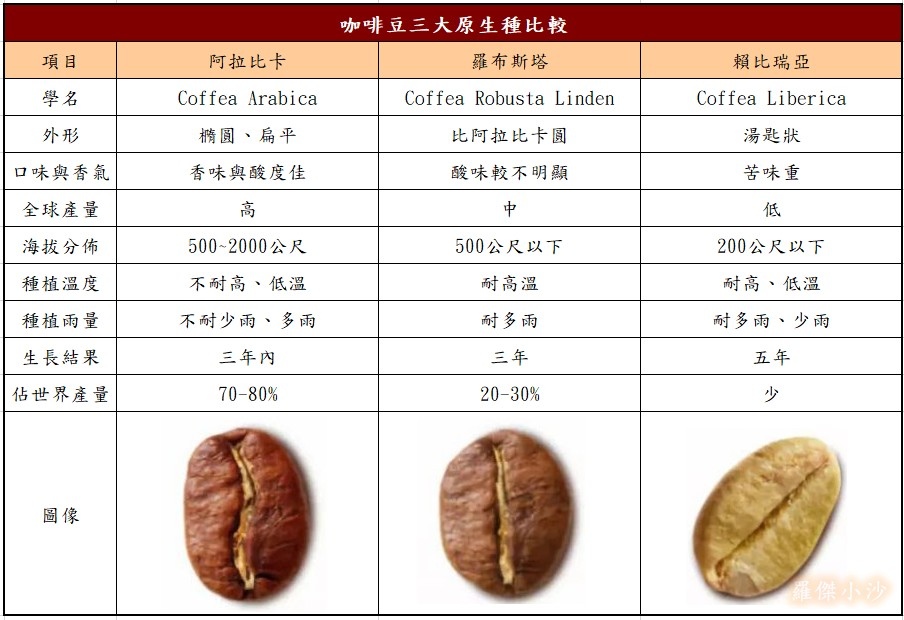
Alabica accounts for over 70 per cent of global coffee production, and is soft and acidic and suitable for family cultivation. Robsta accounts for about 25 per cent, with high yields but bitter tastes. You grow the alabica at home, which is more resistant to cold shades, less extreme for light and temperature, and can grow from the north to the balcony, where light is common, with a significantly higher success rate than robusta。
Domestic electrician platforms sell coffee seedlings in alabica for about 15 to 40 dollars a week, and robusta is a few dollars cheap. When selecting seedlings, care is taken to see whether the root is well developed and whether the leaves have a yellow spot hole, which is most likely to survive at heights of 20 to 30 cm. It's too small for a long time, too big for a plant, and it's just the right size, so just take it home and plant it in the pot。
With raw beans or directly with seedlings
The most prudent way to do so is to search for a pot of coffee or a seedling of coffee, which can range from two to three days. Buying it back quickly so that roots can be immersed 24 hours with root water solution and potassium permanganate water can significantly increase the survival rate. They then plant in a flower basin filled with mixed-baskets of soil, pour water into the dispersive light, and then slow down in about a week, before normal water maintenance。
If you prefer beans to grow, remember that you have to buy the raw beans that fall from the trees, and never go to the coffee shop to buy the beans, which have been processed and have a very low growth rate of almost zero. Tell the store it's for planting. The highest success rate is achieved with fresh coffee nuts, which, when washed clean, are grown directly into the earth, usually germinate in two to three months, much faster than dry beans。
The soil's temperature is clear
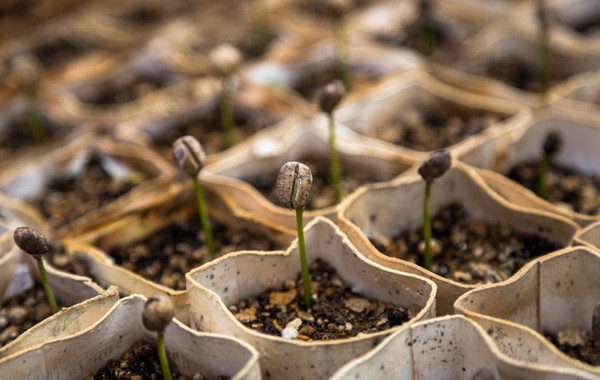
The coffee tree prefers micro-acid soils, with a ph between 5 and 6. 5 and a high nitrogen content. The purchase of general-type trophic soil can be used with a little pine needle and platinum at the bottom of the basin will ensure the flow of drainage. If the soil is alkaline, a few drops of lemon juice to the earth's surface every other week are slowly acidized. The principle of watering is that the earth's surface is dry and rinsed, that it is wet but never able to accumulate, and that more than two days of water accumulates and rots。
In terms of temperature, 25-30 degrees is the best growing range, and in spring, in march and april, planting is the most appropriate. It is afraid of the cold wind and frost, and leaves below 10 degrees in winter will go black and even fall. The light should avoid direct exposure at noon, and it would be ideal to scatter light to the balcony east or north. At more than 35 degrees in the summer, attention should be paid to the cooling of ventilation, otherwise the edges of the leaves will be yellow, affecting the subsequent normal flowering。
How long will it take to grow and harvest
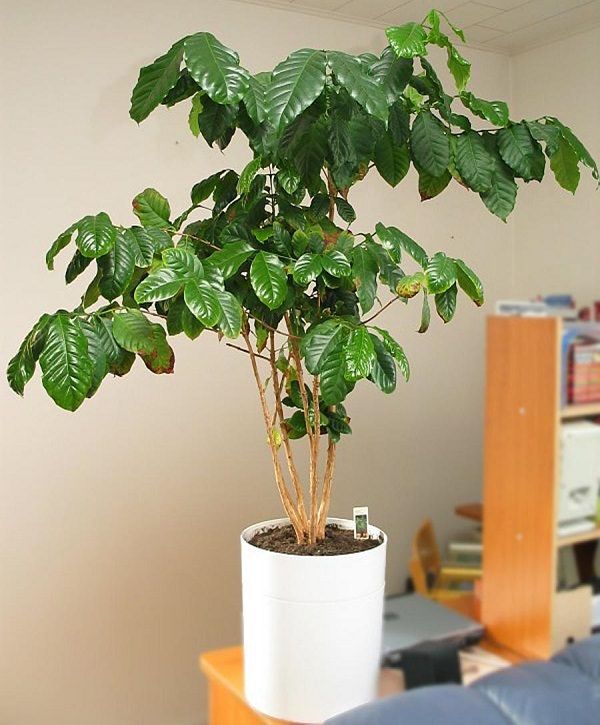
The coffee tree usually takes two to five years from planting to first flowering. The indoor pelvis is limited, and you have to trim it, and the branches are cut more than 30 centimetres, and control trees at about one metre. Outside, a mature coffee tree can produce 4,000 coffee fruit per harvest. Indoor plant production is limited by space by about several hundred, enough to drink a pot of its own。
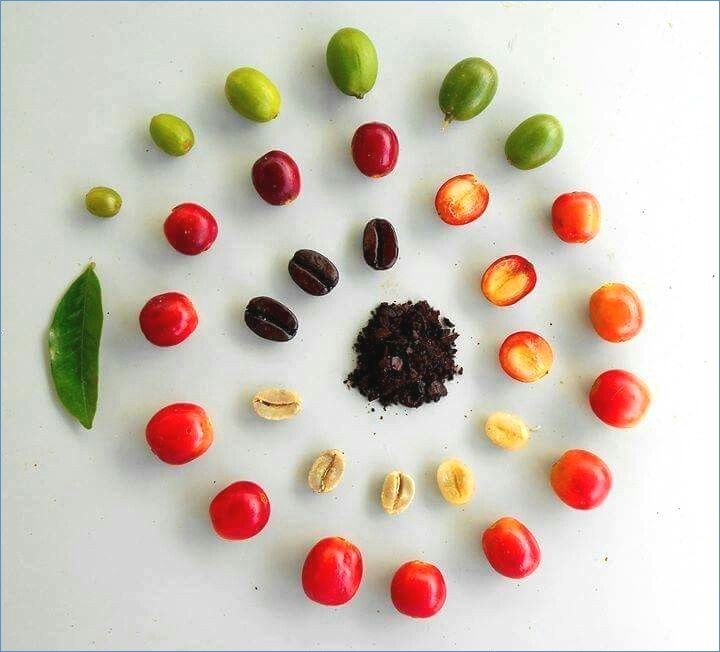
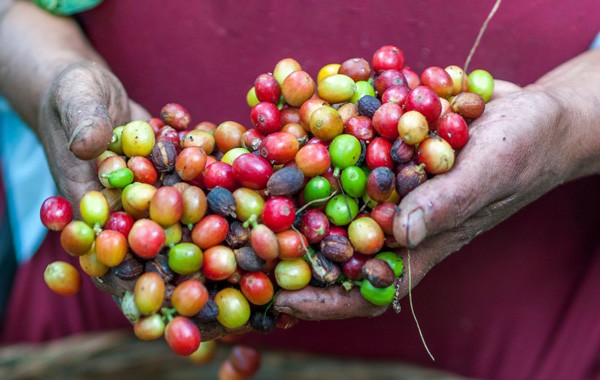
After the flowers are blooming, the white flower lasts about a week, and then produces the green fruit, slowly turning yellow and red, with a full maturity of nine to twelve months. You pick your own coffee fruit, dry your skin and dry your skin with the beans, make it 80 degrees to 10 minutes with the home baker, grind the powder and make bread with the wheat flour, the steps are not complicated, but there is an empirical threshold for each step。
It's a common question
Question one: growing up for six months without buds. The probability is that the beans themselves are defective, do not have to throw, keep moving, and sometimes take two or three months and suddenly germinate. Question two: leave the leaves yellow. It's probably too frequent to smother the water, so it's too high for the bottom to ventilate, until it's dry to half the depth, not more than twice a week。
Question three: three years is nothing. Checks for long periods of time in the dark, space is overpressed, basins are moved to dispersible balconys, and the frequency of watering is reduced to simulate the dry season. Question four: the fruit is dark and red. Cuts are too few, nutrients are separated from extra leaves, half the branches are cut to concentrate on the fruit, and the next season is normal。
How tall do you think your balcony or your desk is? Who's going to buy the first coffee beans of your own? The comment section would like to talk about your planting plan。









