


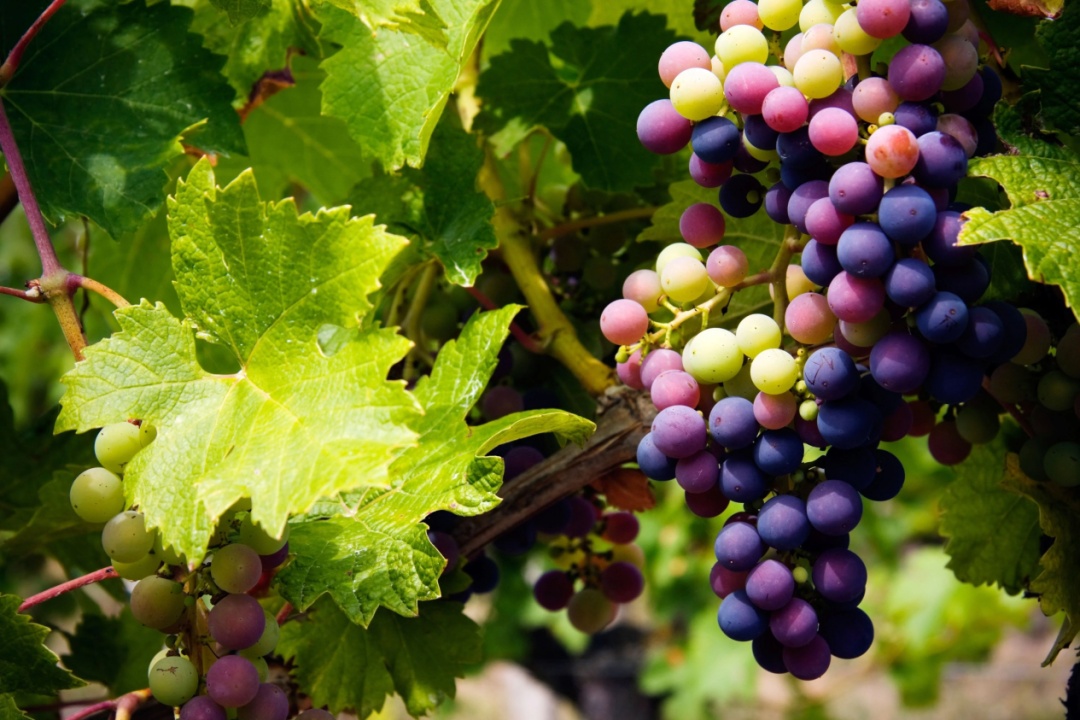
Many of the florists planted a grape seed on the balcony, watering the sun and waiting for the fruit, and two years later even the ears of the flowers were missing. Most of the problems arise from the fact that the varieties are not correctly selected or trimmed and that the whole process of planting the hormonal grapes from the balcony to the food below is broken down into six stages, as long as it is done。
Selecting the right species is the first step
The balcony space is limited, so don't come up with the big fruit-pee varieties. The country's flowers are most widely used by its flower friends, namely, the peaks, the sun roses and the summer blacks, among which the sun roses are highly sweet, but it takes three to four years to stabilize the nuts. The balconies are filled to the south, and the sun roses are chosen; the sun is only tanned for four or five hours a day to the east, and it is more secure in the summer black, and it is not so hard on the light as it matures。
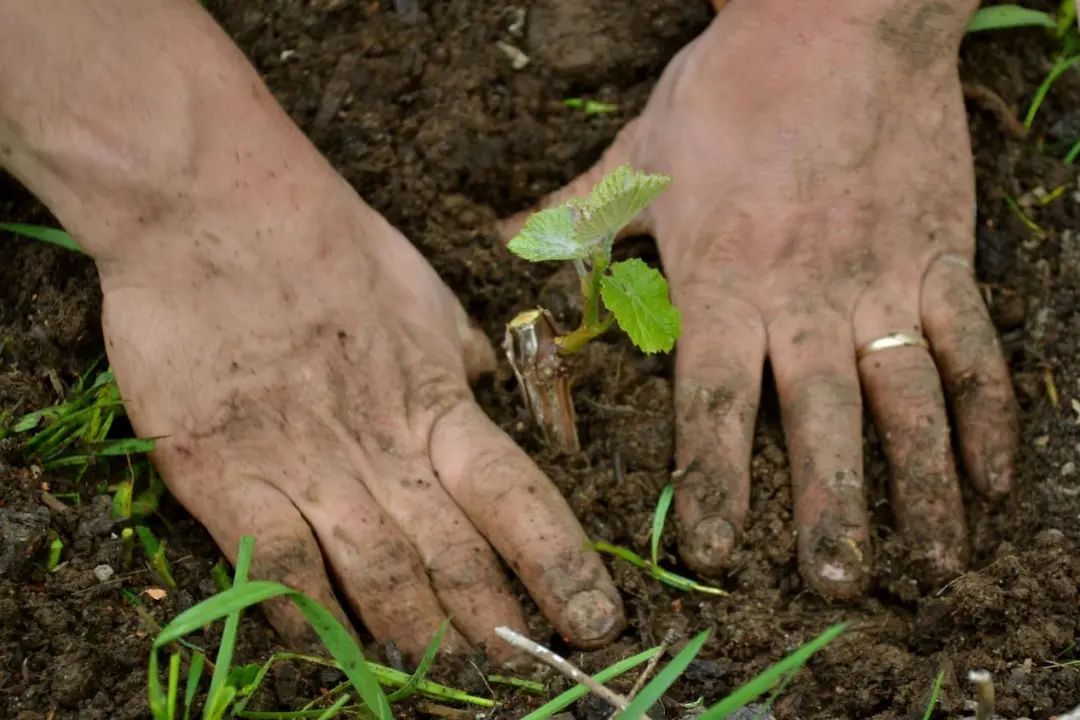
In the southern part of the country, the minimum temperature in the winter is 10 degrees or more, and in november it can be grown directly. In places such as beijing and zhengzhou in the north, plant winters must be moved into closed balconyes or indoors, with room temperature maintained at more than five degrees, otherwise freezing can drag two to three months in the coming year. The selection of seedlings is carried out with care that the root system is full and that there are no mechanical injuries and the difference can be dramatic。
The flower pot and the soil will be fine
The potted grapes are the ones most afraid of the small slabs. It is recommended that the drainage be made of pottery or plastic gallons with a calibre of not less than 40 cm or more, with three to five cm of shredded bricks or ceramics laid on the bottom of the basin. The soil formulation remembers this ratio: 40% of the earth, 30% of the leaves or coconuts, 20% of the pearl rock, 10% of the decomposed goat dung, and ploughing and replanting, with enough aerobics to be able to plough down。
The seedlings are put in place so that the roots are soaked that the soil is filled deep into the basin. Once planted, the soil and roots are poured out, but the bottom of the basin must not accumulate, and the roots will rot for three or four days. In the first two months, don't rush to fertilize until the new steps are 20 centimetres or more and two pairs of real leaves grow, or the chances of burning the roots are very high。
Fatty follows the season
Water can't be watered with feelings. It is no longer necessary to keep the soil wet during the spring season; the dry areas of beijing and zhengzhou are almost daily during the high temperature period from june to august, and it is best to avoid the midday sun after 5 p. M. Winter temperatures have fallen below five degrees, and two weeks of permeable water is enough, and it is more dangerous to suffocate the pots than to lack water, so don't feel bad about it。
Fertilizing is four words: hard work. During the growing season every 10 days, general-type water soluble fertilizer is reduced by half to water in terms of the certificate, so that it is not spilled over the basin and leaves are burned in the summer. The fruit swells from july to september and is supplemented once a week by potassium phosphate, at a concentration of two parts per 1,000, and the sprayed leaf is also rooted, and the fruit is significantly sweeter than the colour。
The light and the temperature are good
Grapes are strong light crops that require direct light for at least six to eight hours a day, with only three or four hours of dispersing light on the balcony, which basically does not count on normal cloisters. If you can put the south balcony on the south balcony, you can have the next two or three of the most toxic hours of summer. In terms of temperature, european varieties such as chong ha joo are unsatisfied with heat, and the peaks such as asia are more resistant to cold, so that your latitude is not overlooked in the selection of varieties。
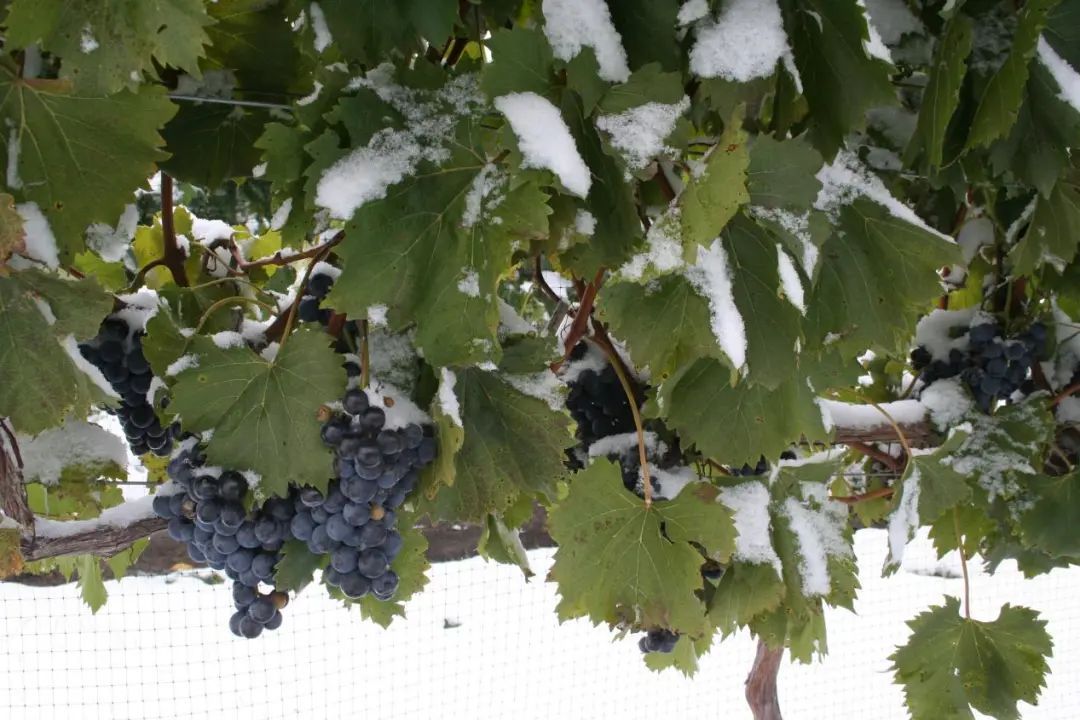
And there's an easy point to ignore: there's different parts of the grapes that are cold and hot. The roots are the most frozen, and the north is the one that can carry 20 degrees below zero, but the flowers are the most delicate, and the springs fall and the cold fall. So if there are forecasts of less than two degrees below zero in march and early april, it would be better for the balconies to wrap their ears in old cloths or temporarily move into the house, a step that cannot be avoided。
Don't be lazy
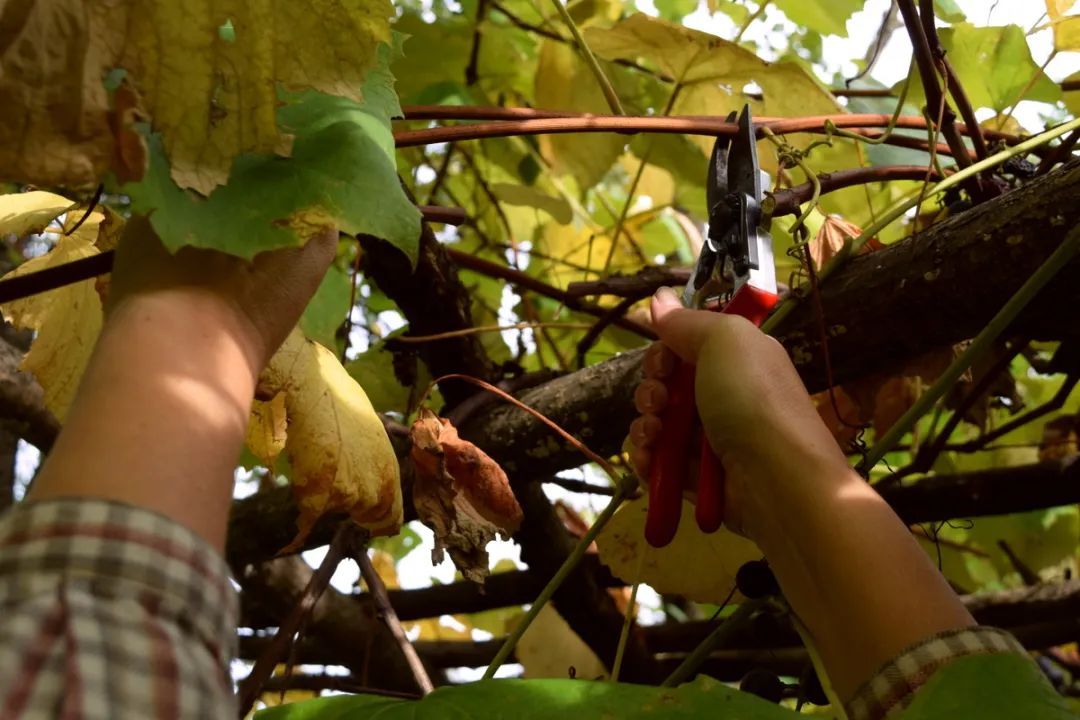
Three cuts. Intracting is a main chicken fan or a single dryer, with two or three main chickens left; the most critical is the summer trim, removing extra stalks, controlling the longness of the heart, strangling more than 20 centimetres of the ears and concentrating the nutrients for the fruit; and re-cuting the leaves after winter, leaving eight to ten buds each for the next year. There are different types of shears, and the sun roses are thinner。
Zoran fruit is the most direct link to quality. Before and during flowering, each drug is sprayed, with a focus on black pox and asyx. Two weeks after the seat, the fruit begins to be fertilized, and the grains of each ear, from 800 to 1,000, are reduced to 400 to 500, and the thick whole ear is removed. It is important to keep up with the water during the period of expansion, while removing the small malformations of the sick fruit from each other, so that the remaining ones can be evenly coloured。
Don't worry about the bag
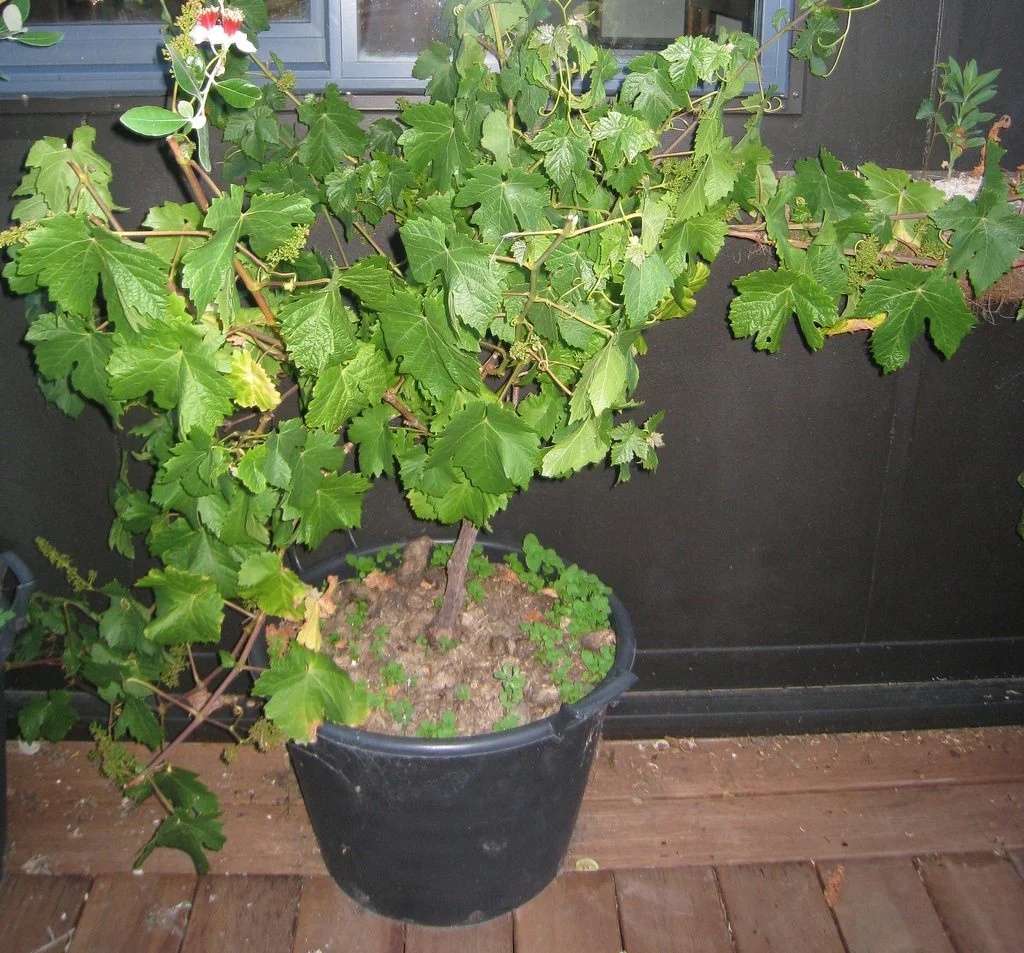
It's time for the fruit to expand and the grain to the soybeans size. An air-breeding composite paper bag or a special grape bag, which is preceded by the clean-up of the bushes and a tight bag. This step reduces the exposure of the disease by preventing the burning of birds, which is far less than repeated administration. In july and august, the green-blind elephant had a high gestation period, with an early spray of aphid in the bag。
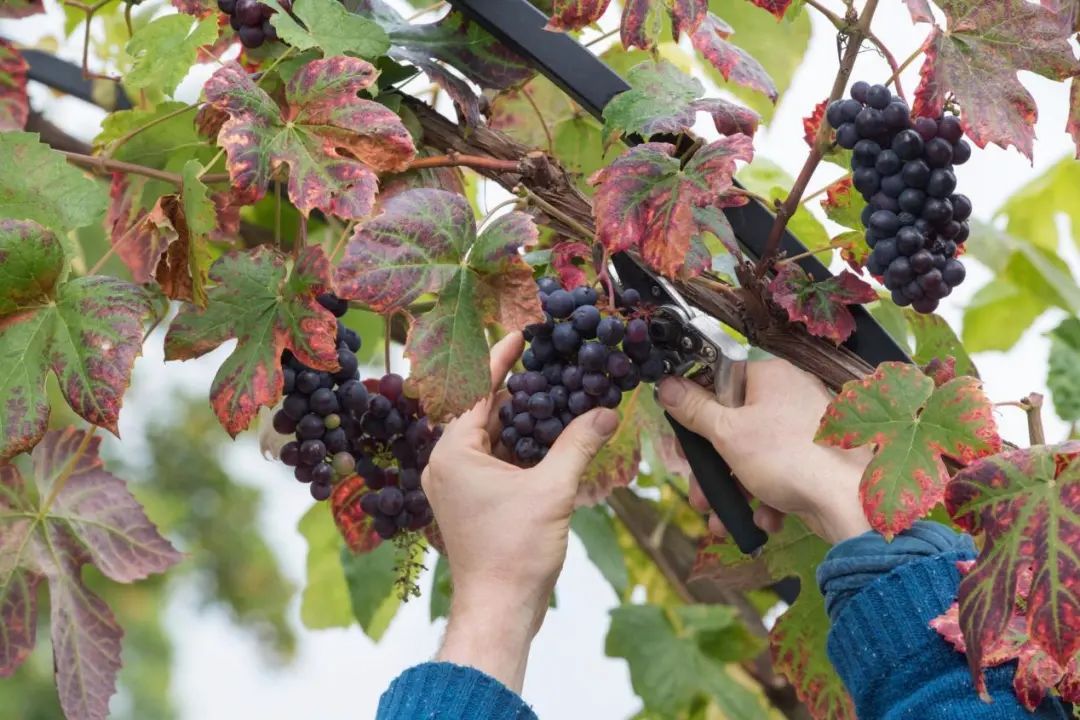
And don't forget the bag. Open every 15 days to see if the face of the bag has been bitten by a bug and if there is any mold in it. It was discovered that the contents were very wet and that a small hole in the bag had to breathe in the evening. Grapes usually reach maturity in mid-september and early october, when they are taken off in the shade for two to three days, and the sugar can rise a little bit more, with a different taste from that just taken off。
Have you ever grown grapes on the balcony? What kind of species have you chosen to eat for the first time in years? Welcome to your experience in the comment area, if you think it's useful, you'll have to show it to your friends who want to grow grapes。









