


The chinese-asean dialogue marks its thirtieth anniversary, and the 18th east expo opened in october in nanning. But the best cross-country story is not a signing ceremony on the stage, but a guangxi old farmer who went to laos to grow 30,000 acres of bananas, pulling local people's annual income from $1,000 to $30,000。
From ronanaki to guangxi banana king
Lu yizhen is from the town of narin in lonan county and contracted to plant bananas on land in the 1980s for over 40 years. He now has bananas, flamingo nuts and citrus samples in his estate, with a total area of more than 80,000 acres, and almost no one in his circle mentioned banana cultivation as "the banana king"。
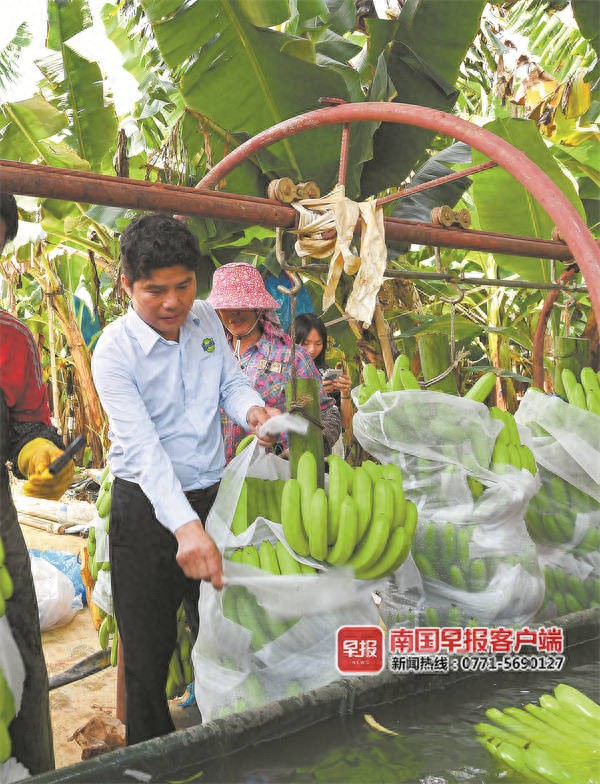
The domestic banana market has been shifting over the past two decades, with prices rising and falling, and growing numbers of growers are beginning to look overseas. Lu yizhen himself went to south-east asia in 2015 and returned to the table and decided to plant bananas abroad。
Why laos
In several asean countries, lu yi jian found the country most appropriate: the soil climate was close to guangxi, all seasons were productive, geographically close to guangxi, and there were zero tariff preferences. After he led the way out, a group of businesses and farmers went to lao rental land to plant bananas。
The northern lao province of udomsai is close to nanning's latitude, but bananas appear on the market at the same time. Nanning bananas were born long ago in june and were only on the market in august, and the fruits on the lao side coincided with the two seasons, so that domestic consumers would not have to wait so long to get fresh fruit。
Words don't make sense. It almost did
As soon as they arrived in laos, the team relied on translators to communicate with the locals and was not very effective. Lu yi jian said that "there is no local rainfall" and bananas are fine crops and translation misss the best planting window. In four years, he had sent over 200 managers to laos, who had been cold for the first few years, and the wholesale price had dropped from $5 to $3. 1 kg。
Apart from language, road conditions are a major challenge. Bananas are afraid of heat pressure, poor road conditions and high transport losses in the lao mountains. Lu yiqing has spent several years slowly coming out, and now the base manager has been able to talk directly to farmers in lao and has long been free of translation。
100,000 acres of overseas orchard running steady
After many years of searching, lu yizhen stabilized 32,000 acres in oudomsai province, growing flamingos, citrus and sugar cane in addition to bananas and returning to the country when they mature. The nanning banana enterprise has now grown 100,000 acres overseas。
According to lao media reports, bananas were the highest-income local cash crop, with exports reaching $134 million in the first half of 2021. Lu yizhen said that the local authorities and the farmers were welcome and that the collaboration between china and the lao people's democratic republic had improved over the years。
The locals have doubled their income
In the past, the average annual income per person in rural laos was less than rmb 1,000, and the number rose to rmb 20,000 to 30,000 after the banana plantations were established. Lu yiqing's company has evolved from a purely pluricultural to a diversified industrial group, creating a large number of permanent jobs on the ground, with considerable support from the government。
For guangxi, the asean base filled the gap in domestic banana supplies, with more stable prices and more consumer choices. There has been a marked increase in the resilience of the entire industrial chain to the risks associated with the two production seasons。
Two people can handle 20 acres
Lu yizhen moved the self-developed drip irrigation system and the air-moisture sensor to the lao orchards, allowing remote access to all planting data as soon as the mobile phone app entered. Two people now manage 20 acres of banana land, which is several times more efficient than traditional models, and has reduced human costs。
The institute sits in its domestic office and adjusts its irrigation and fertilization programmes based on data sent back by sensors, all of which are better fruit, taste and sugar. Lao media specifically reported that china's banana plantations are the most advancedSmart agricultureFacilities that inject scientific and technological power into local agriculture。
Are your friends in agriculture planning to go out? Where do you think the next asean country is worth setting? The comment area would be welcome to talk, and if it was useful, it would be transmitted to him with a compliment。









