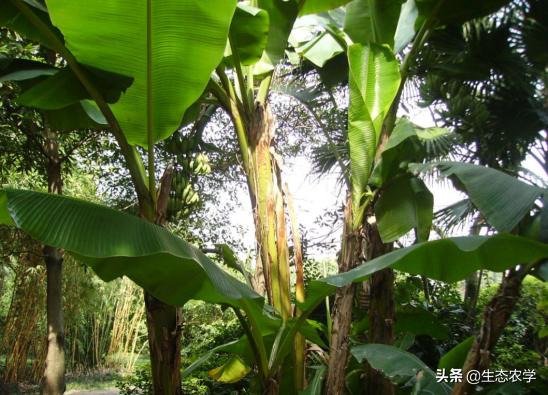
A lot of people think bananas can do anything if they stick it in the ground, and they either grow small or they're all rottenSpeciesNo, no, no, no, no。
It's not a choice
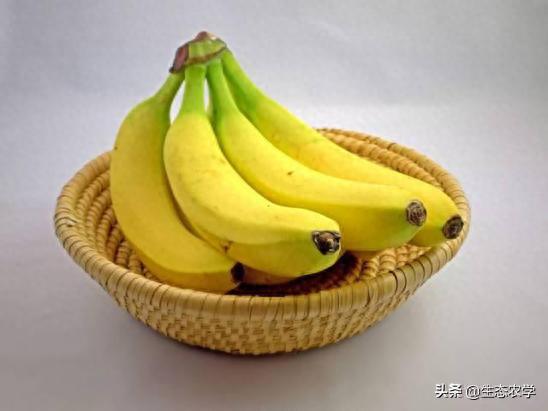
There are currently three main directions for the country's extensive banana varieties. In guangdong, where fruit farmers are the most frequent, this variety is long and transport-resistant. In 2024, the chai river exported more than 60 per cent of its exports, and it is difficult to break the cold chain to the north. However, it requires a large amount of fertilizer, with an acre-tracking at a cost of $300 to $400 more than conventional varieties, a poor wind resistance and the need for the typhoon season to be reinforced with ropes in advance。
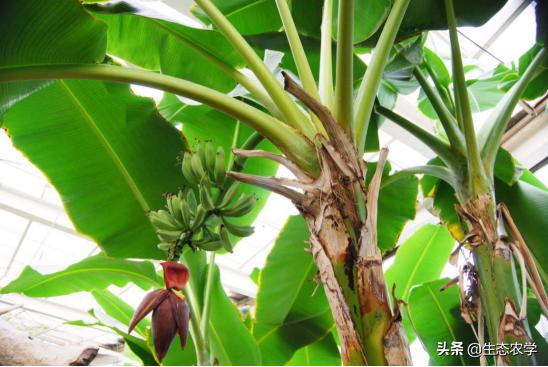
The cactus is another wider variety, with plants 30-40 centimetres higher than the tail, leaves wide, fruit skin thick, and long-distance transport that is not easily black spots. Life spans between 10 and 15 days, and harvests are pushed back by one and a half months. In 2023, a logistics loss rate of 300 acres of cactus base in henan lok east was 3 per cent, up from 8 per cent in the tail, but with a low sugar fraction of 5 points and a slight loss in retail sales of fresh fruit。
OriginIt's decided if you can plant it
Bananas are a typical tropical crop, and there are four sites in guangxi, guangdong, hainan and taiwan where there are real large-scale domestic plantings. In 2024, guangxi produced more than 60 per cent of the country's total output, while zhong left and 100 colours were the main production areas. Sichuan and guizhou, with small cultivation, are largely home-grown, three or five crops that do not produce commodity fruits. In the north, the only way to grow is to heat up the shed, with an acre three to four times the input, and the output may not be able to catch up with the southern open seed。
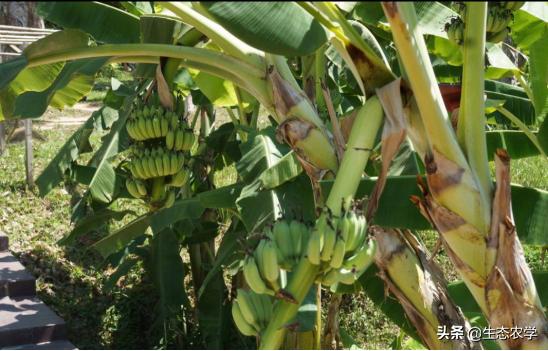
Here, let me remind you that the origin is not just a concept of geography, but the whole cold chain and logistics chain behind it. The bananas from hainan and taiwan leave the island to travel by cold chain to the north supermarket, with temperature controls ranging from 13 to 15 degrees centigrade throughout the journey, and black out when cold exceeds four hours. So the choice of origin is right and the transport links match, otherwise it's beyond the reach of consumers。
Temperature and light are lifelines
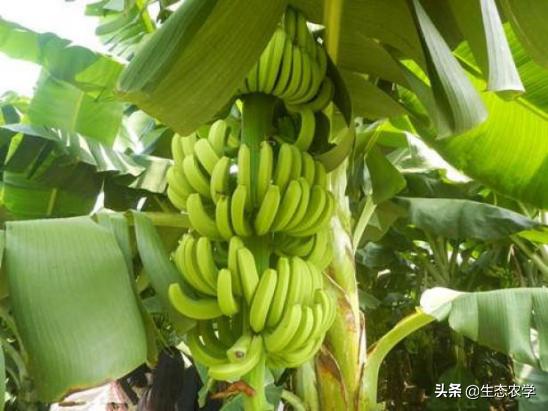
Bananas are very sensitive to temperature, and plants are largely stopped when average daily temperatures are below 13°c, freezing occurs below 8°c and leaves have yellow curls. The fruit farmers in guangdong and hainan generally used mid-november to the beginning of the following february as a "hypnotic period", during which they did not catch fat, mainly by covering the herd with a membranes. The light, which is effective for less than six hours a day in the back slope, increases the maturity of the fruit by almost two weeks and does not allow for sugar。
In 2022, a low-temperature weather in guangxi and 100 colours averaged nine degrees a day for five consecutive days, causing a massive freezing of more than 2,000 acres of bananas in the region, which reduced production by about 30 per cent during the current season. Subsequently, a number of fruit-farmers planted a circle of lumber around the orchard as a wind-proof forest, while deepening the drain to 20 centimetres, with losses under the same weather reaching less than 5 per cent the following year. Temperature management doesn't just grow and it's done。
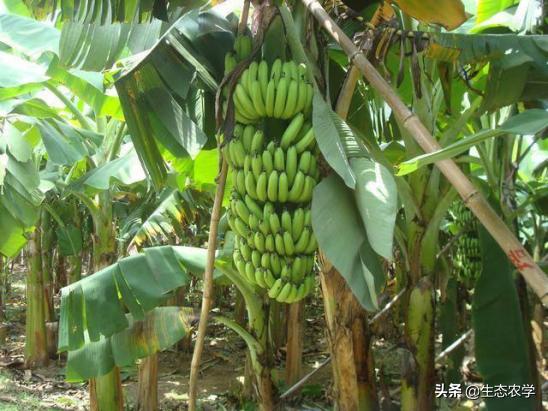
Avoiding the wind is a top priority
It's not an exaggeration to say that several varieties are less resistant to wind. Bananas are staggered by layered leaves, without real wood fibres, and leaves above class 7 are torn apart on a large scale, and class 8 winds may pull down the whole plant. Taiwan and hainan are the main target of defence each year at the hurricane season banana plantations. In 2023, "dhusuri" swept through taidong, damaged more than 1,000 hectares and caused direct economic losses of over $100 million。
In practice, fruit farmersLocationInsofar as possible, the wind vents and ridges are avoided and priority is given to the location of back hills, valleys or large forest margins. The plots already on the wind vents are divided into lots of pheasant, coconut trees for wind belts of 50 metres. The growers of the yangtze river in guangdong also tied their mantles with nylon ropes to the bamboo poles before the typhoon, at a modest cost but saving the next half of their losses。
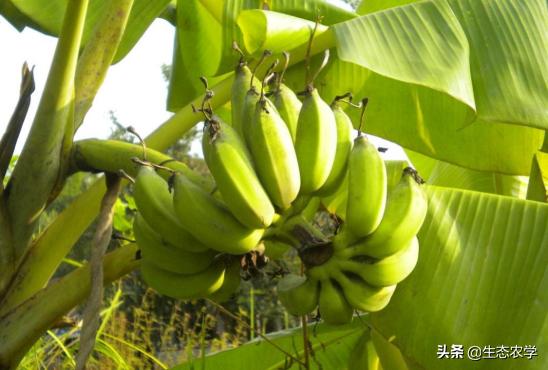
Water and drainage is a balancing technique
Bananas consume up to one ton of water per day during booming periods and require three to four tons of water over the long term, the most expensive type of common fruit. However, bananas are shallow, usually only 40 to 60 centimetres below ground, and the water piles at the root for more than two to three days begin to decompose. In 2024, in the south and south of the sea, there was a series of rains, and the fields of the fruit farmers were blocked by weeds, which did not leave them for 48 hours, and an acre was decomposed by nearly 200 seedlings。
When the earth is chosen, the sandy sandy soil, which is soft and permeable, is the first choice, and the clay of clay is to be made high in advance, and it is to be raised by 40 to 50 centimetres. In irrigation, the main areas of guangxi and hainan were largely replaced by drip irrigation, with an acre using 40 per cent more water than the bulk of the water, which was delivered directly to the roots than to surface water. An additional $23,000 was spent on a single acre, but the water saved and the loss of rotting roots returned to the capital in a season。
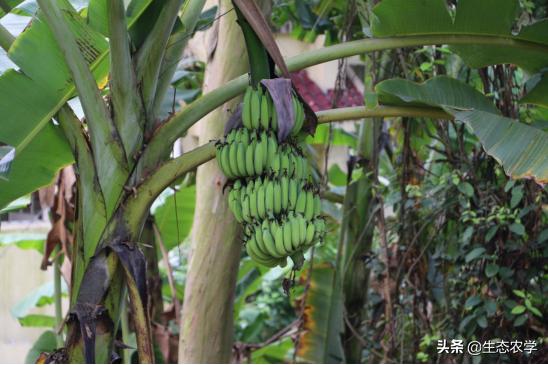
I'm going to plant my own plot
A lot of freshmen get their hands on the ground, and they have to do three things first. The first test of soil alkalinity is for bananas that are suitable for ph at 5:05 to 6:05, and for alkalis above seven years before the gravitation. Second, the groundwater table, which is more than 80 centimetres of land, is largely abated during the rainy season and requires deep draining or outright diversion. Thirdly, if there is a source of banana atrophy within a kilometre, then it will be sterile, or two years later it will probably be completely destroyed。
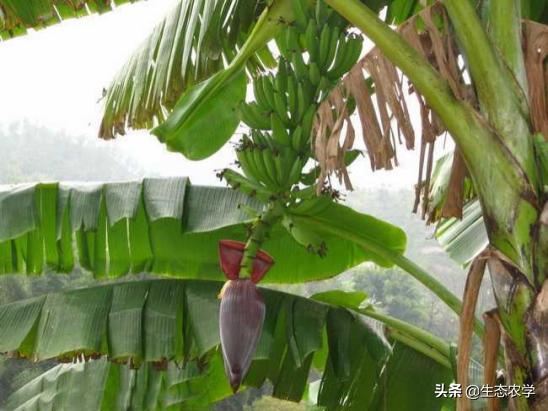
In early 2025, a growing family in yunnan dehon, who did not perform soil tests, planted 200 williams directly on a ph 7. 2 plot, dwindled large areas of yellow leaves in the third year, and asked the farm station to look into the fact that the soil alkalin and drainage were not well and the roots were black. They'll have to pull out all of them and recultivate them for over a year. A few hundred more tests in the previous period will save you tens of thousands of dollars。
If you're going to plant bananas, what's the worst thing about it is species selection or soil management? Welcome to the comment section about your situation, and if you find it useful, you'll have a friend who wants to grow bananas。