



620 from the kunming plant institute of the central institutePlant mapThe commercial print library was officially published. It doesn't teach you how to plant flowers at home, but it tells you what to look at at at kunming botanical gardens, where to look, what months to see them. It is much more practical for tourists and plant lovers than a general planting manual。
From 1938 to today's kunming botanical garden
The kunming botanical garden, which was established in 1938 and belongs to the kunming plant research institute of the chinese academy of sciences, is one of the first scientific botanical gardens in the country. It is based on the cloud highlands and mountain breakers and is aimed at the tibetan highlands and the himalayas. It combines scientific research, species conservation, science and public awareness. It has been established in the south-west of the region for almost 90 years. It is the core site for research and the observation of plants in the region。
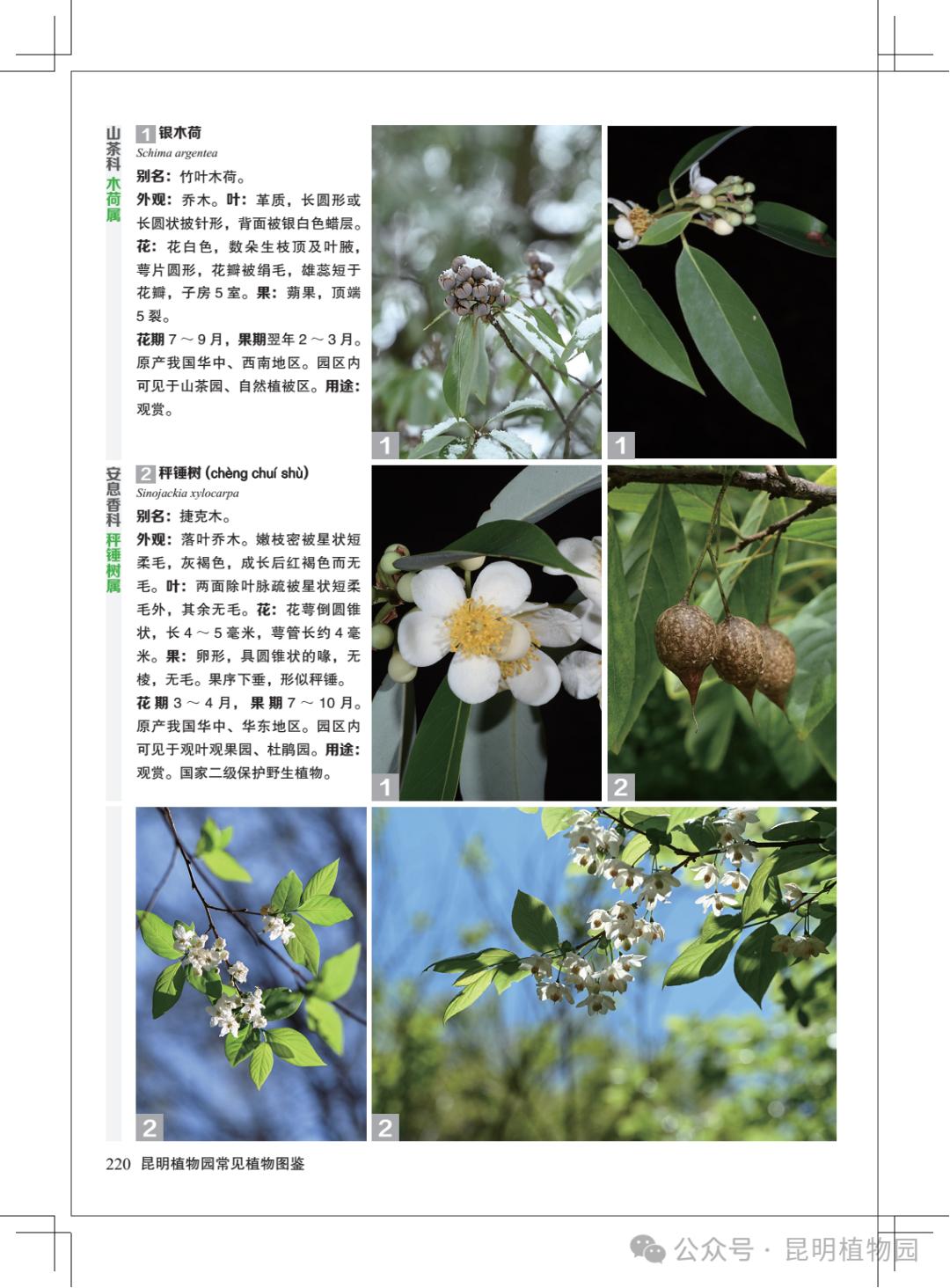
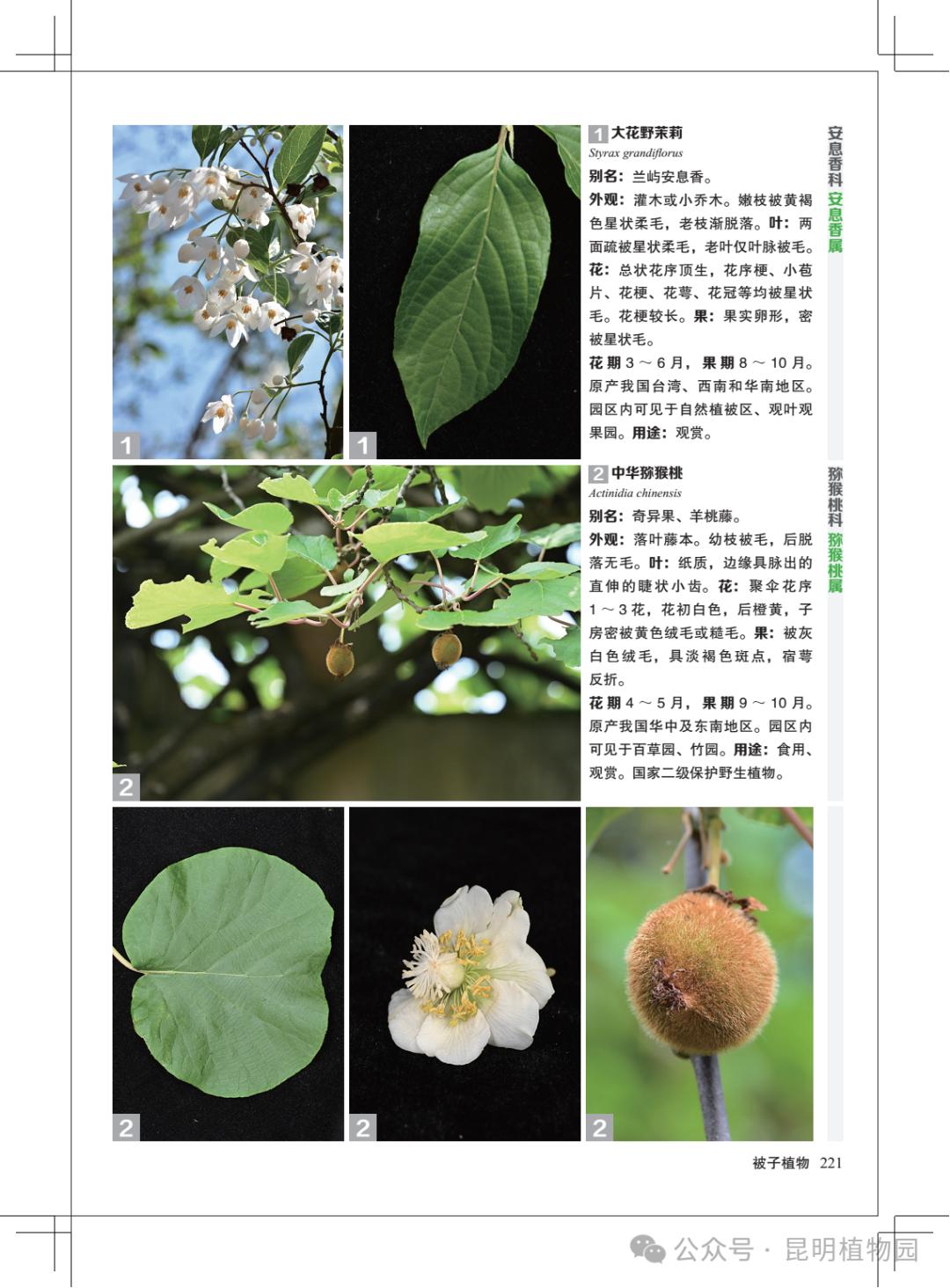
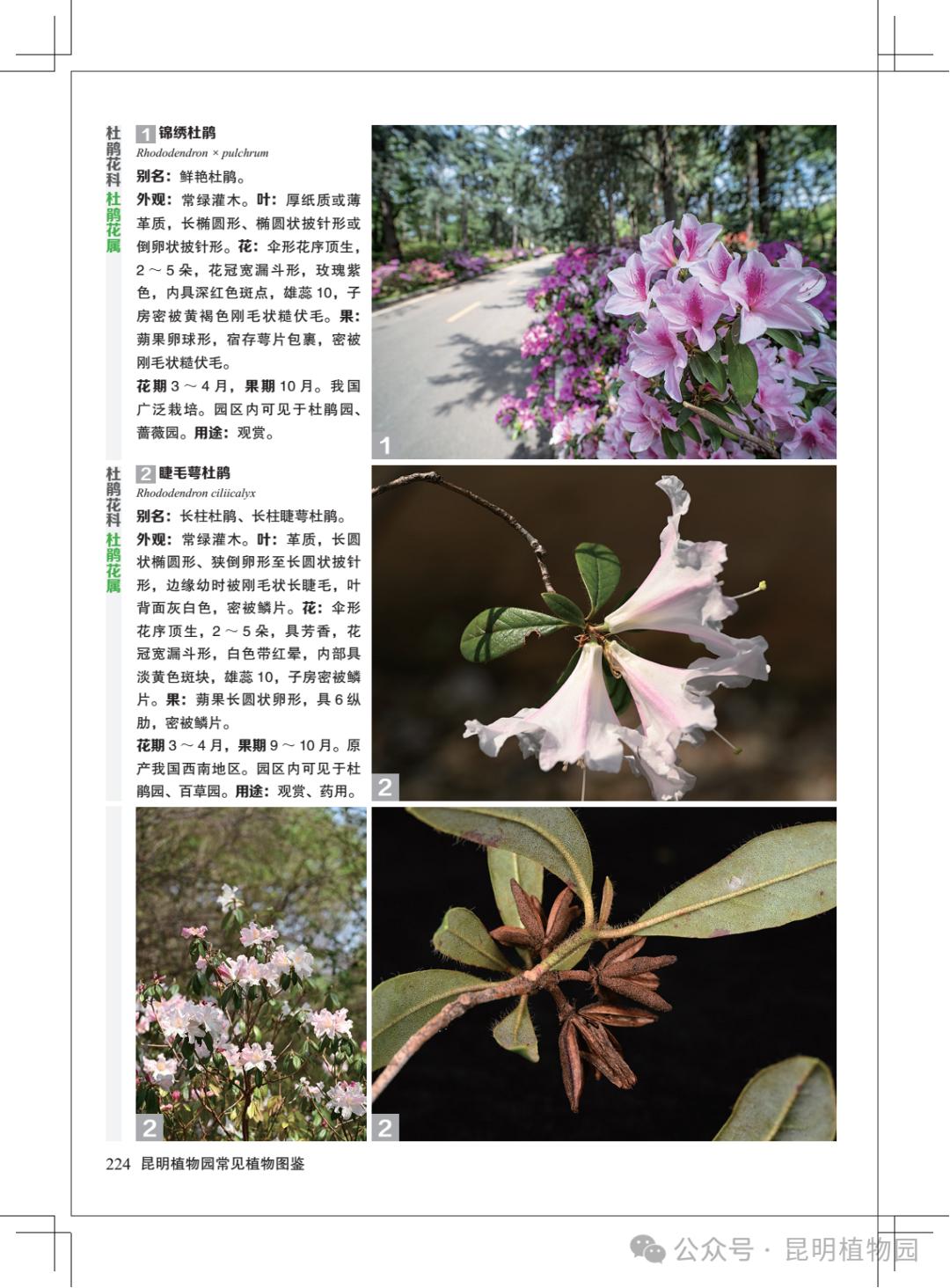
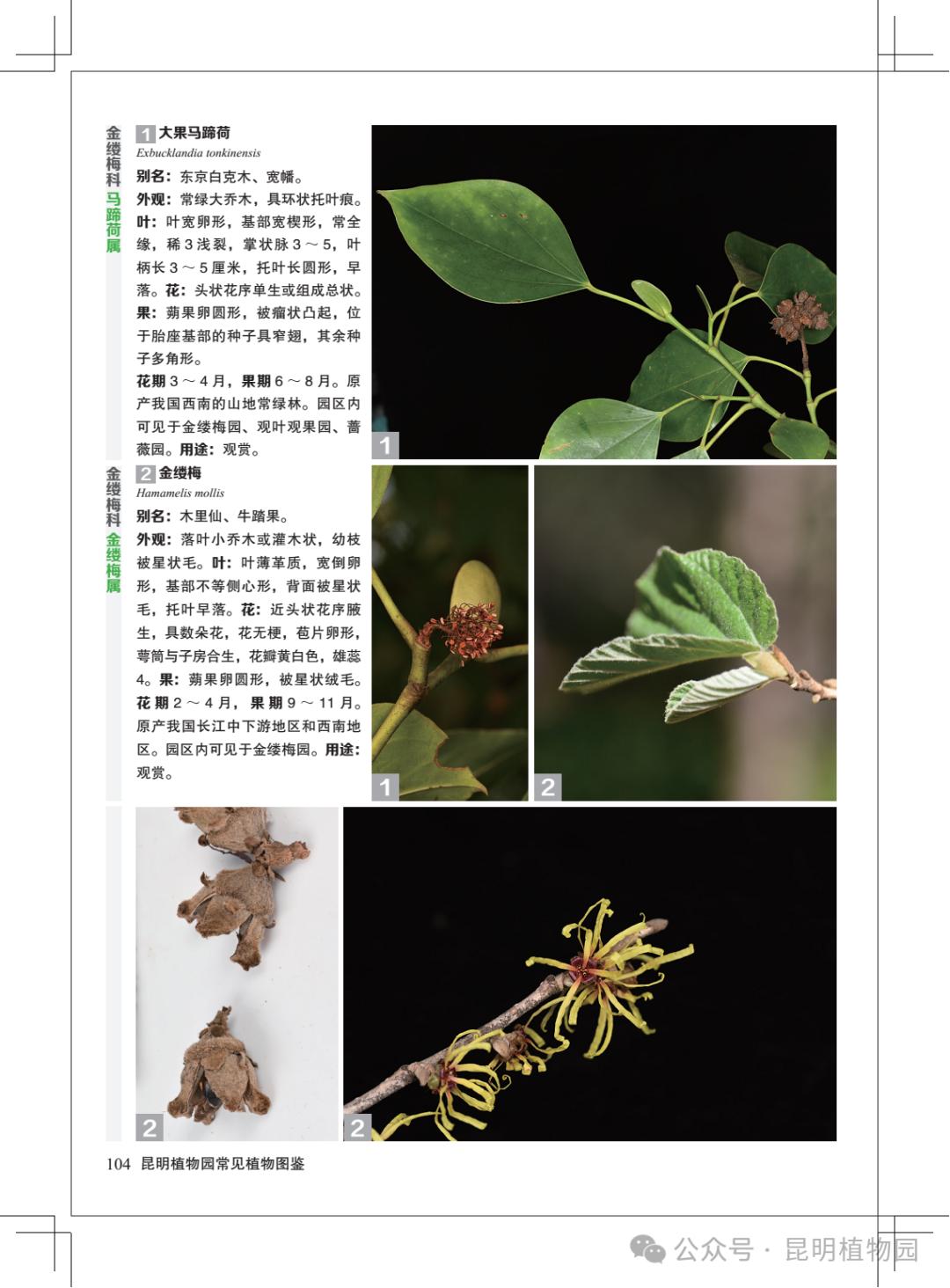
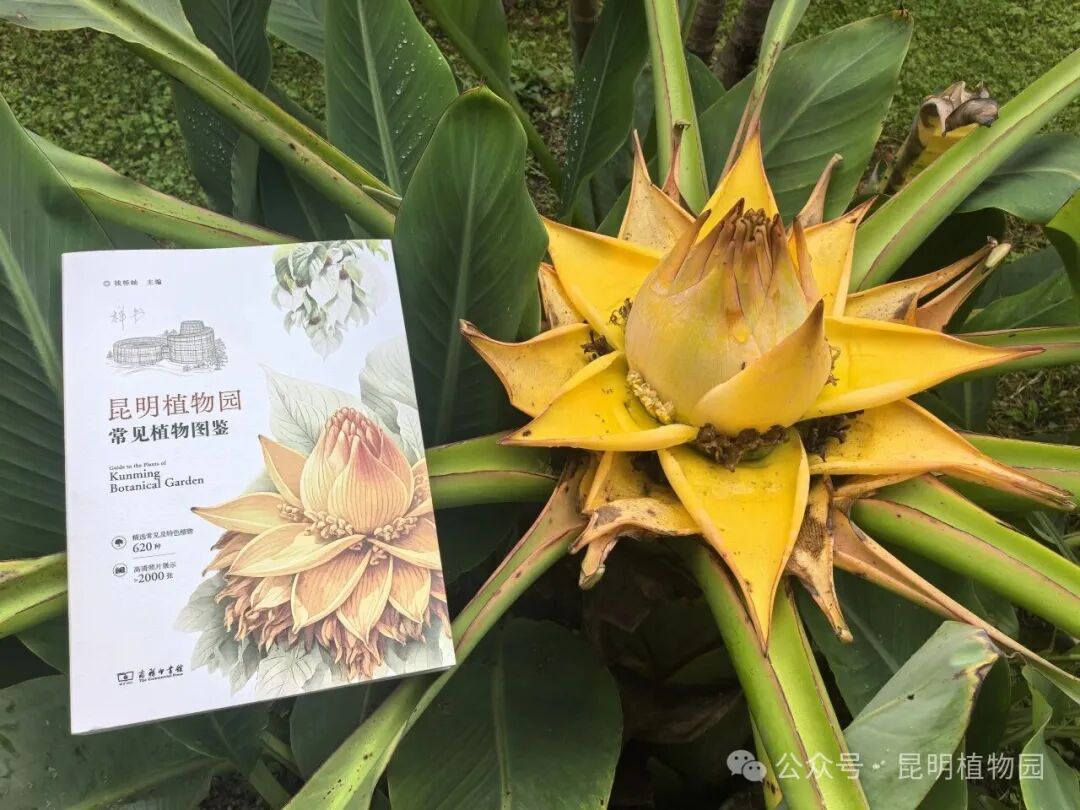
The book, common botanical maps of kunming botanical gardens, was published by the business print library, which is the main author. The author team selects 620 of the most common, representative and rewarding species income books from thousands of plant-care items in the park, with high-resolution photographs showing identification features, as well as specific observation positions and schedules in the park, as tools for teachers, students, tourists and lovers。
How did you pick the 620
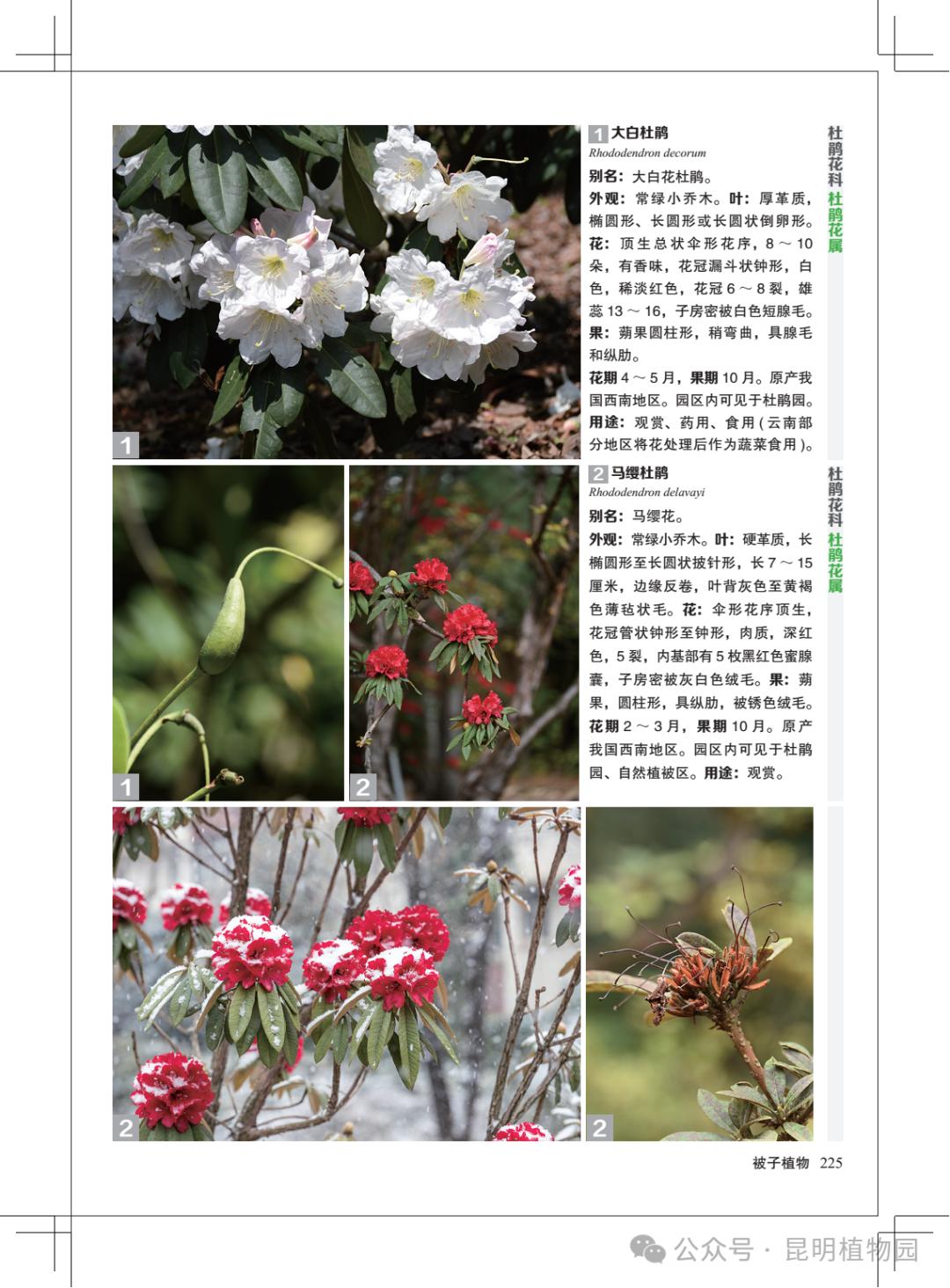
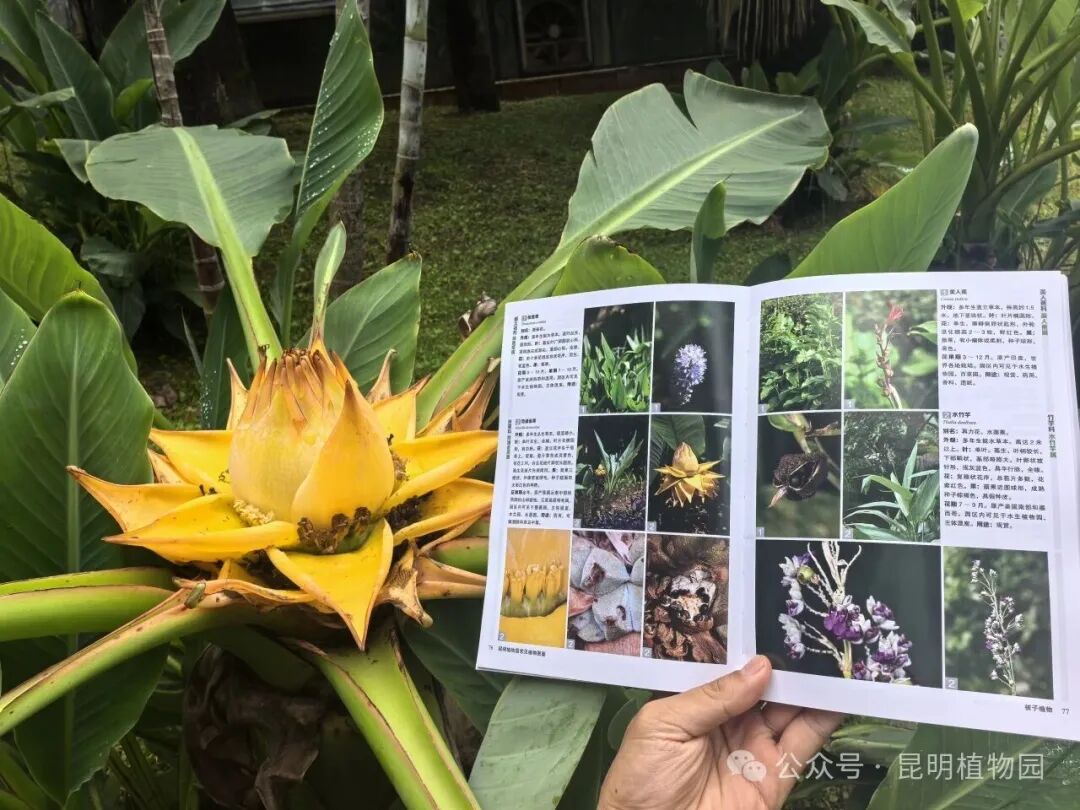
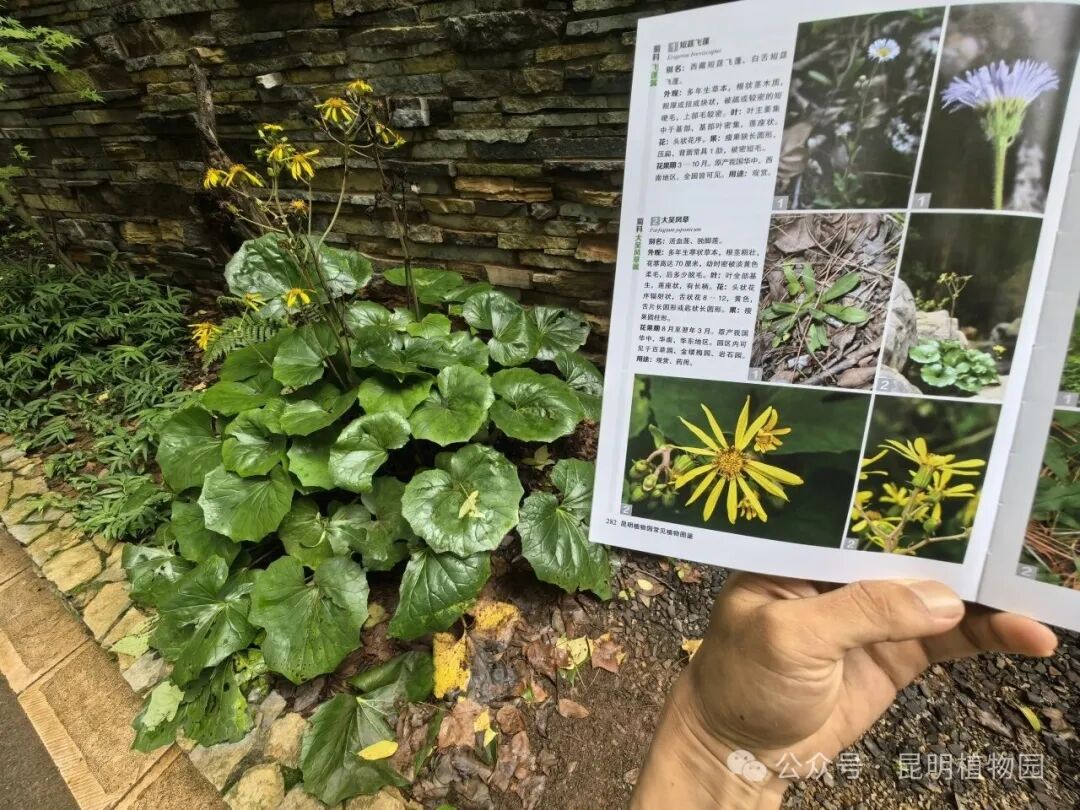
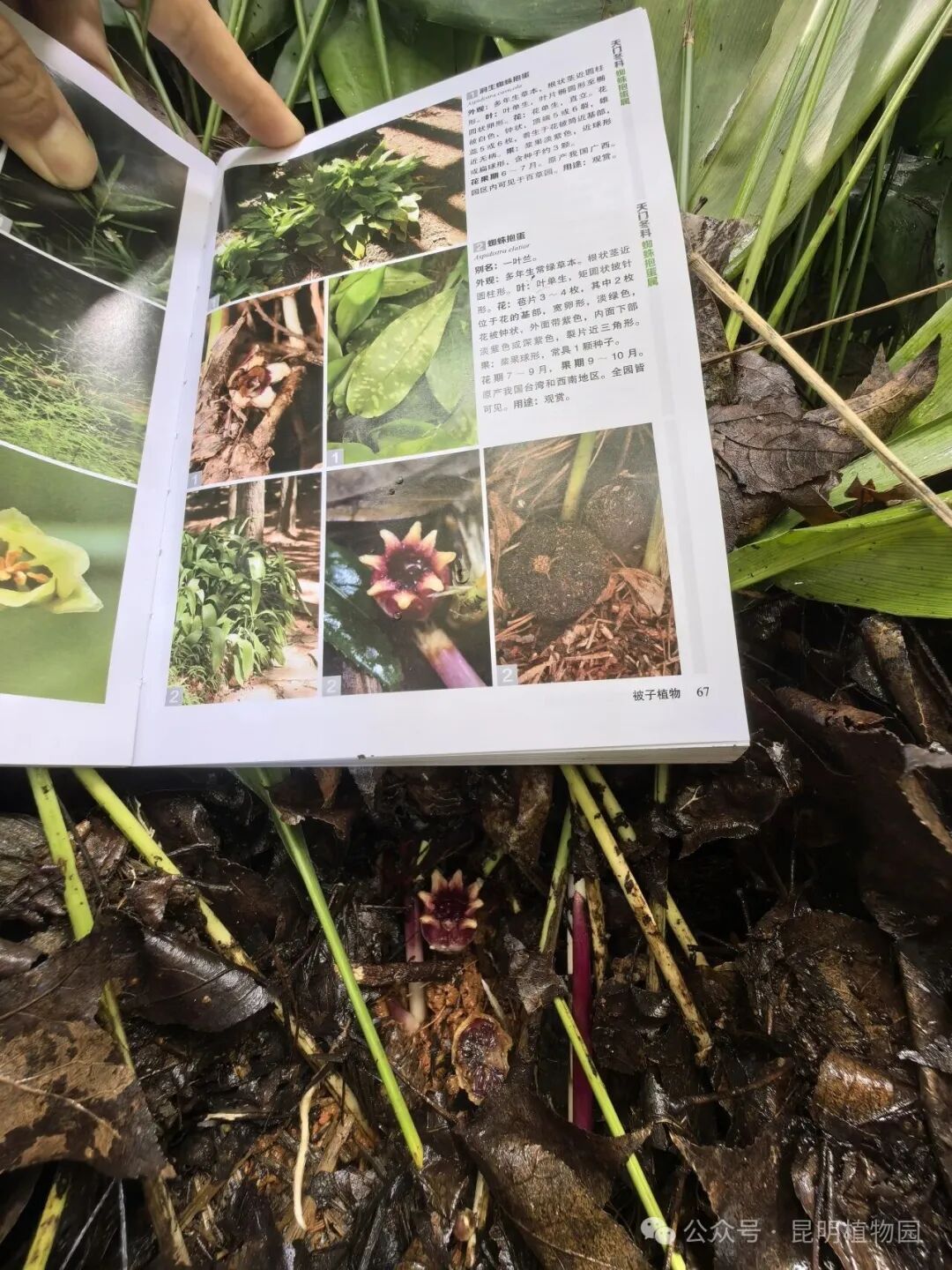
The authors, guided by the three principles of "science, practicality, common sense", selected 620 species from thousands of plants in the park. The criteria for selection are common, representative and highly appreciated, with the natural presence of these star species, including the golden lotus. The book is full of more than 2,000 high-resolution photographs, with key identifying features for each plant clearly and clearly identified against those who have not learned plant taxonomy。
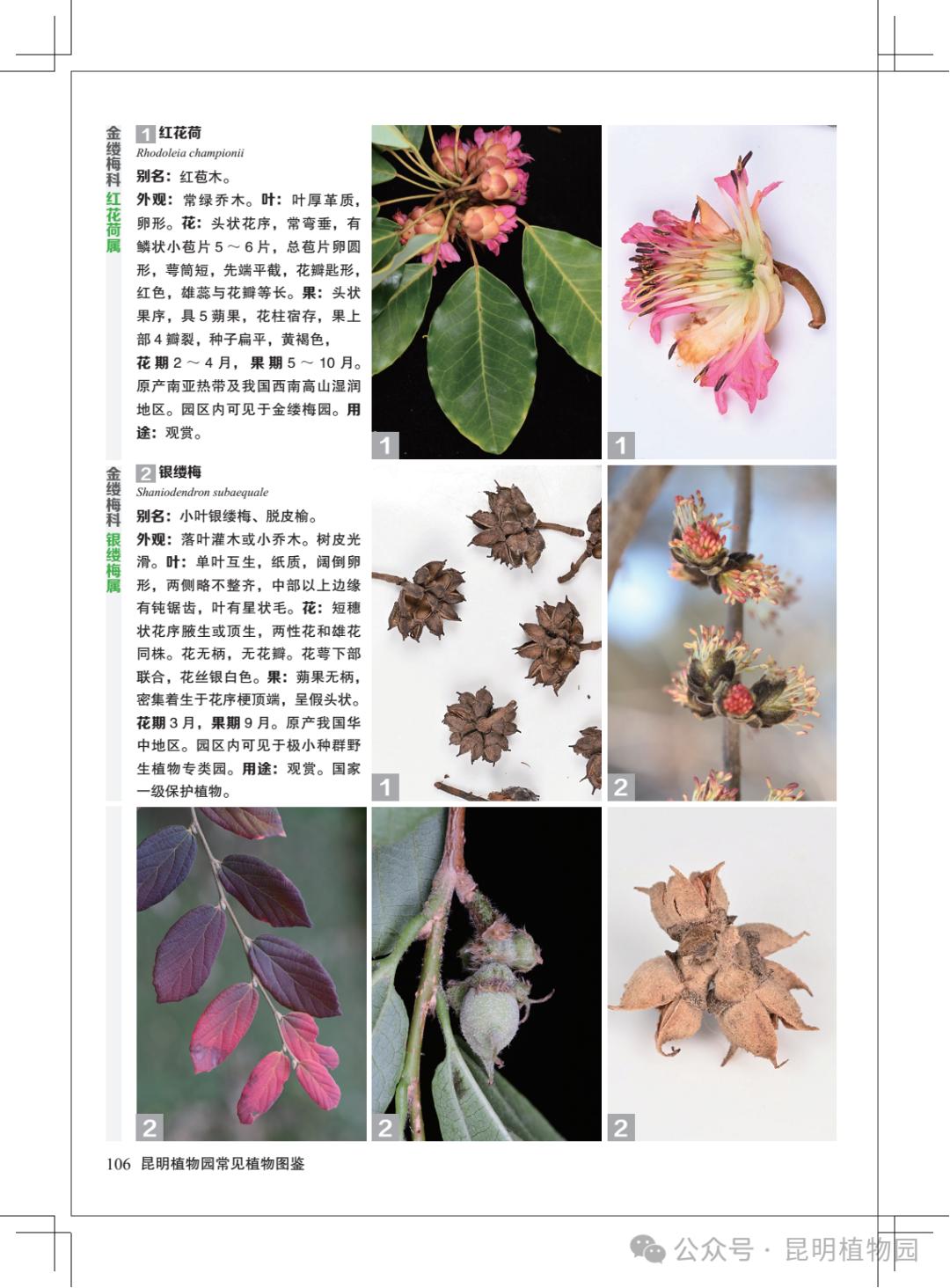
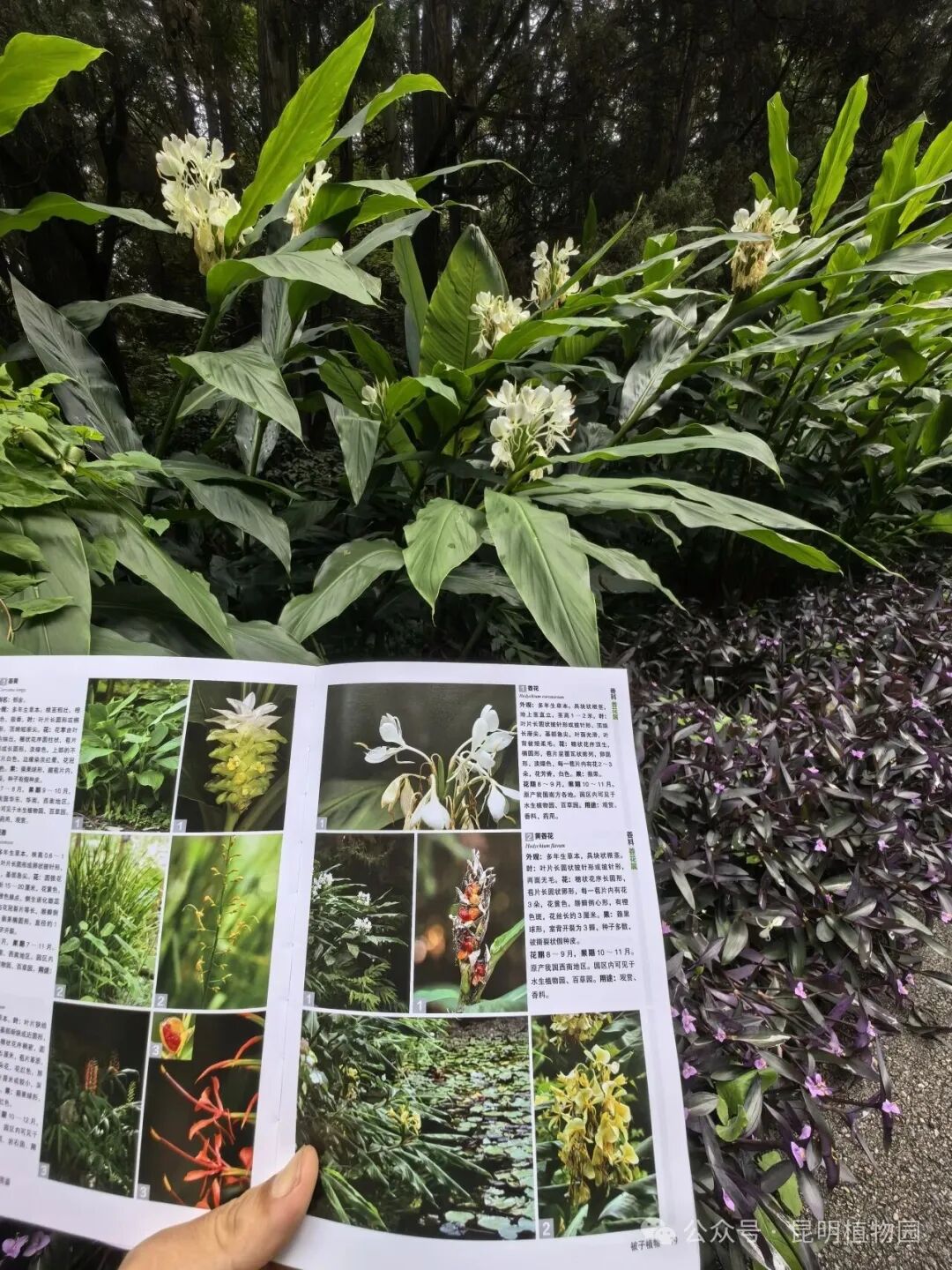
Each plant is followed by a specific observational position and optimal period in the park. Readers take the book and follow the indicated route, and at the corresponding point, take the picture directly against the plant, without guessing. Whether you are students in botanical science and related specializations at kunming university, local residents, visitors to the garden, or lovers interested in grass and grass in the south-west, a two-page turn will know where to go and what season is most appropriate。
The cover was painted with the hand of mr. Zhong yi
The cover was designed using the work of a former filamentary teacher by a plant science painter. These two species belong to both the protégé and the mosaics, which are unique to china, which is the only country in the world that has these two groups。
Tsing tsing was the country's best figure in the field of plant science, and the species he wrote guaranteed both the correct form and the artistic sense of hand painting. Using his paintings to cover the picture so that it can be separated from other plant books at a glance on the shelf, it also echoes the practical orientation of the book to "show identifiers with high-resolution photographs" with a unified visual style and weight in hand。
The book contains a few scientific results
In addition to the subject matter of the species map, the book briefly presents some of the results of research carried out within the institute in the field of conservation groups, involving species such as black beads and hundreds of species. Rather than being a rostered list, the paragraphs show the results of the laboratory study, which is presented in popular language to the general audience, and gives a few degrees of academic thickness to a collection of flowers, as well as the results of the practical work of the kunming plant institute in species conservation。
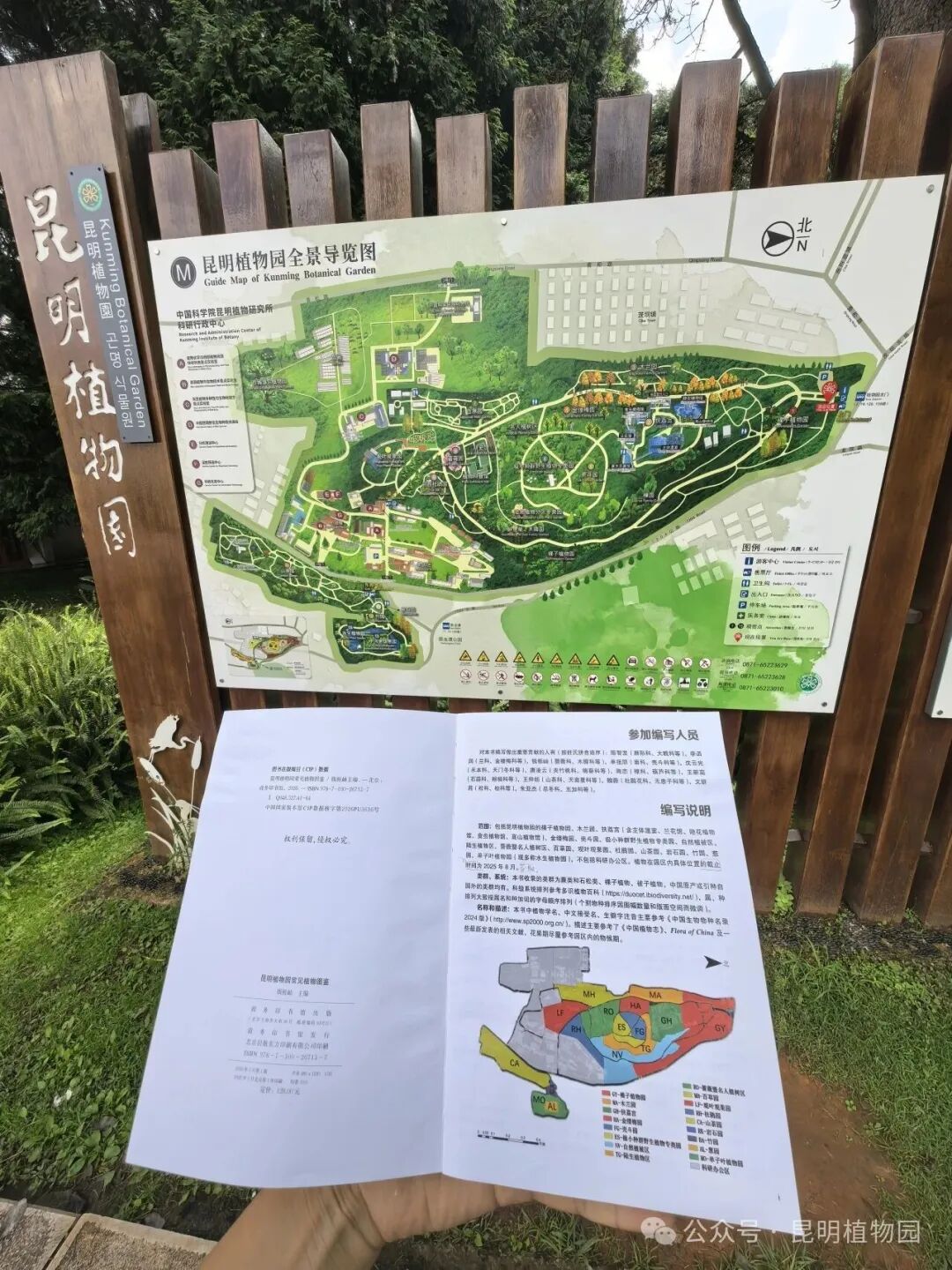
For students in botany and related professions, the results of these studies are presented as a small literature search portal. Interested people can follow the names of the species mentioned in the book by looking for more papers and new developments in the database, turning a plant map into an introductory springboard for research, which is much deeper than simply taking pictures of the park and is of different learning value。
The new house isn't in it yet
Owing to the longer publication cycle, the vast majority of the plants that have been cared for in the south-west specialty complex, the alpine botanical museum, opened in recent years, have not been included. The hyenas, the species of vermin, the newly discovered vermin lanterns, and the wide-mouthed larvae, which use a bridging powder strategy between deception and real return, have not been able to catch up with this edition, and the lovers need to wait for subsequent re-prints or additions。
However, the 620 species that have been recorded essentially cover the core species of the main area of the kunming botanical garden and are fully adequate for day-to-day gardening, identification and filming. When the contents of the alpine plant house are added to the revised version, the completeness of the book will go up a further step. The current version is a practical enough southwesterly for most tourists, students and local residentsPlant observationThe manual does not have to wait until it is reprinted。
Where to buy and where to start
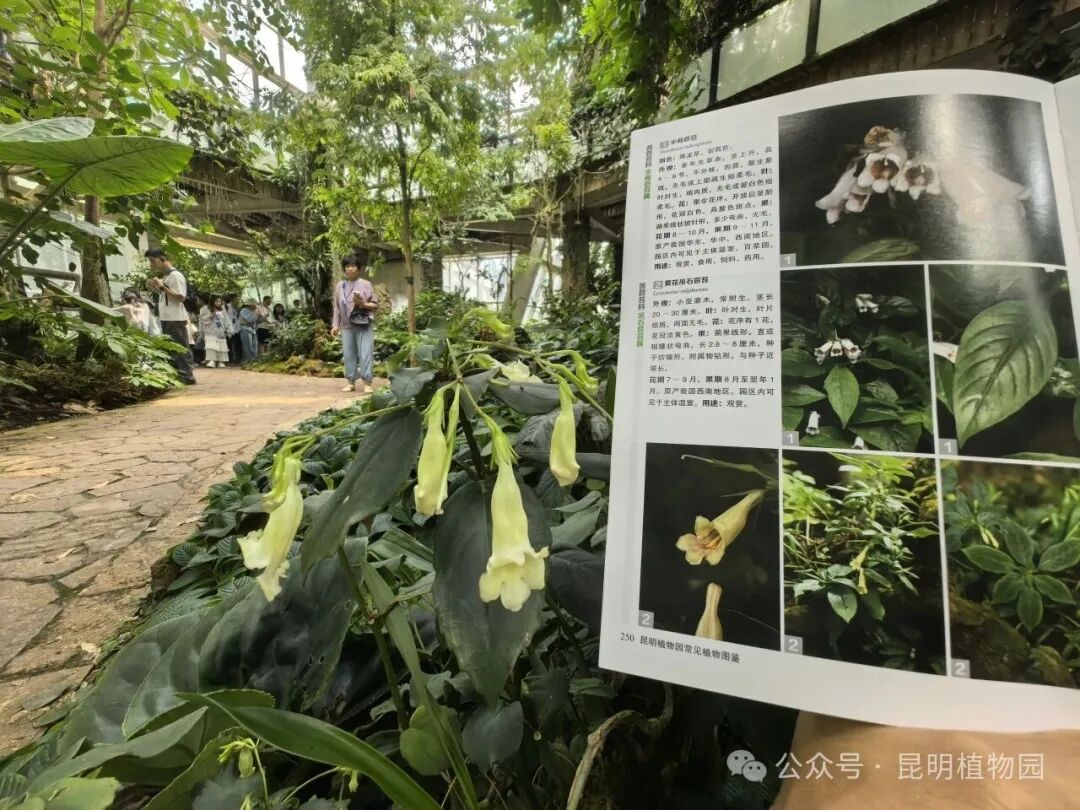

At present, the common plant map of kunming botanical gardens can be purchased through official channels in the commercial bookshop, and is available online in flagship stores, official bookstores and physical bookstores. In addition, the kunming botanical garden has a line-breaking shop, which buys a book in the garden with a book against the living plant, which is much better than simply internet shopping for express delivery and talks to shopkeepers about the plant。
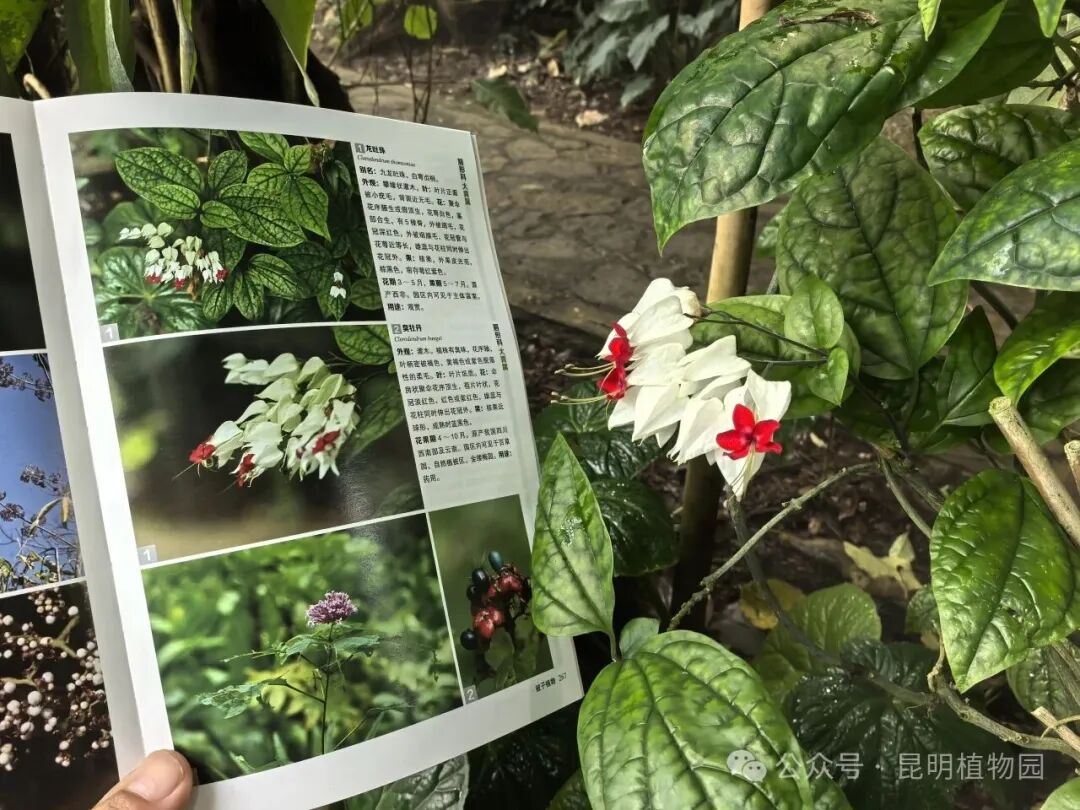
For the local kunming people, the sense of achievement is filled with the fact that after buying the book, they pick a flowering season and go around the garden, one by one, at the indicated location. For off-site readers, a preview of the picture can be made on the commercial bookshop line, followed by an entity book on travel or travel to kunming, which can be searched in step with the location and timetable of the book, much more than a hand-search on the internet, and save nothing。
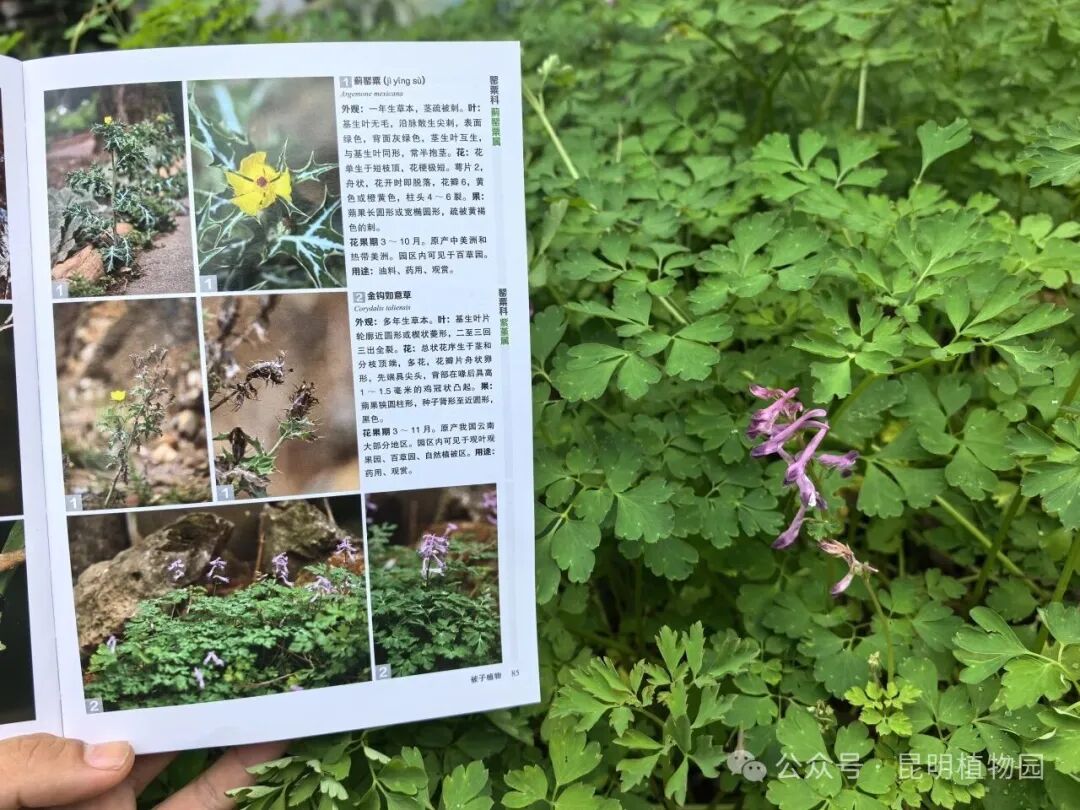

Have you ever been to kunming botanical garden? What's the most unexpected or surprising plant? Welcome to the comment area, if you find it useful, and pass it on to your friend, who also loves flowers。









