


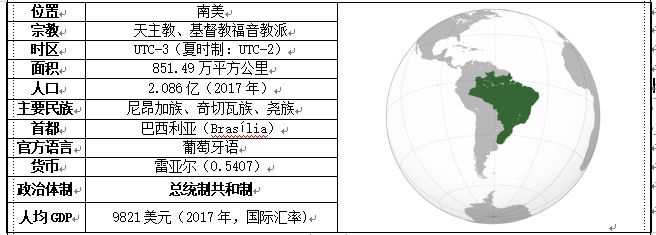
BrazilSixty million bags a yearCoffeeGlobalProductionOne third is the world's number one. But many people don't even know exactly where brazilian coffee is grown, how it's grown, and today it's spoken。
How can a coffee beans enter brazil
In 1727, portuguese officer pahta brought a coffee seedling from french guiana to pará, the starting point for brazilian coffee. It spread to rio de janeiro in 1770, first in brazil in 1779ExportsCoffee, only 19 bags in sacks。
In the 1920s, plantations in rio, são paulo and minas gerais expanded rapidly, accounting for 20 per cent of world output. Brazilian coffee, which by 1845 had accounted for 45 per cent of the world's population, had become the backbone of the state of são paulo. In 1867, brazil built its first railway for coffee beans, followed by several coffee transport lines。
What kind of land is that
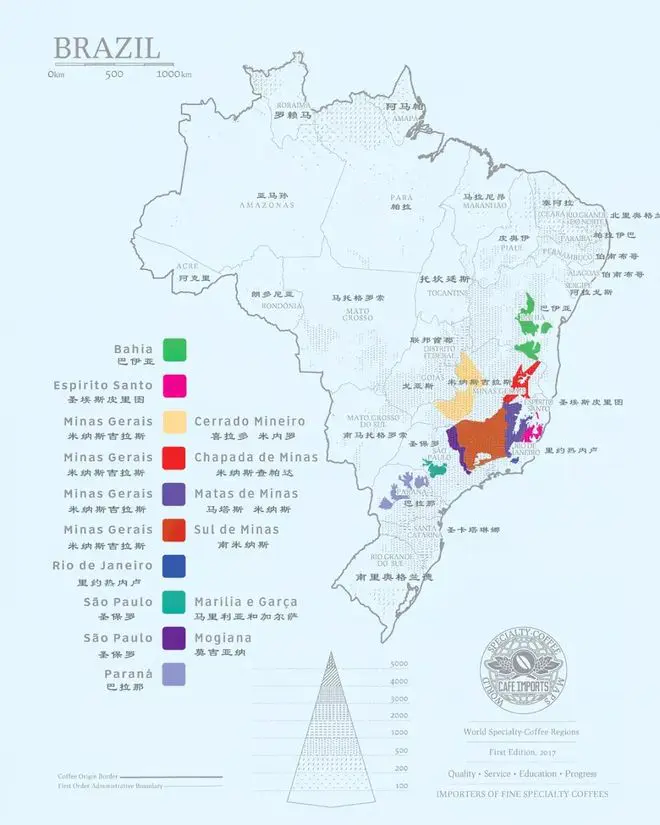
Brazil has 26 states, 17 of which produce coffee, but the states of paraná, são paulo, minas gerais and espírito santo contribute 80 per cent of total national production. One state in minas gerais, accounting for 30 per cent, is the most productive region, with 90 per cent of the cultivation concentrated in the minera region in the 1980s。
Unlike ethiopia and colombia, where coffee is planted on hilltops, the vast majority of coffee in brazil is grown on plains and highlands, with flat ground and direct access to large combine harvesters, with much more mechanized efficiency than in hand-picked production areas in africa。
What kind is it
Eighty per cent of brazilian coffee is arabica, while the remaining 20 per cent is robusta. The café association counts as many as 28 varieties, mainly in bourbon (including yellow bourbon, red bourbon, pinocchio), new world, kadua, tepica and katim, in different states。
The area under cultivation is 2. 25 million hectares and there are approximately 290,000 coffee farms, with estates ranging from 0. 5 to 10,000 hectares, dominated by small plantations. The north of the climate is a tropical rainforest, with central savannahs and subtropical monsoon humid climate in parts of the south, suitable for different varieties。
What about the beans
The four most common treatments in brazil are natural sun sun, honey treatment depuration, half-day tan and full-water washing. The natural sun is most widely used and laid in the yard for several weeks, so brazilian beans are generally high in sweetness, low acidity, smell of nuts and chocolate, and drink clean and smooth。
The hierarchy is graded according to three dimensions: the size of the live beans, the number of defective beans and the taste of the cup, and the rules are more complex than most production areas. There is also a marked difference in the smell of beans from different places of origin in the same state, but the whole style is balanced, medium-quality, not too aggressive or too timid。
How much is a year
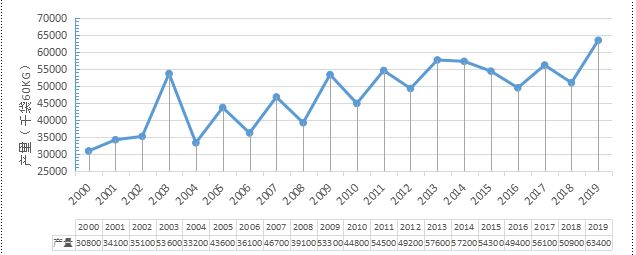
Brazil has produced between 50 and 65 million bags per year in the last decade, with a record 63. 4 million bags in 2018/19. In 1929, when the great depression in the united states collapsed prices, the brazilian government bought and burned 71,000 bags of stock to save prices, which was equivalent to three years of consumption worldwide at the time。
Brazil's share of international markets in the 1920s was as high as 80 per cent, with coffee accounting for 16 per cent of GDP and 75 per cent of total exports, almost the lifeblood of the national economy. While global production grew after the 1950s and brazil's share declined gradually, it remains today the world's largest exporter of coffee。
Where do you sell beans
Exports in recent years have ranged from 30 to 35 million bags, with the major buyers being the united states, germany and italy, and exports to china have increased markedly in recent years. Trade is done in a comprehensive manner, with forward contracts, spot, auctions, and direct trade, unlike in some production areas。
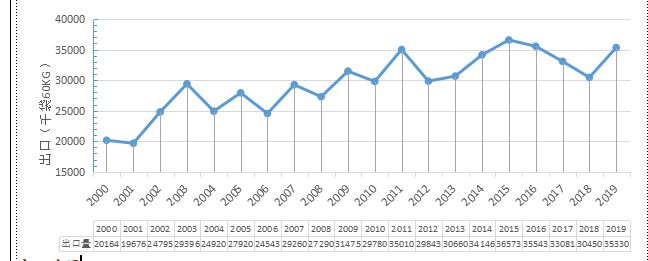
Exports are made mainly through five ports in santo domingo, rio de janeiro, victoria, paranagua and el salvador. In the first half of 2019, santos accounted for 78. 5 per cent of exports, or about 12. 2 per cent, and two ports ate 90 per cent of their shares, with the remaining three ports。
Do you normally drink brazilian beans in the sun or in the water? Welcome to the comment section, where you've been drinking the most amazing brazilian garden beans, and share it with your friends who also drink coffee。









