


The most painful thing about cattle and goats is the high cost of feed, and this year there has been another round of corn beans, which many farmers can't afford to buy, and the profits are running low. In fact, you grow your own acres of land, waste slopes, behind your front houseMexican corngrassSix or seven cuts a year, acres produce less than 10 tons of grass, cattle and sheep feed round and feed money cut off half. The main points, from the selection to the harvest, and the cyanide, are presented below。
Why would mexican corngrass let farmers? Heart
Mexican corngrass is a multi-year grassnap of grass, originating in mexico, which is best adapted to the yangtze basin and the yellow cay sea after its introduction. High energy ranges from two and a half metres to three metres, with a series of 50 and 60 wts and a coarse protein of between 12 and 15 per cent, which is much better at mouth than corn straw. Cows, sheep and rabbits all eat, freshly fed, dry, tanned and stored in a wide variety of ways。
Its most prominent benefits are more cutting and recovery. From early april to the end of november, the south was able to cut six to eight pieces of grass at intervals of between 70 and 80 days, with 10 tons of grass produced easily. The north is cut less, three to four times a year, and six to eight tons of acre. It's too easy for the old breeders to be able to grow in six to eight years。
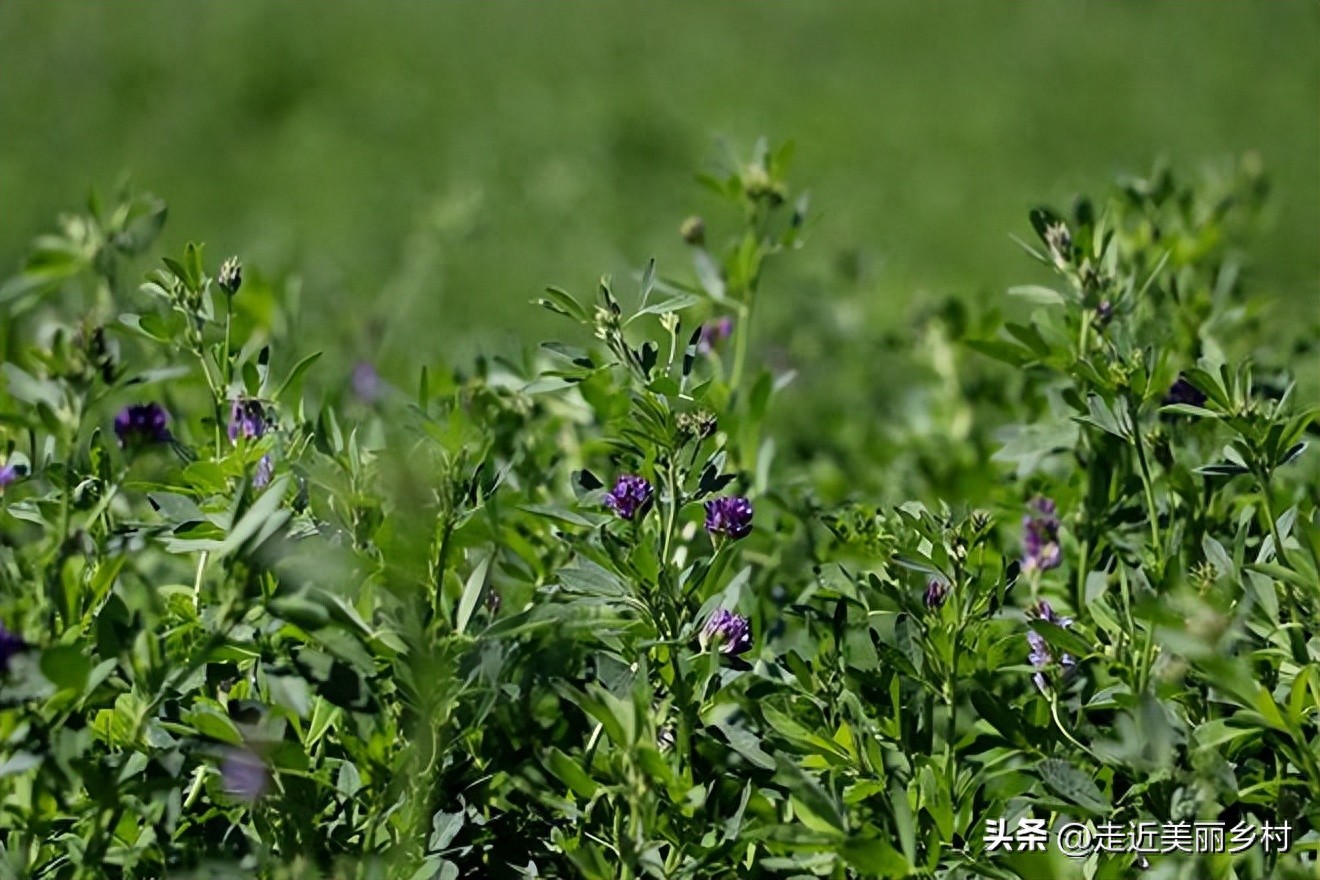
There's no ambiguity between the field and the ground
Mexican corngrass likes loose, well-drained soil, with the best growth between 5. 5 and 7. 5 ph. Land can be planted on the back of the house, on the slopes and on the banks, but it must avoid low-lying areas that accumulate water on a permanent basis, and the roots of the rainy season rot. At least 20 centimetres of ground are to be poached, large pieces of earth are to be crushed, 30 kg of compost is to be applied to the bottom acre and 1,000 kg of rotting organic fattening, flattening and planting。
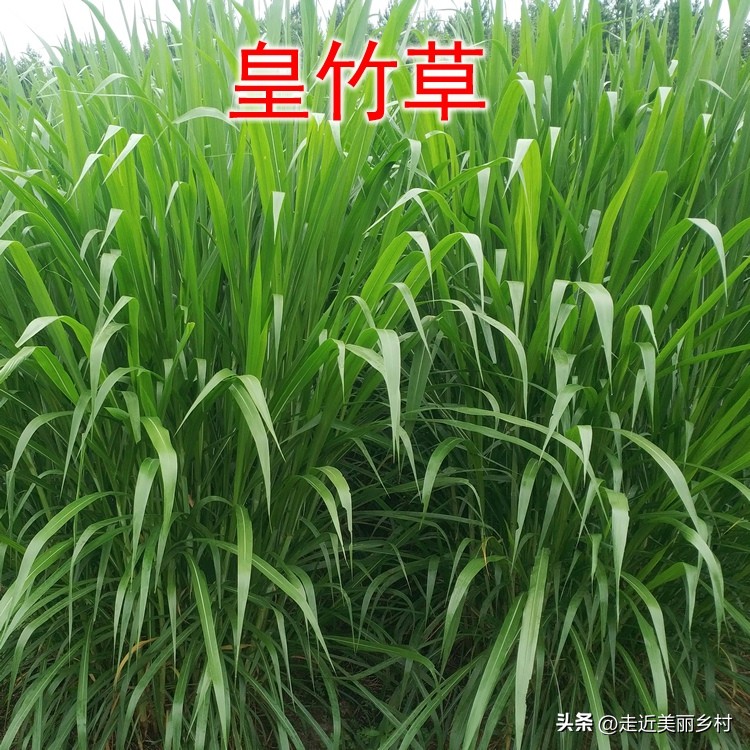
The southern red border is acidic, with 50 to 80 kg of lime being thrown over the ground. Small highs, 15 centimetres tall and 80 centimetres wide, are not easy to drain after rain. If you're replanted, turn it over before you do it, and don't drag it to the ground. In particular, the southern part of the rainy season will have to clean up the face and clear the canals, or a heavy rain will be lost and lost。
The time of seeding and the amount of seeding determine success
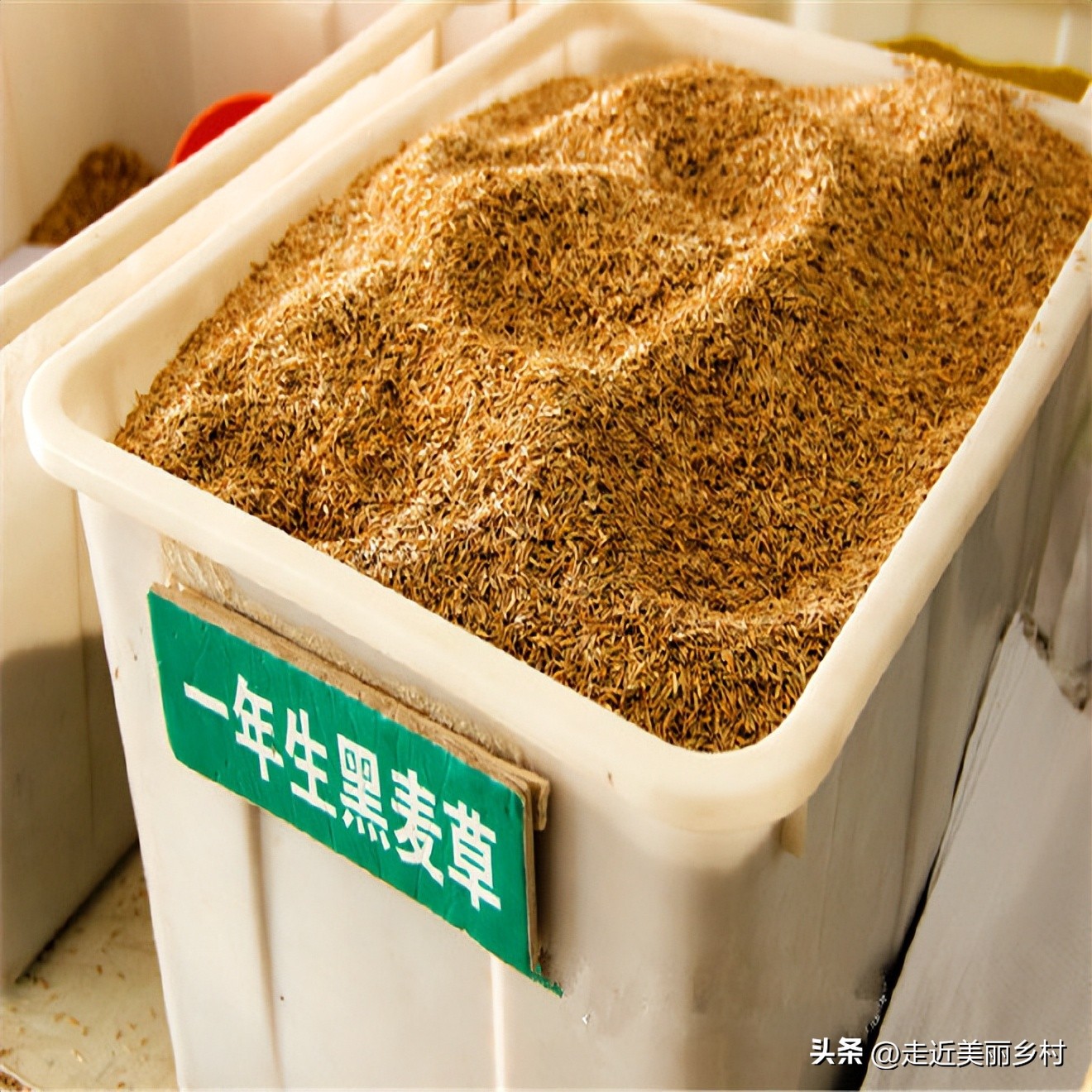
The south will be able to plant by mid-march until early april, and the temperature will stabilize at more than 12 degrees. The area of the yellow cay sea in the north was postponed until the end of april and early may until the end of the winter. The acre is three to four pounds of seed, with a strip between 40 and 50 centimetres, with a one-and-a-five centimetre depth in the open ditch, where the seed is smoothed and then the soil is retorted, and the soil is humid, so that it can come out in seven to ten days。
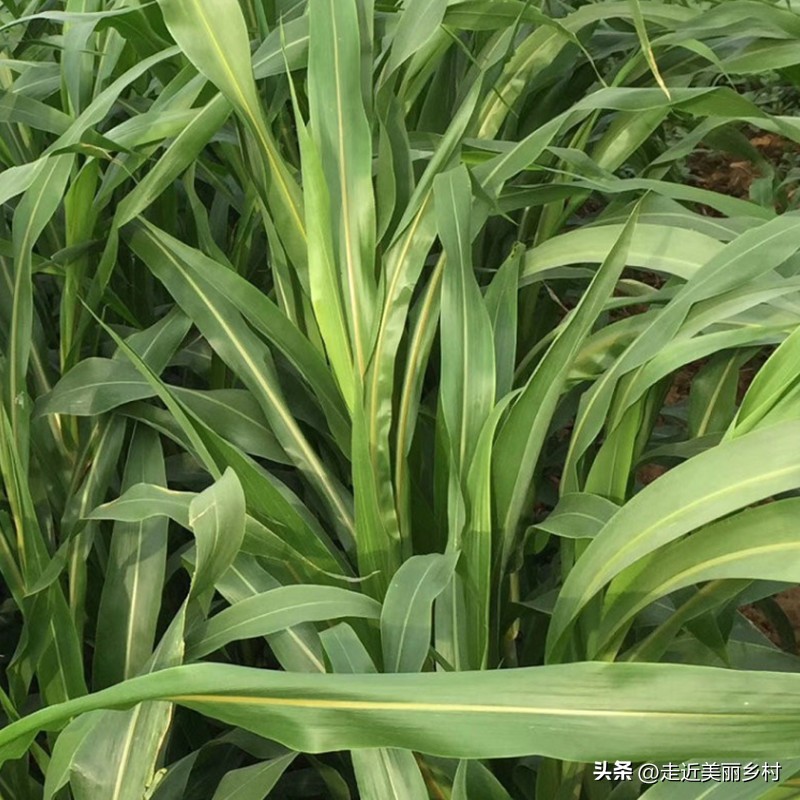
It is also possible to reproduce with seed, with two to three stubbles to be inserted into the soil, with 2,000 to 2,500 stubs per acre, with a higher rate of survival than seed sowing, especially in areas with heavy rainfall in the south. It was inserted at depths of eight to ten centimetres, with the nostrils coming down and pouring water once. Either way, it's easy to leave the floor, it's slow to step on the seedlings, and the rate is down。
There are three things i remember from day to day
Weeding is a critical period before weeding, weeds are too many and weeds are too much to fatten, hand-to-hand or herbicide, and weeds are too high to do. Every 20 days after entering life, 10 kilograms of urea per acre are chased, and once they are cut, they are followed by fat. It's hot in the south, it's hot, it's hot in the south, it's hot in the morning。
Drainage is the number one issue for growing in the south, with the monsoon season and typhoons clear the ditches and keep them open. The yellow leaf is a urea deficiency and the white leaf is a phosphorus spray of potassium phosphate. Insects and pests are mainly resistant to locusts and tattoos, and are sprayed with conventional pesticides, so as not to drag them to large areas for treatment, when the loss of death is greater。
The harvest is one day short
The first one was cut at a height of 1 metre or 1 metre or 5 metres, when the first flower was fresh, when the leaves were less fibrous and the cattle and sheep were the favorite. Ten centimetres of cut-off and small wounds are easily infected. One acre of land can be cut off in one day, and the day it is cut off, the day it is taken off, leaving the ground fermented, and the hot cattle and goats do not touch it, which is nothing。
Every 70 to 80 days, six to eight in the south and three to four in the north. The recovery period is faster each time the fat is recovered. Weeds can be cut, mixed or dried until winter. Remember one principle: it's hard to grow more than a metre of fibre, it's hard to eat, it's too greedy to eat。
It's the best way to make it
The best effect is when fresh grass contains water above 75 per cent. The grass is cut to a centimetre long with a weed machine and placed in a cyanide by which the grass is trampled once in each layer. Covered with plastic film, 30 centimetres of soil or sandbags and sealed for at least 60 days. In guangdong and guangxi, the cost of a ton of green storage is more than half lower than the cost of buying commodities。
The tan grass was cut during the eight-leaf period and was rolled once or twice over the dryer on the same day, reducing the water content rate to less than 15 per cent. They can be bundled or packed, stacked 20 cm from the ground, 30 cm from the wall and covered with rain cloth to protect the tide. Weed coarse proteins are lower than weeds, but they are easily stored, and the southern grass is brought out for feeding in winter, and the cattle and sheep do not fall, and no external purchases are required during winter。
In the words of the heart and heart, the price of feed is still rising this year, and the best way to grow their own grass is to save money. How much land do you have in your hand and how many acres of mexican corngrass do you want to grow? Welcome to the comment section to talk about your ideas and planting questions, as well as to give a compliment and relay it to the partners around you who raise cattle and sheep, so that the guide can be seen more widely。









