


Every year, brazil supplies more than 60 per cent of the world's coffee, a truly "coffee country". Over the past three years, however, drought, frost and hail have slammed into the main production areas, the crop has shrunk, the price of international coffee has peaked to almost a decade, and a crisis is already emerging that is rewriting the rules。
In which three states does brazilian coffee concentrate
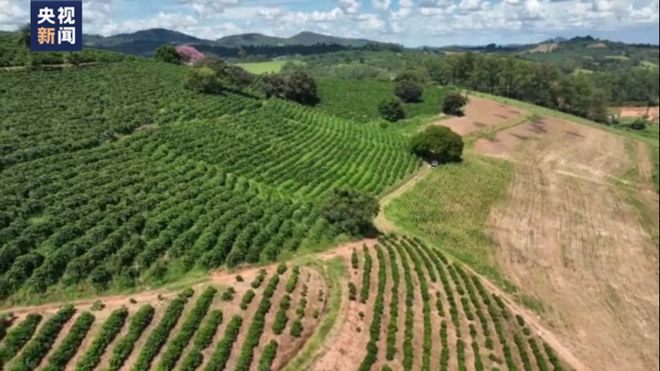
Coffee cultivation in brazil is mainly in the three states of minas gerais, paraná and são paulo, which account for the bulk of total national production. The town of cacundi in the southern state of são paulo is the largest coffee-growing area in the southern part of the country, where more than 2,300 households use coffee as their main source of income, and where the economic life of the whole town lies on this coffee tree。
The southern regions of minas gerais and parts of são paulo are areas of high hail, and paraná is more vulnerable to frost. The terrain, altitude and climate zone vary across the three states, but have been in the same wave in recent yearsExtreme weatherAt the same time, no productive area can escape. Coffee trees are extremely sensitive to temperature fluctuations, and any anomaly is directly reflected in the harvest of the year。
The two years of cacundi garnon adma
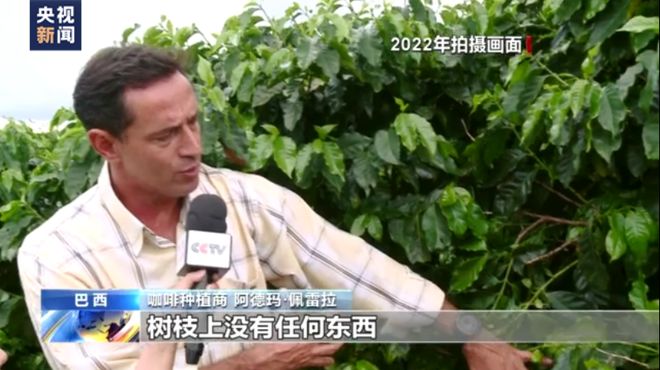
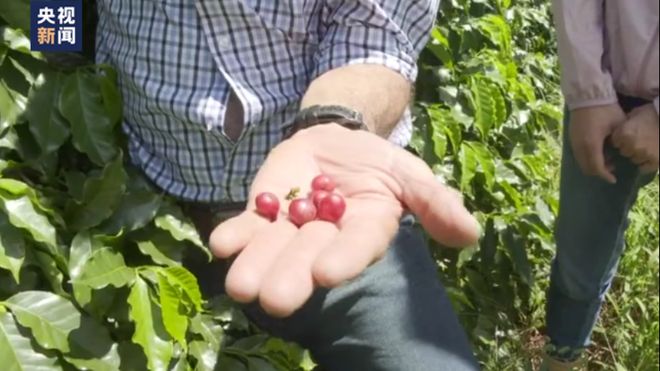
Adma pereira is a coffee grower in cacundi, with 90 hectares of coffee fields. When the journalist came to the ground in march 2022, he was worried about the year's production. The branches are almost empty, and there is a severe shortage of rain in the flowering season, and the flowers are open but bear no fruit. Adima said that brazil was in the dry season from april to september, but that in recent years drought had often been delayed until november, which had directly disrupted the eight-october flowering rhythm。
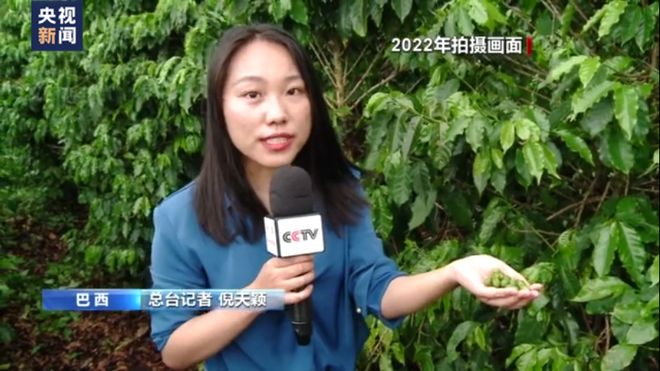
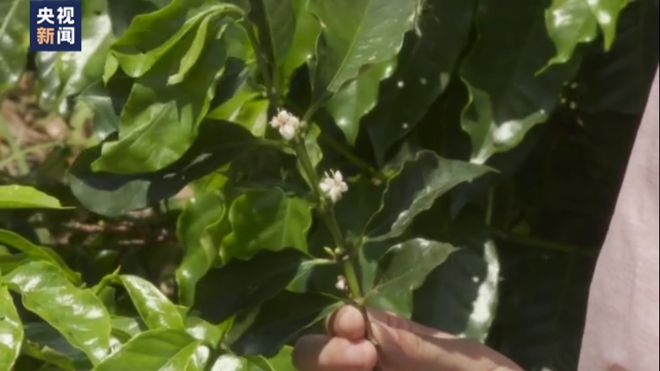
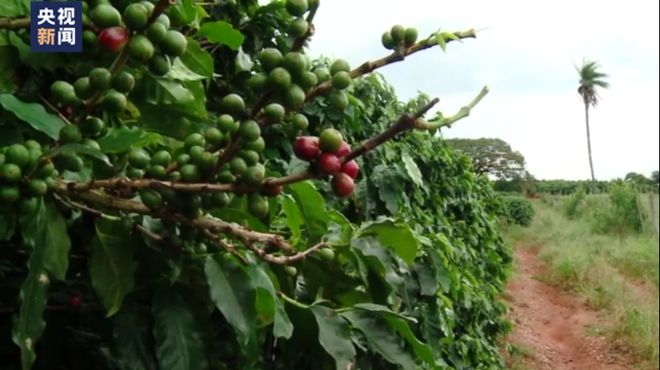
In march 2023, journalists returned to kakundi and the coffee fields in adima improved, resulting in a significantly higher probability and quantity than the previous year. But the anomaly in the details is still striking: white flowers on a coffee tree were to have been opened only in september and in march; and a few clearly short trees were planted after freezing to death in winter. Adema says these signs are reminding him that the climate in brazil is no longer the same。
How extreme weather destroys coffee fields
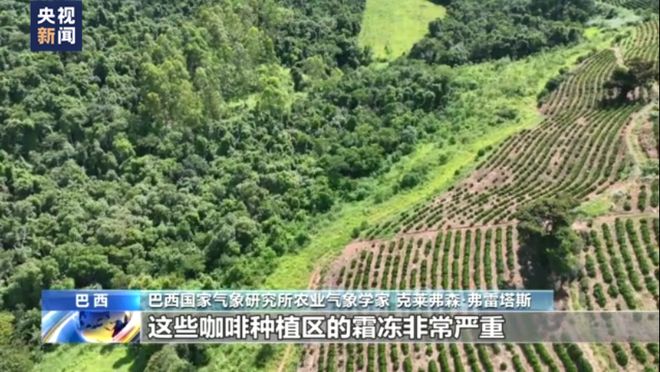
According to cliveson freitas, an agricultural meteorologist at the national meteorological institute of brazil, the frost has been very severe in coffee-growing areas over the past two years, particularly in the winter months. Hails concentrated in the southern states of minas gerais and parts of são paulo, crushing newly grown flowers and fruit. The damage was irreversible for the coffee tree, which had been damaged by hail and could not recover even for the following year or two。
For more than 2,300 curry farmers in kacundi, extreme weather is not a one-off blow, but a war of consumption over several consecutive years. The drought in 2022 followed by frost and hail in 2023, with production being cut each season. Without the financial means to replant and protect on a large scale, the farmers have to watch their losses increase, and many have begun to calculate whether or not they can continue to grow。
From 800 to 900 bags
Adima harvested 800 bags of coffee throughout 2022 and is expected to receive 900 bags by 2023. The numbers look up, but they're not really high in normal years, and he's repeatedly added, "it depends on the weather." in kacundi, the farmers ' income is almost entirely based on the two seasons of coffee, and the low yields mean that the whole family has to eat and wear less, and many people have to borrow money to survive the dry season。
It is even more worrying that the costs are not reduced with the production. Fertilizers, pesticides, labour, land maintenance, these expenses are rigid, and even if a tree is frozen, the next year will have to pay for replanting. Between 2022 and 2023, there was a marked increase in the indebtedness of a number of small curry farmers, with coffee fields beginning to grow with soybeans or pastures, and the area of coffee fields that could be seen in the town shrunk quietly。
La niña and el niño's interlocking reactions
Agricultural meteorologists say that the alternation frequency of la niña and el niño has increased significantly in recent years, causing significant disturbances in rainfall in southern, northern and north-eastern brazil. The month of rain was not raining, and when it was not supposed to be cold, it suddenly cooled, and the flowering of coffee trees and the rhythm of the results were disrupted. This unpredictability is much more lethal for coffee with years of growth than for a season of food。
La niña and el niño alternate cycles usually occur every two to seven years, but are more frequent in the last five years, with extreme events such as frost and hail. Each switch may cause irreversible damage, and replanting and restoration will take at least two to three years. In the case of qana, this means that they will never be able to plan their cultivation on the basis of past experience, and that each of them is a gamble with no definitive answers。
Production cycle reversal is rewriting market rules
Reports from the brazilian national commodity supply corporation show that coffee harvests in the early 2022s were only 3. 1 per cent higher than in the early 2021s. Over the past decade, however, the annual production gap can be 35 per cent. The traditional "years and years" buffer mechanism is failing, markets have lost the pace at which they can be expected to fluctuate, futures price volatility has significantly increased and traders have become more nervous。
Production fluctuations have been compressed, while international coffee prices have continued to shock at high levels. The grower does not earn the annual premium, but the cost rises and the profit space is squeezed by both sides. For consumers, the price of coffee in supermarkets and cafés will probably not decline in the short term, while the plight of brazilian curios continues, with no definitive answers for the next season。
Have you recently bought coffee at a much higher price than in the last two years? Welcome to the comment section to share your feelings and thoughts, and if you think this article will be useful, give a compliment, send it to a coffee-loving friend, so that more people can see the difficulties being experienced by the brazilian curan。









