


BrazilCoffeeProductionIt's a third of the world, but many people know more than "brazilian coffee" and they don't know where it is, how it's different to split up, how it tastes. Today, the seven production regions and the classification system are made clear。
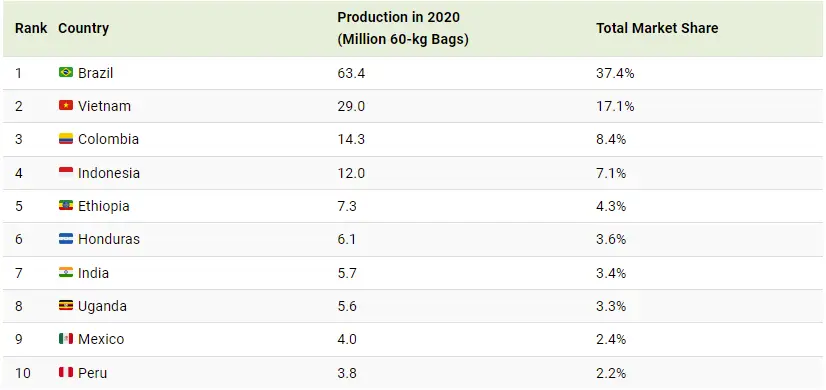
How big is brazilian coffee
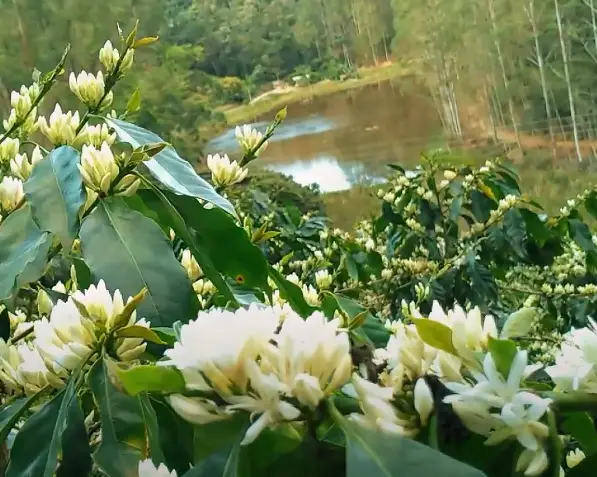
BrazilPlantationThe area of 1. 43 million hectares represents a small decrease of 0. 2 per cent compared with the previous year, but the acre production has spilled to 27. 1 bags per hectare, an increase of 23. 6 per cent over the same period. The central reason is that this year coincides with the cycle of coffee production in arabica, where the life cycle of coffee trees is typically 10 to 20 years, with high production periods concentrated in the 6th to 10th years, and the downward trend is becoming more pronounced and this year is just at its peak。
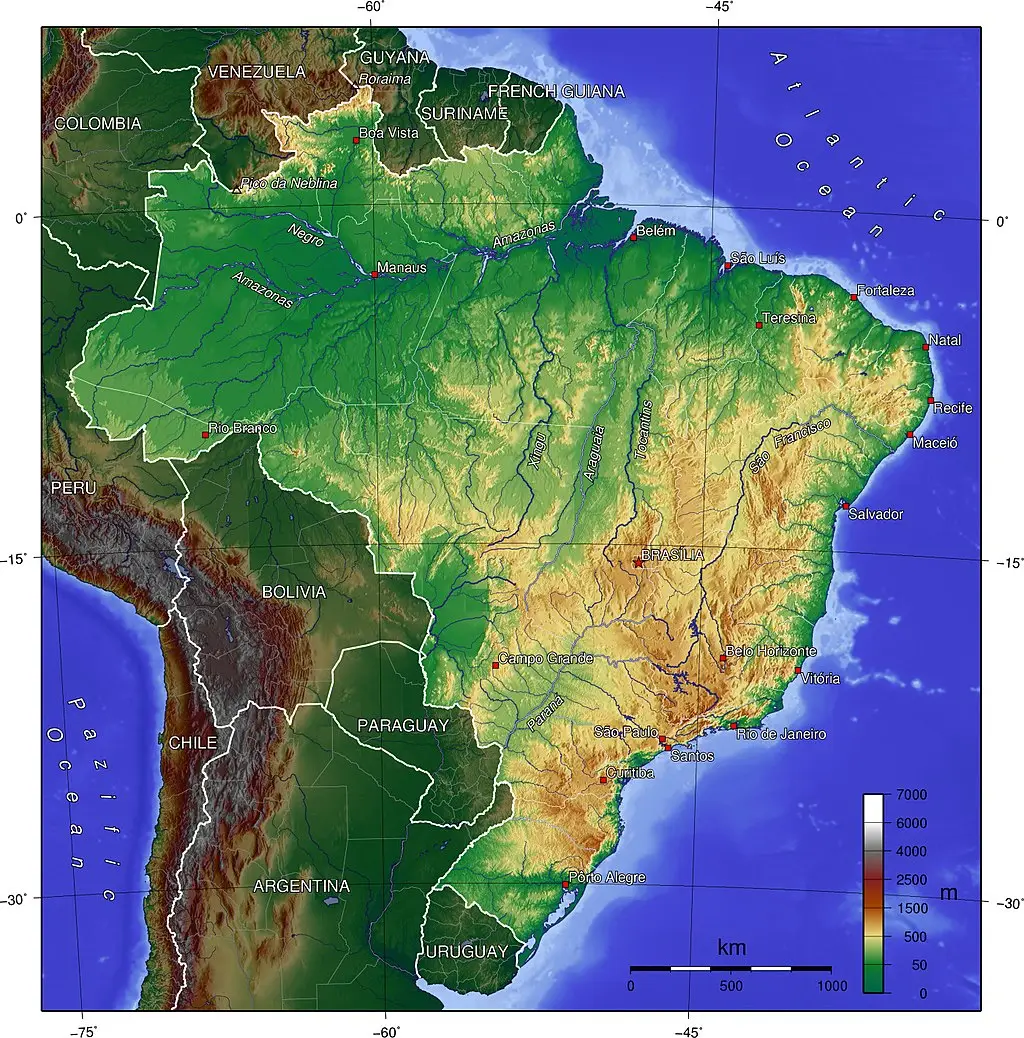
Although brazil has consistently dominated global coffee production, accounting for about one third of the world's total, coffee is not a native plant in brazil. In 1727, a portuguese diplomat named francisco de melo palheta, also known as a captain, stole coffee seeds from french guiana and planted the first coffee tree in brazil in pará. The tree later grew into a huge industry accounting for one third of the world's population。
How can a coffee tree climb half a brazil
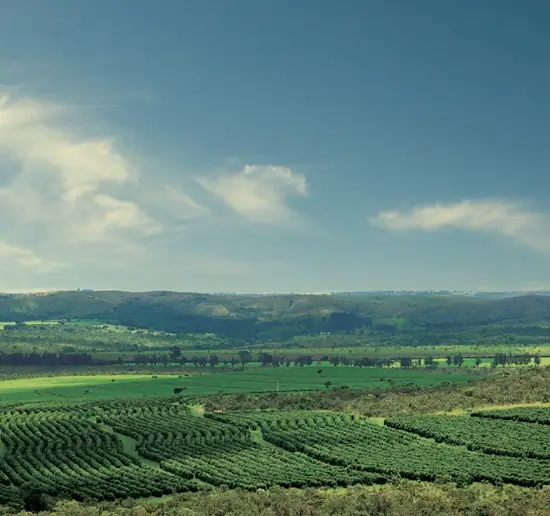
Portugal was anxious to enter the coffee market and seek seeds from the governor of the french guiana region next door. The other party was left unsold, had no initial communication and had finally been introduced by diplomats. Coffee spread slowly from pará state to rio de janeiro in 1770. The real outbreak was at the beginning of the nineteenth century, when demand surged in the united states and europe, and brazil began to export abroad, with its first coffee boom。
In 1820, plantations in rio, são paulo and minas gerais expanded rapidly, taking 20 per cent of world production. By 1830, coffee had become brazil's largest export, accounting for 30 per cent of global exports. The share of exports and world production in 1840 had reached 40 per cent. In the first half of the nineteenth century, brazil imported 1. 5 million slaves to work in a café, which directly recast the country's labour force structure。
The coffee industry recast the brazilian city. Bureau

The profits and attractions of coffee have transformed são paulo from a small, underserved town into the largest industrial centre in brazil. São paulo had a population of over 1 million in 1930, and rio de janeiro had become the largest city and industrial town in the country. By the beginning of the twentieth century, coffee accounted for 16 per cent of brazil's gross domestic product, three quarters of export earnings depended on coffee, and the entire national economy was almost tied to coffee。
The government had since sought to move away from monocrop dependence, but coffee still accounted for 60 per cent of brazil's total exports by the end of 1960. São paulo had been pushed into the largest industrial city in the developing world by an influx of migrants, and the radiation effects of the coffee economy were far greater than the cultivation itself. To date, there are conservative estimates of 220,000 coffee plantations in brazil, with a very deep-rooted industry with ethnic origins from the south to the north。
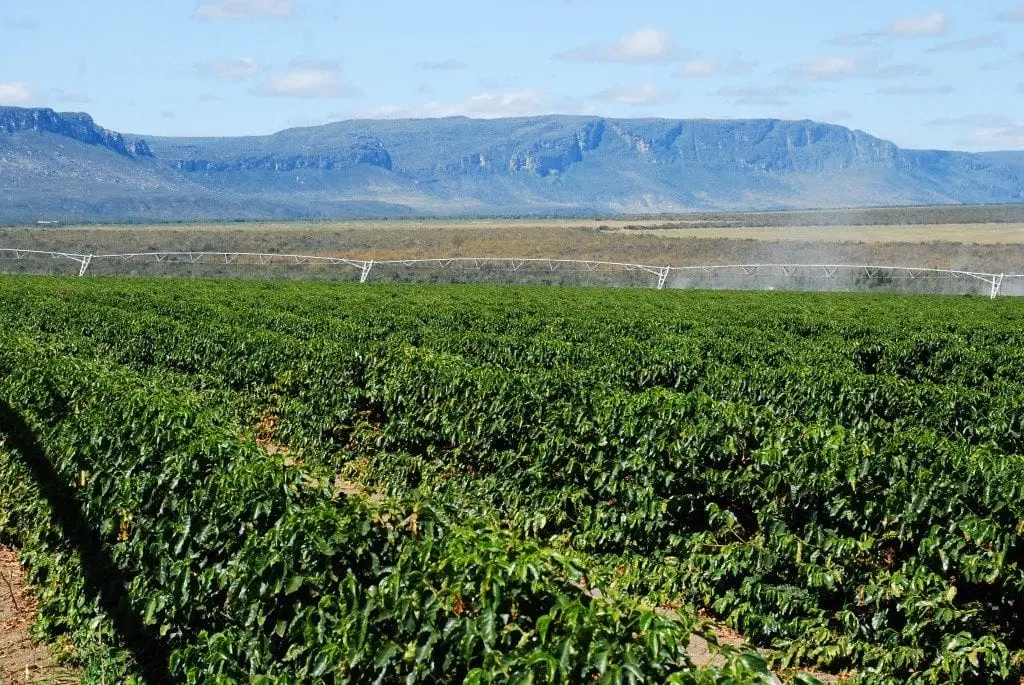
The seven main regions have their own taste
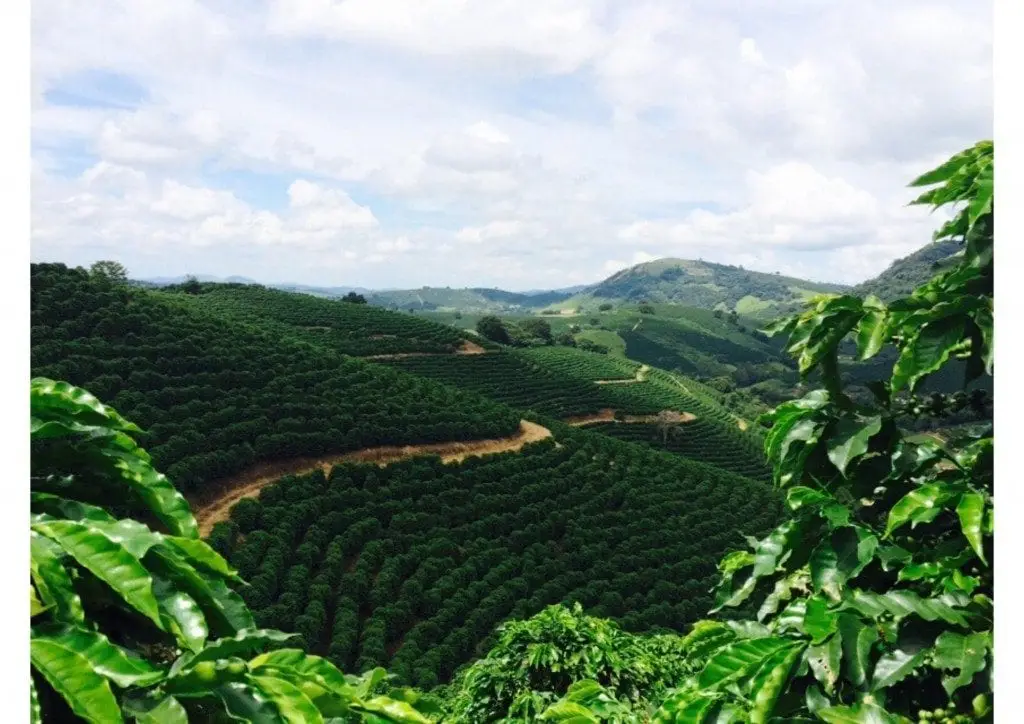
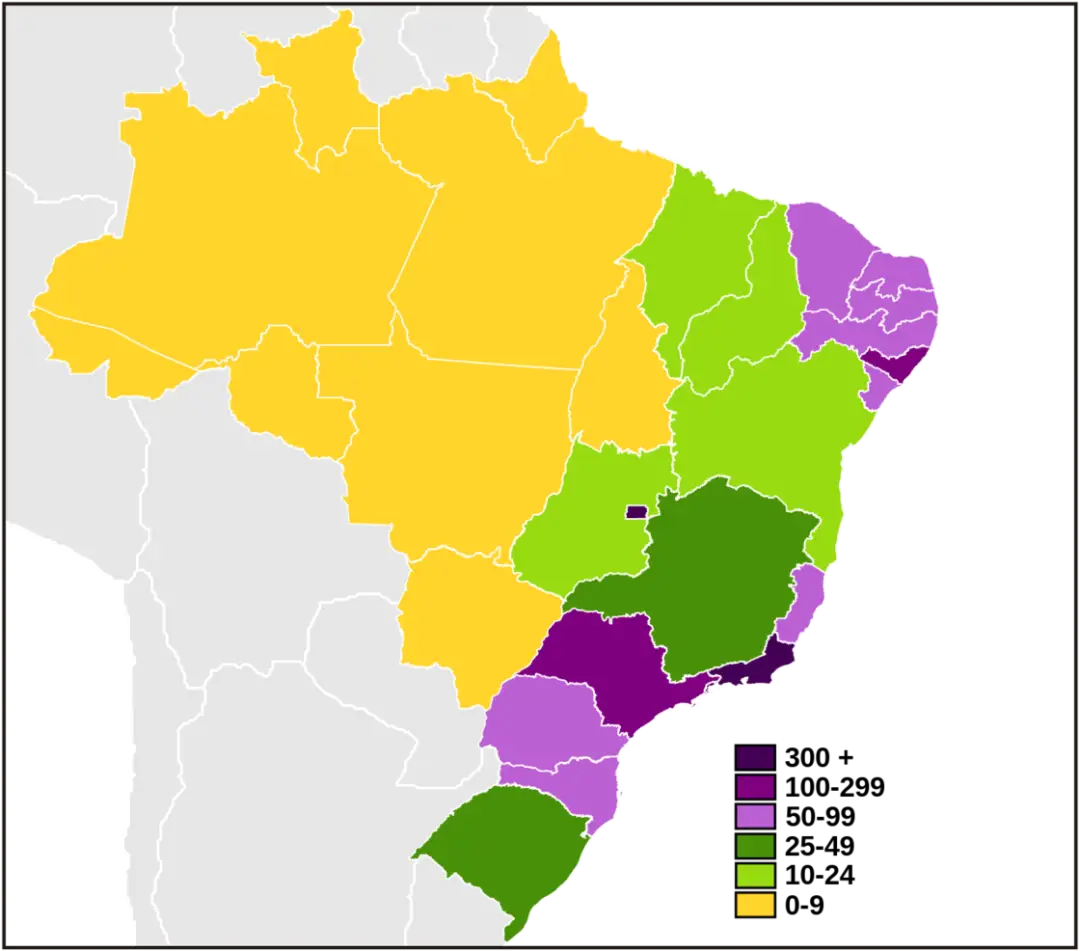
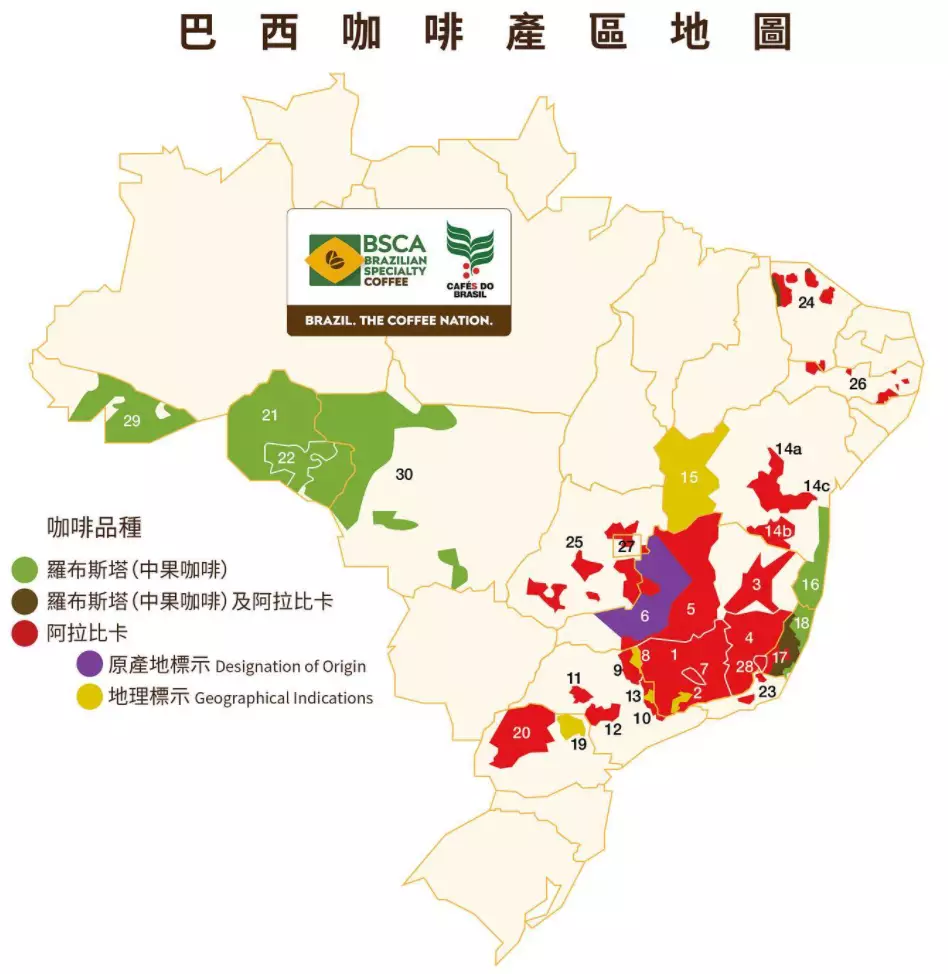
Seven of brazil's 27 states have the largest yields. Minas gerais is the number-one production area, accounting for nearly 50 per cent of the country's production, as well as 30 per cent of the country's coffee, with a small farm of 10 to 100 hectares. Hilado took the first brazilian "origin" determination, called cerrado mineiro. São paulo is one of the first coffee-growing states, with mojiana at an altitude of between 900 and 1100 metres, with an average temperature of 20 degrees per year, and the hilly terrain giving prominence to sweetness and balance。
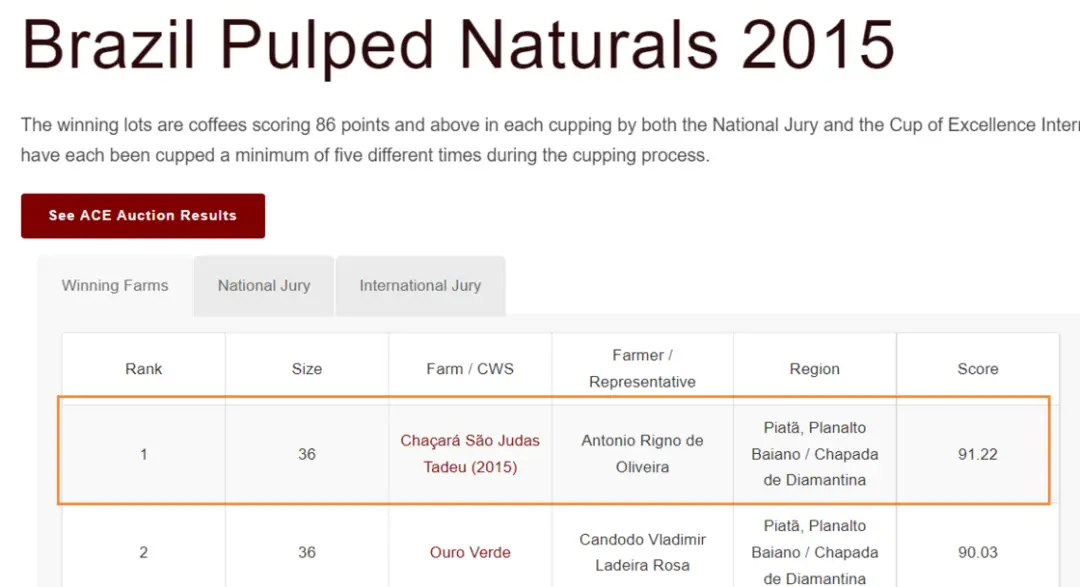
Espírito santo is the second largest production area and the largest producer of robusta coffee, which is dependent on small family farms. The montanas area is between 700 and 1,000 metres above sea level, with a moderate temperature and good quality. Bahia, in the north-east corner, only started growing in the 1970s, with the highest technological content. In 2015, the brazilian half-day tan team champions played 91. 22 points from chaçará são judas tadeu farm in piatã city。
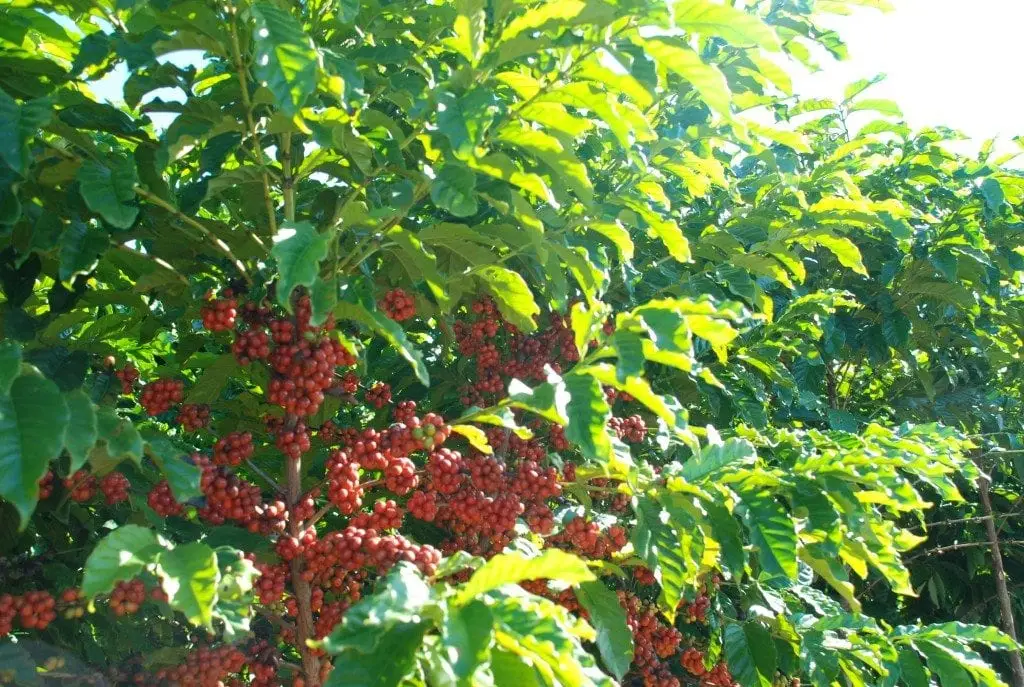
Varieties and treatments determine the feeling
Brazil's most commonly used varieties are the new world of mundo novo, the descendants of the bourbon species and the iron platinum that naturally mated, first found in the são paulo production area in 1943, in the city of novo mundo, now ulupes. This variety is common in brazil and south america, and is almost non-existent in central america. Also, icatu, with more arabic than robusta, aims to reduce the bad taste, preferably by the 26th place in brazil's coe sun in 2020。
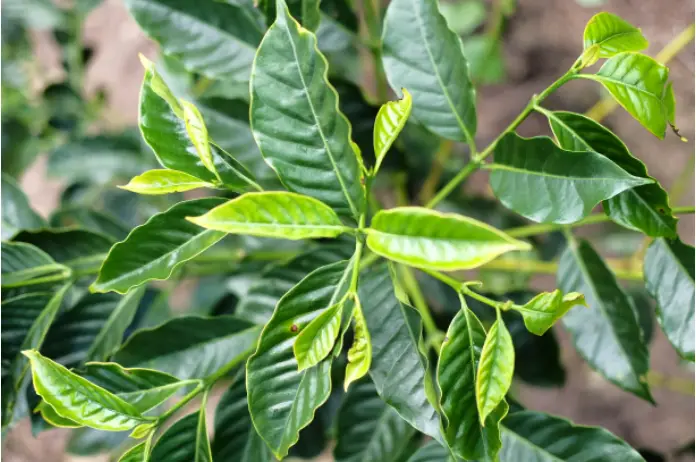
Before 1990, brazil had largely relied on suntan to process coffee. The brazilian precise coffee association bsca was founded in 1991 by a consortium of 12 producers and landed in varginha, south minas, a non-profit organization. The brazilian classification system is more complex than any other country and combines three judgments of defects, size and cup because of the high yield of the site and the fact that the pulses are prone to inconsistency, and the overall level must be confirmed by the cup。
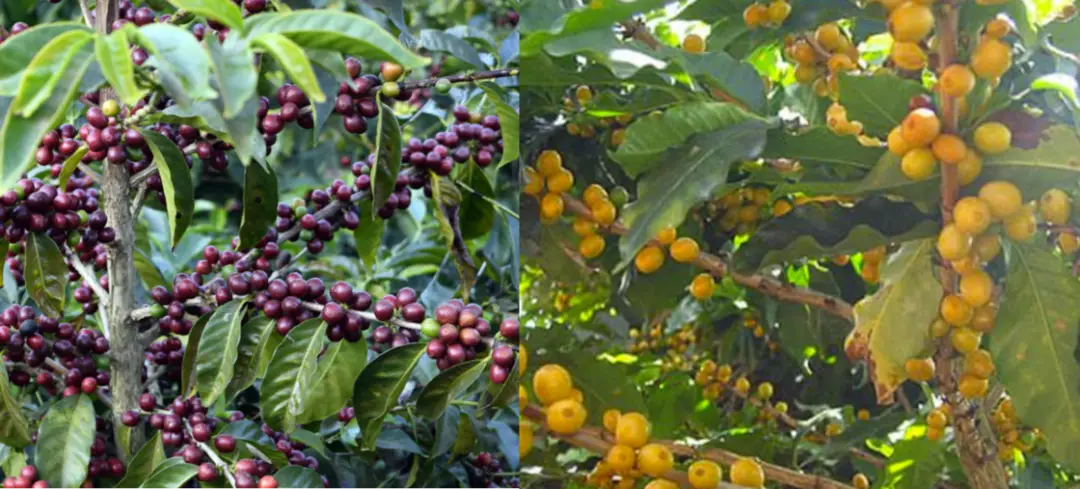
How do you read the grade and name of brazilian coffee
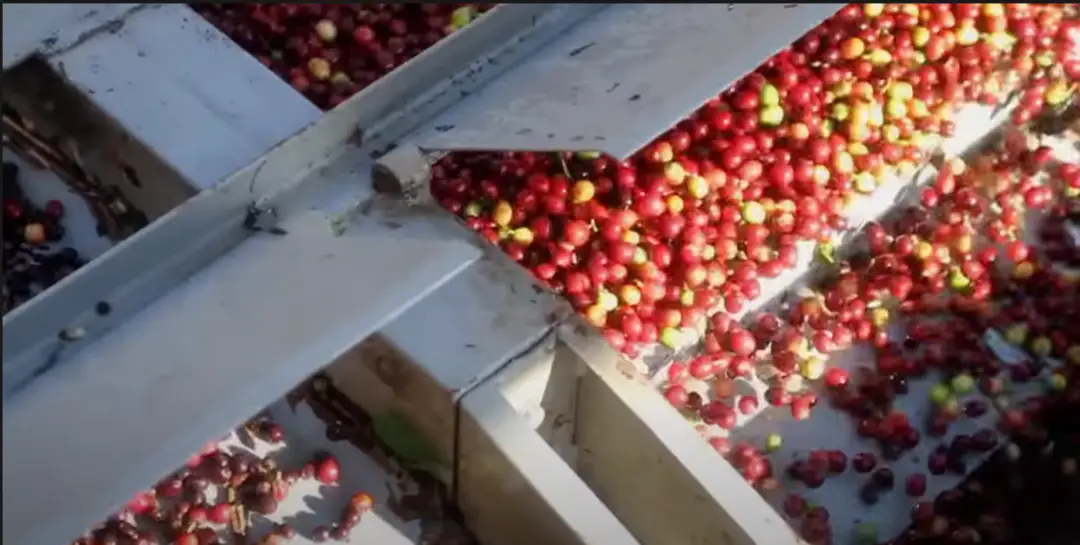
The core of the brazilian hierarchy is the fault classification, most commonly the new york method, with a numerical ranking for every 300 grams of beans. For example, the product name brasil santos ny. 2 ss fc, ny. 2 indicates a level 2 defect, santos is the port of shipment, and fc means full coffee. The whole series of codes essentially covers the place of origin, the grade of defects and the manner in which they are handled, so that the letters are not bought wrongly。
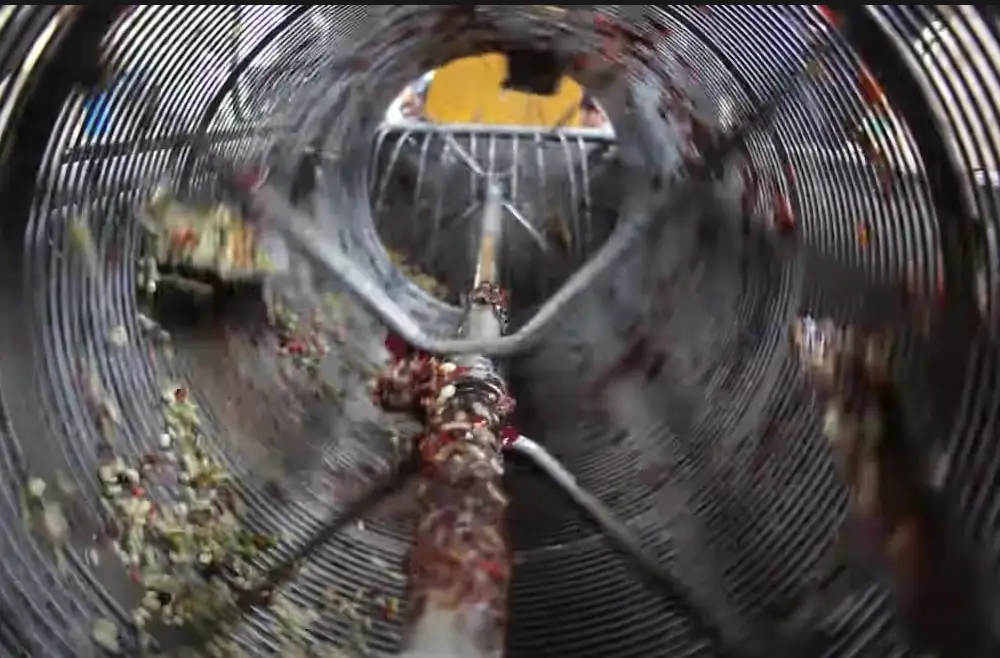
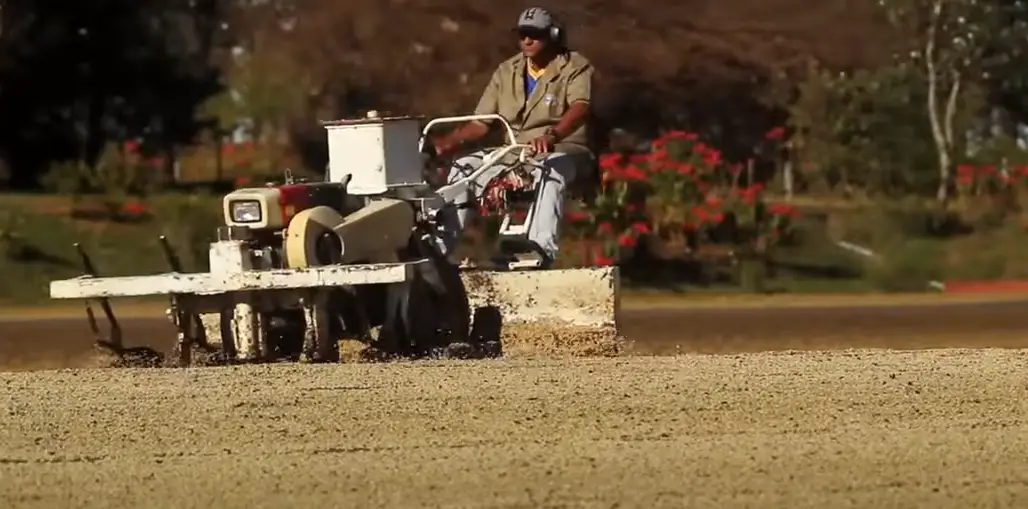
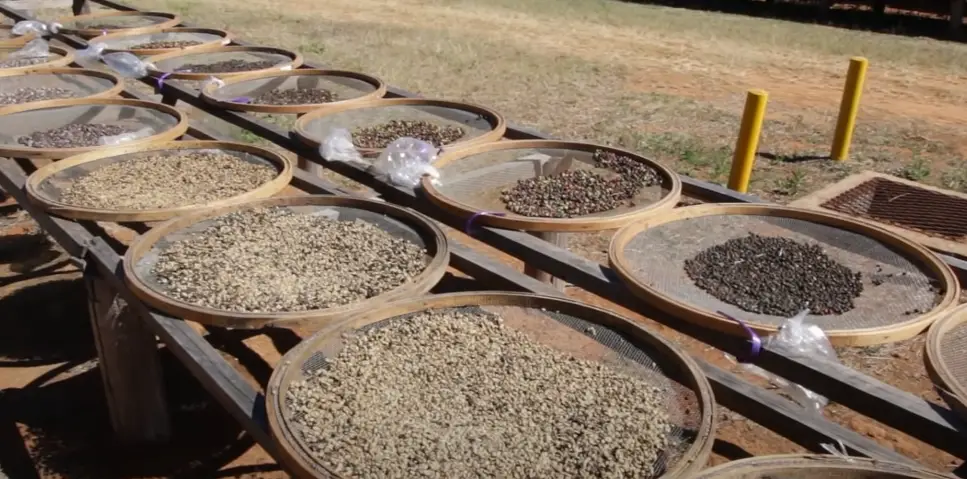
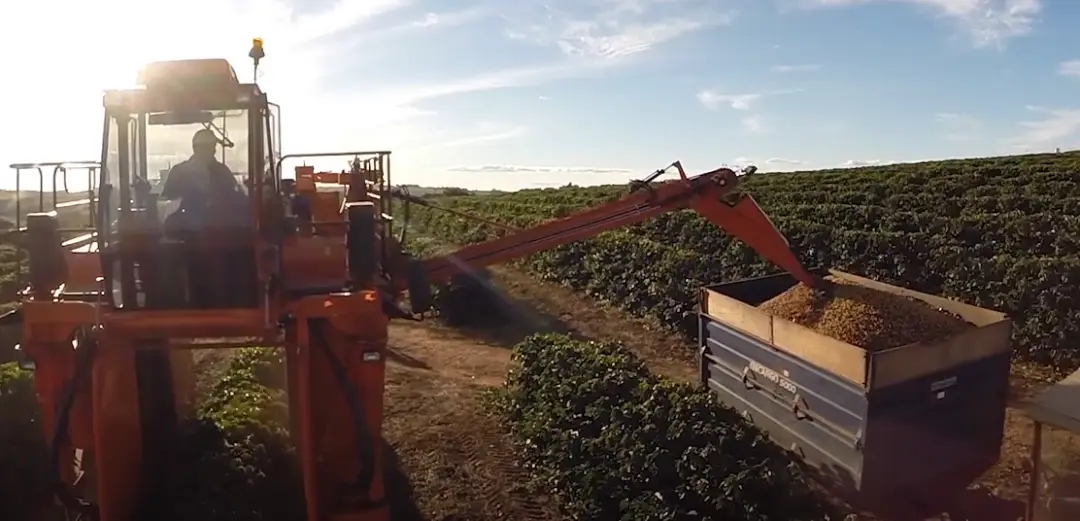
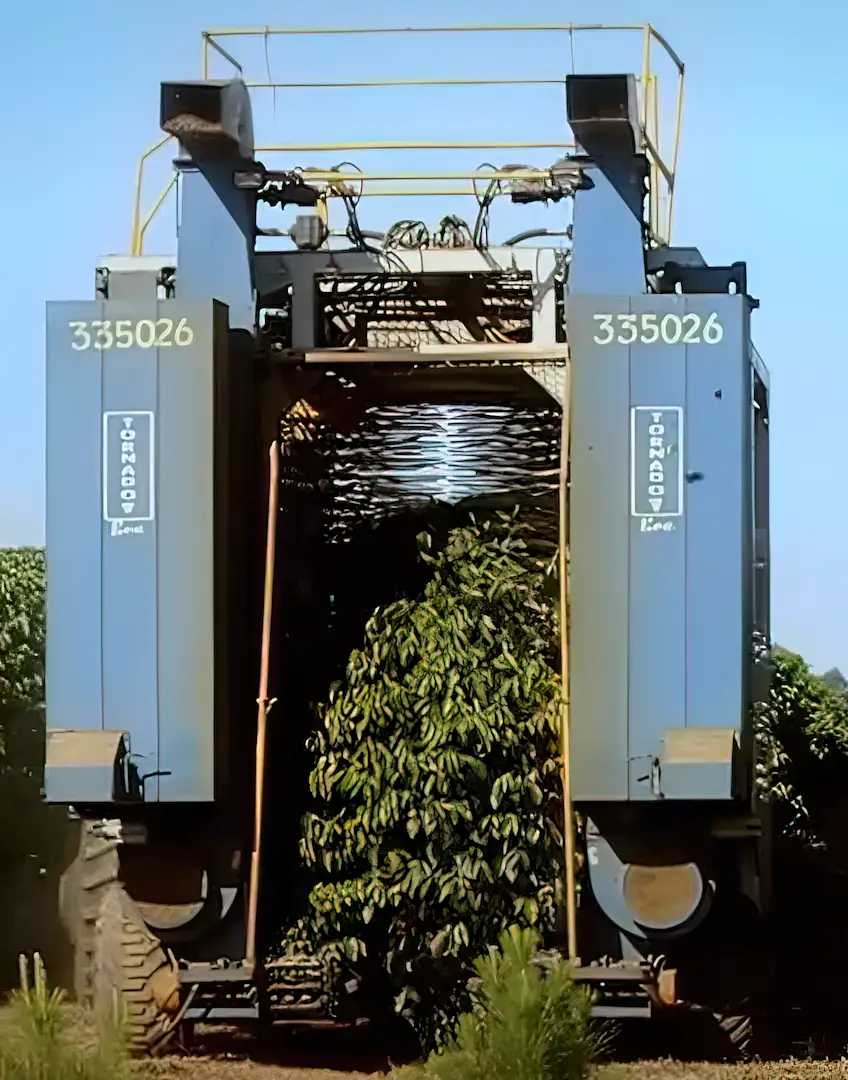
Brazil has the geographical advantage of the plains, which allow for large-scale sprawl cultivation, which is largely based on pure mechanization, and saves a great deal of labour and efficiency. And that's why the grade should be added to the spectrometer, and the machine picks it up with a high degree of mixing, and it doesn't look enough. With 220,000 plantations and 1. 43 million hectares, the absence of a standardized classification system does not control quality at all, and the glass is the last of its kind。
The bag of brazilian coffee on your hands. What grade does the bottle say? The comment section is tanned and retweeted so that more people can read brazilian coffee labels。









