


It's just a few feet high in a yard or a field with a big red purple flowerPoppyIt is far more serious than most people would have imagined that either one or fifty of the plants would be suspected of violating the law, would be fined for detention and would be more than five years in prison。
What kind of poppy is it? What kind of season is it
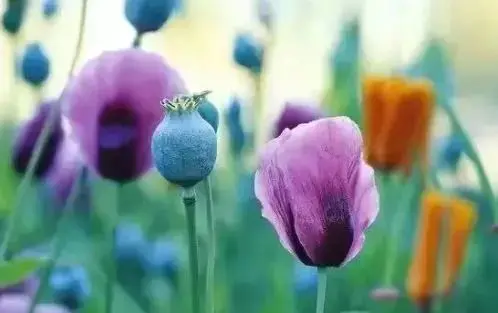
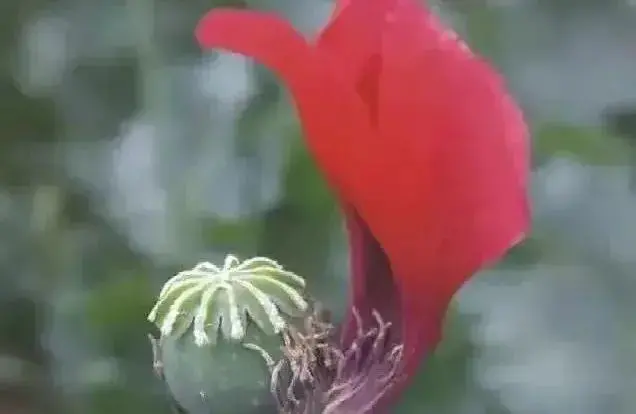
Poppy is a year-old herbivate with green leaves, coloured flowers, pyrotechnics and high berries. It blooms in the summer, it's big, it's single on the top, it's four petals, it's red, purple, it's white. The fruit is spherical or elliptical and contains very small seeds, in very large quantities, condensed in dense sacks, which look like small grains of rice。
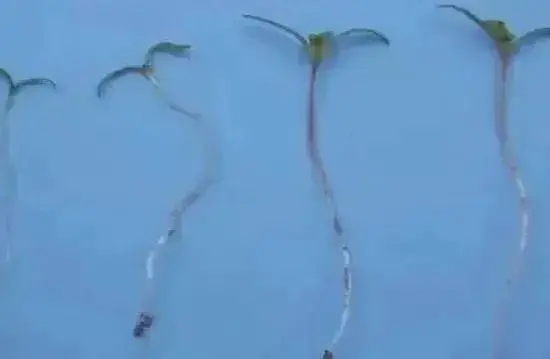
During the planting period, opium poppy is normally sowed from march to april of each year, with saplings coming out in april to may and entering the flowering period in may to july, with the consequences ripen before august. Plantation is large, usually between 60 and 150 cm. If in may or june you find grass plants that are more than a metre tall and blooming at the top of your yard, balcony or neighbor's house, you must be extremely vigilant whether or not it is opium poppy。
What are the dangers of poppy
Poppy is the core raw material for the production of opium, with blades cutting out premature berries, and the white juice flowing through dry processing is opium and further chemically pure morphine and heroin. The whole chain of the drug industry is based on this flowering plant, so opium poppy is called the flower of evil, and there are deadly things hidden beneath the pretty surface。
Even in the absence of poison, the use of poppy shells as spices in the base of a fire pot, the smell of halogens and the smell of barbecues can cause dependence and addiction to the body and poison the liver and heart. Symptoms such as cold, sweaty, weak, thin yellow, sleepy, severely damaging the nervous and digestive system, causing mental disorders and even hallucinations, and, in extreme cases, death due to the cessation of breathing。
How do we identify poppy and other plants
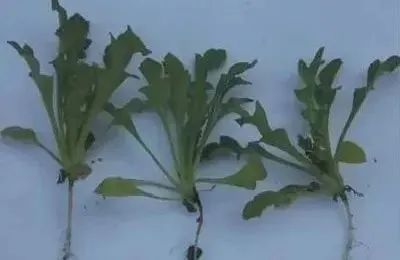
Roofs: the most intuitive feature is that the opium poppy tubers are upright, without branches, and their surfaces are smooth and hairy, with a platinum wax on their hands. The leaves are larger, the edges of the leaves are in an irregular wave pattern, and the base of the leaves hold tight to the stem and form a hold. Ordinary flowers or vegetables rarely have both of these characteristics, and field identification starts with a touch of the penis and leaves。
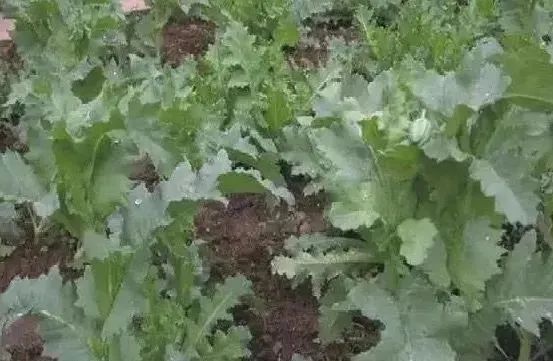
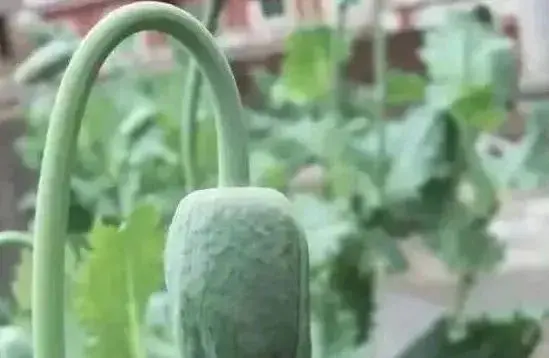
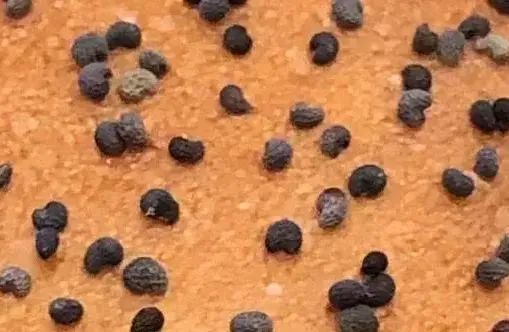
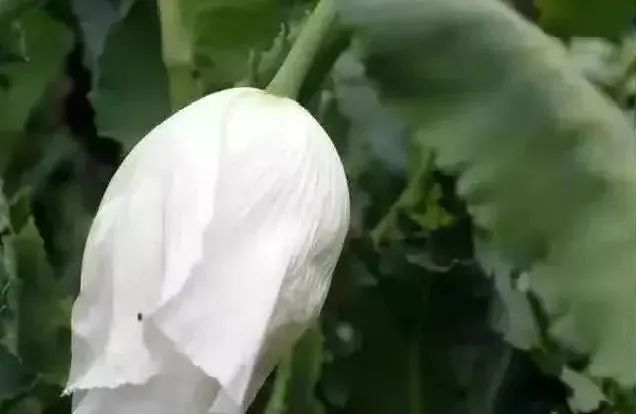
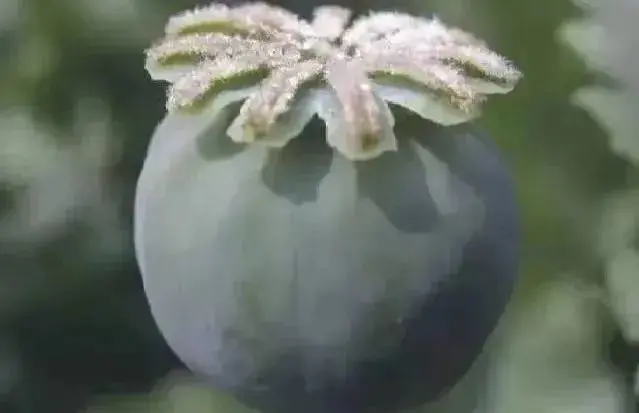
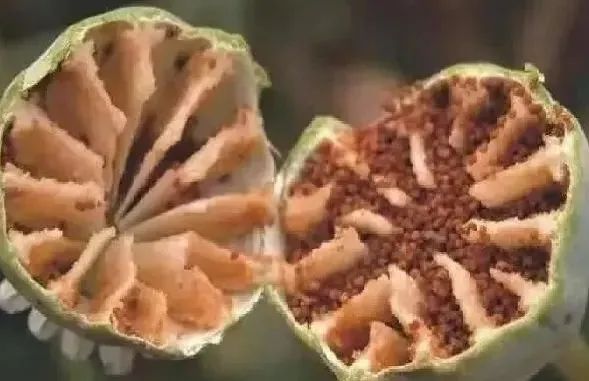
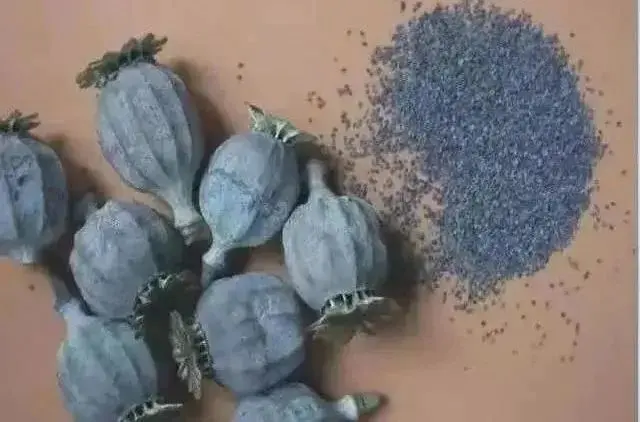
Flowers and fruits are the keyIdentificationPoint. Poppy nectar is white, and the flowers bloom and produce round fat fruit, with a very visible crown structure at the top. Cut the fruit of the berries and see small black seeds that are dense inside. The fully dry opium poppy shell is elliptical, and the black particles attached to it are poppy seeds, with the recognition of the crown structure and the carrying of the leaf almost unacknowledged。
What's the sentence for growing opium poppy
Article 350 of the penal code makes it clear that the illicit cultivation of more than 500 or less than 3,000 of the opium poppy is punishable by imprisonment for a term not exceeding five years, detention or control and a fine; and that more than 3,000 are punishable by imprisonment for a term not exceeding five years and a fine or confiscation of property. The same applies to those who, after being dealt with by the public security organs, refuse to eradicate them。
Article 71 of the administration of public order act, which provides for the punishment of imprisonment for 10 to 15 days, provides for a fine of up to $3,000 and, in less serious cases, for detention for up to five days or up to $500. There is, however, a broad provision that opium poppy will be eradicated on its own initiative before the ripe harvest without penalty. It's too early and too old to be pulled before the harvest。
What if we find someone else who planted the poppy
The crowd found that opium poppy was being planted and called 110 or reported to the police station in the district at the first time, indicating the exact location and probably how many plants had been planted. It is the best way not to pull out on its own, not to take a photo and post it on the internet, on the one hand, with the potential to disrupt the scene and influence police forensics, and on the other hand, to leave it to professionals in case of miscalculation。
Catering operators are more likely to focus on access channels, and the law on policing regulation and punishment also makes it illegal to transport, sell, store or use small amounts of opium poppy shells. Poppy shells should never be added to the base, halogenated water, and food residues were found to be immediately discontinued and reported to market regulators. In addition, the sale, transport and possession of a large number of raw seedlings of opium poppy are subject to criminal liability under article 302 of the penal code。
What do you think of the poppy growing stages
After the opium poppy collapses into the berries season, the fruit plant gradually swells and hardens, with vertical pegs on the surface and a clearer top crown structure. This phase is most easily confused with ordinary, premature fruit, but the cross-berries are full of small black seeds in neatly organized shapes that are completely different from fruit structures such as tomatoes and peppers。
When the fruit is completely dry, it is a poppy shell, with a brown ellipse, with thousands of black poppy seeds. The purchase and use of these seeds is suspected to be illegal if they circulate in the name of "natural spices" in the market for vegetables and spices. Unaccepted plants are encountered, photographs are taken to compare the characteristics of the phases, or the local police station is asked directly to draw conclusions。
Have you or your family's elders ever planted grass plants in the yard, on the balcony, that are "specially flowery and colorful"? I don't know if it's poppies. If you think it's useful, send a message to remind your family not to grow this flower。









