


In summer's gardens, emptied cabbage is definitely recognized as the "landgar king". The higher the temperature, the higher it grows, the more it can be harvested over and over again, from the early summer to the fall of the frost, with virtually no pests or diseases, and with no medication throughout the course, whether home gardens or small areas are suitable. However, there are many people who have taken hollow cabbages to the pit: no roots to be inserted, the longer they grow, the thicker they bite, and the sooner they die without cutting. In fact, the details of the management of the summer show were not in place and the correct method was used to double the production of an acre。
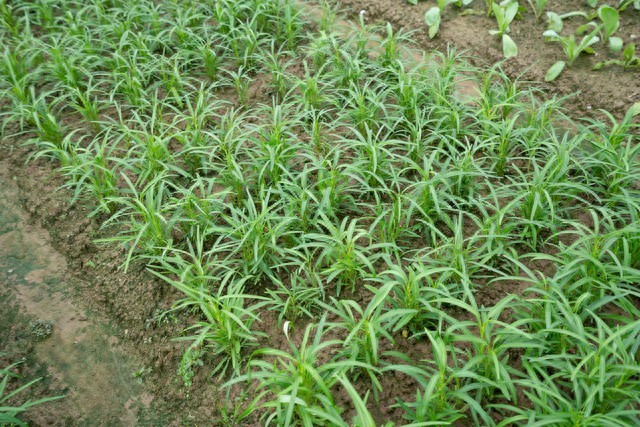
The selection of pairs is a first step towards high productivity. The first three forks of karate and thai karate are for the summer cabbage. Trident cabbage, which is extremely capable of splitting, has three branches at a time, is resistant to heat and flooding, and short-term water is not dying. It is the first option to grow in the field; it is small, very small, fibre-free and soft, suitable for marketing and family food. Don't pick common leaf cabbage, it's less heat-resistant, it's easy to fibroize in high temperatures, and it's low production。
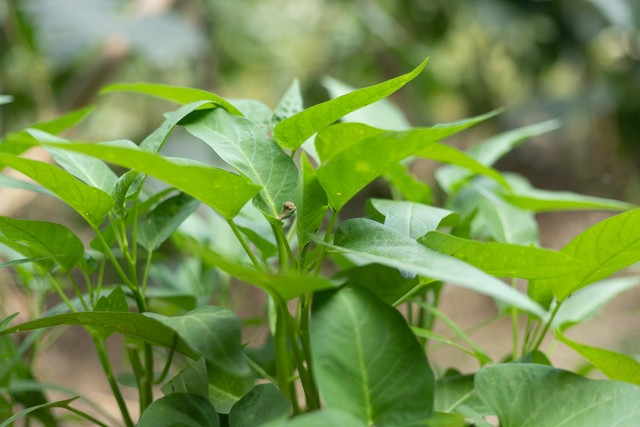
There are two ways of growing the emptied cabbage in the summer, with new hands pushing the intubation method to harvest 10 days earlier than the sowing, with a survival rate close to 100 per cent. Fresh cabbage with a penis is bought directly from the market and is made into 10 to 12 centimetres long, each with 2 to 3 stubs, and the bottom leaves are removed, leaving only two green leaves at the top. Pre-plugs can be immersed in the roots with sugar water for two hours, which can significantly increase root speed. The piping line is 20 cm and the den 15 cm, with 2-3 cm and depth 3-4 cm in each of the caves, and is filled with water, which covers up for two days and gives rise to roots in three days. In the case of seed seeding, 24-hour seeding with warm water is required in advance, with one centimetre of thin soil covered after sowing, with seedlings for about five days, up to 10 centimetres high。
At the heart of field management is the fatty of the water, the wetting and fatting of the hollow cabbage, the softer the water. In the summer high temperatures, water is poured once a day, the soil is kept moist, and drought allows for rapid fibrosis of the tubers and a sense of wood. Fertilizer is mainly nitrogen-based and follows the principle of “hard weight and diligence”, with 5 kg of urea or decomposition of thin dung per acre at the end of each harvest, supplementing nutrients to promote the growth of side branches. In order to make the leaves thicker and more disease-resistant, they can be sprayed with 2 long-term doses of 0. 2% potassium phosphate, increasing both taste and yield。
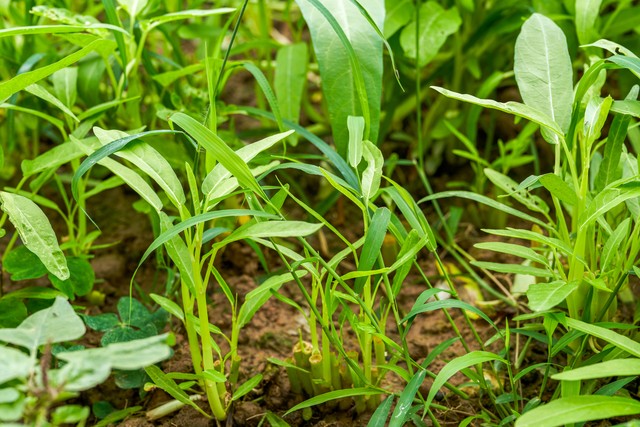
The collection method directly determines the number of harvests and total production. A lot of people have been pulled out, one time is gone, and the right thing to do is to take. When the plant is up to 25-30 cm, the upper stalk is removed from a distance of 2-3 stasis from the ground and the bottom growth point is preserved. Seven to ten days after the strangulation, a new side branch will emerge for each stairwell, which will grow to 25 centimetres and be able to harvest again. If properly managed, the whole body was able to collect 8 to 10 harvests, from june to october。
Common pests and diseases are primarily preventive. In the summer, aphids and red spiders are the most likely to appear, as empty cabbage is frequently collected and highly toxic pesticides are definitely not allowed. A small number of pests flushed with high-pressure water guns on the back of the leaf; a large number of them were sprayed with garlic or pepper at night, and could be completely eliminated by a series of two. The rainy season is prone to stasis, mainly caused by water accumulation, which can be effectively prevented by the early planting of sorghum, and by the timely drainage of water following rain, and by the spreading of grass-wood ash at the base of the tuber at the beginning of the disease, which can quickly control its spread。
Finally, two pit-shelter sites are reminded: firstly, not to grow too dense, and the ventilator is prone to long and disease, so that it can be reasonably implanted in order to produce more; and secondly, not to harvest too late, with more than 30 centimetres of fibre thickening and a sharp drop in the taste, with about 25 centimetres being the best harvest period. If you do that, you'll be able to pick up all the empty cabbage you can grow and eat all summer。
# i don't know #Empty cabbage cultivation"summer gardening"Plantation techniques# i don't know #Sano# high-yielding vegetables









