It is difficult to distinguish between the many and sometimes multiple diseases, which are difficult to treat with medicine. In this post, only the distinction between astrophy, cranium and folicosis, and the measures to prevent and combat it, are mentioned。
I. Distinction
1. The onset of the disease and the target population: the disease can occur throughout the whole reproductive period, with the most severe effects from the condensation to the cucumber period, mainly affecting the penis and the leaves. Penisosis, which occurs during the whole reproductive period, is more severe with a guacamole period, which mainly endangers leaves, chickens and melons. Leaf belated diseases occurred during the high-temperature season of july and august, mainly affecting the leaves。
2. Symptoms of expression
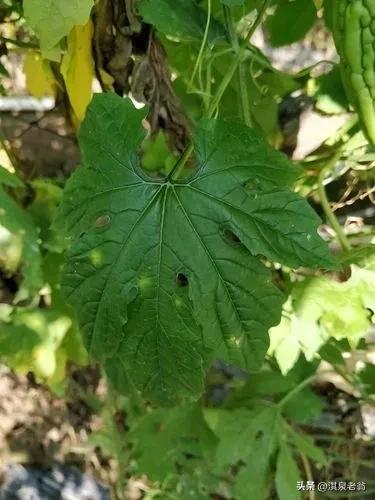
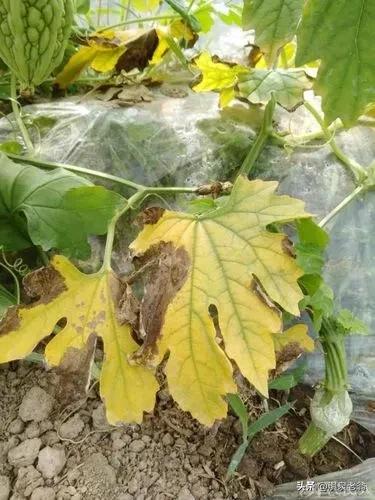
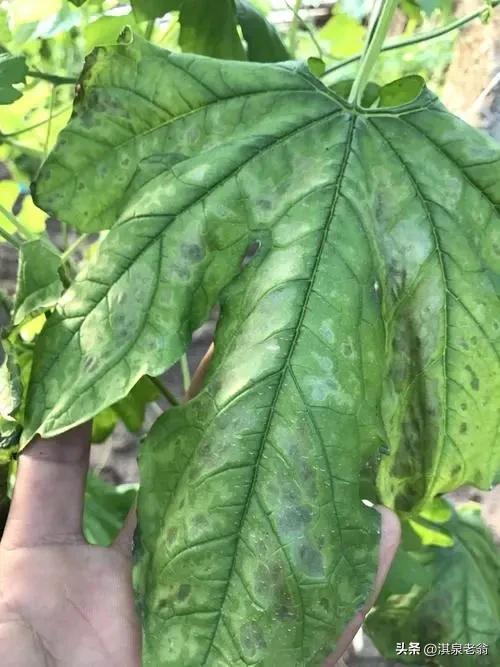
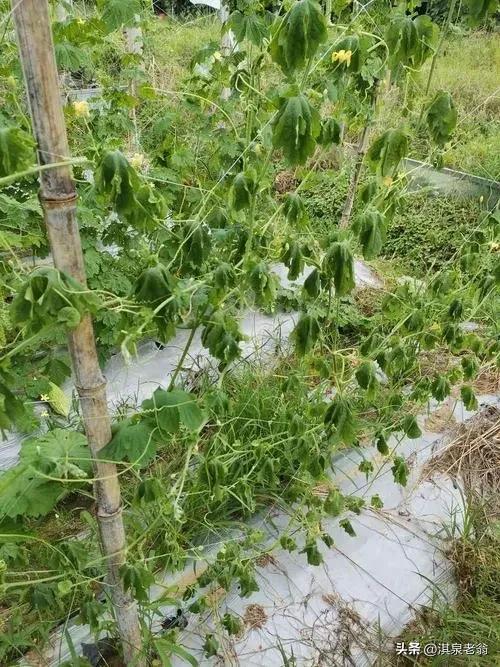
In the early stages of the atrophy, the plant was greened from the bottom up, then yellowed, eventually dying, and the muscular cavity was shown to become brown. In some cases, the roots appear to have light brown and dead strips on their surfaces, which can produce white to pink molds during damp periods, with post-mortem causes decomposition, leaving only the inert tissue. Symptoms of cyanosis: foliage, first small spot of water stains, then round or irregular, brown to brown, with wheeled threads, produces a black spot. Infested with penises, most of them are long stripes, light ash, small black spots, many of which cause the chickens to crack and break, fluids in the humid air and sometimes mammoths in the strain. The melon is infected, initially with a small spot of water stains, and then becomes a little dimmed in the irregular yellow-coloured wood embolism, resulting in a small black dot at a later stage, and eventually the melon tissue is decayed and prone to decay. Leaf is harmful to the leaves, beginning with a visible water spot on the back of the leaves or between their veins, resulting in the disappearance of the leaves when the humidity is high, the formation of round-to-near-colour brown spots when the weather is high, the mixing of the leaves when the disease is full of leaves, the thinness of the disease and the formation of leaves。
3. Conditions of morbidity
Soils are damp, rainy, high temperatures, soil moisture is too high and low, young seedlings are ageing, intermingled, organic fertilizers are applied that are not decomposed, nitrogen fertilizer is applied, the density of which is the common condition for all three diseases, and the risk of atrophy is associated with the effects of the disease. The flatting plant is the main cause of the chicken. The lack of fat leaves and the weak growth of the plant are important conditions for fever。
Ii. Drug control
Decay control: at the beginning of the onset of the disease, 50% of the benomyl humid powder 800 ~ 1000 times more liquid, or 54. 5% of the fungus fomi dihumid powder 700 times liquid, or more than 80% of the more than 70% of the more than f. Zinc humid powder, or 5% of the dichloroethylene ethylene ethylamide aromatic powder 300 ~ 500 times liquid, or 68% of the fungus foumi dihumid powder 800 ~ 1,000 times liquid, or 70% of the fungus humid powder 2,000 times liquid, or of the 50% of the benomy humid powder 1,000 + 50% of the fomi diglutable powder, or 10% of the anticinogen humid powder 600 ~ 1,000 times liquid, or 4% of the nuclemoxin antibactrin water agent 600 ~ 800 times liquid, pouring or rooting, depending on the condition 7-10 days, with 200 ~ 250 mg per drug, 5 ~7 series。
Penis control
Prior to the onset of the disease, 25% ester suspension 1500 times the fluid, or 70% propzenzic humid powder 500 times the fluid, or 75% bacterial wettable powder 600 times the fluid spray, or 80% dysentery wet powder 800 times the spray, at intervals of 7-10 days。
In the early stages of the disease, 30% of phenol sulphate cyanide emulsifiable concentrate may be used as an option, i. E. 2000 ~ 3000 times more liquid than 75% bacterial wettable powder 600 times liquid, or 40% of fluorosilvilic emulsifiable cream 3000 ~ 5,000 times liquid, i. E. 6000 ~ 800 ~ 800 times liquid, or 25% meshamine emulsifiable powder 600 ~ 800 ~ 1,000 times liquid, or 70% distillant, or 2. 5% hagla suspended clothing agent 1,000 ~ 1,500 ~ 1500 ~ 3,000 times liquid spray, or 20% cyclastic polyfluent, 5-7 days apart
Prevention and treatment of folate: 30% of fungi ester suspension 2500-3000 times more liquid, or 25% of ester suspension 1500-2000, 75% of the bacterial wettable powder 600-800 times liquid, or 80% of the dissemperant zinc humid powder 800-1,000 times liquid, or 70% of the copper hydroxide hydroxide humid powder 800-1000 times liquid spray at intervals of 7-10 days. Thirdly, 10% of the acetate water dispersant 1000-1500 times, or 50% of the hemophilia, is optional at the onset of the disease. Wettable powder 1000 ~ 1500 times more liquid than 70% dyson manganese zinc humid powder 800 times more liquid, with a interval of 5-7 days。