


Corn, a globally recognized “gold crop”, consists mainly of nutrients such as calcium, vitamin e, cythalene, cellulose, magnesium, selenium and fatty acid, providing nearly 300 milligrams of calcium per 100 grams of corn, almost equivalent to the calcium content contained in dairy products, which can be described as “health care” in the staple diet. At the same time, maize is one of the most widely distributed food crops in the world, growing second only to wheat and rice. Some of the more common types of maize in the market are described below。
01
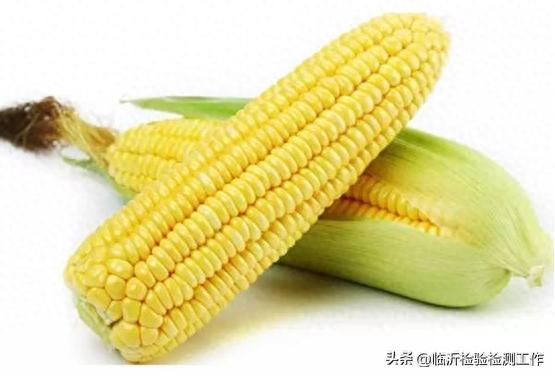
Sweet corn, which has the same morphological characteristics as normal corn, is considered by many to be genetically modified maize, which is unhealthy, but is not a genetically modified species and is mixed. Sweet corn, also known as vegetable corn, is sweet because of its high sugar content, which varies over time, and sugar content in its grains is 2-10 times greater than normal maize during the suitable harvest period. Sweet maize contains a large amount of dietary fibre, which takes longer to digest after full consumption, prolongs stomach digestion, makes it easier to saturate and reduces calorie intake. Tastes of corn mustaches are sweet and smooth, reducing blood resin, sugar and oedema, so they are edible and complementary to diet。
02
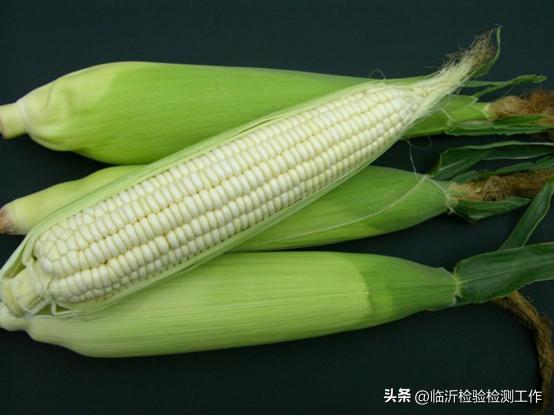
Salmon corn, also known as sticky corn, has a higher content of starch, a more subtle and soft taste, easier to chew, higher viscosity and mouthworthiness and higher absorption. Salmon corn is digestible because it contains a large amount of chain starch and has a high absorption rate and a much higher stomach absorption rate of this corn. People who are indigestion are given a choice, and corn is not particularly appropriate if they want to lose weight。
03
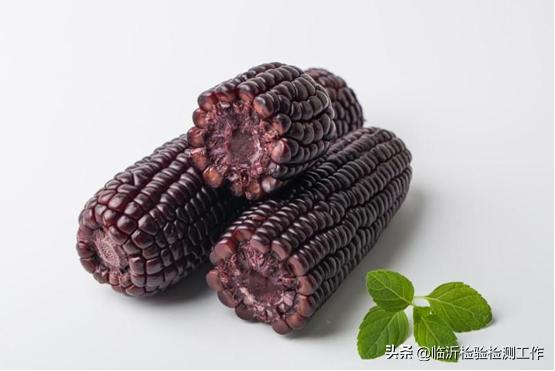
Black corn, a special type of corn, looks dark and bright, tastes sweet and tastes light caramel. Corn grains are rich in water soluble melanol, as well as various human requirements such as micronutrients, plant proteins and amino acids, with a significantly higher nutritional content than other types of maize and other grains. Black corn is rich in nematodes, is resistant to oxidation, acts as a beauty guard, removes free radicals, is known as “oral cosmetics” and is therefore particularly suited to women who love beauty; it is of high nutritional value and has a high micronutrient content of black corn, 2-8 times that of other grains, containing more than 18 types of amino acid, eight of which require amino acid composition and content to conform to the “ideal protein” model proposed by the food and agriculture organization of the united nations, whose nutritional value is comparable to that of animal protein and is an ideal food for vegetarians。
04
Fruit corn
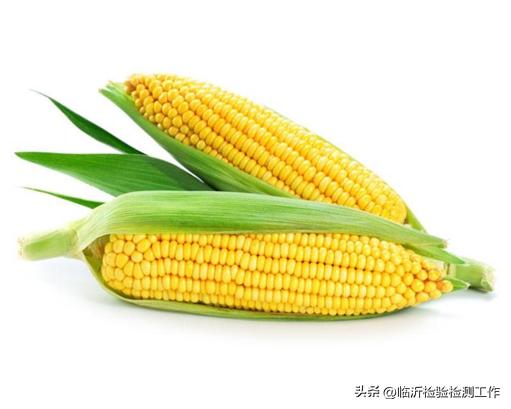
Fruit corn, which is a very sweet type of corn suitable for being eaten alive, is the type of sweet corn, which is more sugary, “super-sweet corn”, which is rich in nutrients and is very sweet, fresh, thin and tender, and is popular and suitable for all segments of the consumer population. It is called “fruit corn”, which is recently the new favorite on the market, with close nutrients and sweet corn, with higher sugar content. Although corn helps to lose weight, it's caught every day eating corn, and the rest of the food is barely touched. Corn is only one of the staple foods, and the meat, egg and milk vegetables to eat are not scarce, and there are many options available to supplement minerals and trace elements。
A sweet hint
First, don't buy corn at once without corn, because it's easy to get bad, and it's a strong carcinogen. A day or two of ready-to-executed maize can be skinned and stored in a plastic bag with holes, which is more conducive to freshen up. Secondly, when corn is to be eaten cleanly, do not leave small particles on the core of the bar, because it is a very nutritious seed of corn, which is not only rich in unsaturated fatty acids, but also in vitamin e, so that it is eaten clean. Thirdly, a leaf mustache can cook together when we eat corn. Actually, it's wasted. Corn mustaches are also referred to as “lon shavings”, and when they are cooked in a pot, the soup water is “lon shaving tea”, which is analysed by chinese medical doctors and which facilitates the use of urine to swollen and urchine. Lee lingyu, based on online data









