


Bibliography of video materials:
Episode 1:
1. The black-mule panty bagPlantation techniques
2. Blackwood ear bag cultivation technology
3. Blackwood ear cultivation in the highlands
Episode 2:
1. Yellow-backed mammoth cultivation technology
Yellow ear 10 planting technology
3. Whiteback wood ear cultivation technology
Episode 3:
1. Gear bagging techniques
2. Mistakes caused by ecstasy
3. Beware of business opportunities
Episode 4:
A wooden ear hanging
2. Black wood ear in the rice field. Wood ear hanging in the shed
Wood under the ringside
4. Yatung moo is small
5. Moo yi, housing district
6. Dereliction to wood
What do you notice
Episode 5:
1. Production techniques for the production of mussels
2. Producing techniques for the cultivation of mother mushrooms (reference)
3. Technology for the production of chicken cyanobacteria mother species for expansion of branches and cultivation (reference)
4. Technology for the production of level 4 bacterial species (widgets) at the apricot mushroom factory (reference)
5. Liquid fungi production techniques
6. Systemic planting techniques for edible bacterial fluids
Episode 6:
1. Exercising bacterial high-efficiency stoves
2. Efficient fungicide pots
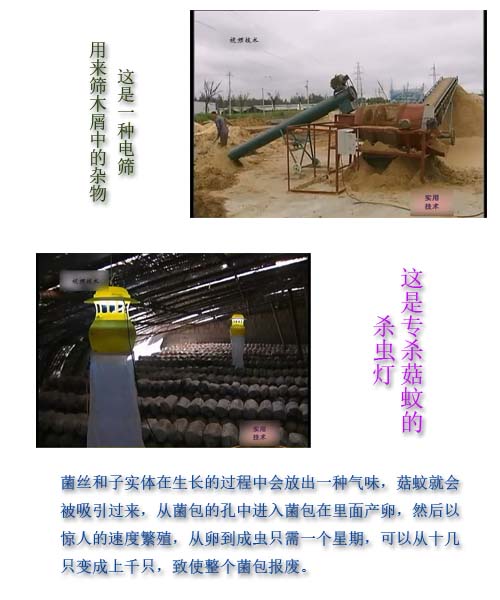
Roller sifting wood crumbs
Insecticidal lamps for fungi consumption
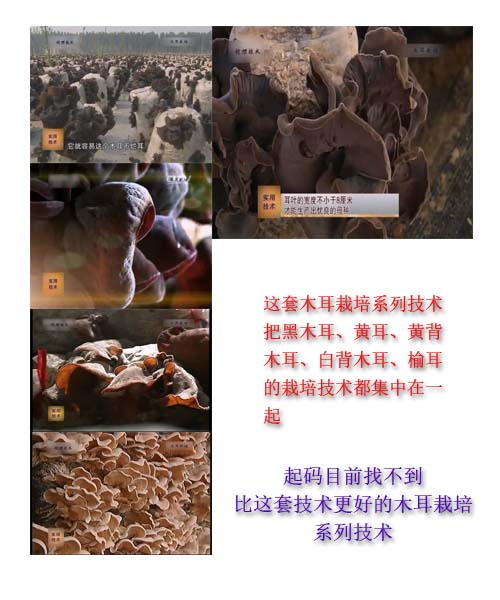
This set of wood ear cultivation techniques, which combines black, yellow, yellow back, white back, and ear farming techniques, in particular the application of the large shed bag-stereoculture techniques, has significantly increased the yield and quality of wood-growing, with the same area being five to six times the traditional flat-level planting, thus saving land resources。

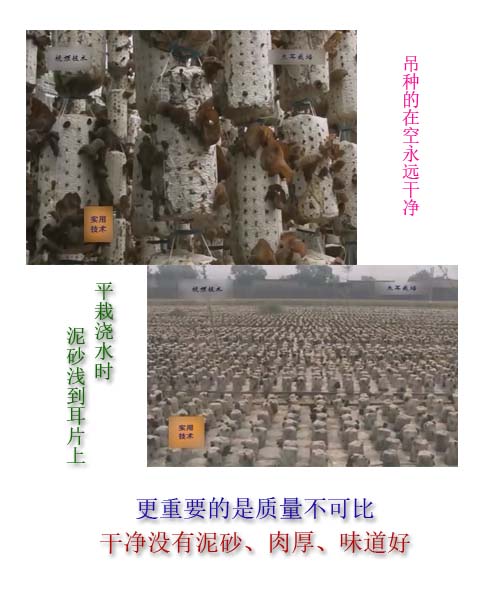
Because the wood is hanging in the air and cannot be exposed to the ground, the soil and gravel on the ground are not taken to the wood without any contamination in the frequent watering。
The temperature, humidity, ventilation and light in the sheds can be artificially controlled, and the quality of the wooden ear is technically assured. Through temperature regulation, the ear ear is thicker and tastes better and sold at a much higher price than traditional methods。

As a result of intensive stereocultivation, water can be poured up to down into every fungus bag, thus saving 70 per cent of the water, and if it is recycled into a cycle, it saves more water and costs much less。
It is easier to manage operationally, saves labour and saves time。
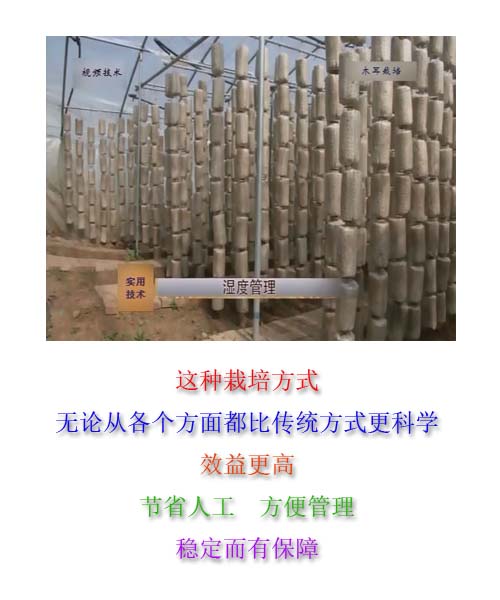
This approach is appropriate everywhere and can be large and small, with small plots with high yields. Money is smaller, money is bigger, it is flexible and it is more efficient。
Also worthy of mention is the cultivation of elephant, which is a precious drug that uses fungus as well as eucalyptus, which is simple and productive。
Compared to other edible bacteria, tastes and tastes are completely different, like hoofing and chewing in the mouth is like eating sea cucumber. That's the beauty of mushrooms and the sense of euphoria that ordinary mushrooms don't have, and that's where they sell。
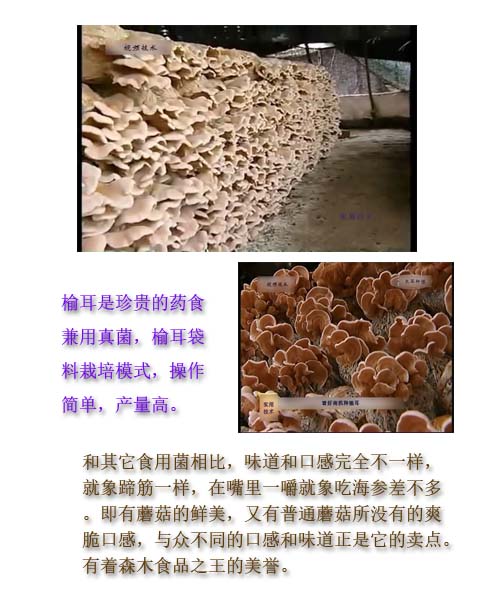
The king of forest foods。
A fungus in elephant earns between three and four dollars at a cost of about $1. 5, and profits are considerable。
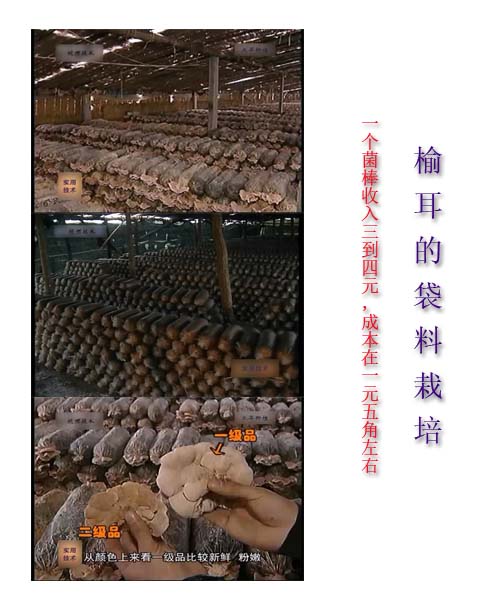
This set of techniques is not only professional, but also a number of realistic cases, each with different characteristics and methods, and is a good example to be drawn upon。
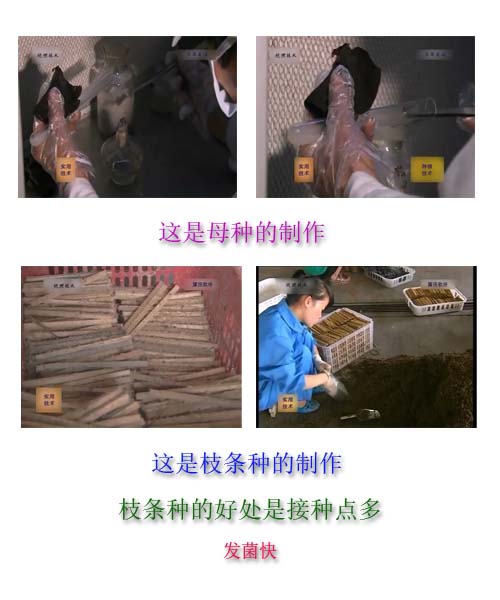
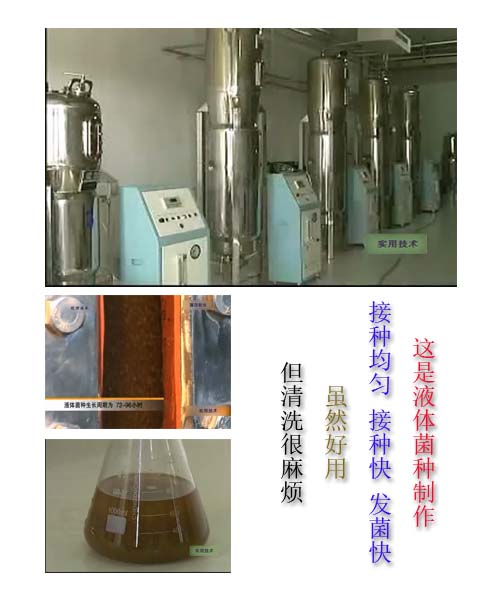
Microbolic production techniques, including mother species, primary and productive species, are also in place, especially for the use of branch species, to make vaccinations more comprehensive and to produce bacteria faster. The availability of bacterial production techniques avoids the problem of morbid bacterial species, avoids the high cost and concern for their quality of inputs, and can cause enormous losses to itself by buying counterfeit or poor-quality bacteria on the market。
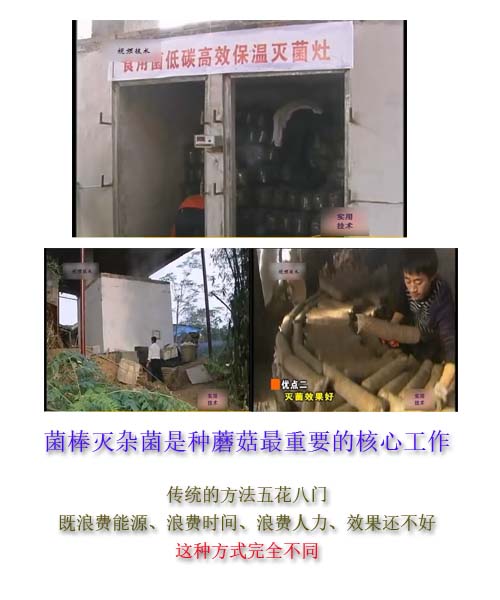
One of the most important and painful problems in the cultivation of edible bacteria is the eradication of the fungi, which has poor yield and quality
It's basically this chain, where the eradication is incomplete and even the whole planting process is destroyed. And there's a wide variety of anti-bacterium equipment, and it's mostly not working well. This set of techniques is specifically equipped with a diet of high-efficiency cookstoves, which are used as a method of sterilization, both to save energy and to reduce workload and to achieve particularly good results。
In the process of growing up, mycobs and sub-entanglements will emit a scent, and mushroom mosquitoes will be drawn in, coming from the holes of the fungus to lay eggs in them, and then growing at an alarming rate, from eggs to insects, one week only, from a dozen to thousands, leading to the extinction of the whole entomology. There's a fungicide lamp that specifically addresses this problem。
Website of educational materials:
Wireless: tm655-com









