


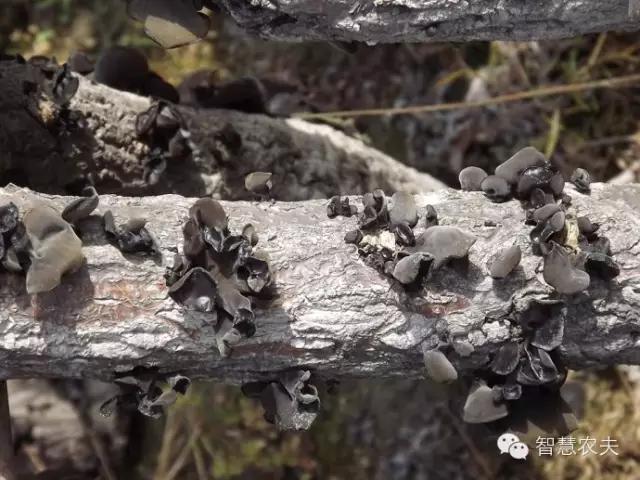
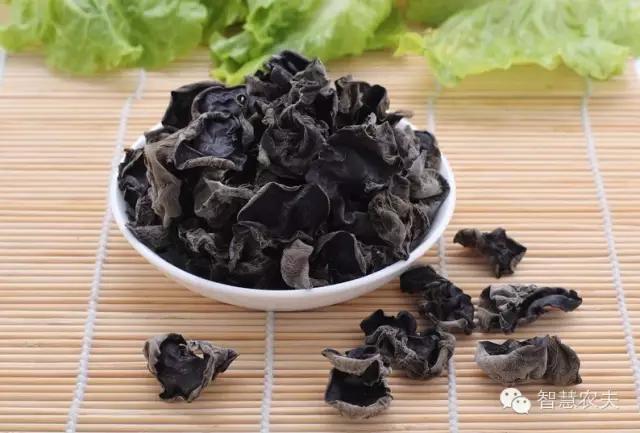
Thank you for coming in. Don't get me wrong. Black muir is a nutritious food we always eatBacillus consumptionIt is our traditional health-care food and export commodities. Its aliases are many, because it grows on a wood of rotting wood, and it looks like a man's ear, and it looks like a moth, and its taste is as good as a chicken, so it is also called a chicken and a wood machine: the wood of heavy petals is embedded in trees, like a cloud, and it is known as a cloud。

There are two main types of wooden ears that people often eat: a smooth abdomen, black, and gray or brown with hair on their backs, known as mammoth ears (known as wild wood ears); and a smooth, brown, translucent, known as phoenix. The bush ears are large, but they are coarse, not chewable, smelly and cheap. Photowood has a soft, smooth and well-nourished ear, which is a form of artificially intensive cultivation。
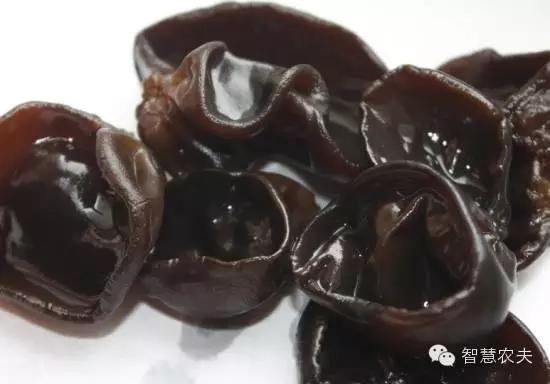
It is about 600 a. D., the country's origin, and it is the world's first edible species of fungi, cutting flowers with logs. The main method of blackwood ear cultivation is divided into:Part of wood cultivationIt's two things. Today, mr. Farmer would like to introduce you to some of the techniques used to develop black wood. The wood-mutilation techniques are mainly in the areas of seeding, site selection, earwood preparation, vaccination, plant management, stacking and ear management。
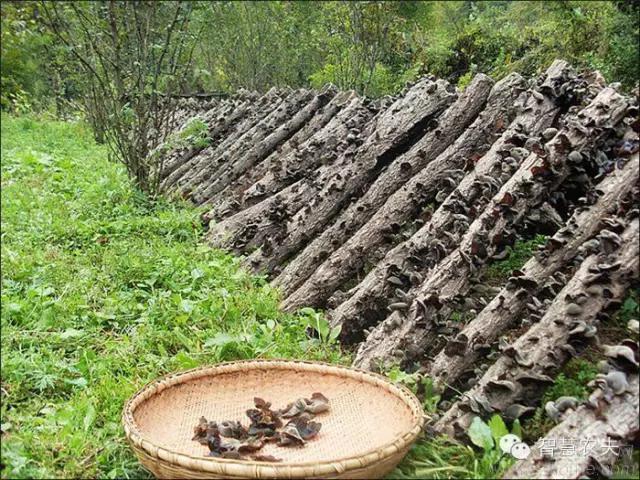
Plantation
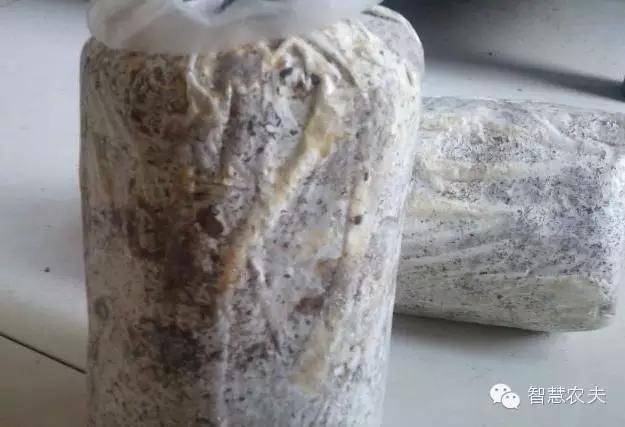
The fungus consists of sawdust, which is made of scavengers, etc., made of scavengers, and wheat, which is 1. 5 cm long with branches of 1 cm diameter, which are added to nutrients such as sugar and rice, and are bottled with high-pressure sterilisation, access to the mother species, and one month of culture under 25 to 28°c, where the fungus is full。
2. Selection of cultivation sites
The site where the black moor is grown shall be chosen for a back wind of up to 1,000 metres above sea level, with long light and less shade, warmer, less warm and wet by day and night, and more resourceful near the water source。
The site was selected for clean-up, starting with the removal of weeds and dead leaves, the opening of drains and the eradication of insecticidal pests such as lime and dichlorvos on the ground。
Three, earwood ready
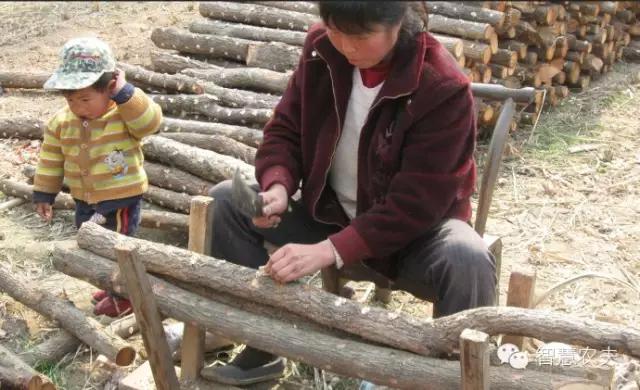
There are many types of ear trees that grow black wood, and any tree that can plant mushrooms can be used to plant black wood. The main species are the tree species selected for shellworks, woodworks, etc., e. G., platinum, platinum, platinum, platinum, rice, platinum; and so forth. In addition, male, mammoth, euphemism, euphemism, willow, sank, bellwood and so forth are also commonly used in production areas. The period of tree cutting is from the time the trees entered hibernate to the time the new buds were born. The tree age is 8-10 years. The tree path is 10 to 14 centimeters. Cut the tree and go to the top. Shaving, cut to 1 to 1. 2 meters of wood. Put the sawn wood on a high, dry, ventilated, sunward spot so that it can ferment as soon as possible. Flipping every 10 days or so, contributing to a levelling of wood. It is usually 30 to 40 days, and 70 to 80 per cent of wood is dry, allowing vaccination. If the wood is infested with fungs and pests, it can be smoked with grass or branches prior to vaccination and darkened to the skin, both to remove the worms and to enhance the heating, water-absorbing properties of the bark and to promote the growth of black wood earl。
4. Vaccination
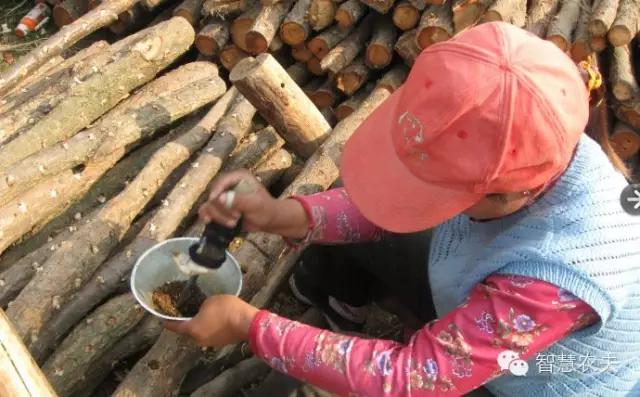
Artificial inoculation is the key process for the success or failure of blackwood and is the most characteristic of new techniques. Vaccination times, usually at temperatures above 15°c, are conducive to the growth of methococcal silk. The timing varies depending on the climatic conditions, with the southern provinces covering the period between march and april. Proper early vaccination, pro-early infection, early warning and low temperatures can reduce the infection of fungi and pests. Before vaccination, a section of wood is washed and sun is tanned for two to three hours. Inoculations are common in the form of wood crumbs, tree bacters and wedges. In the case of wood crumbs and tree saplings, an electric drill or a belt of 11 to 12 mm in diameter is required to pierce the cave with 15 to 2 cm. The general vertical range is 10 to 12 cm and the horizontal range is 4 to 6 cm. If properly planted, the longitudinal range is reduced to 6 to 7 cm, which is conducive to bacterial growth and production. Rows with rows of caves are stylish or plum-shaped. The wood crumb species are filled with caves, plus a lid 2 mm in diameter greater than the vaccine, which covers and tightens in order to prevent the drying of the bacteria. And those who grow the twigs shall grow the wood in the ear. Vaccinations, vaccinations, lids, etc. Are performed continuously to maintain the original humidity of the dens, fungi and bark cover in order to facilitate the survival of the species. If wedge is used, it shall be made of an ax or carpentry, cut into a depth of 2 cm at 45 o'clock on a section of wood, and then a small hammer shall be used to inject wedge into the inoculation, with a hammer and a hammer。
5. Plantation management
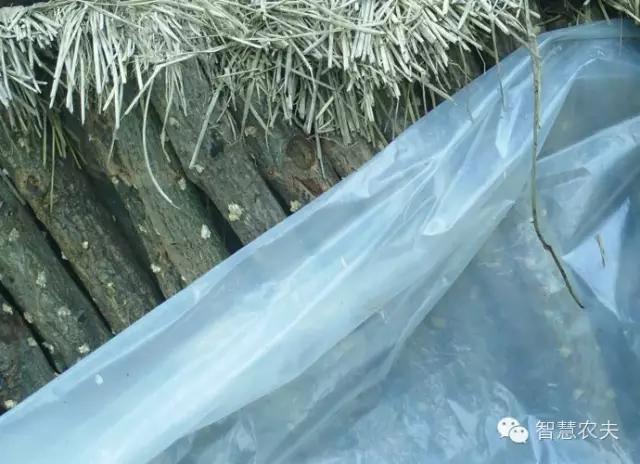
After vaccination, in order to maintain a high temperature, humidity and sufficient air to promote early growth and planting of bacteria in earwood, and to increase living rates, earwood must be stacked. This is done by putting inoculated earwood into a “well” font frame, piled up into small piles of 1 metre tall, piled with dry and wet thermometers, covered with thin membranes around them, stacked at between 22 and 28°c, with a relative humidity of around 80% of the air, and leaving a gap of 5 to 6 centimetres between earwoods for good communication. The pile is then rolled every six to seven days, changing the position of the upper and lower parts of the earwood, so that the temperature is consistent and even. If the earwood is dry, appropriate water can be sprayed and then covered with plastic film after the bark is dried. When the temperature is high, air is ventilated every three to five days at noon, and air is replaced with a combination of spray cooling. Usually, after three to four weeks of stacking, mycelium in the black ear has grown into earwood and can be dispersed。
6. Discrepancies
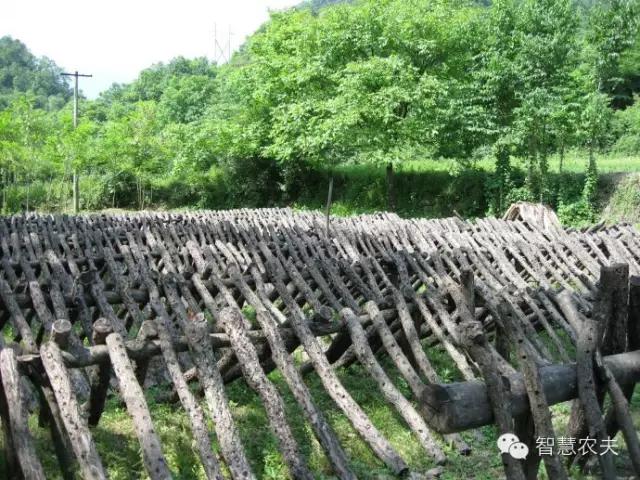
The breakout field is a continuation of the pile, designed to spread mycelium to the depths of the earwood and to move it rapidly from the growth stage to the development stage. The site of the platoon is required to be humid to the sun and properly covered, with a floor of earwood laid on the ground with short grass. In the case of mud, a wooden pole should first be placed across and then the earwood should be released on top of the pole, each 6-8 cm apart. This allows for the absorption of the currents on the ground, the acceptance of sunlight and fresh air, the promotion of ear buds, and the avoidance of full earring, resulting in wetting, smothering of bacterial species and mud-spattered earwood. During the rehearsal phase, earwood is flipped every 10 days or so, well water is sprayed to regulate humidity and, after more than a month, ear buds can rise。

7. Ear management
Water management
The soundwood rises in the summer, the temperature is high and the weather is dry, requiring the timely application of automatic spraying to spray water, requiring long-term spraying, and the soundwood to absorb the water and promote the occurrence of ear buds. More water should be sprayed during the growing-up of ears, more sprayed during dry and hot seasons, less sprayed in the dark, less sprayed in the wood, and water sprayed in the morning and evening。
Management of ear and ear and back
After approximately one week of water administration, if the shield reaches the earpiece tablet, the ear root is thinner, the colour is faded, the earwood is tremor, the dew is collected in the morning, the earkick is held and the eark is rotated around. Spring and autumn needs to be small, voor has to be small enough to be infested by high temperatures and pests, and then the wood should be put on a sunstand and dry in a strong and well-ventilated place. Water sprays should be stopped for three to five days or more after each stroke, promoting the growth of mybs to the depths, followed by water spray management, so that dry and wet alternations can contribute to the growth of mybs, nutrient accumulation, the occurrence of ear buds and the high quality of production。
Nutrition
The nutrients of the black moor containing 10. 6 g of protein, 0. 2 g of fat, 65 g of carbohydrates, 7 g of crude fibre, 375 mg of calcium, 201 mg of phosphorus, 185 mg of iron, in addition to vitamin b1 0. 15 mg of vitamin b2 0. 55 mg of vitamin b2 and 2. 7 mg of tobacco acid, according to modern scientific analysis. As a result, moo moo has always been popular with a wide variety of people, often as a recipe for cooking and cooking, or with red dates, licorice and sugar, and as a good, season-round snack, not only to be fresh and smooth, but also to increase appetite and strength. It has a certain adsorption capacity; it has the effect of cleaning the stomach and digestive cellulose in the human body. It is therefore an indispensable health food for textile workers, mine workers and barbers。
-----------









