


24 march, newslead onlineHunanProvinceOil and tea industryPolicies and technologies for processing oil and tea plantations。
The hunan daily news, full media reporter, huang yu, correspondent, sunday summer rain
“from planting the next sapling of oil and tea to becoming tea oil on the table of the common people, one, two and three would need to be supported by an entire industrial chain.” 24 march, “photo feed booth”, hunan provinceRural revitalizationPeng xiaobai, deputy director of the provincial forestry economic development centre (pafed), highlighted my approach to the “stable base” of oil and tea production。
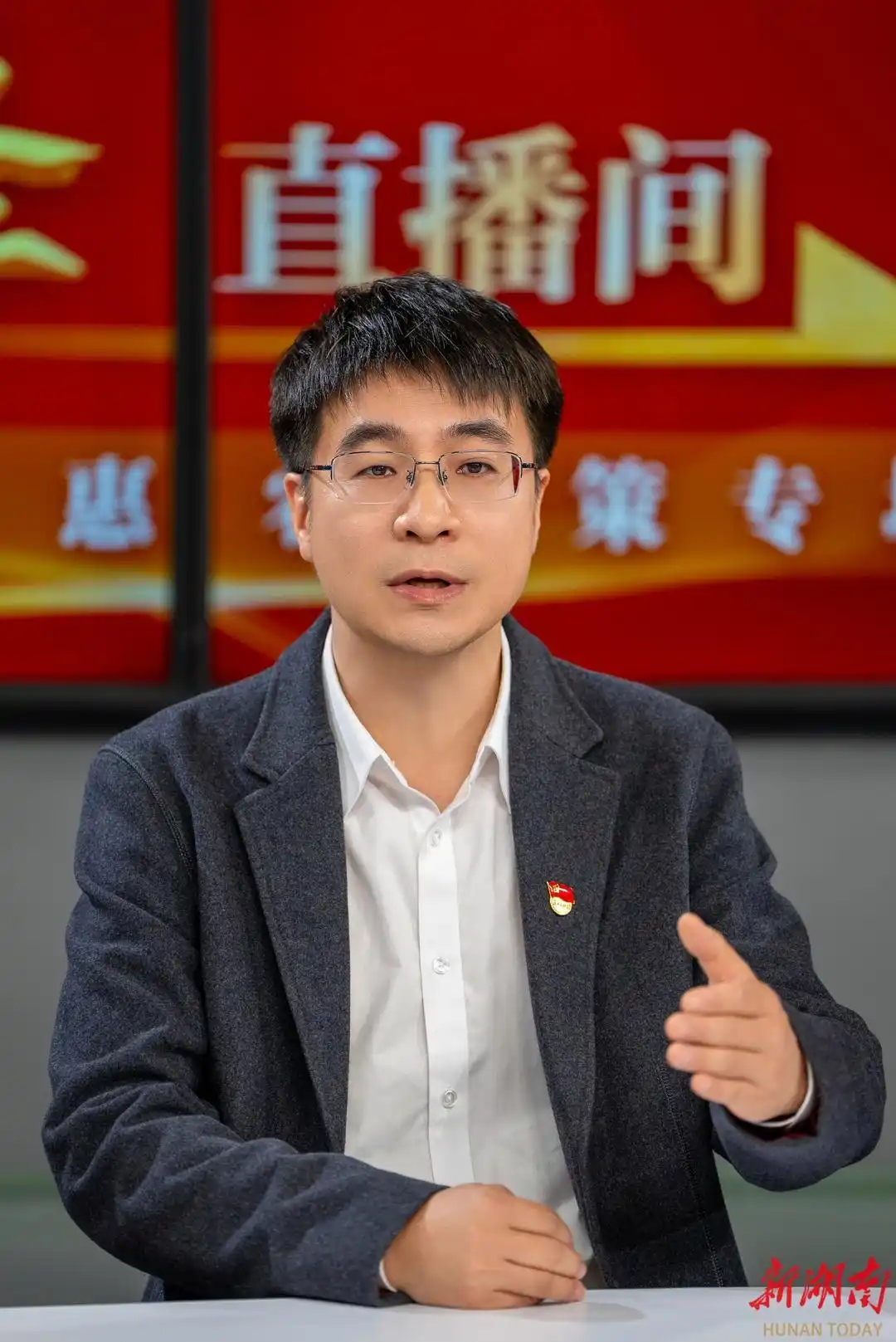
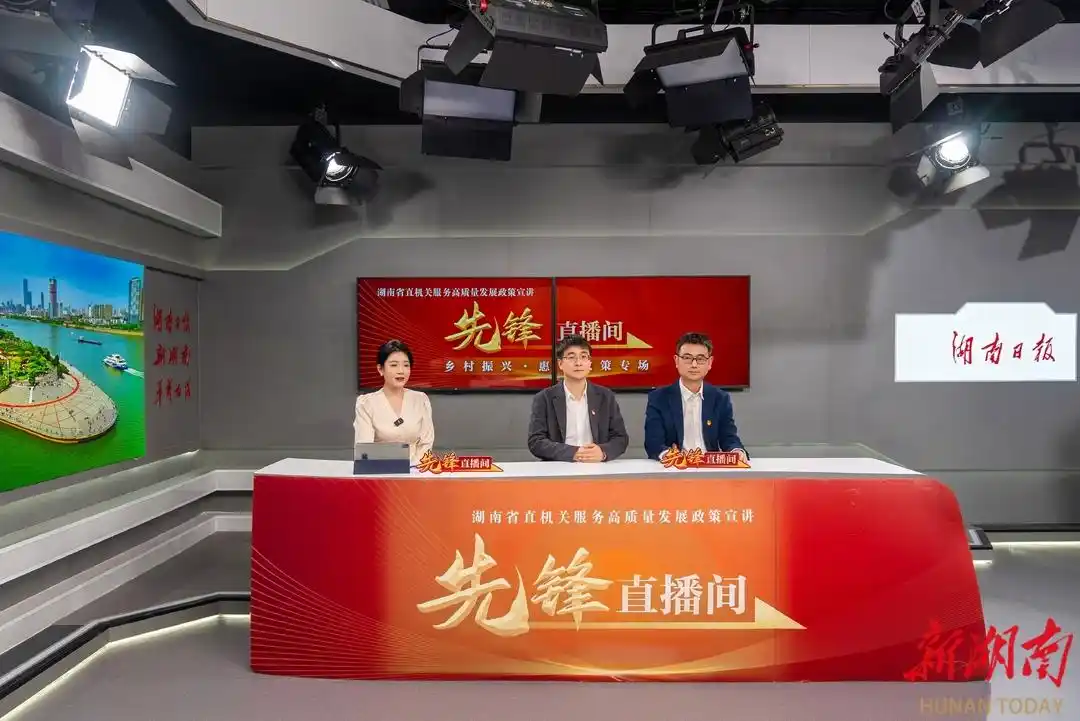
On 24 march, peng xiaobing, deputy director of the provincial forestry economic development centre, served as a guest in the pioneer room。
Peng xiaofeng explained that, for the fourth consecutive year since 2022, central i had requested support for the expansion of the oil and tea forest. To this end, my fiscal policy for the oil and tea industry is mainly biased towards the planting end, consisting of four main areas:
The first is to support the promotion of the breeding of oil and tea. The seedlings are chips from the oil and tea industry that ensure seed quality from the source in order to meet the demand for swipe production. I have continued to support the retrofitting of nurseries for the last eight years and have now completed a round of support for all the province's targeted oil and tea nurseries. At the same time, the central fiscal fund has been used to support the promotion of seedlings from oil and tea。
The second is to support new changes in oil and tea forests. The main support is provided to 63 priority counties for oil and tea production nationwide, through county-wide organization, voluntary declaration and competition for projects. A subsidy of $1,000 per acre in the new oil-producing tea forest. Low-yielding forest conversion is regulated by different classifications based on the low-yielding causes of afforestation, including the three types of nursing, variety and upgrading, with an average subsidy of $600 per acre, which can be adjusted appropriately by the counties in relation to the actual local subdivision type. The first tranche of funds for 2025 has been released and will continue to be supported。
The third is to support the construction of high-standard bases. The establishment of high-standard bases is a good guiding demonstration, and for this purpose, i have been supporting the integration of the main water fertilizers and the development of the mechanism, with a subsidy of $500,000 per person. In 2024, 33 projects were supported throughout the province and will follow。
Four are supported by other projects. For example, the cities of chenyang, yongzhou and jiazhou have successfully received a pilot award for the development of the oil and tea industry in the central treasury, each of which has been built over a five-year period, with a central investment of 500 million yuan and provincial grants of 100 million yuan. At the same time, i saved more than 20 districts, which rank high in oil and tea seed production, from the financial support of the central fiscal tea and oil corporation. The large number of oil and tea growers, cooperatives and large households are welcome to actively consult their district forestry authorities on specific policies and to actively declare projects。
Chair: xue go-hyun









