


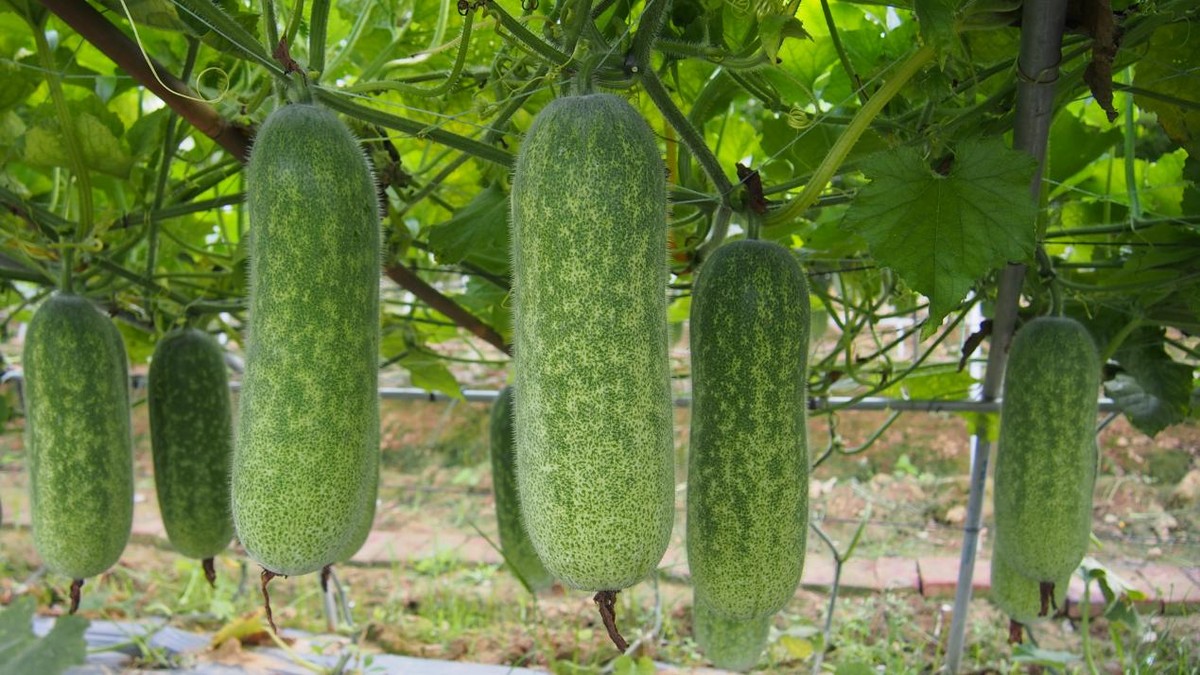
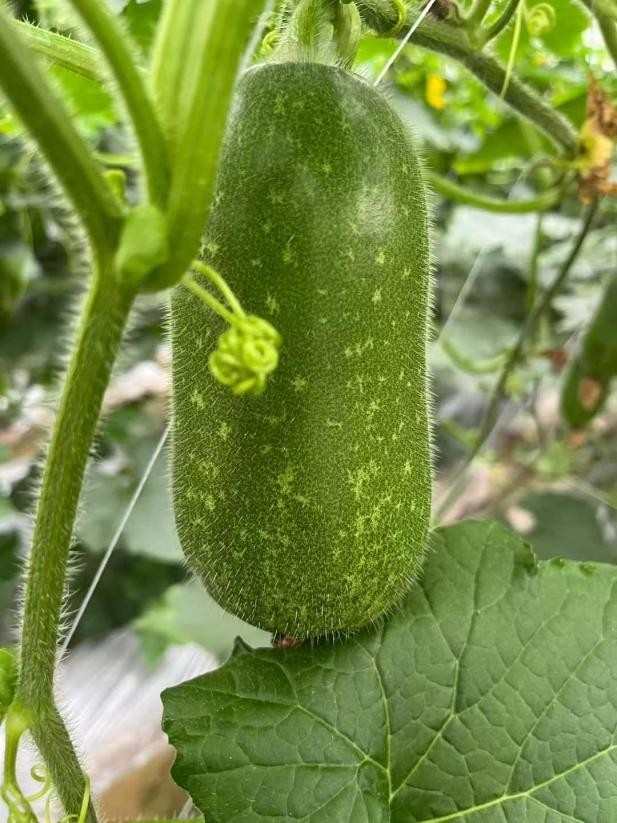
It's called a melon, a melon. It's one year of raising herbs. The roots are stronger, the roots are stronger, the roots are stronger, and the sprains are stronger, so the branches are stronger. The chickens start with a roll of twigs and a branch of twigs, followed by buds, which are divided into males or females. The fruit is small, 15-25 cm long, 4-10 cm in diameter, when ripe, with no white wax powder, and has a nuclei that cuts hands and is sensitive to nitrogen。
It has the effect of heat, heat, detoxification, urine and swelling, and it is the ideal vegetable for hot summers. In addition, there is some support for the treatment of kidney diseases, swelling and diabetes。
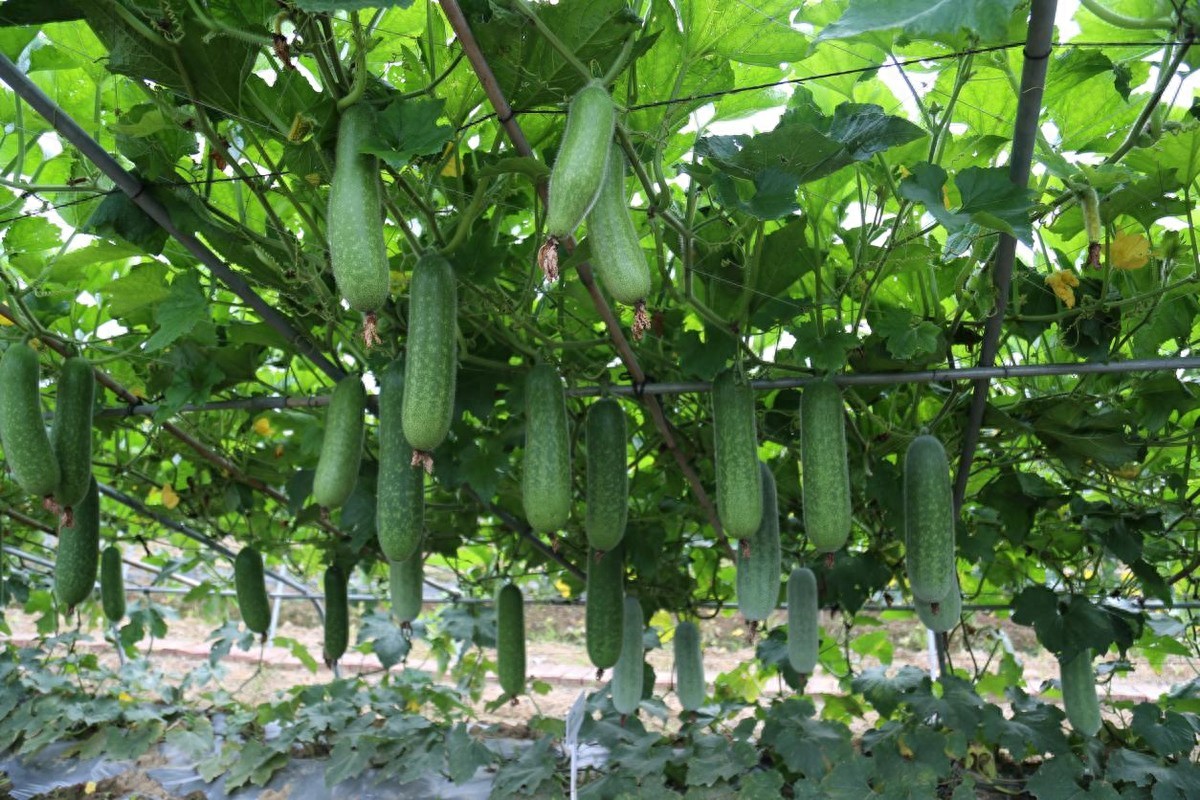
In southern china, where the melon originates, it is suitable to grow at higher temperatures and with greater light, it can be grown in spring, summer and autumn. If the environment is too dry or temperatures are below 20°c, it can have a negative impact on sit-in fruit and on the expansion of fruit. Get a gripPlantation techniquesIt is also possible for freshmen to achieve high-quality production of melons。
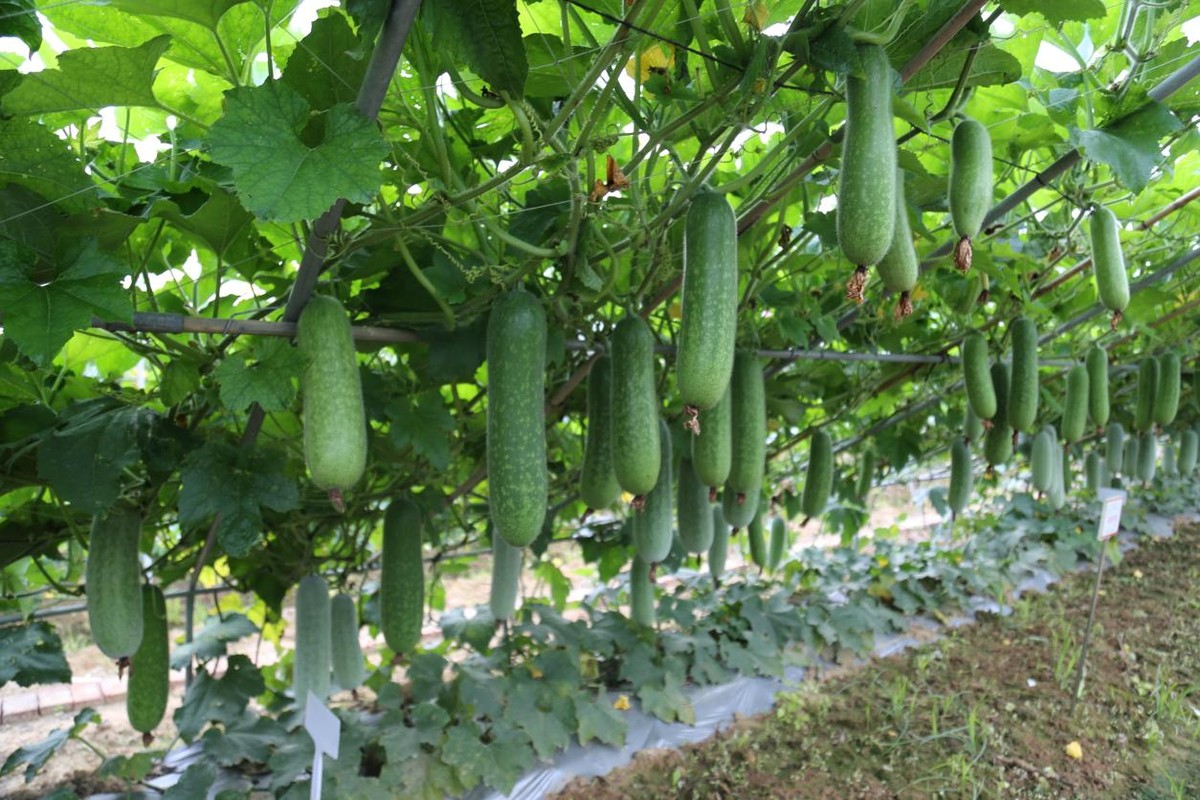
Selection of planting time and plots
Timing
Cultivation times need to be adapted flexibly in conjunction with cultivation patterns。
In the early spring of the day, large huts will be able to grow seedlings in greenhouses in mid-february
An open spring with small arch sheds in mid-march
The fall shed was delayed in planting and the sunshield was set up in late july。
Land block selection
Land parcels give priority to the selection of deep, organicly rich sandy, bordered soil, where soil acidity is neutral。
The roots are deep-seated and the demand for nutrients is high。
The variety prioritizes the selection of highly resistant, easy-to-storage, fruit and meat-intensive, high-yielding and high-quality products。
Ii. Elements for the mobilization of powers
Before seeding, seed sprouts are impregnated, and when the seed emerges, it is ready to plant。
The temperature of the nursery bed is maintained at 25°c and it is available for 5-7 days。
It is possible to plant 4-6 leafs of seedlings, so that they can be replanted and watered and so that they can survive。
Iii. Equipment management in the land
1. Fertilizer control
The management approach captures “pre-fertilization and water control, medium-term increase in supply and later stabilization”。
Soils are kept wet and water is strictly prohibited. Smaller water is used to prevent young people from growing up; regular water is used for drainage during the chicken phase; water is required to rise after flowering, and the head is at the peak of 10-15 cm, and water is stopped a few days before harvesting。
Fertilizers are replaced by organic fertilizers, fertilizer rotations, seedlings are established with thin fats, the flower-bearing period focuses on the pursuit of composite fertilizers, and melons are replenished with potassium phosphorus fat。
2. Fly the whole chicken
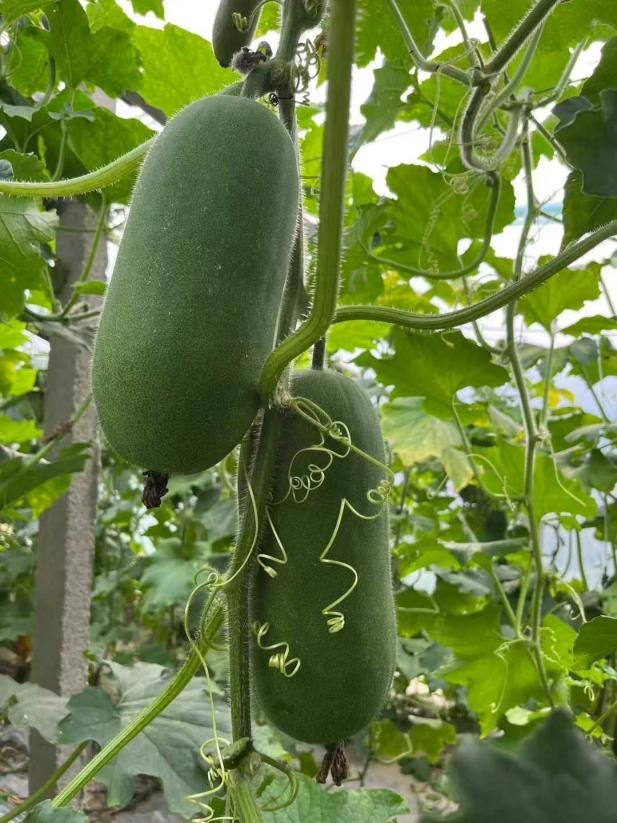
The capacity to climb is weak, and ground crotch plants are vulnerable to disease and disease。
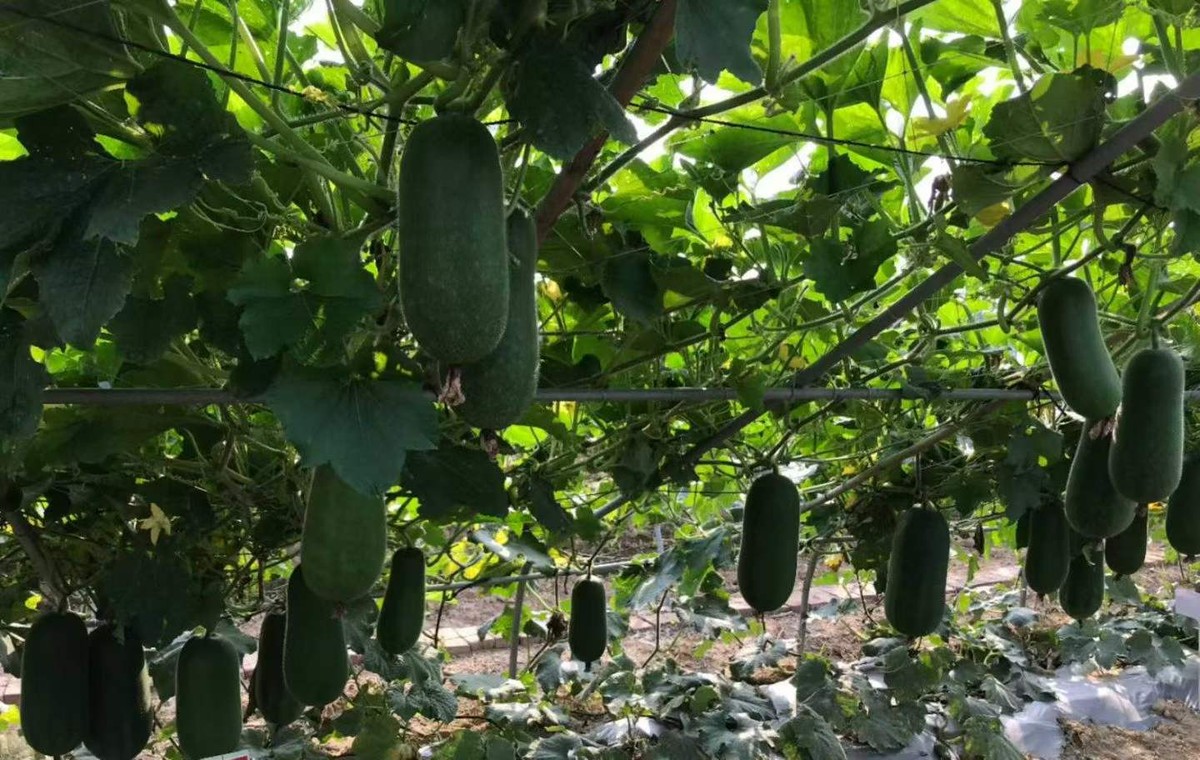
The plant is built with a human-shaped stairwell。
Before the shears, the side branches of the base of the main chicken are removed completely and the competition for nutrients is reduced; the number of results is increased by cleaning up the lower part of the chicken and keeping the upper part of the chicken as appropriate。
3. Tunnel environment and pest management
The large sheds are used to plant the luminous and luminous film that will ensure light; the temperature in the control shed is 15-30°c and the ventilation is dehumid。
Pests and pests follow the priority of prevention, introducing green controls and eliminating highly toxic pesticides。
Iv. Receiving in time
The harvest is more likely to take place sooner rather than later, 7 to 10 days after the flower's collapse and 250 to 500 g of single fruit weight. At this stage, the melon is delicious and timely harvesting can also reduce nutrient consumption and facilitate subsequent and sustained melonization。
I don't knowVarieties recommendedI don't know
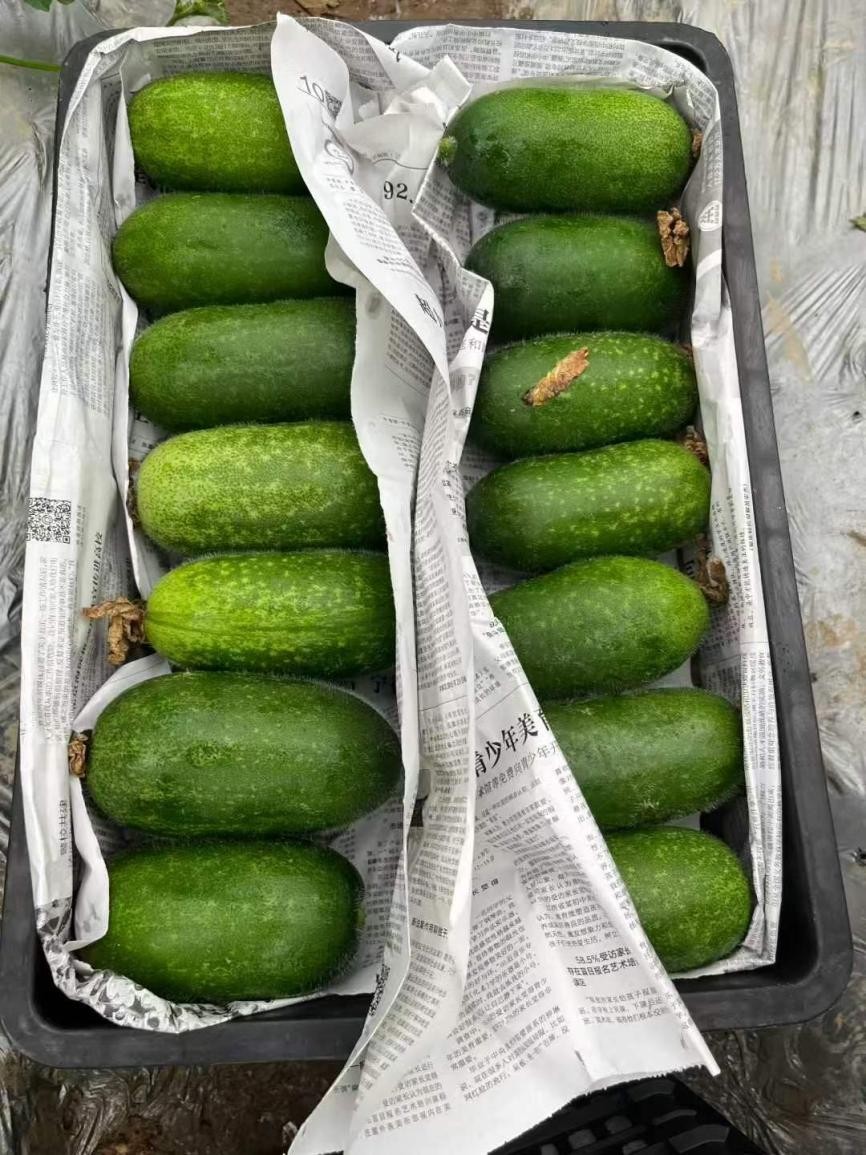
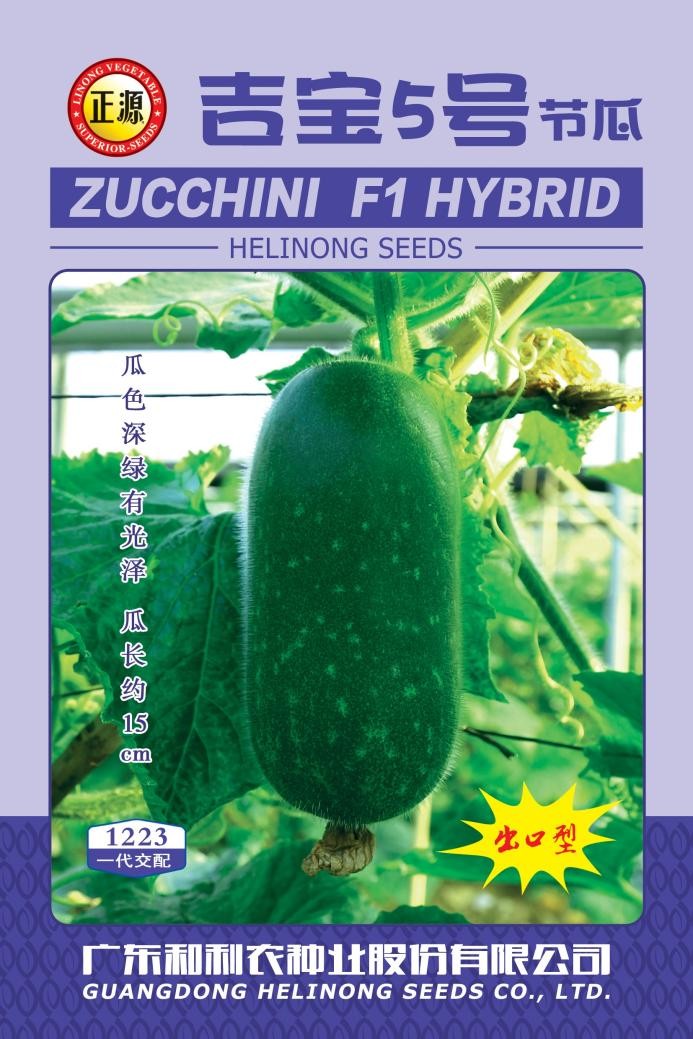
Here, i recommend guangdong and ligon, short cylinders, dark and green skins, even fruit, thickness, resistance, high appearances, durable transportation, home gardening。
General description:
The guacamole is luminous, with star spots, 6-8 knots of the first female, approximately 15 cm long, about 7 cm wide, about 1. 7 cm thick, and about 300-400 g heavy for harvestable products. Acre production under normal climate fine management conditions is about 2000-4,000 kg。
Plantation measures:
Shrimp care to prevent sudden onset diseases and to keep the shade wet. Fashion-based fertilizers are applied again during flowering. Temperature 12-20°c suggests protected field cultivation. Integrated treatment of pests such as froste, disease, tremors, powder, cyanosis, anthrax, aphids, pyrochlor and twilight flies。
Varieties suitable for cultivation areas and seasons:
Cultivation is available throughout the country under conditions of growth of 12-28c. It is proposed that the spring season be from 15 january to 15 march, that the morning spring plant between 1,800 and 2,000 acres, and that the fall plant between 15 july and 15 august, with between 800 and 1,000 acres。
Adaptability:
The plant is strong, disease-resistant and adaptable。









