


It is also called black and crumbling. It is a two-year vase of cross-flowering with long leaves and dark colours. It originated in china, mainly in the yangtze basin, where it has been growing for many years in the south, often in winter; in recent years, people have preferred specialty vegetables, combined with cold-resistant varieties, and the north has begun to grow in bulk, making it a good alternative to the fall and winter。
The most prominent is cold tolerance, with a temperature of 8 to 10 degrees below which the leaves are frozen and the weather is warm enough to recover; and, more particularly, when the frost falls, the starch in the leaves becomes sugar, tastes soft and sweet and tastes better. Now, tell me when it's seeding, and specificallyMethods of cultivationI'm telling you the truth。
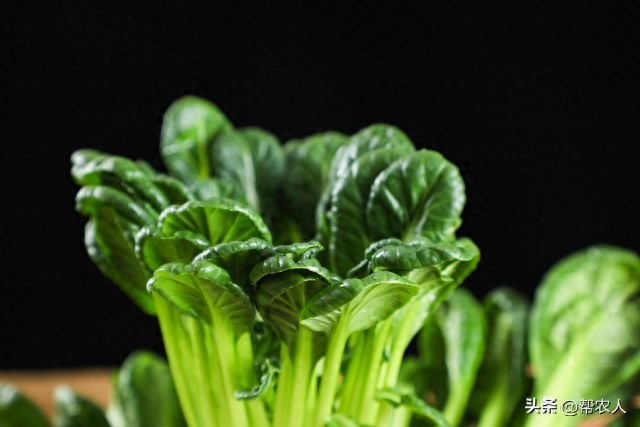
I. How many months have you been planting veggies? Pick the right time to be productive
Collapse likes cool weather, and the temperature is demanding: seeds sprouts are the best for 20-25 degrees, with long leaves growing 15-20 degrees, which are fast and still young; temperatures below 10 degrees are slow, but leaves are much more fragrance; if they exceed 25 degrees, they are easy to grow and tall, leaves are yellow, they eat rough, and they are also prone to disease。
The climate is different in different placesSeed timeIt has to be adjusted. The core is to keep the food at the right temperature, avoiding high temperatures and especially cold:
North china: places like beijing, tianjin, hebei and the north-east of the mountains are cooling in the autumn and generally seeded in mid-august. At this point, the temperature dropped from high to around 25 degrees in late summer and autumn, seeds sprout fast, seedlings grow in good temperatures in september and october, covering membranes or moving to sheds after the end of november, so that cold weather is not frozen and can be eaten in winter。
In the yangtze basin, the provinces of jiangsu, anhui, hubei, hunan and zhejiang are slow to cool down in the autumn, with a high temperature of about 20 days later than in northern china, and generally in mid-september. At this point, temperatures are stable between 20 and 25 degrees and do not warm small seedlings, the vegetables can grow well in october and november, and can be collected from december to february of the following year, and some cold-resistant varieties can even survive the winter。
In the warm areas of the south: guangdong, guangxi and fujian south, which are not cold in winter, seeded between september and october, the food will grow between november and january of the following year and will be collected around the spring festival; it will also be available in december, with harvests in march and april of the following year and staggered。
The cold areas of the north: north-east, interior mongolia, where winter is cold and long, and open-air planting takes place from late july to early august, allowing the food to grow well before the end of september; if you want to eat in winter, in early august, sowing in the greenhouses or sheds in mid-september, and keeping the temperature in the sheds at 10 to 15 degrees, you can survive the winter safely。
In general, most of the country is seeded in august-september, depending on when the local frost starts and cools fast, in short, “40 to 50 days after planting, so as not to catch up with the 5 degrees below zero”。
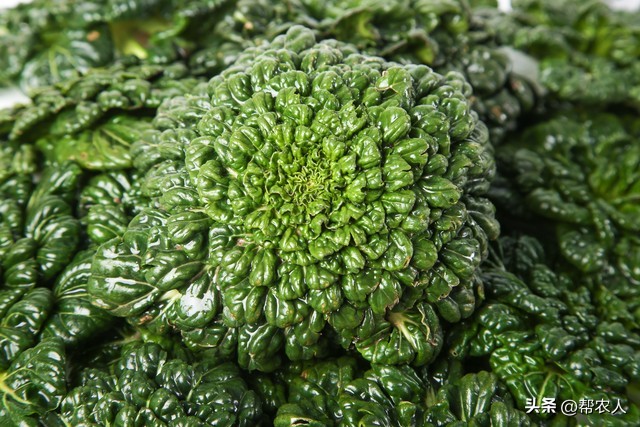
Ii. Cropping methods: from seed to harvest, one step at a time
Seed sterilisation: this is a step in which the germins are less ill
Seeds have a direct impact on the growth of seedlings and small seedlings, so they need to be treated before seeding:
Seed selection: regular plant seeds must meet national standards and be full of particles, bright in colour (usually brown or black), with no worm eyes and no morbidity; varieties must also be selected according to needs, if you want to stay cold, “black-leaved” and “black-coloured” if you want soft. Remember, the seeds can be planted for three to four years, with a low gerontization rate of more than four years, probably half of which cannot be distributed。
Sterilization: to prevent seed-borne fungus (e. G., froste, morbid disease), disinfection. The most common use is potassium permanganate bubbles: at a ratio of one pound of water plus one gram of potassium permanganate, they are made of light purple red water (i. E. One litre of water plus one gram, or, in short, a little bit of red water), where seeds are put in and bulged for two hours, with each seed mixed every 30 minutes; when the bubble is completed, the water is flushed three or four times and the medicine is washed clean, or the buds are affected。
Drum treatment: seed sprouts after disinfection are produced quickly and well. Washed seeds are placed on clean gauze or wet towels, wrapped in a cool place (at 20 to 22 degrees) and flushed once a day with fresh water, so that the seeds do not dry, but do not accumulate water; in general, after two or three days, more than 70 per cent of the seeds are seeded (the root comes out) and soaked. If we don't have time, we can dry the seeds directly。
Seeding: well-organized, evenly grown and small seedlings okay
The roots of the rags are shallow, mainly in 10 to 15 centimetres of soil, so the ground needs to be fined before planting, creating a lax and fertile environment for the roots:
Land selection: it is best to select a land where no cross-flower vegetables (e. G. Cabbage, carrots) have been planted before, or are prone to endemic diseases; the land is flat, drained, the soil is lax, nutritious, or sandy, with ph values between 6. 0 and 7. 5 most appropriate。
Fertilisation of the whole ground: 15 to 20 days before the planting, the ground was reduced to 20 to 25 centimetres, the hard layer was broken to make the soil more gas-rich, and the bottom was applied, mainly by decomposed organic fertilizer, with 3 tons of decomposed manure (such as cow dung, sheep dung) or composting per acre, plus 50 kilograms of calcium phosphate, supplementing phosphorus with good root; the ploughs, 2 and 3 times after the application, were ploughed evenly, the ground was emptied, the grass, stones were removed, flatted to a width of 1. 2 to 1. 5 metres, and the ditch was 30 cm wide, 20 cm deep enough to allow drainage and work。
Seeding methods: vegetable vegetables are mainly broadcast and can also be broadcast. If so, water is poured through the surface, the water leaks down, and the seed that has been sprung is spread evenly on it, so that it is controlled, with 1 to 2 grams per square metre (approximately 800 to 1,000 grams per acre), so that the saplings are not too dense, otherwise the saplings will not grow so well together; and a layer of 0. 5 to 1 centimetre thick is enough to cover the seed, and the cover is too thick and thin to dry or be eaten by birds. It is a shallow ditch at a distance of 20 centimetres on the side of the platitude, one centimetre deep, so that the seeds are spread in and water is poured into the soil。
Post-plant management: after planting, the soil is wet, and when it is dry, water is poured every morning and every night, so that no heavy water is pouring, or the earth crumbs; usually dry seeds are seeded three or four days after they are soaked, and seeded two or three days after they have sprung, less water is poured and the soil is wet and less wet。
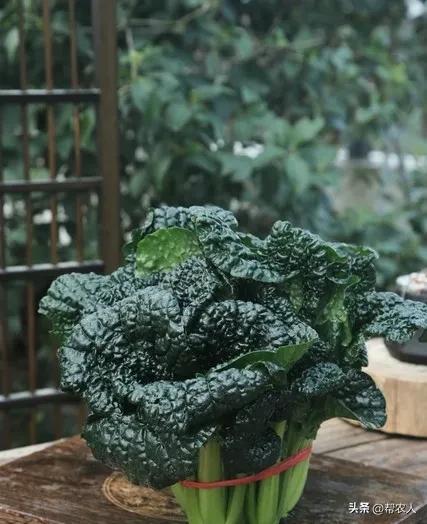
3. Shrimp management: timely watering and breeding
The sapling season is critical, and the seedlings need to grow and grow through seeding and watering:
Saplings and saplings: saplings of small saplings grow by two or three sprout leaves for the first time, removing too dense, weak, sick seedlings, keeping them between 3 and 4 centimetres away from the sapling of water; and saplings of small saplings grow by 4 or 5 saplings (approximately 4 weeks after planting) at 30 centimetres and 15 centimetres, leaving approximately 12,000 to 15,000 per acre. The seedlings are grown strong, green leaves green, free of disease, the seedlings, the seedlings, the seedlings and the seedlings that grow crooked, ensuring that every dish has room for air and light。
Water-water management: soil humidity is to be maintained but water is not to be accumulated. The seedlings are watered once before the soil is dried, usually for three or five days; the seedlings grow much longer, seven or ten days later, and water is watered in the morning or evening, not at high noon temperatures, otherwise the water will hurt the roots. Water is poured slowly with small water, or with dripping, and not with big water, so that the earth covers and the seedlings fall。
Weeding: weeds grow fast, with small seedlings, and they are cut off in time. The seedlings can be combined with the pine soil, with the force of hand to remove the grass, and with care not to damage the root of the vegetable, and with 50 per cent acetamine cream 100 ml per acre and 50 kg of water sprayed into the soil before planting the seedlings, so as to inhibit the growth of the weeds, as prescribed by the medication, and so on。
4. Fertilizer management: fertilizing by growth stage, with good food
Because of the rapid growth of veggies, the abundance of fertilizers required and their shallow roots and weak absorptive capacity, fertilisation is carried out in stages to ensure adequate nutrition:
The principle of fertilizing: less applied in the front, more applied in the medium term and later supplemented by a combination of nitrogen fertilizer with potassium phosphorus fertilizer, and less fertilizing with nitrogen, otherwise the vegetables will grow poor and eat poorly。
Phased fertilization:
After 7 to 10 days of seedlings, for the first time fertilizing leaves. 3 kg of urea per acre, or 5 kg of amino acid water soluble, diluted with water and water, or buried in shallow ditches on the side of the acre, so that the fat solution is absorbed。
After 20 to 25 days of seeding, the food enters a fast long-lived life and is fertilized for the second time, with additional potassium phosphate fat to make the leaves thicker and better quality. If bottom fertilisation is much more fertilized, 2 kg of urea and 1 kg of potassium phosphate per acre; if bottom fertilisation is low, 5 kg of ammonium phosphate and 2 kg of potassium phosphate per acre, or if fertilized swamps (1,000 kg per acre) and diluted urine (one urine to five water), these organic fertilizers not only feed but also improve the soil。
The first 10 to 15 days before the harvest, the third fertilization, supplementary nutrients and longer harvest periods. 1 kg of potassium phosphate per acre, sprayed on leaves with water, or applied a bit of amino acid water soluble to increase resistance to cold。
Hydrological management: large-collapse leaves, rapid water evaporation, much water required, soil humid during growth, approximately 70 to 80 per cent of which is most suitable. The rapid and long-term water must be watered more than five to seven days; when it rains, it must be drained in time, so that the water does not accumulate in the ground or its roots will rot; and before the harvest, water should not be watered for three to five days, reducing the moisture in the leaves and making it more durable。
5. Harvesting: taking the best time, delicious and productive
When they are collected, depending on the variety, planting time and market demand, they usually grow up to 10 to 12 leaves and 20 to 25 centimetres:
The harvest criteria are: the leaves are green, tender and soft, they are free of disease, they are free of yellow leaves, and the whole vegetable grows strong; if you want to collect them later, you can have the front coverings, and don't let them freeze。
The method of harvesting: it can be sold mainly by artificial harvesting, with sickle cut down at 1 to 2 centimetres of the vegetable base, or by pulling the whole tree out of hand, removing the roots of mud and yellow and sick leaves; it can also “pick up the harvest” and keep the small ones long enough to collect more for some time and produce more。
(b) post-harvest processing: the rags collected must be organized in a timely manner, packaged in size and colour, and not squeezed; if they cannot be sold immediately, they can be placed in cold storages of 0 to 2 degrees, 90 to 95 per cent humidity, for 15 to 20 days; and they can also be processed, such as pickles and water, which can be frozen for longer。
Iii. Crushed vegetablesWinter management: it's different in the south and north. Targeted protection is good
Whether or not it can get past winter, it depends mainly on local climates, with different management methods:
Southern region: in the yangtze basin and south, winter temperatures are generally above 0 degrees, extreme weather times are short, and ostrich vegetables can go up in the open. One “winter fertilization” was applied before winter, with 1 ton of decomposition organic fattening plus 2 kg of potassium phosphate per acre to enhance resistance to the cold; a layer of straw or membranes was built in the ground to protect the leaves from frost during frosts; and it was warm and then removed from the cover, water fertilized and the vegetables recovered。
Northern region: north-north, north-east, particularly cold winters, with open-air species unable to survive and protected land. It is possible to move the vegetables to a hot, unsettled solar greenhouse or plastic shed, where temperatures are controlled at 5 to 15 degrees, so that the vegetables are not too hot to grow; it is also possible to build a small arch shed at the end of october, with a sheet of film and grass curtains, and to turn the curtains out of the sun during the day, so that they stay warm at night and keep the vegetables safe for the winter; and it is not necessary to pour water during winter, so that the soil is dry and the ground is not wet and the roots frozen。
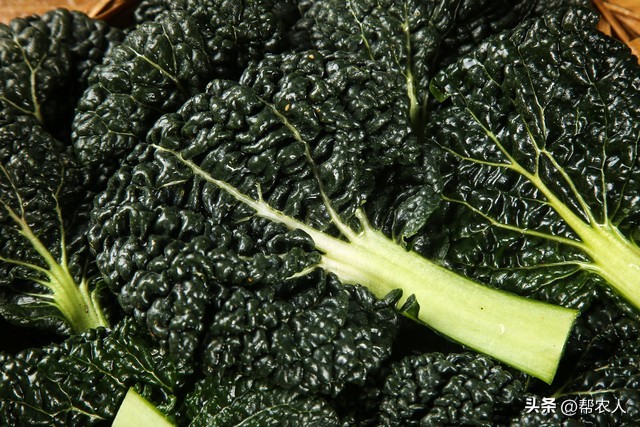
On the whole, it is easy to plant veggies, and if the key steps of sterilizing seeds, seedlinging, seeding management, fatty management and harvesting are done and protecting them in winter in accordance with the local climate, there will be plenty of good veggies to grow, and the table for the fall and winter festival will have plenty of good time to feed。









