


Corn, as one of the most important food crops in the world, its planting cycle and its impactSeed timeFor safeguardsFood securityIt is also important to raise farmers ' incomes. With regard to the seasons that corn can grow in a year and the best months in which it can sow, this depends in fact on a variety of factors, including geographic location, geographic location, and physical locationClimate conditionsSoil conditions andPlantation techniquesWait。
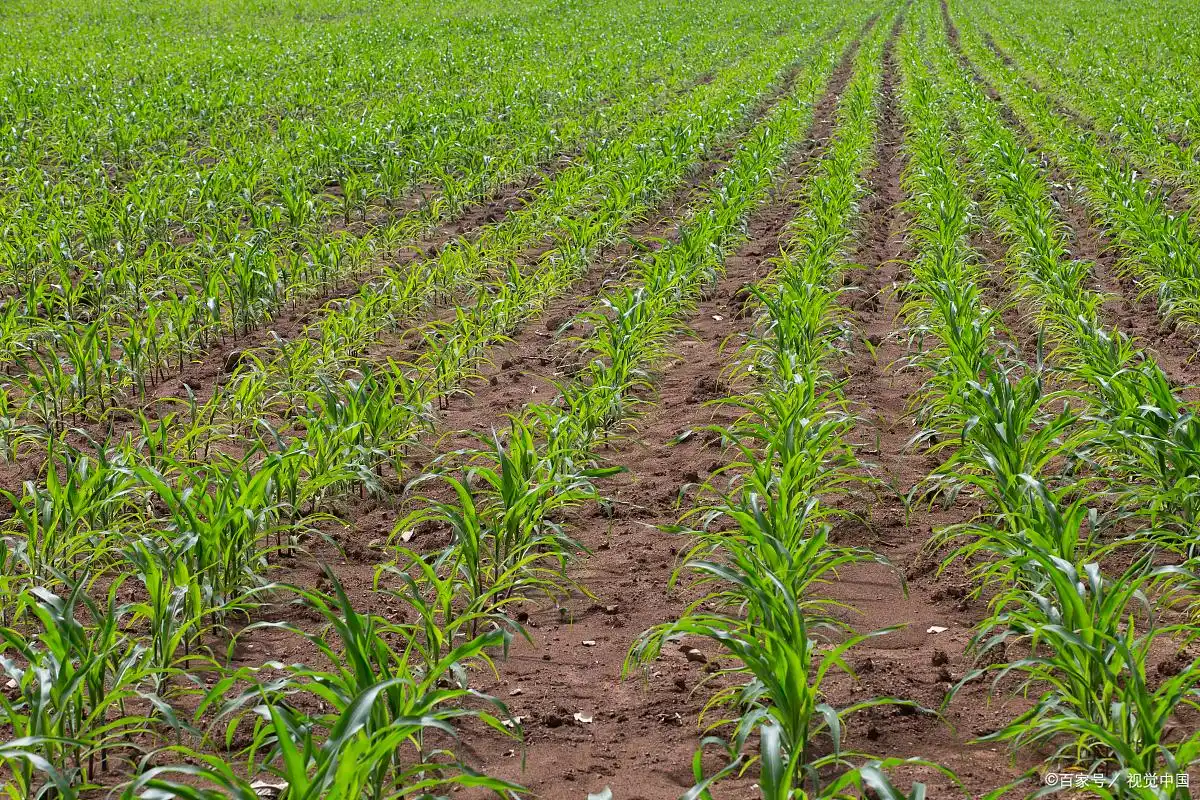
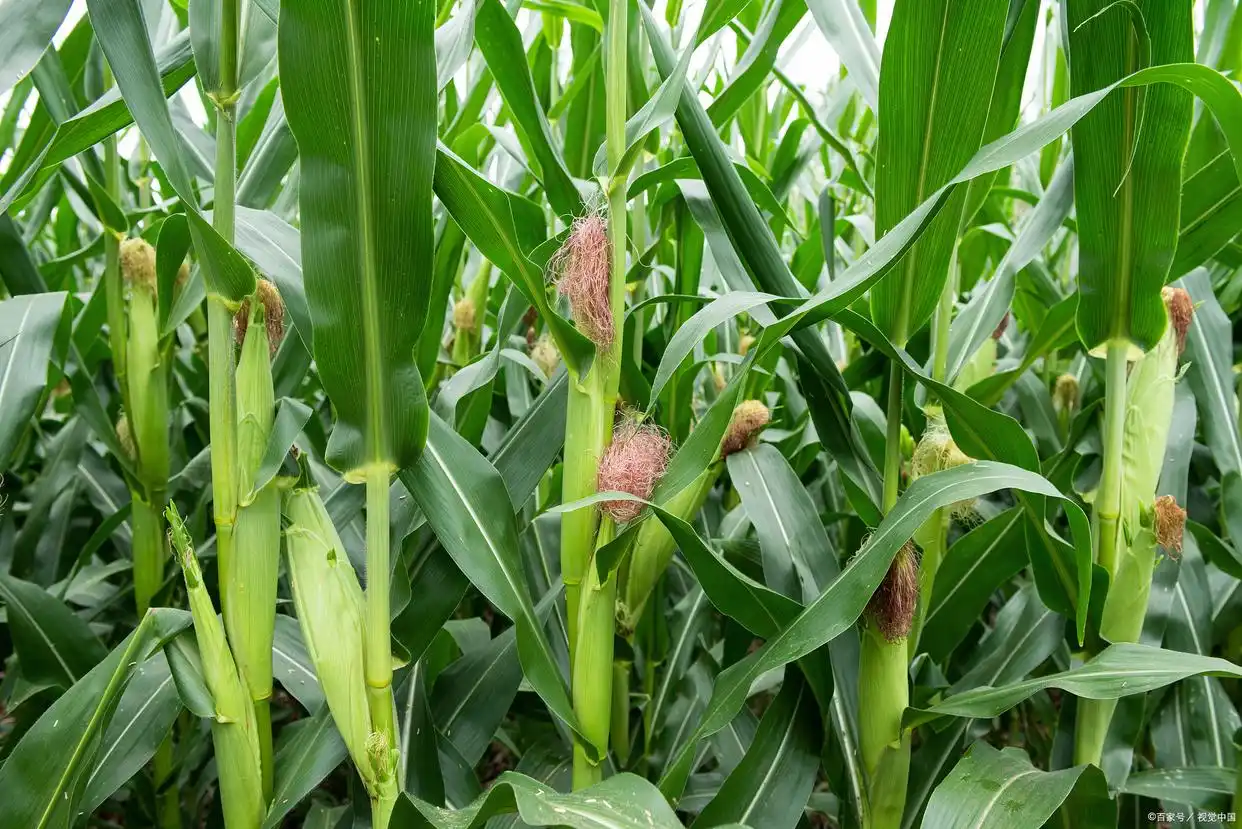
First, let's take a look at the crop cycle. In general, maize has a growth cycle of approximately 90 to 110 days, but specific times vary according to variety, climate and soil conditions. During a full growth cycle, maize needs to go through stages such as seeding, seedlings, dysentery, smoking males, fangs, maturation, etc. Appropriate temperature, moisture and light conditions are required at each stage to ensure normal growth and high yields of maize。
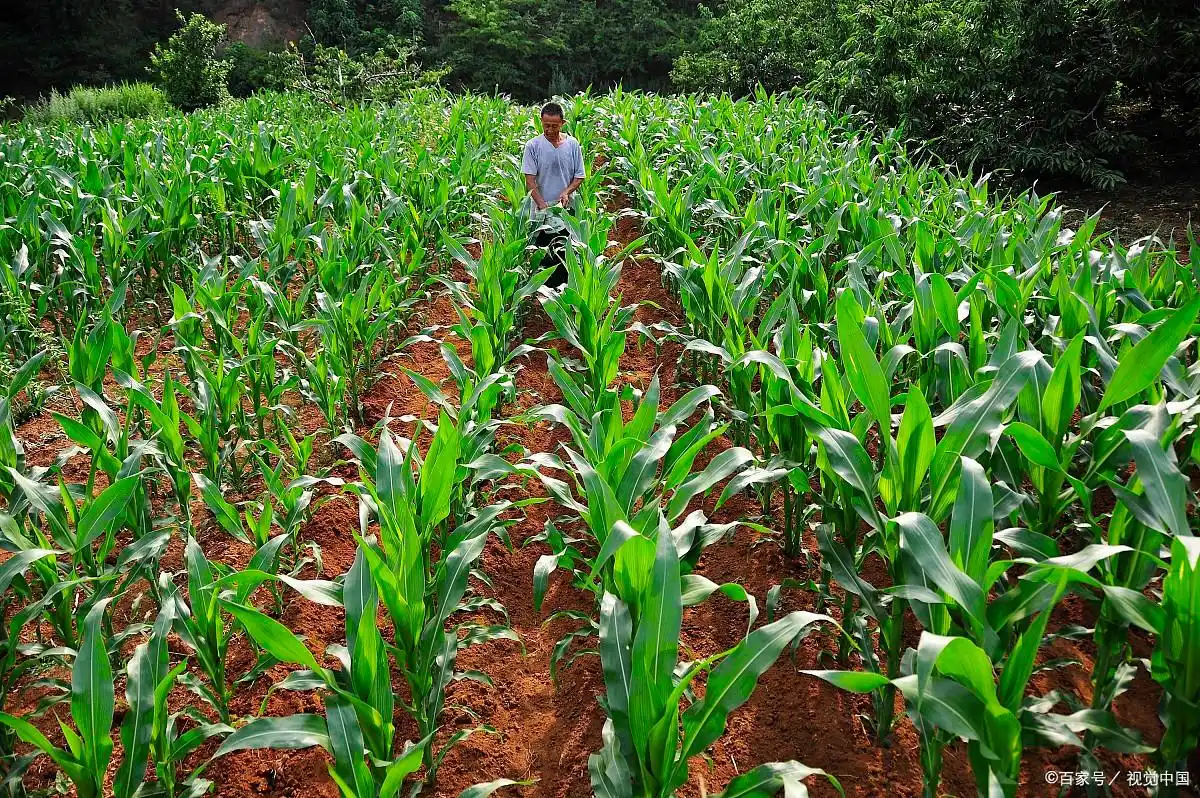
So how many seasons a year can corn grow? This depends largely on climatic conditions in the growing areas. In temperate and subtropical areas, maize tends to be grown only for one season, owing to the nuclei. In some warmer regions of the tropics and subtropicals, maize can be trimmed or trim. For example, in tropical areas such as hainan, maize can be grown four seasons a year due to warm and wet weather, but the main planting season is in spring and autumn。
Next, let's see the best months of corn planting. For a year-long area, spring is the main period for planting maize. Specifically, the northern region is generally seeded from late april to early may due to slower recovery of spring temperatures, while the southern region is able to sow by late march to early april due to faster recovery of spring temperatures. Of course, this is only an approximate time frame, and the specific planting time will need to be adjusted to the climatic conditions and soil conditions of the year。
In addition to planting in the spring, sowing can be carried out in the summer or autumn in areas with a dual or trimester year. The summer planting time is usually between june and july, when the temperature is high and favourable for maize growth, while the fall planting time is determined by local climatic conditions, usually between august and september。
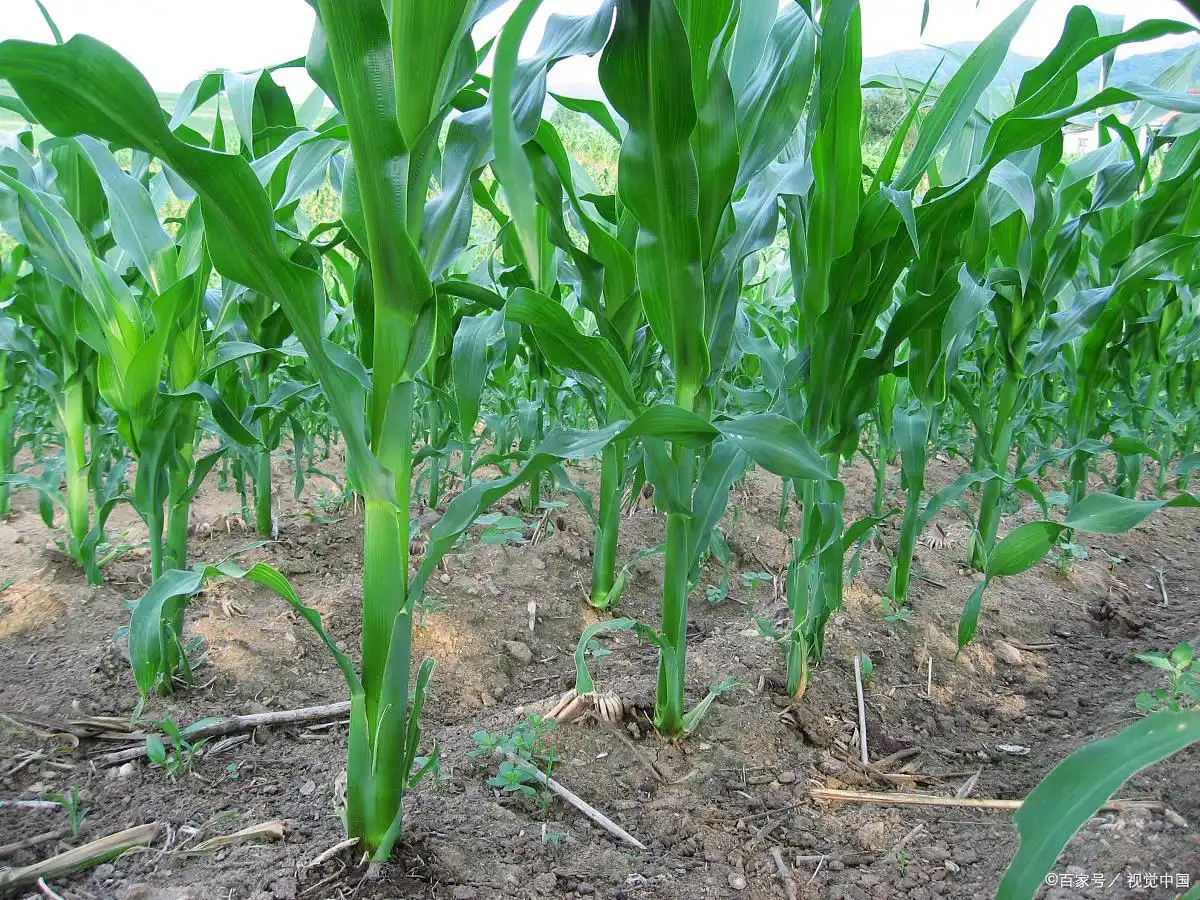
It should be noted that while there is a certain pattern of timing and seasons of maize cultivation, the specific planting times need to be adjusted to the climatic conditions and soil conditions of the year. For example, if the spring temperature is low or the rainfall is low in the year, the planting time will need to be delayed appropriately; conversely, if the spring temperature is high or the rainfall is heavy, the planting time can be done well in advance。
Moreover, in addition to considering planting times, planting techniques are also important factors affecting the production and quality of maize. Measures, including the selection of good varieties, rational planting, scientific fertilization and pest control, need to be given attention and implemented。
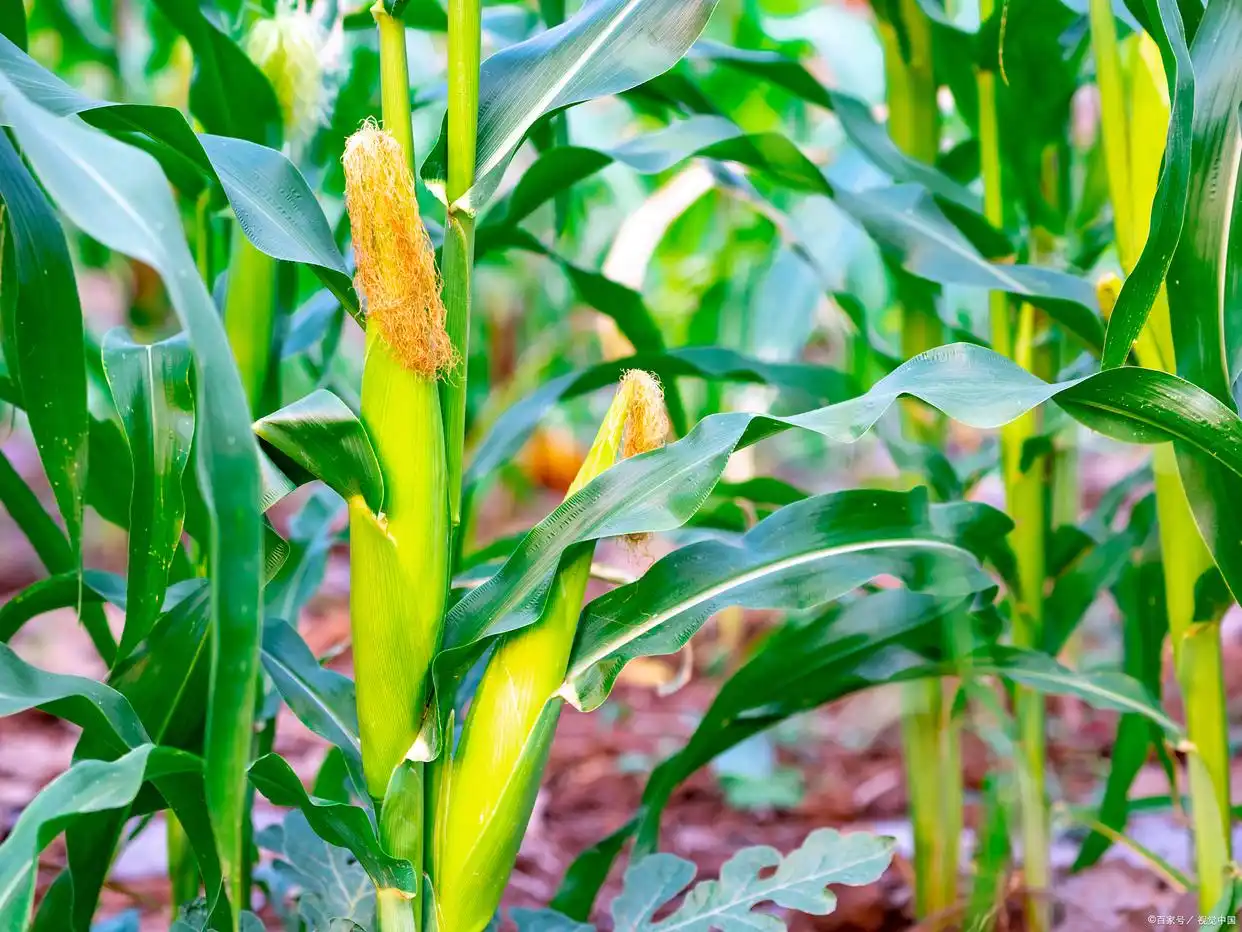
Taken together, maize can be grown several times a year and the best months of seeding depend on a combination of factors. For farmers ' friends, appropriate planting times and techniques are selected according to local climatic conditions and soil conditions to achieve high maize production and quality. At the same time, the government and all sectors of society should strengthen their support and guidance for agricultural production and promote its modernization and sustainable development。









