


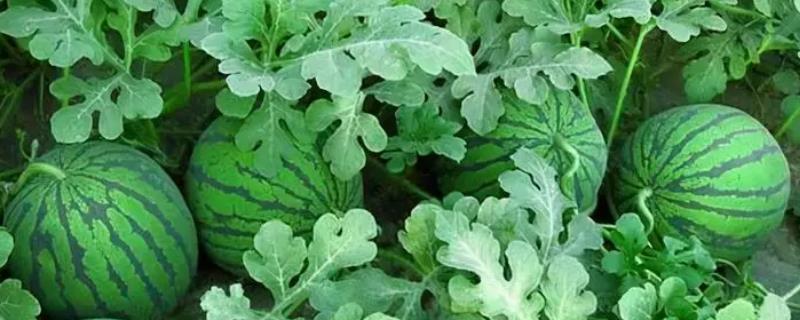
The planting of watermelons in the open is about mid-march and late, the planting is about mid-april and late, and the marketing is about late june。
The membranes cover watermelon-planted seedlings and are also live. In the case of live broadcasts, when seedlings are generally required to be planted, the final period of the local frost is just past and the temperature is stable at about 15°c。
I. How many months has the open watermelon matured
1. The use of membrane cover to plant watermelons allows for seedlings to be grown and live (the seedling plant is pre-existing). The membrane cover is expected to be broadcast live at 16°c, so that when the seedlings are produced, the end of the local period has passed, and the temperature has stabilized at about 15°c, in order to protect the seedlings from frost. The field cultivation of watermelons was generally planted in mid-march and late, in mid-april and late, with harvests beginning in late june。
2. The speed at which a watermelon matures is critically influenced by temperature, light and length of time. If the conditions of exposure, survival and nutrition are met, the maturity of a watermelon may be shortened and, conversely, malnutrition may result in delayed maturity or reduced yields。
Ii. How to select a watermelon
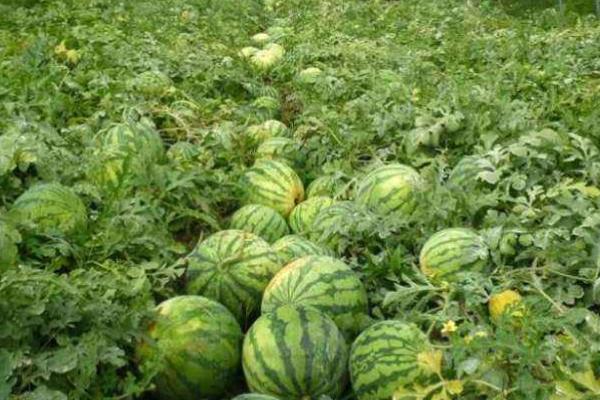
First of all, the texture of the watermelon, the more it works, the better it tastes, and the less it tastes if it doesn't work. The smaller the circle below the watermelon, the better the melon, if it's large。
2. Look at the top of the watermelon, if it's green, if it's fresh, and if it's yellow or black, it's too long to be fresh. Or if it's not thick, if it's thin, it's good, if it's not so good。
Iii. Introduction to common species of watermelons
One, black beauty
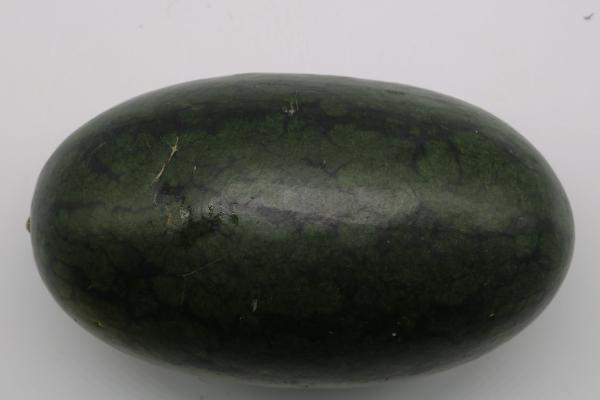
(1) black melons are sweeter than other melons, and the meat is thicker. It is not as round as the rest of the melon, it is elliptical, and market acquisition prices are around 60 cents。
(2) black melons are small and stripes are not very visible. It is more resistant and more beautiful and suitable for growing only in all kinds of soil。
2. Seedless watermelon
(1) a watermelon without seeds is, by definition, free of watermelon seeds in its meat, so it has no seeds。
(2) it is a triple crop, and its seeds are grown by seeds of four-fold watermelons from double watermelons。
(3) watermelon skins are thicker, watery and sweeter and more popular in the market
3. Pumpkin watermelon
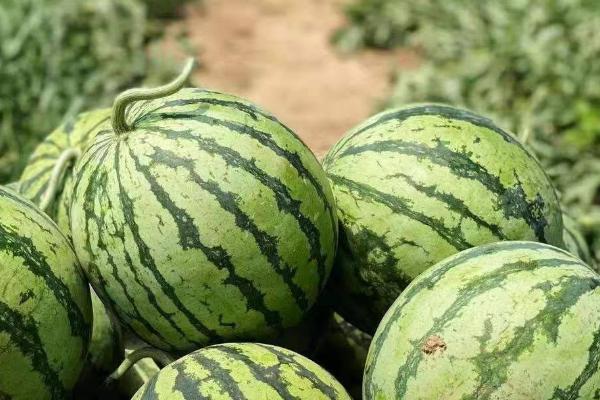
(1) pumpkin watermelon is the specialty of the guacamole, which is the roundest and thickest of all species and weighs about 10 pounds each。
(2) the bark of fruit, which is between 1-2 cm, can be used to make honey, and the watermelon sauce made from the meat is also sweet and one of the rare varieties of fruit shops。
Te xiao feng
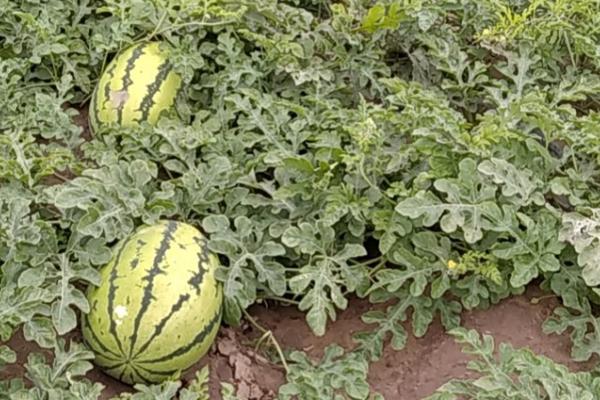
(1) like its name, the special feng is a small fruit type, especially pre-established。
(2) it is usually only about 3-4 kg, with similar shapes, thin, sweet skins, and different varieties of fruit meat, which is yellow and abundant。
(3) moreover, its juice and bark contribute to the athermal detoxification and to urination。
Five, honey
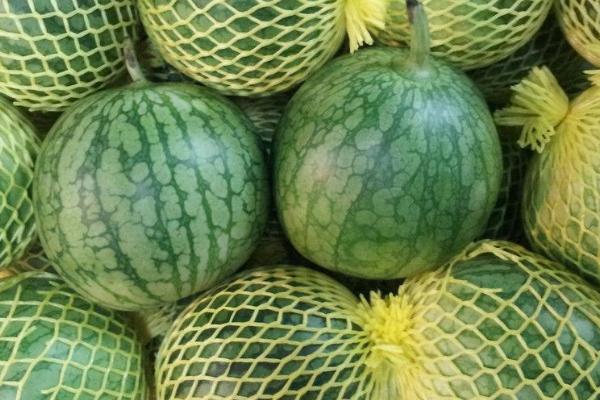
(1) honeyball is also called taixik, which is dark green in its entire body, which, without looking closely at it, is considered black and has more branches as a medium-skilled product。
(2) when mature, there will be a white powder on the skin of the fruit. It's thicker, usually weighs about 7 pounds, and it's more resilient. The incidence of honey beverages in the market is low compared to other species of melons。
6. Early spring red jade
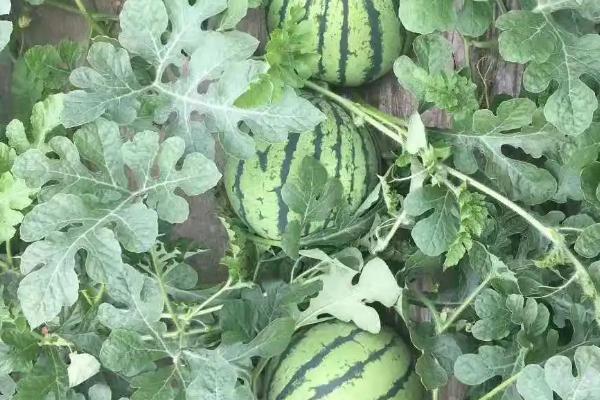
(1) the early spring is a new type of hybrid, mainly in the yangtze basin of the country, which is very well established. It sows in the spring and matures in about a month。
(2) looks like an ellipse with clear stripes. Vegetable skin is about 40 mm, sweet meat is sweet, water is abundant, it lasts longer, a melon is around 4 kg, and most of the melons seen in fruit shops are early springs and reds。









