


I. Growing habits
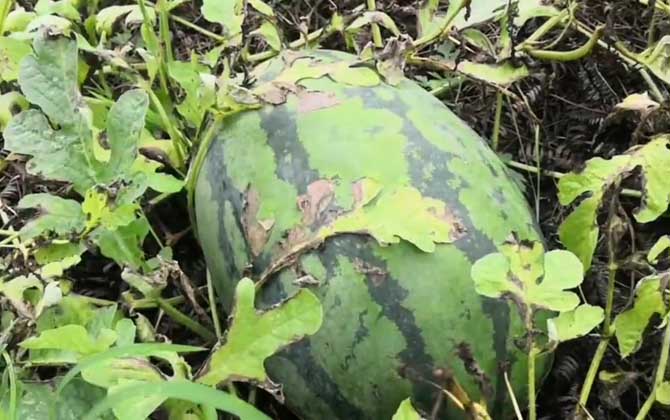
Temperature: watermelon is warm, heat-resistant, cold-tolerant, growing at a temperature of 24-30°c and freezing of plants below 10°c。
2 humidity: watermelon is dry, drought-resistant, intolerant, with the highest humidity of 50-60 per cent of the air, and can be easily induced by disease。
3 soils: watermelon is fertile and resistant to saline, suitable for sandy soil with laxity and good drainage, most suitable for ph 5-7。
4. Light: a watermelon is a sun-enjoyed sun, and the result period requires a day-lighting period of 10 to 12 hours, if less than 8 hours is not good。
Ii. Representative varieties
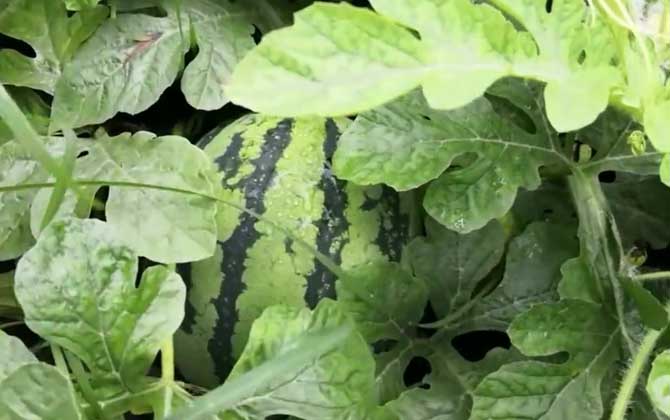
1 pentagus: pentagus are common watermelon varieties, produced mainly in the south of the sea, characterized by short growth cycles, sweeter tastes and thinner fruit skins, but with higher requirements for soil, temperature, light, etc。
Black beauty: black beauty is a common species of watermelon with a long elliptical shape, dominated by dark black colours, characterized by a tight body, a good taste, a thin sheet of fruit, produced mainly in hainan, guangxi and ningxia。
3. Seedless melons: seedless melons are the common species of watermelons, which are three times the size of watermelons and are characterized by low or no seeds, which are themselves non-productive and are mainly produced in shandong, guangxi, guizhou and hunan。
4 pumpkin: pumpkin is a common species of watermelon, produced mainly in shandong, which is larger in size, usually at around 10 pounds, with thick skins, much of which is used to make honey pickles and the most common type of watermelon sauce。
Iii. Cultivation
1- leaching: a watermelon seed is soaked for two to three days, then impregnated with water at 55°c for 30 minutes, immersed for 30 minutes, cooled for two hours, then immersed with more than 50% more than 500 times more, then immersed with water for three to four hours。
2. Drumbs: watermelon seeds are immersed in seed by washing them clean, then placing them in incubators at high temperatures of 40°c for six hours, then in constant temperatures of 33°c, sowing them when the seed roots of the watermelon reach 0. 5 cm。
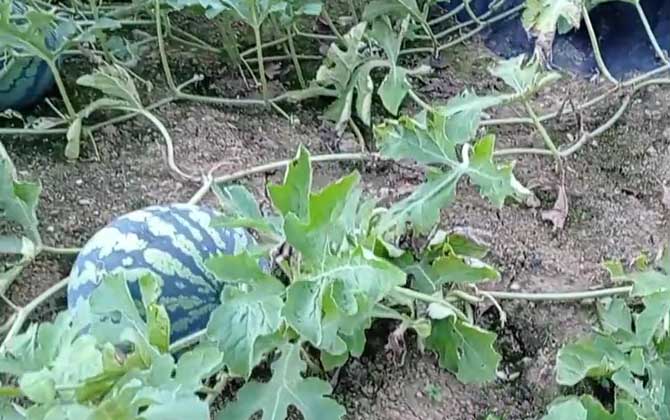
3 slender beds: watermelon beds shall select areas that are sunward, dry and easy to manage, with nutrient soil laxation, disease-free pests, 60 per cent of the surface soil of the rice field, 30 per cent of the manure of decomposition, 10 per cent of grasswood ash, and 5 kg of decomposition per cubic metre。
Seeding: watermelon seeding times vary from one species to another, with pre-maturized varieties seeding from mid-december to late march, medium-premature watermelon seeding from 4 to june, late-dependant varieties seeding in mid-july, and seeding with sprouts in the trophic range, with 1 seed in each。
5. Management: watermelon seeds are sowed with improved management, with daytime temperature at 28 to 35°c, 20 to 25°c at night, 20 to 25°c at daytime after seeding, 15 to 18°c at night, generally without water before soiling, with dry and wet leaves。
Iv. Transfer technology
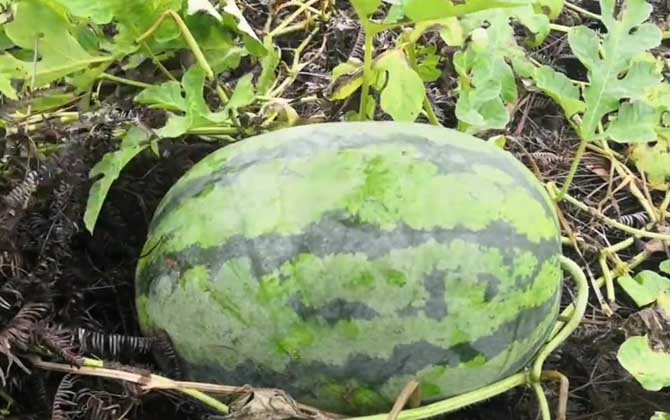
1. Land selection: watermelon is more adaptive to soil, and it is desirable to select sandy, sandy soil with deep soil, soil fertility, permeability and ease of discharge. It is not appropriate to combine it with other melon crops, requiring that no other melon crops be grown within five years in drylands and within three years in water fields。
Land: the watermelon is to be grown before the ground is ready, the acre is to be grown with curing organic fattening of 3,000 to 4,000 kg, potassium sulphate 60 to 80 kg, the masonate is to be made high, with a width of 4. 0 to 4. 5 m, with a narrow length of 2. 0 to 2. 5 m, which can be planted on both sides of the argon, and on the side of the argon。
3. Cultivation: watermelon planting times vary from one month of age to one month of age, to 20 to 25 days of age for pre-maturized varieties, to 7 to 10 days of age for pre-maturized varieties, to 2 lines for broad-specified varieties, to 1 line for narrow cucumbers, to fill saplings with fine soil and to cover membranes。
Water: the watermelon is drought-resistant, has been established with less or no water, has led to the cultivation of a growing root system, water is to be controlled to prevent the growth of the plant before the flower tree is opened, sufficient moisture is to be increased by the fruit, and water is not necessary for 7 to 10 days before harvest。
5 fertilizers: watermelons are fertilized and resistant, and are generally not fertilized during seeding periods to avoid the effects of long-planting, waiting for the larvae to grow up to the age of egg, and, depending on the strength of the plant, to pursue the fertilisation of the melon, generally 45% of the nitro-sulphate or potassium sulphate-type fattening of 15-20 kg per acre。
6. Whole branch: the watermelon usually uses a three-cranium whole branch, picks the main chicken and two strong chickens for the eight to nine leaves, and when the chicken grows to 50 centimetres, crushes the whole chicken with mud, then breaks three to four knots, presses two to three times each and evens the chickens。
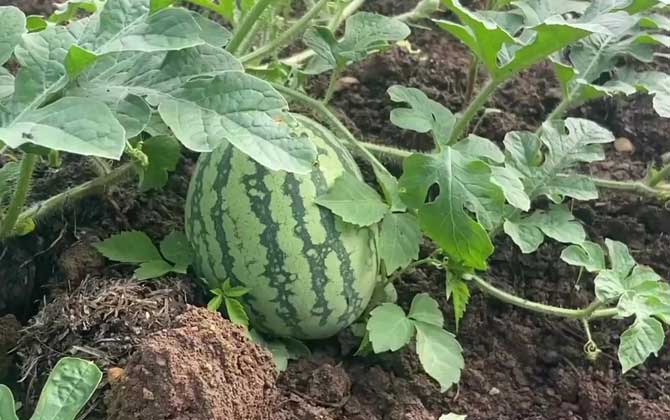
7 sitting melon: the watermelon shall choose the two-and-three female or one-two female or one-on-one female on the main chicken, and the melon shall sit firmly and make the ground slopes and place the cucumbers along the slopes, and the fruit shall grow up in time to flip the melon, turning in one direction and one third at a time。
V. Disease prevention and treatment
1. Decay: decay is a common disease in watermelon, with major hazards to the tubs and leaves, which are dealt with through the selection of disease-resistant varieties; the timely removal of strains at the time of injury; and the spraying of the bacillus sapiens by 800 times the fluid and 70 per cent the humid powder of methyl tobuzin。
2 anthrax: anthrax is a common disease in watermelon, mainly affecting leaves, tubers and fruit, which is dealt with through the timely removal of leaves and fruit; and the spraying of 70 per cent of the methyl tobuzin humid powder 750 times the fluid and 50 per cent of the more than filamentary powder 500 times the fluid。
3 epidemics: the disease is common in watermelon and affects mainly the tubs, leaves and fruit, with 65 per cent of the dyssey zinc humid powder 500-600 times the fluid, and 58 per cent of the redomir manganese zinc humid powder 800-1,000 times the fluid, 1 in 7-10 days and 2-3 successive times。
4. Aphids: aphids are common pests in watermelons, and insects and insects use their mouths to suck up juice by spraying 50 per cent of dichlorvos from 1,200 to 1,500 times the fluid, or 2. 5 per cent of fish and vegetatives from 600 to 800 times the fluid, or by killing 21 per cent of the cyanide cream 6,000 times the fluid。
5. Cucumbers: cucumbers are common pests in watermelon, mainly affecting leaves, runners, flowers and fruit, and are dealt with by spraying 50 per cent of dichlorvos 1,000 to 1,200 times the fluid, or 25 per cent of fish vines 500 times the fluid, or 40 per cent of cyanethrin 8,000 times the fluid, or killing 8,000 times the fluid。
6 red spider: the red spider is a common pest of watermelon, mainly affecting its tubs and blades, by spraying dicofol at a risk of 4,000-5,000 times the fluid, or 40 per cent of dicofol cream at 1,000-1500 times the fluid, or 20 per cent of dicofol die of a net wettable powder at 2,000 times the fluid。









