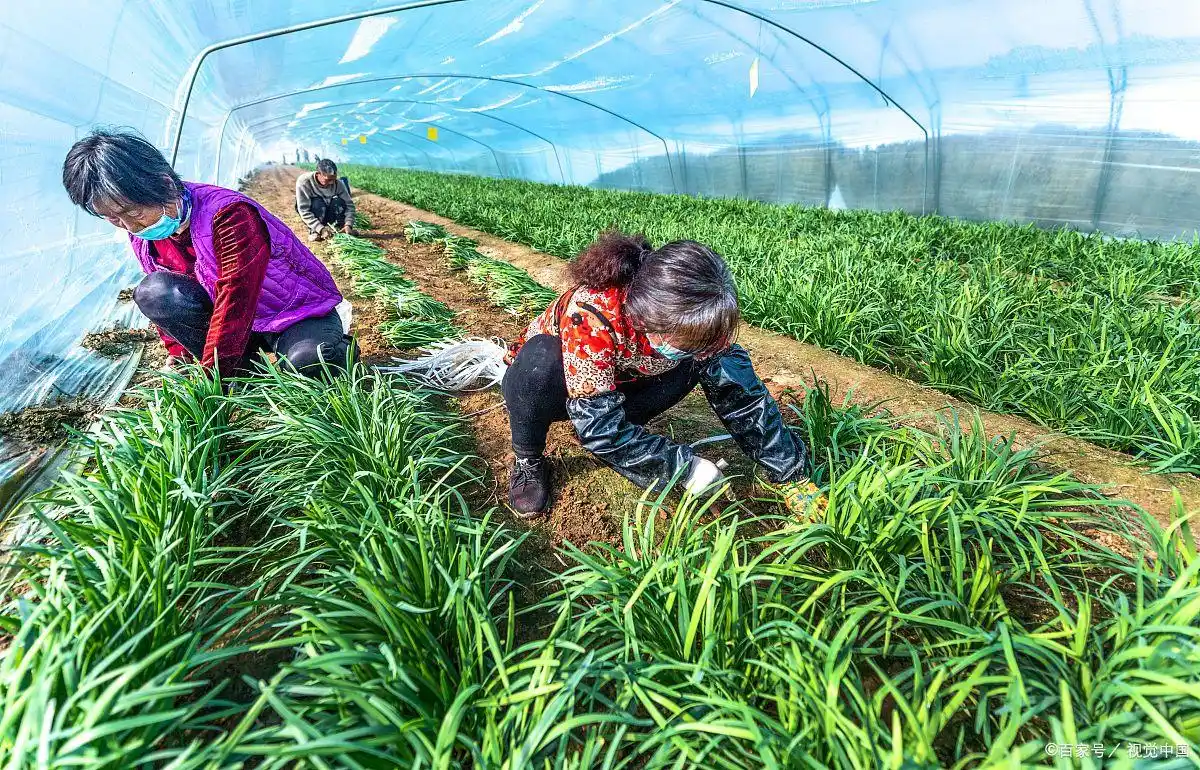
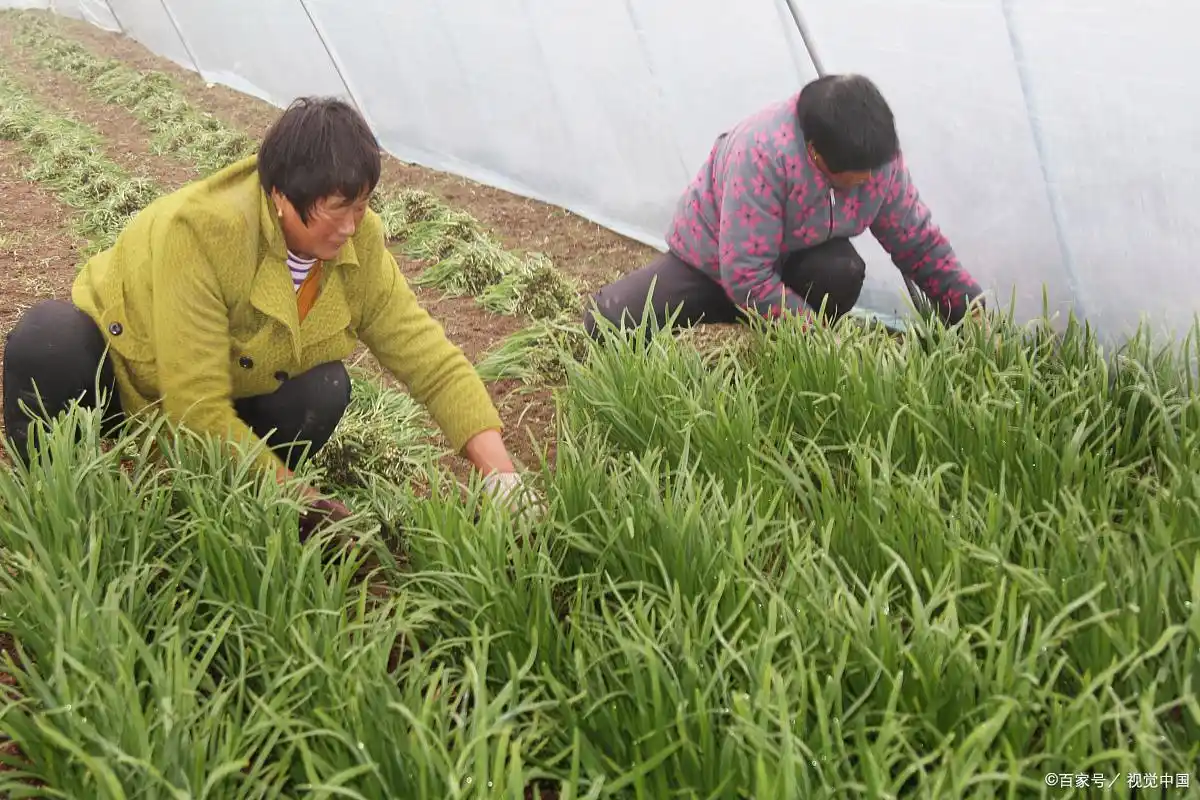
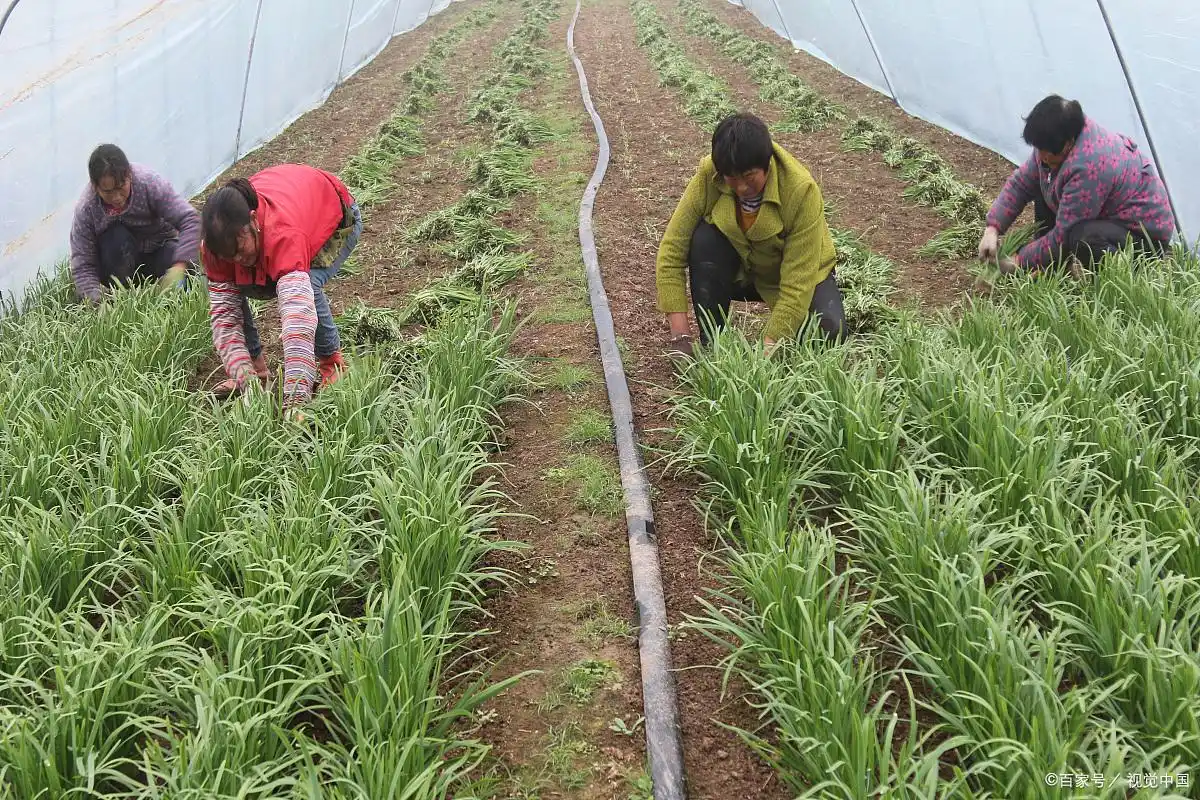
After spring, the temperature roseThe shedThere have been significant changes in domestic temperature and water and gas conditionsCaucasineFrom slow growth to fast-growing long-lived fieldsManagementIt is a direct decision on the production, quality and commodity value of herbs. In order to ensure the robust growth of the cuisine and to achieve high productivity and high efficiency, it is necessary to water from temperature control, science and rationalityFertilizing♪ fine farming, green control ♪Insects and pestsThe five core elements of systematic and normative management are described in detail in this paper in the context of production practices。
I. Precision temperature regulation to create an appropriate environment for growth
Temperature is the primary environmental factor influencing the growth and development of cabbage in the wake of the spring, with a chilling climate of cauliflowers, a suitable growth temperature of 12°c-24°c, a high volatility of external temperatures after the spring, a marked difference in the temperature between day and night, and the risk of slow growth, yellowing of leaves and premature withdrawals if the temperature is not properly managed。
Upon planting and returning to the early age, the sheds are at the core of temperature protection, with temperature at 18°c-22°c in the daytime and no less than 5°c in the night, avoiding damage to the roots and foliage caused by cold freezing. The heating capacity in the shed can be improved by covering double-layered bilges, adding small arch sheds within the sheds, and covering temperature protection at night. The temperature is kept at 15°c-20°c during the day, up to 25°c, and when the temperature in the shed exceeds 25°c, the top and both sides of the vents are opened in a timely manner so as to de-escalate the temperature so that the high temperature and humidity do not cause the plant long; the temperature is maintained at 8°c-12°c at night, maintaining a reasonable temperature differential between the day and the night, promoting nutrient accumulation and improving the taste and quality of the herbal vegetables. Ventilation management must be based on the principles of “first, first, last, last, last, last, last, last, last, last, last, last and last” and avoid sudden and large venting leading to a sudden drop in temperature in the shed, causing physiological damage to herbs。
Ii. Scientific water management, mainizing
The root roots of the cauliflower are stringed roots, shallow, less fertilizing, wet but undying, increasing evaporation and evaporation of the soil and plants in the sheds after spring. Water is being poured in accordance with the core principles of “the right amount of time, the small amount of water, and the dry and wetness” to prevent the flooding of large water and to prevent soil water from causing decay and disease。
In the early stages of re-blowning, the cuisine requires relatively small quantities of water, and if the root water is filled at the time of planting, it is not necessary at this stage to water frequently in order to keep the soil humid, with soil content at 60-70 per cent, which reduces the temperature and slows root growth. When new leaves of cabbage grow up to a height of 5 cm or more, they enter the peak of water need and can be watered every 7 to 10 days, depending on soil conditions, using water-saving irrigation such as drip irrigation and micro-jet irrigation, evenly supplying the water and avoiding large-water brushing that results in the exposure of the roots. The water is strictly selected at 9-11 a. M. In the middle of the day, when the temperature is close to the temperature, the temperature in the sheds rises, so that the air can be ventilated and wet in a timely manner, so as to reduce the number of exposed persons in the sheds; water is strictly prohibited in the evenings, in the middle of the day or in the afternoon, in order to prevent excessive humidity in the night sheds and to create intrusive conditions for such diseases as frosty and greyy. The water is stopped two to three days before each harvest, it is kept dry, it is easier to harvest and transport, it is forbidden to water until the wounds have healed after harvesting, and it is not restored until the new leaves have a hair and the wounds have dried up, so as to avoid intrusion from the wounds。
Iii. Rational fertilization management to ensure continuous nutrient supply
The fast growth and frequency of harvests and the high demand for nutrients after spring, the application of fertilizers is based on the principles of “basic fertilisation, pursuit of fattening, potassium nitrophosphate equilibrium, small quantities”, with emphasis on organic fertilisation combined with inorganic fertilisation, balancing nutrient velocity and persistence, and achieving the objectives of strong root, leaf accelerator and protein。
It is based on fully decomposed farm and organic fertilizers, combined with biococofertilizers, improving the particle structure of the soil, increasing soil fertility and laying the foundation for the growth of herring. Quick-activated nitrogen-based fertilizer, combined with phosphorus-based potassium fertilizer, promotes new leaf growth and root system growth by applying 5-8 kg urea per acre and 3-5 kg potassium sulphate per acre, and avoiding the burning of roots by the direct contact of fertilizers with the root system, either in the form of cave or with water. After a long period of life, fattening is pursued once per harvest, mainly with potassium nitrous phosphorus compound fertilizer, 10-15 kg per acre, combined with leaf fertilisation, spraying 0. 2% potassium phosphate + 0. 1% urea solution, every 10-15 days, supplementing micro- and micro-elements, increasing the resistance of the plant and making the leaves thick and coloury green. Nitrogen fertilizer needs to be strictly controlled, and excessive application of nitrogen fertilizer can lead to long cabbage, weak leaves, reduced resistance to disease, and can lead to nitrate accumulation and lower quality; the application of unfertilized biofertilizers is prohibited to prevent the fermentation of hot roots while reducing the growth of disease and pests。
Iv. Fine-tuning of farming management and defusing of soil to promote seedlings
The ease of watering and pedaling the soil in the sheds after spring has reduced its permeability and affected the breathing and growth of the cauliflower roots. Cultivation of the pines is a key measure to improve soil physico-preparation, break-ups, increase the temperature and promote the development of the roots。
Upon its return to green, the acupuncture is carried out in a timely manner for the first time, at depths of 2-3 cm, with a focus on the decomposition of the topsoil, the decomposition of the slabs, the improvement of soil permeability and the temperature of the earth, and the promotion of the growth of the roots. Water and rain are used in a timely manner to prevent surface crust and reduce water evaporation. Chinese farming needs to be synchronized with weeding, artificially removing weeds from the fields, avoiding competition between weed and herbs for nutrients, moisture and light, and destroying pest breeding sites. The cauliflower root system is relatively shallow and requires strict control of depth when farming, and deep roots are strictly forbidden, especially in areas close to the root of the cauliflower plant, dominated by shallow cauldrons and light beaks, so that the soil can be defunct only. With the growth of cabbage, the frequency of cultivation is gradually reduced, the tillage is stopped before the harvest, the plant is avoided and its growth and strength is ensured。
V. Green pest prevention and control to ensure production safety and quality
The environmental conditions in the sheds in the wake of the spring are high temperature and humidity, prone to a wide range of pests and pests, the common diseases of cauliflowers are asymptomosis, frost, disease, root disease, the common pests are euphoria, aphids, tremors, pests and pests control are based on the principle of “preventive predominance, integrated treatment, green priority”, based on agricultural control, combined with physical, biological and biological control, scientifically rational use of chemical agents to achieve drug control and safe production。
In the area of agricultural control, there is a reasonable rotation to avoid obstacles associated with them; timely removal of leaves, strains and residues from the fields, bringing them out of the sheds for burial or destruction and reducing the source of the disease; strengthening of controls on temperature and humidity, rational ventilation and wetting to avoid chronic high humidity in the sheds; and rational application of fertilizing, developing strong strains and improving their capacity to withstand the disease. With regard to physical control, pests such as yellow cedars, blue plaster baiting aphids and parrots are held in the shed at 30-40 pieces per acre, at a height equal to the top of the herring plant; the vents of the shed are equipped with an anti-worm net to prevent the intrusion of external pests. With regard to biological control, the use of biological agents such as bacillus, bacillus, bacillus, bacillus, etc., has been selected to combat the disease and to reduce the use of chemical pesticides. Chemical control requires strict adherence to the criteria for safe use of pesticides, the selection of low-toxic, low-residual and efficient pesticides, the application of medicines, precision, and strict control of dose and safety intervals. Plasma can be treated with fungus sprays such as cologne, amphibians, etc.; frostics can be treated with imitates such as frostilates, alkyls, etc.; thallium is treated with rooting agents such as amphibian and amphibian, and the use of highly toxic and highly residual pesticides is strictly prohibited to ensure that the beryllium products meet food safety standards。