


In the past, our cabbage cultivation was dominated by field cultivation. With the exception of a small part of the south, which can grow throughout the year, most of the other areas can produce fresh herring only in the summer and autumn seasons. However, with the continued development of the technology for the cultivation of herbs in our country, the winter cabbage has been widely used, and fresh herbs are now available throughout the year. Here's to find out how to grow the winter cabbage。
Step 1:Selection
As they say, "spring melons and beans." in order to produce high-quality beryllies, the choice of varieties is a top priority. The bellies can be divided into root bellies, leaf bellies, platinum bellies and plumes, depending on where they are consumed. Based on the width of the leaves, they are divided into broad and narrow leaves. According to incomplete statistics, there are currently as many as 270 varieties of cabbage in the country。
Our country* is a large country with large latitudes, marked climate differences between the north and the south and diverse geographic environments, combined with differences in dietary habits and market demand. As a result, the variety of bellies selected in each region varies。
In general, we should take full account of the impact of local environmental and market factors, in combination with practical and tailored circumstances. In the selection of varieties, as far as possible, consideration should be given to varieties that are high-yielding, highly resistant to disease, cold-resistant, of good quality and of high commercial interest. (e. G. Han middle eastern queens, pyramid iv, henan 791, cheuk fong 1, shandong only roots red, etc.) i'm not sure
Step 2:Landing
Good * with good seedlings and right plots of land, cabbage cultivation tends to be more than successful, increasing economic efficiency and saving costs of planting, and, conversely, not only reducing the benefits of planting, but also making time and effort。
Land parcels are selected in such a way that they are managed, drained, fertile and deplete. From personal experience, it is best to grow beryllium on the frontier or sandy soil。
In addition, we should pay attention to rational rotations, which reduce the incidence of pests and diseases and make it more appropriate to grow herring if the front crops are beans, melons and tomatoes. If the front crop is garlic, it is not appropriate to grow herbs。
Step three:The whole place
Following the selection of plots, front crop residues, weeds in the fields, dead leaves, etc. Are to be removed early. Deep-tilled soil, exposed for one week, not only eliminates weeds, eggs and fungus, but also ensures soil dystrophy and promotes late-stage herring growth。
In the case of fertilizers, one-time application is required. Farmers are generally fed 5,000 kg of fertilizer per acre, 200 kg of cake and 50 kg of potassium phosphate compound fatty, mainly based on decomposition organic fertilizer. Fertilizers are then fully mixed with the soil and the soil is dredged。
Step 4:Planting seedlings
There are both live breeding and seeding practices, with advantages and disadvantages. Live coverage is relatively simple and saves a great deal of labour and does not require planting. However, live coverage is large, seeds are high and pests and diseases are prone. The small size of the nursery area, its ease of management and its usefulness in breeding the seedlings have the disadvantage of higher labour costs。
In any case, seed treatment is required before live broadcasts. First, seed removal using processes such as wind drift and water float. It is then fully mixed in 30 to 40 degrees of hot water. Finally, when leached, it was wrapped in a gauze and sprung in the cool and dry。
The planting time varies slightly between north and south, with both spring and autumn broadcasts available in the south, usually in april and may. After seeding, water is used to keep the soil dry and wet. Before seeding, a herbicide needs to be sprayed once, with the option of 33 per cent of herbal butter。
After seeding, need and time. Remove the seedlings, the seedlings, the seedlings, and keep them alive. In the management of seedlings, “first-in-first-in-first-in-first-out” control should be achieved. Prior to the height of 15 cm, the main focus should be on the promotion of long leaves. When the seedling is 15 centimetres high, it is controlled to prevent the growth of the seedlings, resulting in seedlings and scavenging。
Step 5: fertilizer management
The herring is longer, usually 60-70 days. After summertime, the temperature rises during this period, while the herring begins to enter the long term, requiring an increase in the amount of water in the long term, otherwise it will not be conducive to its growth and the soil will need to be humid. In the event of rain-fed weather, water should be drained in a timely manner so as to avoid excessive accumulation of water causing serious root causes。
After autumn, temperatures are reduced so that water can be reduced appropriately and soil damp and wet is visible. This stage is a booming period for beryllium and should be followed up three times with irrigation. For the first time in mid-august, 20-30 kg of urea per acre; the second was in mid-september, when potassium sulphate was combined with 25-30 kg; the third was in mid-october, when 2,000 kg were applied to mature farmers and 200 kg to corrosive cakes。
As a general rule, beryllium is not suitable for harvesting in the first year and should be based on accumulation of nutrients and adequate rooting. It is also important to set up support frames for longer-sized and higher-planted cabbage to prevent inversion. In addition, weeding should be done in order to avoid competition for nutrients between weeds and herbs。
Step 6: the shackling of winter
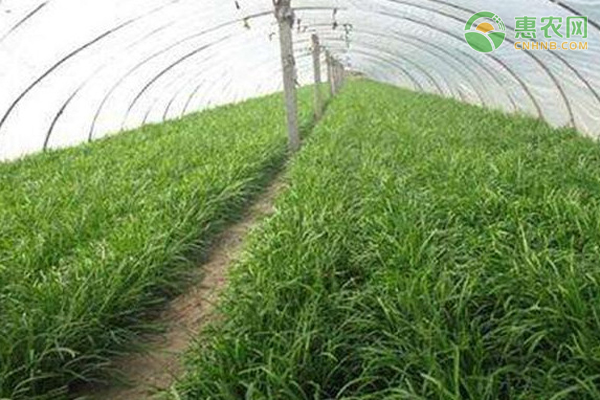
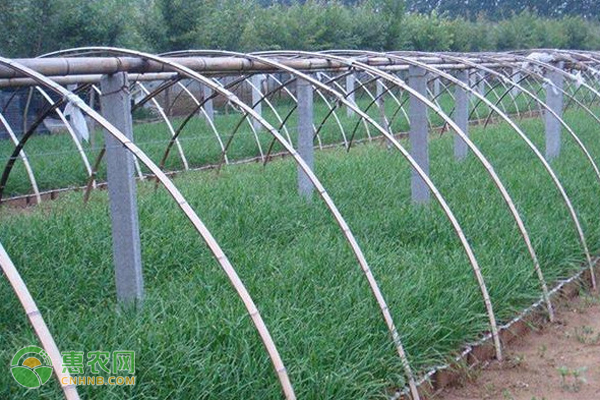
Before and after the fall of the frost, temperatures began to decrease, the herbs went into hibernation, nutrients were transferred from the leaves to the roots of the ground, and the upper leaves were dying. This phase should be built in time. There are many types of sheds, such as bamboo structures, cement structures, plastic structures and steel frames。
In the case of cabbage cultivation, individuals recommend bamboo structures. It's not only cheap but also environmentally friendly. The shed is east-westward, 50 to 70 metres long, 3 to 4 metres wide, 1 to 1. 5 metres high and 50 to 70 centimetres away. The plaque can be used as a pole, the wooden stick can be used as a support, and the roof and at both ends are secured by wire。
After winter, the tatters are withheld. In the early stages of the shacks, the management was simpler and generally did not require a defacement. When the bellies are budding, the day temperature in the shed should be at 15-24 degrees and at 10-12 degrees at night. If the temperature is too high, the vents should be humid in a timely manner, and if the temperature is too low, dry grass should be added to the sheeting。
Step 7: selena cut
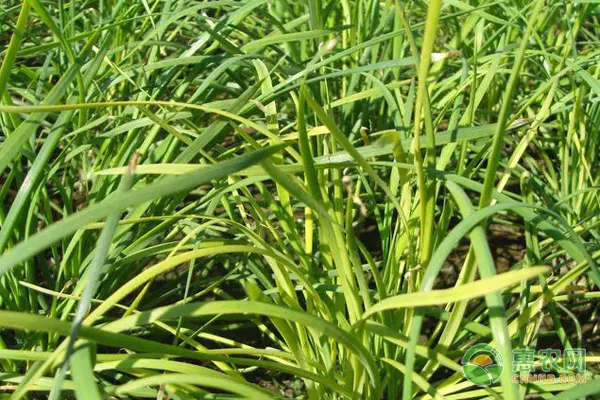
Cream is a plant that has been growing roots for many years and can produce three to four years at a time. From the second year onwards, three to five per year can be cut. The criteria for pickling beryllium vary, ranging from a 7-leaf to a 25-centimetre high, and more often the criteria are determined by herring and market conditions。
The spring berry is fresh, of the best quality and the most efficient. After autumn and winter, summer was worst. The main supply is the market during the winter and spring seasons. When you cut it, it's best in the morning. The edge of the blade is appropriate at a distance of 3-4 cm from the ground, which should be moved upwards by 1 cm at a time during the year and cut at intervals of more than 25 days。
Following each cut, the herring has become weaker, and it is time to take appropriate measures to strengthen its roots. Specifically, after 1 to 2 days of pickling, water should be fertilized in a timely manner to ensure nutrient supplies, promote new leaf growth and provide adequate preparation for the next harvest. The production of beryllium has generally declined significantly since the fourth year, so it should be replanted three to four years later。
The most important issue is the whole range of problems in the cuisine sheds, which require more attention on the ground, seeding, fertilizer, etc。
You may be interested in and welcome to the content of the recommendations below。









