


With the shedPlantation techniquesMore and more mature, many melon fruit and vegetables can be grown in shacks. It's not surprising that we can eat watermelons in cold winters because of the technology of large-scale planting. A vegetable, which is familiar to all of you, has a healthy stomach, an anointment, a strong sweat. In chinese medicine, some refer to the herb as “cleaning grass”. Then let's see what happens nextThe greenhouseIt's a herring technique。
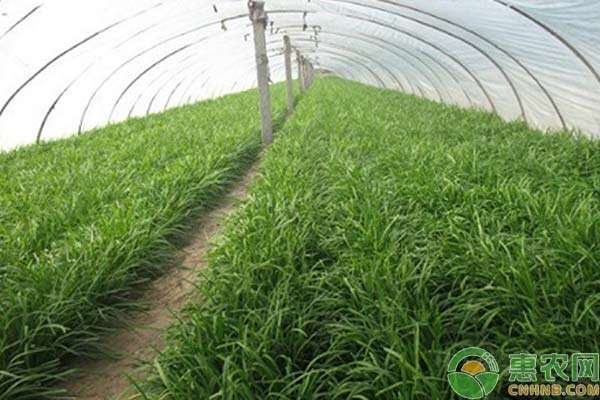
The cuisineTechnical introduction "title" = "photo room pillery production technology" /
1 varieties selection
The herbs grown in the greenhouses should select varieties that are wide, green and green, with straight leaves, short hibernation periods, good commodities, faster growth and disease-resistant。
2 cultivation methods
It was broadcast live, it was sowing, it was shackled and it was harvested. The second is nursery. Both methods are summer and autumn roots, winter and spring cover production, with the possibility of replanting one or three years later。
3 period of seeding
In general, seedlings are seeded between late april and early may, i. E., between the “gown rain” and the “resummer” season, with a high rate of seeding and rapid seeding. In the coming year, the plant should be replanted using a small arch shed with double membrane cover and seeded two months earlier in order to extend the cultivation of the roots and increase production during the year。
4 total fertilization
Following the harvest of crops before the first fall, the fields were tanned and fertilized in the autumn, with more than 8,000 kg per 667 m2 of high-quality decomposed farm fat (optimum sheep dung), 300 to 400 kg of run-off oil, 100 kg of phosphorus fertilizer, water to the bottom of the ground, and rake protection。
Cultivation methods
It is broadcast by broad banding, 35 to 40 cm, broadcasts 12 to 15 cm, deep 8 to 10 cm, and pushes the bottom of the ditch to level the selected seed into a metal tank with many small holes on its base. The sowing rate is 667 m23 to 5kg (which can also be measured as appropriate on the basis of the variety's weighting and seed sprouts). Seeds are soaked with 2 to 3 cm of fine soil, and then they are stomped on with their feet, and a layer of sandbowl is soaked as to produce seedlings. In order to produce seedlings early, seedlings can also be impregnated and then broadcast. The method is 24 hours of immersion with 30 °c warm water, removing seedlings, washing slime, filtering water, grafting wet towels in 15 to 20 °c for 3 to 5 days, and washing them with water one to two times a day. Seeds are sprawled and moved to “sprungs” in an environment of 10-15°c, until 80% of the seeds are sprung (do not step on)。
Cultivation is based on an open-chamber plant with a distance of 33 to 35 cm and a depth of 10 to 12 cm. It must be organized in the form of 10 cm, with leaves cut from above the partitions 3 to 4 cm, placed in the shade, planted in open ditches, with a distance of 20 cm, 30 to 40 cm each, distributed in long strips, pressured and watered in time for life. If there is a shortage of seedlings, replant them quickly。
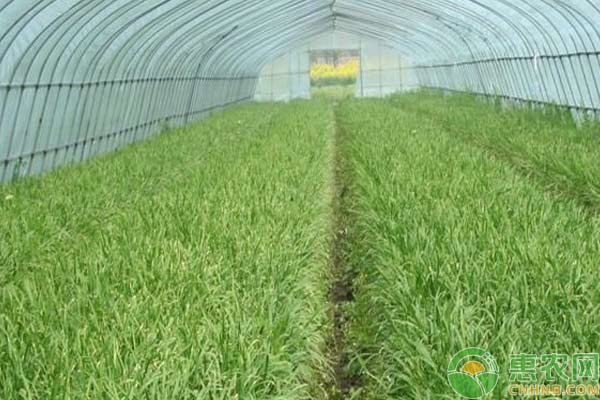
6. 1 before and after seedlings are managed during the period, the soil is drained and the ground is kept wet so as to facilitate the rapid production of seedlings and their full production. Plantation is carried out using an archebrae, which is ventilated after seeding, suitable for 15-20°c in the daytime, 10-12°c in the evening, and after the frost. Zerophosphate 20 kg per 667 m2 of phosphate can be followed up with timely weed, water and pine soil。
6. 2 autumn rooting is growing fast after autumn, and the key is to nurture the root system. Management needs to be strengthened and weight given to the pursuit of fertilizer. In august, urea was followed up on 20-30 kg per 667 m2, in september, with a further application of 200 to 300 kg of oil for 667 m2, or with high-quality farm fertilizer of 2000 to 3000 kg, and in october (cool) water was managed to contain seedlings in order to prevent corruption from delaying sleep。
6. 3 prevention of maggots and manure. It was found that maggots could be rooted with agents such as 80 per cent dichlorvos or 90 per cent trichlorfon 1,000 times more。
7 penetration time
In henan 791 and hangzhou snowflakes with short hibernation periods, the leaves can be sedated before and after the atrophy, with a cut of a knife to be cut and then to be applied. Long-term resting periods of shampoo, han mid-hoon, have to be produced after the upper part of the ground has abated (i. E., mid-november). Before the diaphragms are removed, leaves are filled with winter water, and every 667 m2 application of 2000 to 3000 kg of farm fat is covered。
8 temperature control
Selena grows 12-24°c. The temperature can be raised to 25-30°c after a clean or harvest to promote rapid seedling. Temperature is strictly controlled at 17 to 24°c during the day and not less than 10°c at night, and temperatures are reduced by 2 to 3°c for 3 to 5 days before the harvest, so as to improve quality and not be easy after cutting. In the early stages of the shacks, the ventilation was improved, and the grass was properly covered early and late。
9 water for fat
It is not appropriate to pour too much water after the semen. Water must be pumped five to seven days before the harvest, with the aim of increasing production and creating conditions for the growth of slashed cabbage, which can be immediately watered with the result that it can be stale. A combination of water can be followed up with urea or phosphoric acid at appropriate rates (667 m215 ~20kg)。
10 poultry and poaching
At about 10 cm each of the sheaves, the soil is grown on the basis of the pine soil of the preceding period, from 3 to 4 cm each, with a total of 2 to 3 cm, and lastly, about 10 cm tall. The objectives are: first, to soften the prostheses and optimize the quality; second, to improve the irrigation of the ditch without leaking the water; third, to prevent the undergarments from growing straight; and fourth, to concentrate the leaves in the balconies, to promote ventilation, to improve the temperature, to reduce the disease, to plant strong and to harvest easily. In the case of leachate, which is deep in a ditch, it is necessary, after each harvest, to pulverize the soil in time to raise the temperature and promote growth。
Eleven pickles
11. 1 while it takes between 40 and 50 days after the semen has been sequestered to the beginning of the first harvest, under normal management conditions, if the internal temperature is not effectively controlled and the temperature continues to be high, it can grow within 15 to 20 days, at a time when the harvest is low and the nutrients consumed in the enema are not fully replenished, affecting the subsequent production of knives。
11. 2 a maximum of 4 to 5 blades can be cut in the winter spring of the harvest and greenhouses at intervals, and an additional 1 to 2 blades can be cut in the case of re-eds. According to the relationship between the ground and the underground nutrients, it would be appropriate to have an interval of about one month between harvests and the optimal harvest period for plants of between four and five leaves. The short interval between harvests can lead to a decline in the yield of herring and, in serious cases, to the cutting。
11. 3 the harvesting methods are live or transplanted with more shovels. The yield is too high to affect production and is too low to damage beryllium. It usually harvests 3 to 5 cm above the mast. The yellow and white cut is appropriate, the green and the white is too light, and the white is too deep, so that the root is injured by wearing a horse hoof. The harvest should take place sooner or later, with the best harvest before the morning's grass is undiscovered, the herring is fresh and not ready for heat to turn yellow。
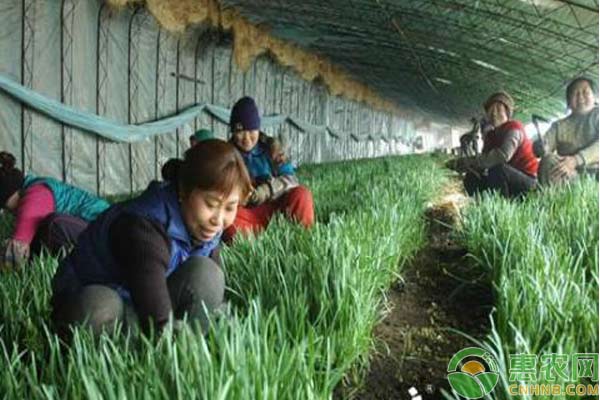
The greenhouse herring harvest ended and, in mid-april, the decrepit membrane was transferred to field management, continuing to cultivate roots. In april-june, two fertilisers were followed up by water (20 kg of urea or phosphate per 667 m2). It is also possible to harvest moss during the summer, but it is not appropriate to harvest cassava. Particular attention should be paid to laying down the foundations for the next year's coverage of production. Usually, a change of root is required for about three years of continuous production。
And here's how greenhouse cabbage can grow. It's actually a very good vegetable, and if it's well-planted, there's plenty to eat。









