


A herring is a multi-year vegetable that can be grown over several years in a row, with many harvests per year, and in order to improve its efficiency, many people grow it in large huts, which can be sold in the off-season season. I'll introduce you♪ lodge pickles ♪Plantation techniquesAnd management。
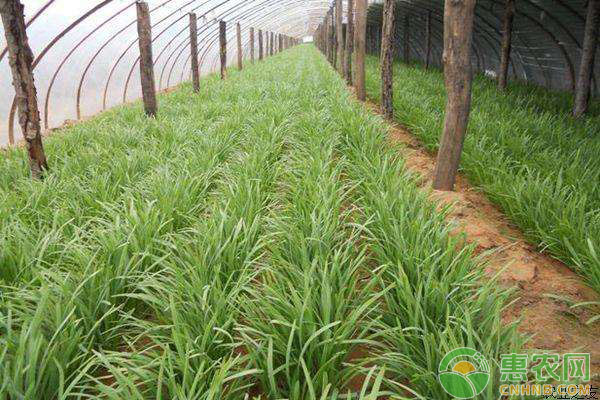
1. Entire seeding
5 tons of manure per acre and 20 kg of ammonium phosphate can be used as base manure, finely forming seedbeds. The planting began at the end of march and in early april, with a general seeding limit of 10-15 g/pm. The herb seeds are spread evenly in the nursery bed, then * about 1 cm and the soil is crushed. The soil shall be kept humid as appropriate until the seedlings of herbs are *。
2. Replanting
Plantation can be moved when the plant is up to 18-20 cm, and seedlings of herbs are designed to avoid high temperatures and wet seasons. The transfer of pre-plant plots requires deep-drive cultivation to promote the growth of the seedlings of herbs. In combination with deep-drive plots, 5 tons of manure per acre, 40 kg of ammonium phosphate and 10 kg of potassium phosphate can be applied to mature farmers and then rotated 1-2 times. At the time of planting, it is possible to plant at lines of 15-20 cm and caves of 10-15 cm, each planting 5-10 cm。
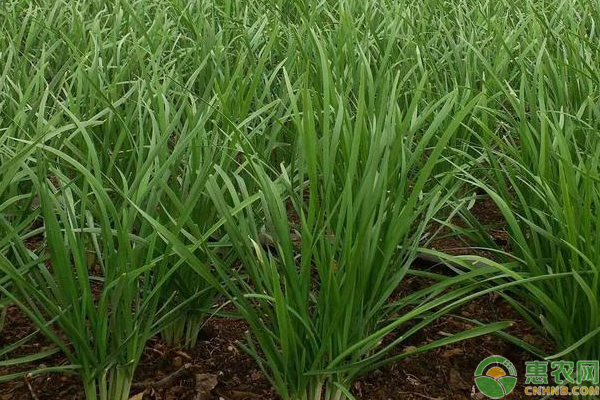
The suitable growth temperature for bellies is 12 - 24°c, generally at 17 - 23°c in the daytime during the year's herring, and the temperature in the temperature rooms should not be too low at night, so as not to cause the appearance of herbal leaves due to the high temperature of the day and night, which leads to disease。
One increase in the production of water can be made from 7 to 10 times before the pick-up; after the harvest until it reaches 7 to 10 cm, water is not normally poured during this period. Combined with increased production, ammonium nitrate or ammonium carbonate can be followed with water, but in the case of ammonium nitrogen application, attention should be paid to ventilation management to avoid excessive ammonia affecting herring. In addition to this, beryllium cultivation requires attention to the pursuit of water fertilization, but to ventilation and humidification to avoid pests and diseases。
5. Winter button
In the interests of the safety of herbs, it is necessary to ensure timely membrane protection when parts of herbs are dried or essentially dried up, in addition to the timely removal of dead leaves from the fields and the avoidance of pests. A combination of water for the pursuit of ammonium nitrate, ammonium phosphate or phosphate fertilizer, etc., in order to build an early foot base. It is also possible to open shallow ditches between the beryllium lines and then to pour thiophos-methyl into the drain, which can effectively eliminate the winter larvae and eventually refill the soil。
6. Strong management
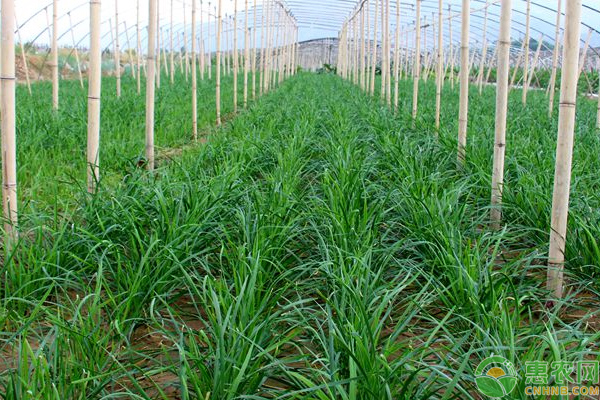
After a few consecutive harvests, the management of fatty must be strengthened in a timely manner, once every 10 to 15 days, with a combination of 20 kg per acre and 10 kg of urea and 2 to 3 successive fats, no harvests in the spring and summer, and continued to strengthen the management of fatty in the autumn, and no harvests until the shacks are in place in order to cultivate strong roots。
The above is a description of the technologies and management practices used to grow cabbage, which can be sold back in the season, and the high price of cabbage, which has been effective in increasing its efficiency. However, in order to ensure the quality and production of cabbage, it is essential that these management measures be carried out during the planting process。
You may be interested in the content of the following recommendations, and welcome to read them。









