


Technical system for diagnosis and integrated control of critical issues in henan grapes cultivation
Fund project: project for the integrated pilot station of the national grape industry technology system (cars-29-19)。
Wei lu
The implementation of the rural renewal strategy is the master of the new era's new “three-farmer” approach. It is important to adhere to agricultural and rural development priorities and to tailor and classify approaches. Major tasks include developing modernityFacilities agriculture(b) developing niche industries, extending agro-industrial chains and increasing agricultural value added. Basic modernization of agriculture is one of the main objectives by 2035. In recent yearsGrape cultivationIn the process, extreme weather events, such as cold springs, wind, cold temperatures, high temperatures, heavy rainfall and hails, are causing varying degrees of production loss. From 11 to 13 april 2025, there was a wind of 8-10 in most parts of henan, a wind of 11-13 in three canyons, loyang and xu chang, with a long duration and wide-scale impact on the production of grapes, affecting approximately 117,000 hm2 of raisins, causing direct economic losses of $95 million, including the scratching or scratching of 40 ~60 per cent of the safrems in some of the gardens visited in the field; and the destruction of only 10 ~ 15 per cent of the safres planted in the raisins of ningyung and summer, and damage to the structure of less than 5 per cent of the sheds. It has been shown that the development of facilities agriculture can effectively counteract the adverse effects of natural factors on the growth of grapes. It can also help to boost rural renewal, increase farmers ' incomes and relocate surplus rural labour. Since the early 1990s, henan makoto has been growing grapes, and nearly 40 years have been growing them. Henan now has about 333. 33 hm2 to grow grapes, mainly in the ning maung, sheba and elsewhere sporadically. The practitioners have accumulated a wealth of practical experience. However, there are also issues such as poor cropping structures, unscientific farming techniques, low mechanization levels, weak brand awareness and weak market competitiveness for fruit products. The problem of the existence of grape sheds is analysed and systematic and targeted solutions are given in conjunction with existing advanced research theories。
1 problem
Gravity cultivation is multifaceted, complex management techniques, interlocking, interaction and constraints, and is influenced by human factors, weather conditions, market environment, policies, etc. The main problems are:
1. 1 unjustified shed structure
The bulk of the shed is used mostly in bamboo and cement poles, with less heat-filled zinc steel racks. The inadequate height of the large sheds, the small distance between the face of the grapes and the roof of the sheds, the lack of ventilation, the impact of high summer temperatures on the leaves, which limit the height of the grapes, the low surface of the grapes, the inconvenient management of the production and labour, have made the areas less susceptible to disease and the production of good-quality grapes (figure 1)。
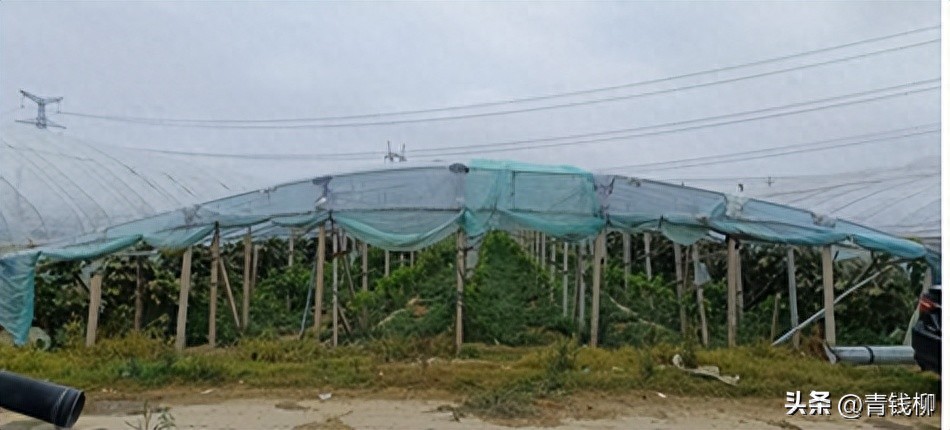
Figure 1 traditional sheds for grape cultivation
1. 2 grape varieties
In areas with concentrated and large areas of vineyard cultivation, there is often only one main plant species during the same period, such as the commercial kuning hills area, the introduction of pre-literated varieties in 1992, the introduction of pre-literated varieties in 2002 and 8611 in 2008, the introduction of pre-literated varieties in the summer and dark, and the initiation of small-scale trials of late-defined varieties of sun roses after 2015. At present, the local 1000 hm2 vineyard is mainly grown in the summer and dark, with less than 66. 67 hm2 sun roses, a single variety structure, homogenization of grapes, concentrated marketing times, competitive market pressures, and the economic gains of the participants。
1. 3 non-scientific cultivation techniques
1. 3. 1 cultivation density (0. 5 ~ 1. 0) mx (1. 5 ~ 2. 0) m, with 333 ~ 889 plants grown per 667 m2, not only with a large use of grapes but also with a limited number of branches of grapes, especially large and powerful varieties, and a very high volume of branch management. The lines are too narrow to allow for agricultural machinery。
1. 3. 2 unjustified configurations, which are either too low, or even only 50 cm, result in areas about 1 m from the ground, which require work to be done in the form of a leaning down or crouching down, etc. The use of v-shaped frames is not conducive to abating the tree position and is prone to new or prototyping (figure 2)。
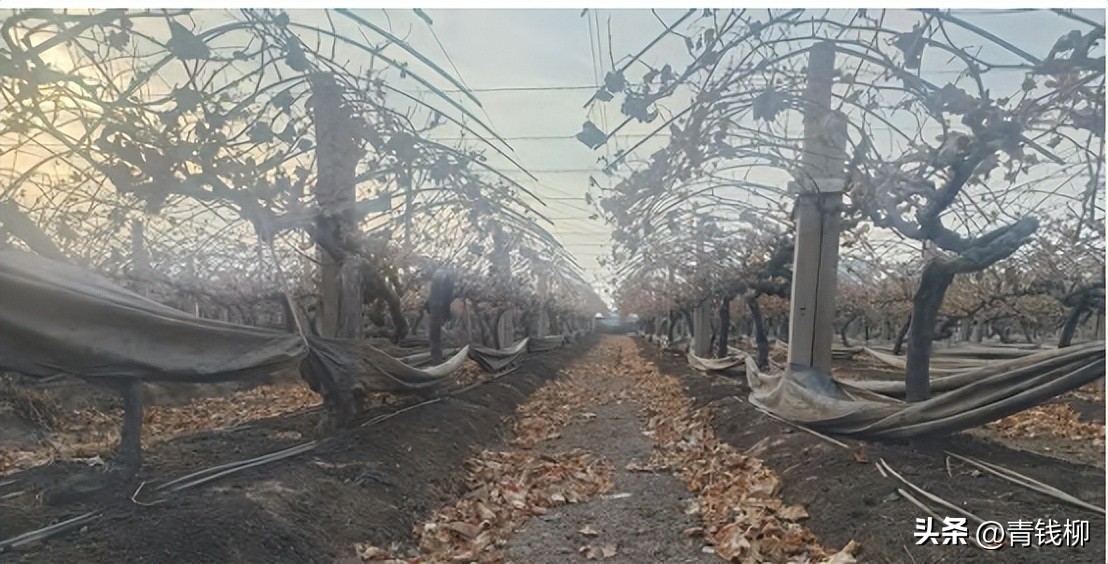
Figure 2 mainly low
1. 3. 3 excess of load or length of tree hanging the summer black grape 2000 ~ 3000 kg/667m2, which is naturally ill-colored, with red or even red green in the ripe season, and sun roses 2000 ~ 3000 kg/667 m2, with individual sheds carrying up to 400kg/667 m2. The load is too high, the ripening of grapes is delayed, the soluble solids of the fruit are low, the scent is dim or non-favourable, and some grapes do not meet the vendor procurement standards. Grapes grow too long to hang trees, which can lead to loss of water from fruit, decline in sweetness, faded scents, and over-consumption of tree nutrients, causing early spring leaves to fertilize the following year, affecting grape buds and flowers (figure 3)。
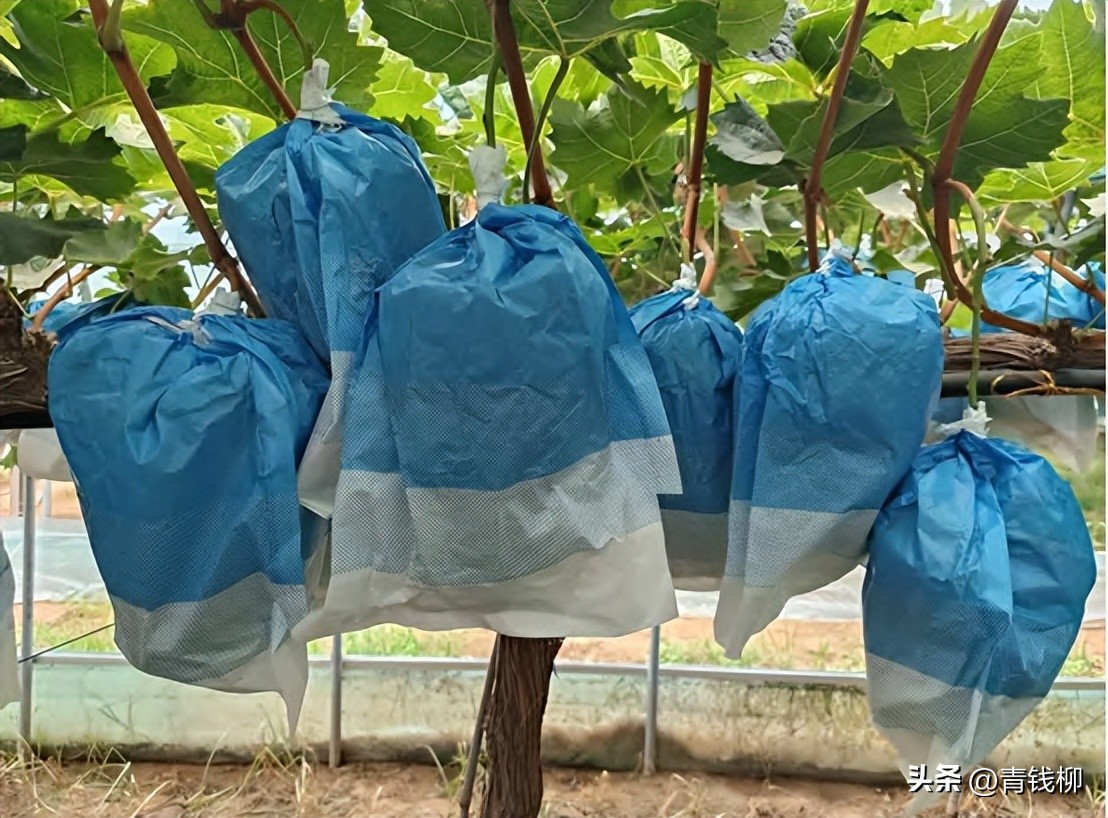
Figure 3 high loads
1. 3. 4 inadequate use of fertilizers 1. 34 excessive application of chemical fertilizers such as potassium nitrogen phosphorus, urea and insufficient application of organic fertilizers or organic fertilizers (only 1-2 t/667 m2) and the presence of sheeting, low organic content, salinization and realkaline problems. Large water flooding has resulted in soil sheeting, the relatively wet air in the shed has been oversized, and the number of drip tubing belts has been small, increasing the amount of time spent on water or failing to meet the current demand for water for grapes (figure 4). Chemical law combats insects and diseases, and problems such as drug infirmity, random increase in the use of pesticides and the use of doses, blind mixing. There are fewer integrated approaches to pest and disease control such as agricultural, biological and physical and mechanical control。
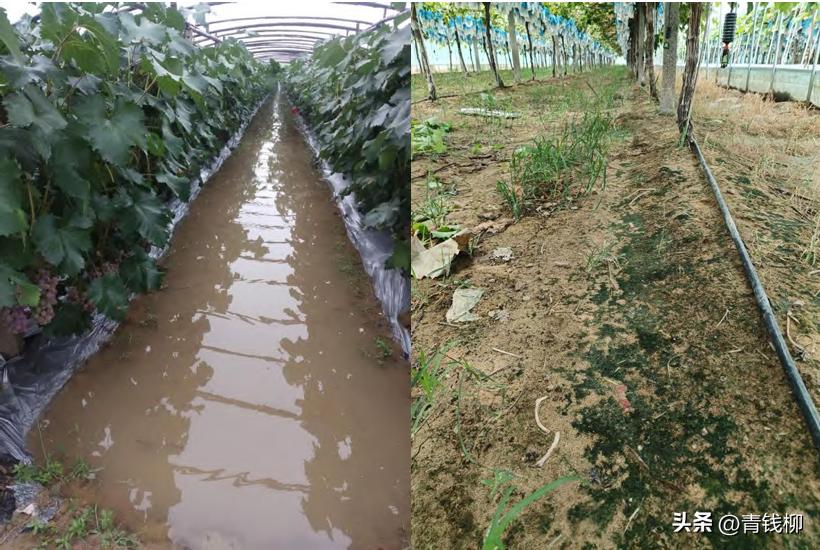
Figure 4 poor drainage (left), over-fertilization (right)
1. 3. 5 the management of a bouquet leaves too many branches at a distance of 10-15 cm, and the face is closed to influence ventilation; excessive nitrogen fertilizer leads to excessive length of branches, low yield and low light utilization. The lumbers are large, the branches are sprouted, and even a pair of lumbers, with a ratio of less than one to one, and tree growth and reproductive development are unbalanced. After the grapes sit, the amount of fruit is excessive, the fruit is distorted by crushing, the disease is inconvenient, and there is a high risk of fruit-related diseases such as anthrax, ashilosis, powdery disease, acidosis, fibrosis, etc.; the average ear mass is above 1 kg when grapes mature, the fruit acidity is high, the sugar is low, the colour of colour is poor and the maturity time is delayed. Technical details such as graft, detachment, varnishing, berries, kits, etc. Are more demanding and labour intensive, while first-line producers are older (50 - 70 years of age) and less educated, do not fully understand and effectively implement technical requirements, plant management is loosely standardized, and grape commodities are less consistent。
1. 4 other factors
In the process of grape cultivation, emphasis is placed on fruit management and neglect of tree body management, as well as on top ground management and underground management, concepts that need to be changed。
1. 4. 1 low level of mechanization. Only a small amount of work in grape production can be done by mechanical means, without an automatic irrigation fertilisation system, fruit management, trans-shipment of grape fruits and fields, lateral packaging, etc., are largely manual, affected by the face of grapes, and cannot be supported by efficient, cost-effective and adaptive drone protection techniques. There is little dedicated machinery in the vineyards and there is a lag in research and development, and there are widespread problems with high prices, unstable performance and high failure rates. The distance between most vineyards and mechanical distribution sites is such that the economic and time costs of maintenance are higher when machinery is in place and may delay the management of field production。
1. 4. 2 after the extraction of grapes from the field, no importance is attached to grading, repair work, no initial processing or packaging, or there are different classification standards, lower packaging slots, and the lack of compliance with relevant sales requirements affects sales prices and brand development. Before the sale, less than 20 per cent of grapes could be sold before pre-colding, owing to a lack of pre-cooling equipment, increasing risk and depletion from field to table. There is a low degree of organizationalization and fragmentation of sales, and new business players do not act as “bridges” between small farmers and large markets. Consumers have money to buy grapes that are worth money, and good grapes do not meet consumers willing to pay for them。
The production of grapes is dominated by a traditional home-grown model, with a small number of leading enterprises, cooperatives, family farms and large growers, a low level of industrial organization, a weak integration of members and cooperatives, fragmented operations, a low level of size, standardization and organization, a lack of advantage in terms of regional industrial size, a lack of integrated production and marketing cooperation organizations and a low level of resilience to natural disasters and market risks。
The current market for the supply of and demand for grapes is saturated, placing higher demands on the quality of fruit. Grape producers lack a sense of brand culture, are unable to form a locally called brand, have regional brands that are not sufficiently visible, have mixed fruit quality, are less competitive in the fruit market, are vulnerable to adverse social opinion and less productive。
2 solutions
To achieve efficiency gains in the grape industry and increase farmers ' incomes, to promote agricultural modernization andIndustrial revitalizationThis will lead to the revitalization of the village, with the following solutions。
2. 1 optimizing shed structures
Optimized upgraded shed poles with zinc plating steel tubes or cement columns, with intervals of 4. 0 ~ 5. 0 m. Thermal zinc-plated steel wire diameter 2. 0~2. 2 mm in higher-intensity positions and 1. 6 mm in other positions. The sheds are stronger and are more resilient to adverse weather conditions such as snow and snow. The shed is approximately 2. 0 m away. The structural parameters are: 8~10 m, top 4. 0~4. 5 m, shoulder height 2. 0~2. 5 m, archer length 0. 5~0. 7 m, length 60~80 m。
The vents are located at the bottom and shoulder of both sides of the shed, facilitating early multi-film coverage for early warming and summer ventilation. The front-stage venting of the air through the shoulder allows for a buffer distance when cold air enters without causing severe temperature fluctuations in the shed. When the wind is released through the bottom and shoulder, the hot air is dispersed from the top and the cold air enters from the bottom, forming a current and increasing the rate of cooling。
Large operating space in the shed to facilitate the entry of small machines, such as microcropping machines, pharmacists and lawn mowers, to effectively improve the efficiency of plant management (figure 5)
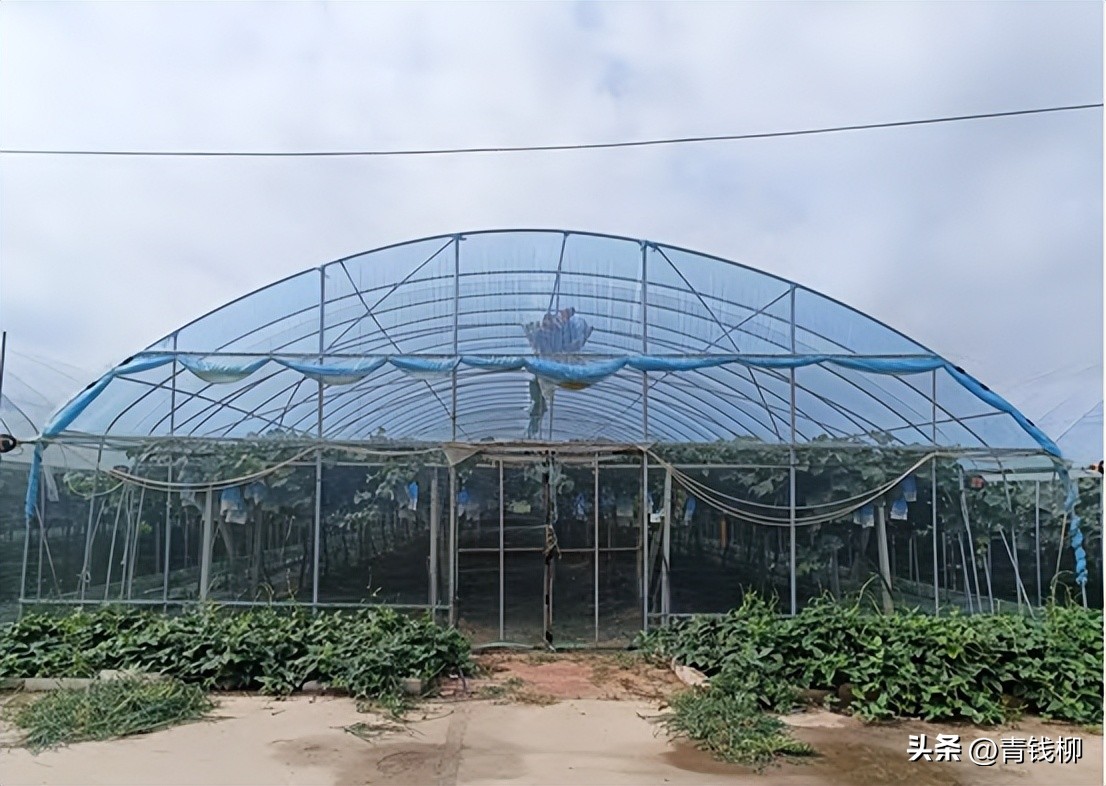
Figure 5 structured sheds
2. 2 types
The structure of grape varieties has been optimized, the varieties of grapes have been upgraded, and pre-maturized or high-quality medium-preparatory varieties, such as the summer blacks, jasmines, giants, sun roses, etc. Have been cultivated. Precise targeting of target markets and target consumers, producing medium- and high-end grapes. Regional experiments before scalding and production reduce the risk of seed failure. A reasonable mix of different matures, different colours and fragrance grape varieties can ease the pressure on jobs during peak periods and meet consumer diversification needs. Multiple species are marketed at the wrong peaks, with the full advantage of local time differentials to complete sales and effectively avoid direct local competition。
Heidi's garden is a high-quality fruit and fruit tree seedling
2. 3. 1 standard-setting. Criteria such as the shape of the main plant species, the spacing of branches, the number of new leaves, the number of ears, the length of raisins, the size of the grains, the harvest, the classification, the packaging, etc., are rationally defined, taking into account factors such as the properties of grape varieties, the density of cultivation, the location of production. Effectively implement the role of champions, professional cooperatives and growers, and promote the importance of scientific management, leading portuguese farmers to standard practices, producing grapes that meet the requirements of consumers and distributors, improving the quality of grapes and market competitiveness, and contributing to the quality development of the grape industry。
2. 3. 2 the concept of scientific cultivation includes, inter alia:
(1) high-light tree shape: main stand, main trunk height 1. 5-1. 6 m, balanced distribution of chickens to both sides, increased area of light for leaf curtains and increased lightness and efficiency of the leaves layer. The chicken grows horizontally on the shelf, slowing down growth。
(2) reasonable insulation: consists of a reasonable density of three frames - plant font hangers (2. 5 ~3. 0) mx (7. 0 ~ 9. 0) m, 22 ~33 strains 667 m2 (figure 6); t-shaped hangers (2. 5 ~ 3. 0) mx (4. 0 ~ 8. 0) m, 28 ~67 m2; t-shaped high width flats (2. 5 ~ 3. 0) mx (2. 5 ~ 3. 0) m, 74 ~ 107 strains 667 m2. Plantation density is determined according to soil conditions, climatic conditions, variety characteristics, etc。
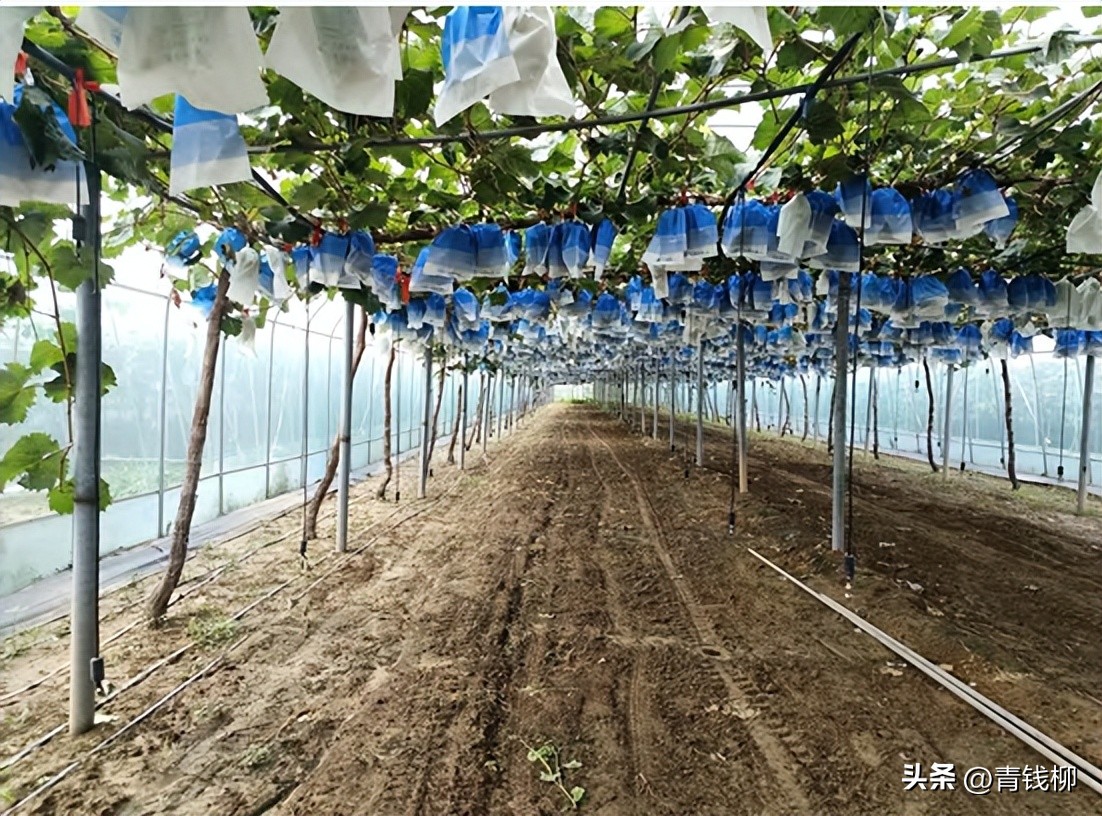
Figure 6 reasonable close-planting (plant-shaped shed)
Under the leadership of the government, social capital was introduced, leading enterprises were raised, large farmers were grown, professional cooperatives were set up, the industrial base was consolidated, trees were raised, and standard planting and management models were introduced. Rational loads, correction of short-term profit-oriented planting concepts by growers, avoidance of damage to tree bodies caused by excessive loads, and laying the foundation for high-quality sustainable development of the grape industry。
2. 3. 3 scientific cultivation techniques, including the following:
(i) in due course, the time of the film depends on the time when the grape matures, and the time of maturity of the medium-to-late matures between the beginning of june and the beginning of august, the time of the multi-film (2 to 3 membrane) to develop the film is around the end of the new year (i. E. The end of december to the beginning of january) (figure 7), and the time of the mono-film to develop the film is between mid-january and the beginning of spring。
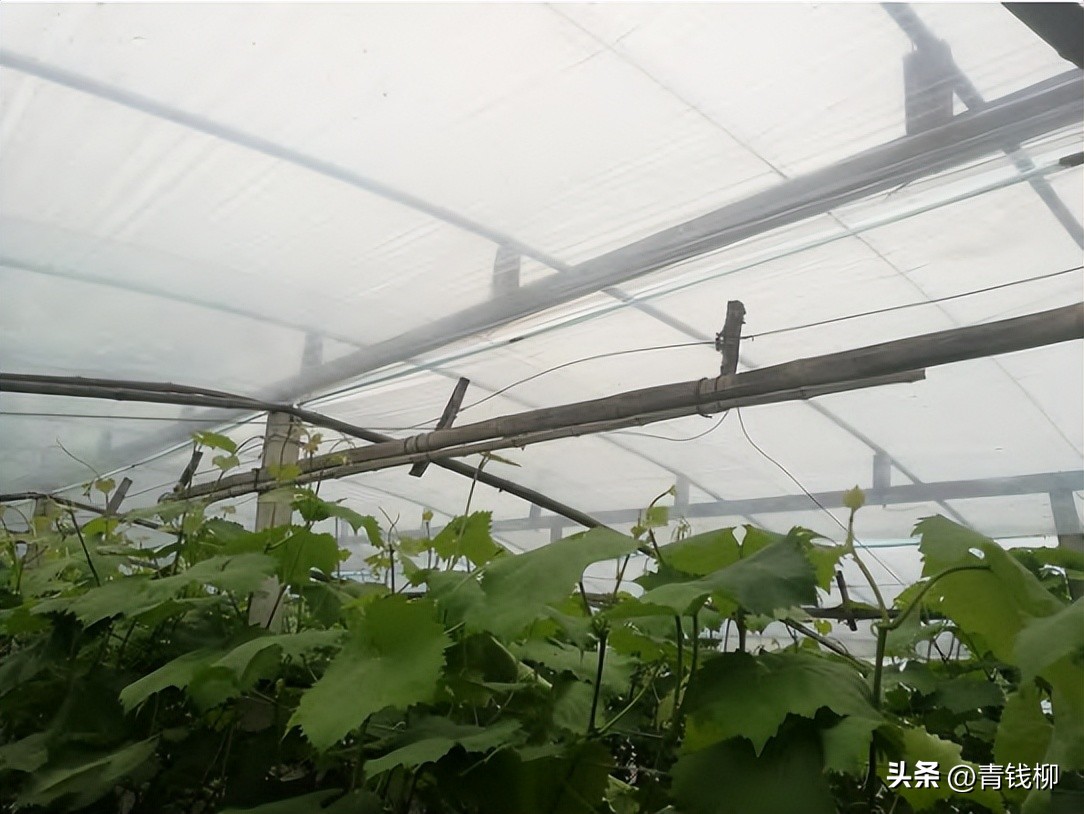
Figure 7
(ii) temperature and humidity control: temperature variability in early spring and susceptibility to high and low temperatures. Appropriate temperature: the best difference between day and night is around 10°c, the best for grapes is suitable for 15~20°c, new life 20~28°c in the long term; the suitable temperature for flowers is 20~28°c, the difference between day and night should not exceed 10°c; the suitable temperature for fruit expansion is 25~30°c, the temperature at night is higher at 15~20°c; the suitable temperature is 28~32°c in the transition to maturity, and an appropriate increase in the temperature difference between day and night contributes to the accumulation of organic matter. Since the raisins sprout, temperature cooling (more than 30 °c) or containment (less than 20 °c) should be provided in a timely manner, depending on weather conditions, and additional measures should be taken if necessary. Prevention of summer heat heat. Appropriate humidity: 75% ~85% for grapes, 70% ~80% for new growth and fruit expansion, 65% ~70% for flowers, 55% ~65% for color change。
(3) fruit quality upgrading technologies: the fine management of flowers consists of the stalking, grafting, grafting, grafting, condensing, condensing, berries, bags, etc. Roots, according to their new strength, are subject to the principle of "one in two, one in two, one in five, one in five" and the sequence of excessive, too small or stunted development is removed. Before flowering, from 2 to 3 d to the beginning, the raisins were fixed, the raisins were cut, the shoulders and the redundant branches were cut, the raisins were kept at 4 to 6 cm at an early stage, the length of which was kept at an earlier stage, and the length of the raisins, the length of which was kept at the lower end of the raisin and the deceiving method, the former retaining the tip of the raisin and the cone and the latter retaining the central raisin and then the column. After flowering, 1-3d is treated in batches using acrylic acids and chloral thorium for porpoise or denuclearization, if the flower is incomplete. After one week, the ears are cut out in poor shape and at a late flowering hour, and the ears are fixed according to the ratio of one branch to one branch (1~1. 2), with a number of 2,200~2600 ears and 667 m2, and then the upper ear of the super-long part of the ear is cut out in accordance with the size of the target. 12-15 d after porridge or denuclearized treatment, with an expansionary process using acrylic acid and chlorine. In order to reduce the pressure of this work, the fruit grows up to soybeans and begins to sterilise the fruit, so that it is not too late. In order to reduce the pressure of this work, the bouquets can be dealt with on a one-level basis in front of the flowers, with 50-70 fruit/pee in the shape of the tangerine, 80-100 fruit/pee in the form of the depoly. Production is generally controlled at 1500-2000 kg/667 m2. Upon completion of the expansion and oscillation, the pharmacological treatment of fruit ears is carried out using a spray method or an oscillation method, and the timely application of grape-peasing bags after the drop of the oscillation fluid can be effective in improving the appearance of fruit and reducing the probability of disease in fruit; in combination with the size of the oscillation, the selection of the size of the bag, the material, the colour, and the absence of rain-proof and bird-proof requirements for the bag's thickness can be appropriately reduced in the garden。
New deal management. Gravity sprouts grow to the point where the sequence can be identified in two sprouts, mainly to retain a strong and well-positioned bud. When sprouts are sprouted, the new steps grow fast, reaching 15-20 cm, with a clear judgement of the lumber quality, and can be set at a distance of 18-20 cm, retaining 10-20% of the nutrient branch. Carcinating the main chicken before the grape blossoms, retaining the top stalks, removing the rest of the stalks, fixing the new slabs to the wire with a lace or a laced card to ensure effective ventilation on the surface. During the period between the flowering of grapes and the ripening of the fruit, it is necessary to cut the curls and leave three to four leaves behind the top of the brocade, while removing the rest. The fruit is produced quickly and long, and leaves between one and two leaves, opposite the ear and the upper and lower adjacent areas, are preserved for grape varieties prone to sunburn。
Integrated management of water fertilizers. Water (drops, sprays, etc.) is combined with fertilization to provide a timely and balanced supply of nutrients. Before flowering, one to two high-nitrogen three-dollar hydrolysed fertilizations, with an application of 5 to 8 kg/677 m2 per application, depending on the growth of the plant. After the fruit is taken up to the hard core, the three-to-five balanced water soluble fertilizers are applied at intervals of 7-10 d each, with an application of 5-8 kg/677 m2, with the application of mild element fertilizers, such as platinum, to improve the hardness and wind taste of the fruit. High potassium-type water soluble 2-3 times after coloring, with an interval of 7-10 d each, promoting thawing and chromosomal sugar in fruit at 5-8 kg/667 m2. The application of organic fertilizers in the autumn after the harvest is dominated by organic fertilizers such as cow dung, sheep dung, and the application of appropriate three-dollar composite fertilizers, microbacterizers, calcium perphosphate, moderate trace elements, etc., can be distributed, can be applied in ditches, some roots are cut when the fertilizing ditches are opened, which are more efficient because the temperature is still high and new roots can be grown soon。
(4) management of the economy: the use of hand-cutting electric cutters, electric florist machines and other alternatives to traditional hand-made shears, which are fast, efficient and of good quality and reduce manual inputs for precision management. The application of smart agricultural monitoring systems can reduce water, fattening, medicine and manual input by installing, inter alia, soil sensors, air-temperature sensors, pest monitoring devices, real-time or regular data collection, combining the collected data, automatically shutting down or turning on equipment such as water irrigation, ventilation, sprays, etc. Use of drone sprays to increase efficiency and reduce waste. Increased investment in research and development of low-cost, well-satisfactory vineyard management machinery and the development of additional management machinery to replace manpower (figure 8)。
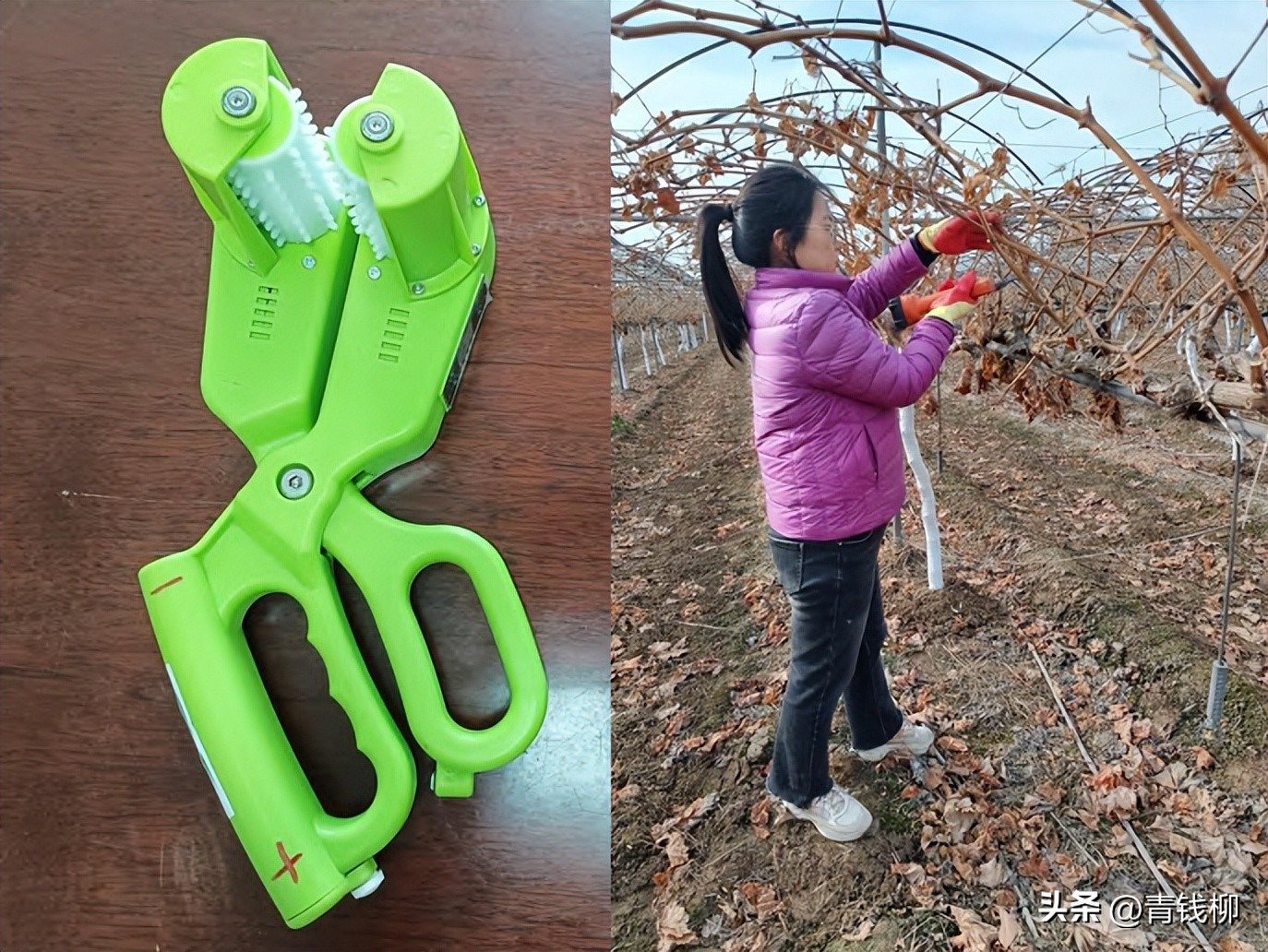
Figure 8 electric management machinery (left: hands-on cutting, right: electric floriculture machines)
Grape gravy gravitate graze graze graft graft graft with sun roses
2. 4 grape sales
Upgrading of the post-raiser classification and storage capacity, introduction of intelligent, modern sorting equipment, and automatic classification of grapes by oscillation, colour, sugar, etc., to achieve good quality prices. Construction of pre-cooled conservatory banks, in or near the site, using cold storage, fresh storage technologies and other complementary conservation measures to extend supply periods and industrial chains. Product traceability drives growth in sales. It regulates marketing markets, widens distribution channels, creates modern marketing markets, ensures precision, harmonizes market prices and improves the market system. The government and the new business owners have taken the initiative to take the lead in bringing together large market players within and outside the province, to establish stable marketing cooperation and to overcome the blindness of grape production and cultivation, and to increase the stability of production and economic returns through cooperative approaches such as “farmer + enterprise” “farmer + cooperative”。
2. 5 policy support and security
Increased policy support, supported by government departments in a variety of areas, including policy, project finance, technology, etc., to make the grape industry in incubators as one of the industries for high-quality agricultural development. The policy of financial institutions is biased, providing low-interest or no-interest loans for the rehabilitation of small, low-cost sheds in grape-producing areas and for the improvement of roads, water and electrical support facilities, for the construction of hot-cooled steel-structured sheds, and for the improvement of the production and quality of grapes for the purpose of efficiency gains。
2. 6 branding and premium increases
Investing in the internal and external quality of grapes through a variety of initiativesBrandingStrongly developed regional brands, geo-labelled products, and higher product premiums, such as the "nings" grapes. The quality of products is fundamental to the market-based nature of brands that are already well-known, with sustained and stable high-quality guarantees, and are reluctant to use brand influence to sell unnamed products. Extension of the industrial chain, exploitation of local grape culture, integration of cultural brigades and promotion of portuguese
Conclusion
Grapes have a natural lifetime of more than 100 years, and the economic life of fresh grapes actually produced can be 20 years or more. Gravity shed cultivation, which is more efficient and resistant to adverse factors, is gradually accepted by more growers. At the same time, the construction of the sheds is relatively high and needs to be carried out in a way that reasonably controls the scale of development. Gravity cultivation is not recommended. The demand for management skills is high in areas where the capacity of managers is not high。
Cultivation of grapes in large sheds, relative isolation of space, and with the passage of planting time, multiple problems arise, such as the accumulation of outbreaks of disease, soil sheeting and salinization, which are the result of interactions of multiple factors, to be addressed through a variety of measures, such as the eradication of inter-crops, the timely removal of diseased fruit, the control of nitrogen fertilizer, and the reduction of the base number of insect eggs, the application of organic fertilizer after the fall of grapes and the application of heavy water to address soil salinization problems。
Scientific management techniques are a guarantee of economic efficiency during grape cultivation. As science and technology progress, the management of grapes from a development perspective, the management of technologies and equipment need to evolve over time and reduce production and risk costs through the application of efficient management technologies and equipment to promote high-quality sustainable development of the grape industry. Extension of the chain of growing industries, promotion of “triple product” integration and promotion of other industries (e. G. Catering, accommodation, processing). It is important to ensure that the public is able to provide timely clarification of rumours, resolve the crisis of public opinion and use it as an opportunity to build confidence, and effectively defend the interests of the farmers with “clean hands”。









