


The acupuncture is more adaptive, while the acupuncture is more poignant and self-sustaining, and when it is harvested, new acupunctures are produced quickly, and many can grow them。
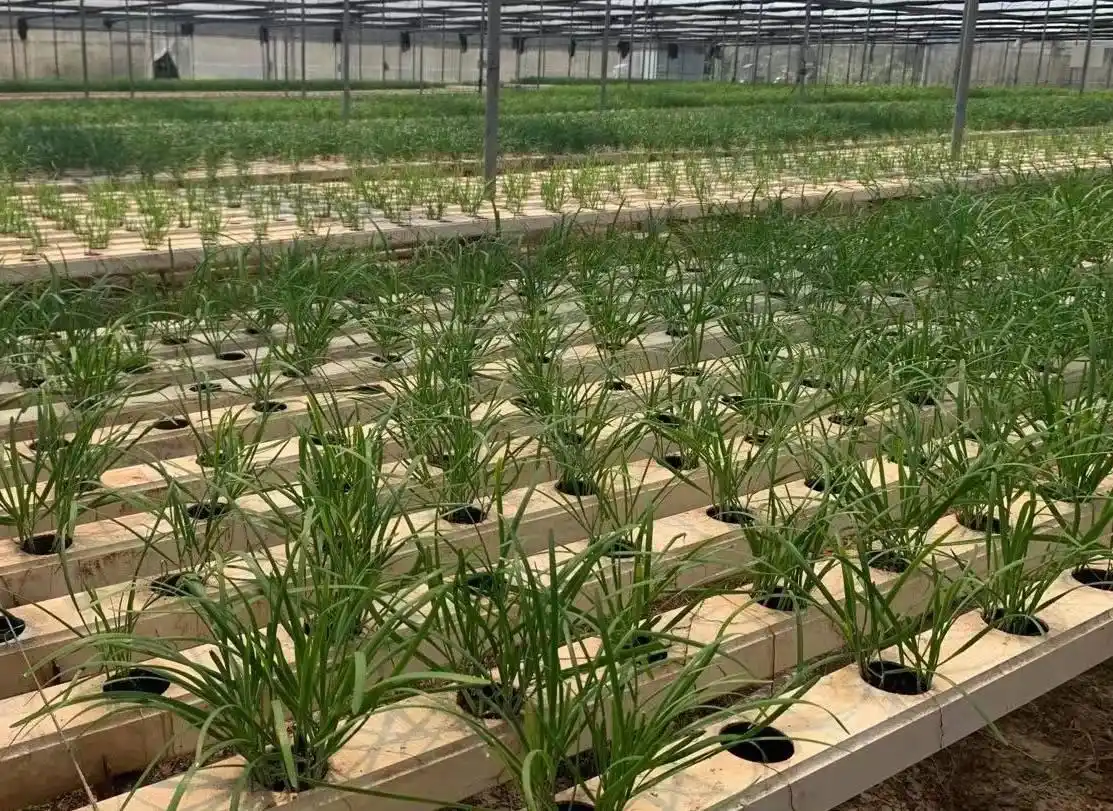
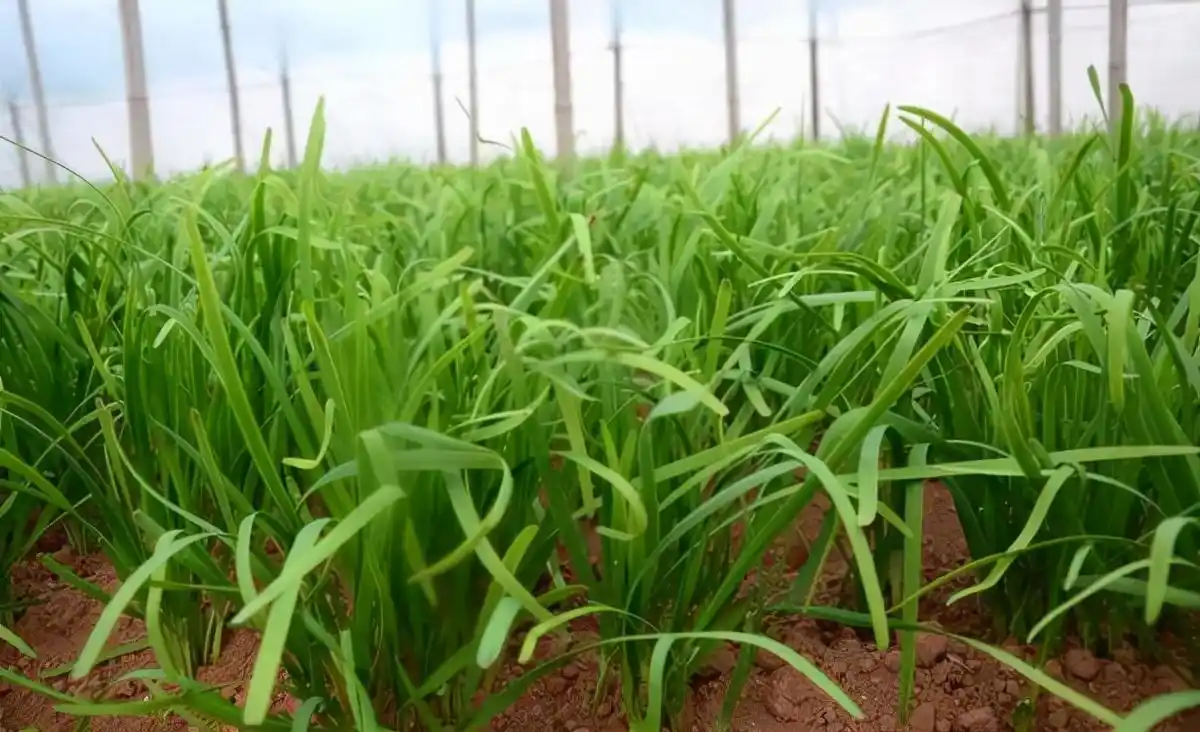
Despite the abundance of herbs, because of their unique taste, not everyone likes them. The cultivation of cabbage, which is now mostly open-air, has begun to grow in the sheds, particularly during the winter, as the growing of the sheds has increased。
I. Winter shedsBeef growingKeep your eyes open
The herring generally prefers warmer climates, with temperatures growing most rapidly at around 25 degrees, which tend to increase cellulose content and affect tastes, while the herring growth slows down and affects maturity。
At the same time, the water requirements for the soil are relatively high and generally require soil moisture of about 65 per cent, which can lead to yellowing of herb leaves, smaller branches and slower growth。
Excessive moisture can also lead to rotting leaves and rote roots, especially in large shed environments, where excessive moisture can easily create high temperatures and humidity and cause outbreaks of disease. It is therefore important to keep a close eye on the cuisine during the winter。
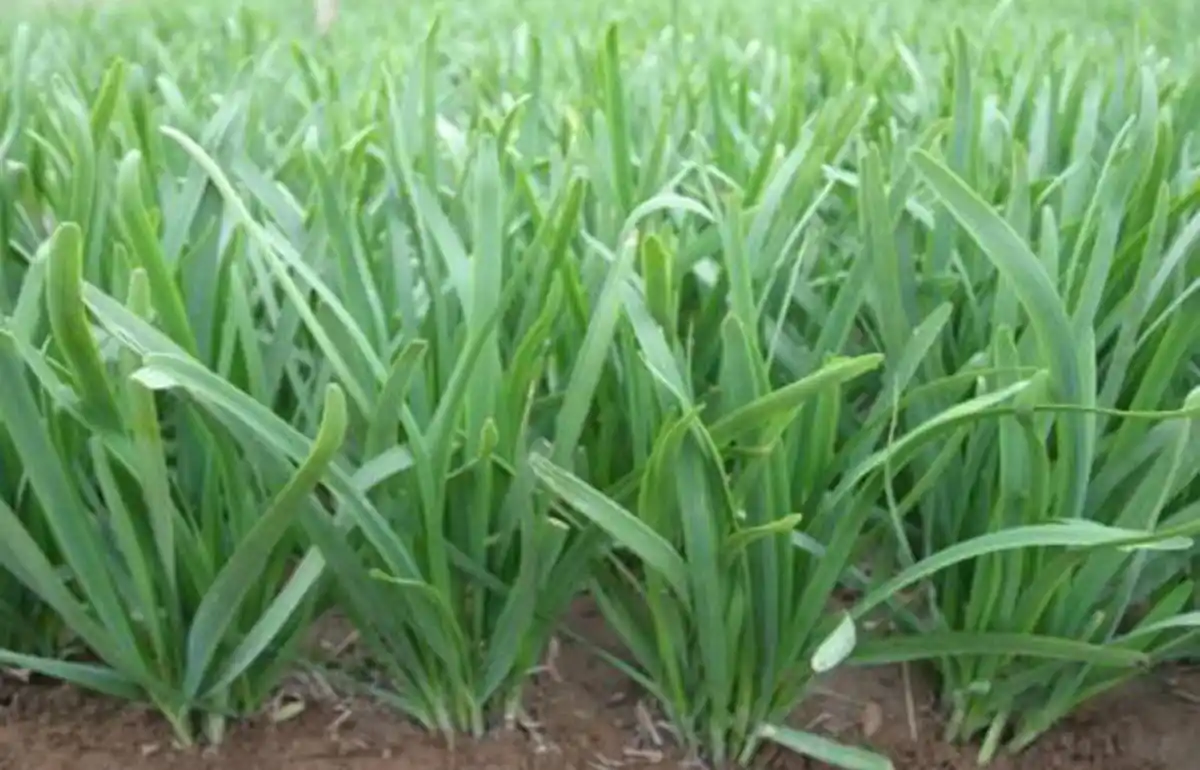
Based on the growth habits of cabbage and the winter climate, it is generally done in late november. The shacks are too early, the temperature in the huts is rising too fast, the beryllows tend to flourish and their growth cycles become shorter。
The lateness of the shacks, the vulnerability of cabbage to hypothermia, slower growth rates and longer growth cycles also affect listing times. It would therefore be preferable to combine the shears with production plans and listing schedules to clean up the weeds and groceries in the fields in time to prevent them from decomposition in the shed。
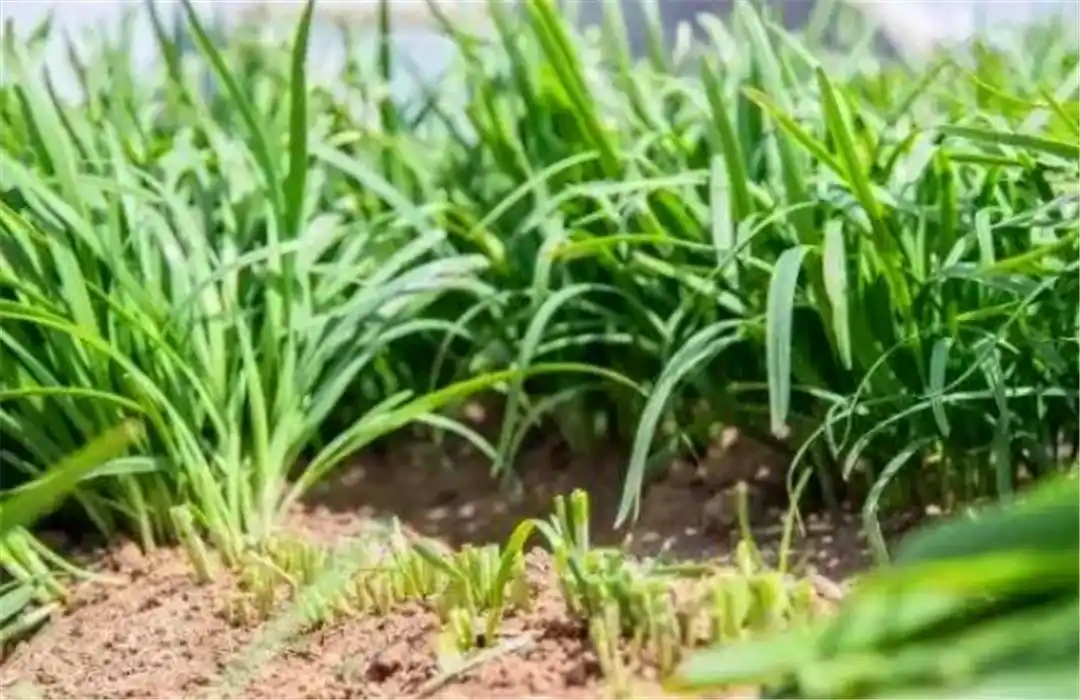
Ii. Focusing on temperature management after the crib
It is important to note that the temperature in the sheds, once condensed, is gradually rising and that, for beryllium, the temperature in the sheds should not exceed 25 degrees in the daytime and not less than 5 degrees in the night, so that when the sheds are too hot, the air-refruiting and wetting method should be applied to the highest noon temperature。
That is, the opening of a shed at the peak of noon temperature for about 20 minutes, followed by the closure of the shed, which continues to ventilate for 20 minutes after the temperature rises again, and recycles, usually ending by 3 p. M., which ensures that the temperature in the shed remains generally stable while ventilating. At night, if the temperature is low, the cushion is added in time。
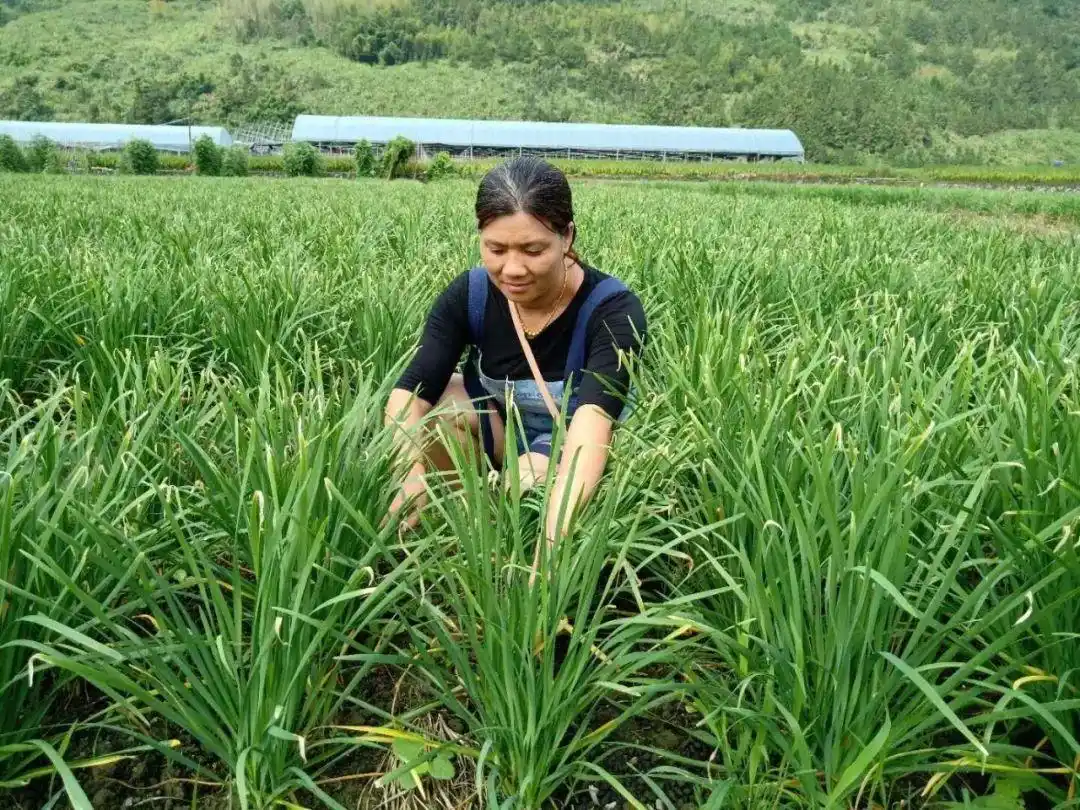
Focus on fertility management
In order to obtain higher and better yields, especially in the case of maroon plantations, it is necessary to do so according to the needs of different stages of growth. In general, fattening was followed up once before the shacks were held together with frozen water, after which fertilizing and watering were not generally carried out until the second raisin was harvested。
The pursuit of fat should be predominantly nitrogen-based and promote faster growth of the leaves, together with the application of phosphorus and potassium fertilizer to ensure a fertile soil environment. Conditional base fat preparation is best prepared with decomposed farm fats, followed by diluted faeces, usually with proper spraying of potassium phosphate or urea about three days after harvesting, with suitable potassium fats contributing to a faster onset. For cuisine, either fertilizing or watering, ventilation is required to remove toxic and harmful gases。
Iv. Beware of pests and diseases after the crib
In fact, the shacks were followed by a relatively small, relatively closed environment, with higher temperatures and humidity, which facilitated the breeding of some pests. The most common pests in the cuisine canals are asymptomosis, deadness and acne。
In the case of ailments, which must be combated in a timely manner, appropriate drugs may be used at concentrations and between times of application, and it is advisable not to use the same drug twice consecutively to avoid resistance. For pests such as thorium, pesticides can be used to kill, and attention needs to be paid to the concentration and spacing of the drug。
In actual production, some growers have also been used to prevent pests and diseases and have also developed induction methods for sugar vinegar, which are also effective in preventing pests and diseases. It should be noted that, since the main part of the beryllium diet is a leaf, no drugs are recommended for use in the first half of the month after the harvest period, so as not to cause residues on the beryllium leaf。
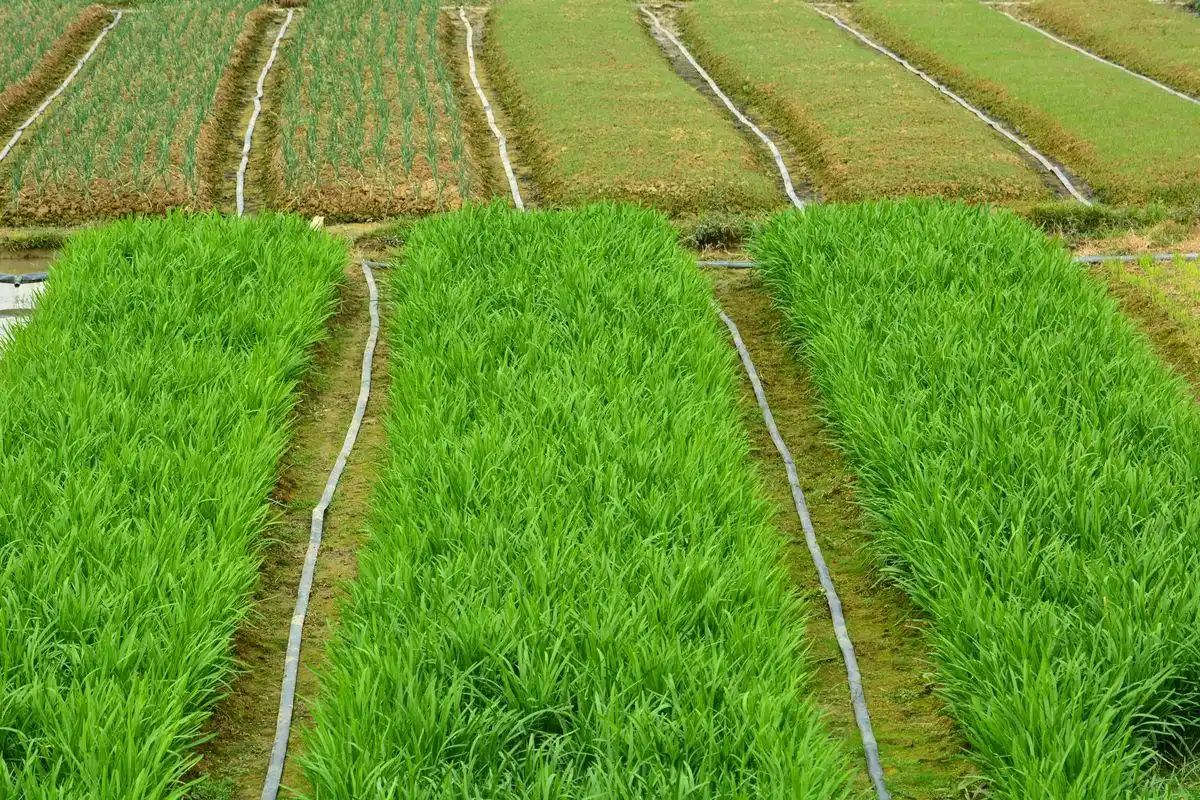
In general, the focus of a herb garden after a shack is on temperature and water fattening, combined with the timely weeding and fatting of harvests in daily management, and the timely freezing of more rapidly changing temperatures to avoid the impact of freezing on yields。









