


Plantation techniques and management of cuisine: selection and construction of shedsVarieties selection♪ wet-drive methods ♪Fertilizer water management, temperature managementPest control(c) collection in due time, detachment of the winter, management of sprawl。
1. Land selection and construction: three aspects of cropland selection require attention: firstly, the choice of land-growing resources with zero pollution; secondly, the cultivation of the natural environment with high prices for drainage pipelines and clean ambient air; and thirdly, the productive and shifting cultivation of high-quality land resources. In the case of beryllium, the choice is to have a better geographical location, a higher price for drainage and irrigation, and a greater amount of machinery in the soil layer. The advantage is to have a better geographical location, which is conducive to reducing logistics time when the beryllium is sold for sale, and to the care of its workers. For the construction of the shed, it is possible to select a size of 4 metres, a high of 40 metres and a 40-metre specification model。
Species selection: the selection of these pest-free seeds is also a crucial step in the development of green and zero-polluting beryllium, so that, in the selection of varieties, the quality of the beryllium is selected in a manner that is highly immune, robust, early and of high quality。
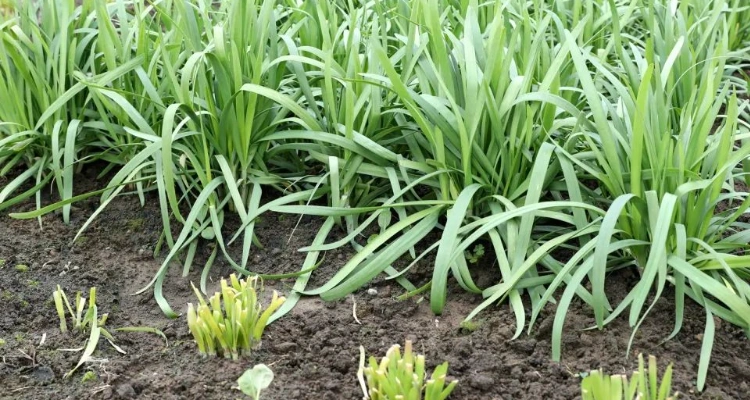
3. Wet-sowning methods: planting in the middle of the sapling season, with an acre of 6-8kg seedage and sub-filling. The upper membrane covers the upper layer of the agricultural membrane to protect thermal insulation of the water until it is sprouts before the membrane is removed. Until shellows grow to 5 cm up and down once, then the soil is rolled, 10 cm down and fertilized and dewormed. Up to 15 cm above and down, leaching to prevent boom. The harvest is moderate and fertilized after each harvest。
4 - cultivation: at the end of april, there will be a need for a harvest of herbs, and then for the field of herbs to be bred, shoveled and fertilized, and when the herb is ready, the nutrients will be collected. The first was in mid-august and the second in mid-september, when human and animal dung, calcium carbonate, usually 15t/hm2 human and animal dung and phosphorus fertilizer 750kg/hm2, were mixed and applied。
5. Fertilizer management: when applying, organic fertilizers should be dominated by organic fertilizers, followed by organic and micro-fertilizers, which can be applied in combination as a one-off application of organic fertilizers, deplete compound fertilizers, followed by a fertilization application in four or five days of harvest, which can also be carried out with urine. It is therefore advisable to caution against fertilization with contaminated household waste and fertilizer with nitrogen fertilizer。
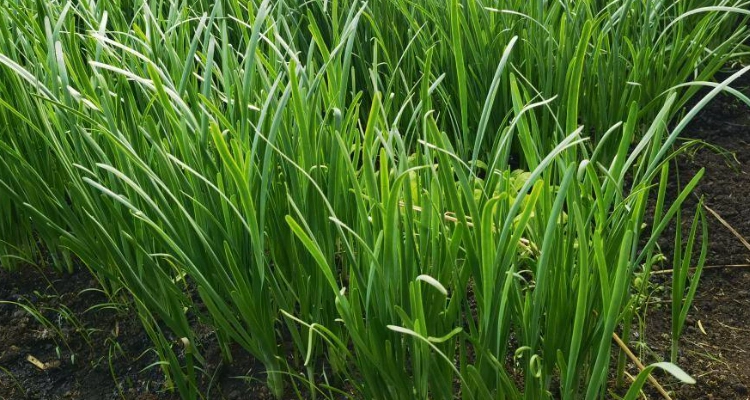
Temperature management: since a herring can survive in winter and thus remain a more cold-resistant diet, generally at a temperature of 14-20 degrees, if at a temperature of 10 degrees, it will grow slowly, but when it is above 25 degrees c, it will cause harm to herring, so care needs to be taken to avoid vents and to maintain ventilation in the greenhouses。
7 insects and pests control: there is a risk of asymptomosis in the beryllium growing chain, where 5% of the cyanide cyanide can be selected from 800 to 1,000 times, and 50% of the rink icin cyanide can be selected from 1,000 to 1,500 times, and sprayed every 7 to 10 times. It would therefore be preferable to select new land for dry terrain and drainage during planting, and to keep an eye on the temperature at all times during beryllow growth。
8. Quick harvest: cauliflower can be harvested two or three times in the first year of cultivation, while those growing and growing for two years can be harvested three or four times, and in the middle of the day, as much as possible, the temperature will be relatively low in the morning, and the cauliflower harvest will then be tied to a few, which will be a good way to avoid the illusion of decay。
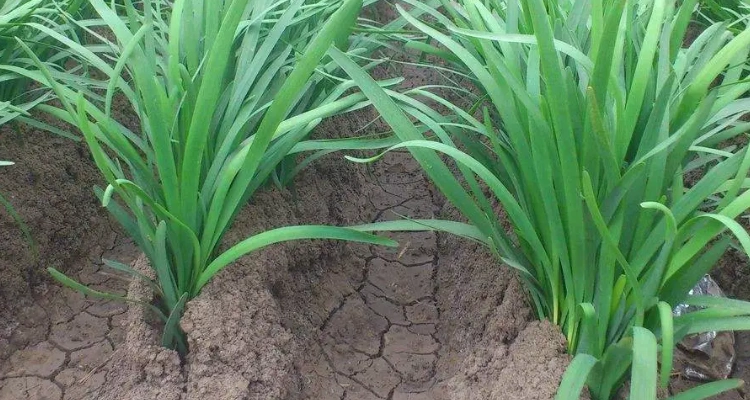
In order to be safe for beryllium to survive the winter, it is necessary to maintain the membrane when part of the beryllium floor becomes or essentially becomes dead, in addition to the timely elimination of dry leaves and pests in the field. Combining with the pursuit of ammonium chloride, ammonium phosphate or phosphate fertilizer, etc., in order to build foot bottoms early. It can also open drains in the beryllium line, followed by a water drain with phosphorus, which can effectively tackle winter insects and eventually fill the border。
10: cumber management: after the continuous harvest of cuisine, it is essential to improve the management of fatty water, once every 10 to 15 days, to combine the water with one acre per acre of fertilizing 20 kg of urea, 10 kg of urea solution, to continuously apply fertilizers 2 to 3 times, to continue to grow in the spring and summer, to continue to strengthen the management of fatty water in the autumn, and to cultivate a strong plant by not growing before the shack。









