


July 24th, togetherIllicit cultivationThe drug plant case was heard in public in the street community of the west mountain seagate in kunming city. Prosecutorial staff of the western mountain public prosecutor's office appear in court to support the prosecution in accordance with the law and proceed after the trialCounter-narcoticsRule of lawI don't know. Listening to the trial, using case law, answering questions on the spot, conducting an anti-drug rule of law course at the crowd's “door to the house”, providing visual insight into the dangers of the illicit cultivation of narcotic plants and the dangers of drug traffickingLegal consequencesI don't know。
In life, some people mistakenly think that they grow small amounts in their own yardPoppyAs long as it is used for food and medicine, it is “no big deal”。
In this case, the accused planted poppy seeds in his home for the purpose of eating poppy seedlings, which were subsequently seized by the public security authorities. A total of 778 opium poppy plants were measured on site。
According to article 350 of the criminal code of the people's republic of china, the illicit cultivation of more than 500 or less than 3,000 opium poppy is covered by the crime of illicit cultivation of narcotic plants. The court heard and found the accused guilty of the illicit cultivation of narcotic plants in a judgement handed down by the court。
At the end of the hearings, prosecutors conducted local rule-of-law lectures on issues of general concern to the population。
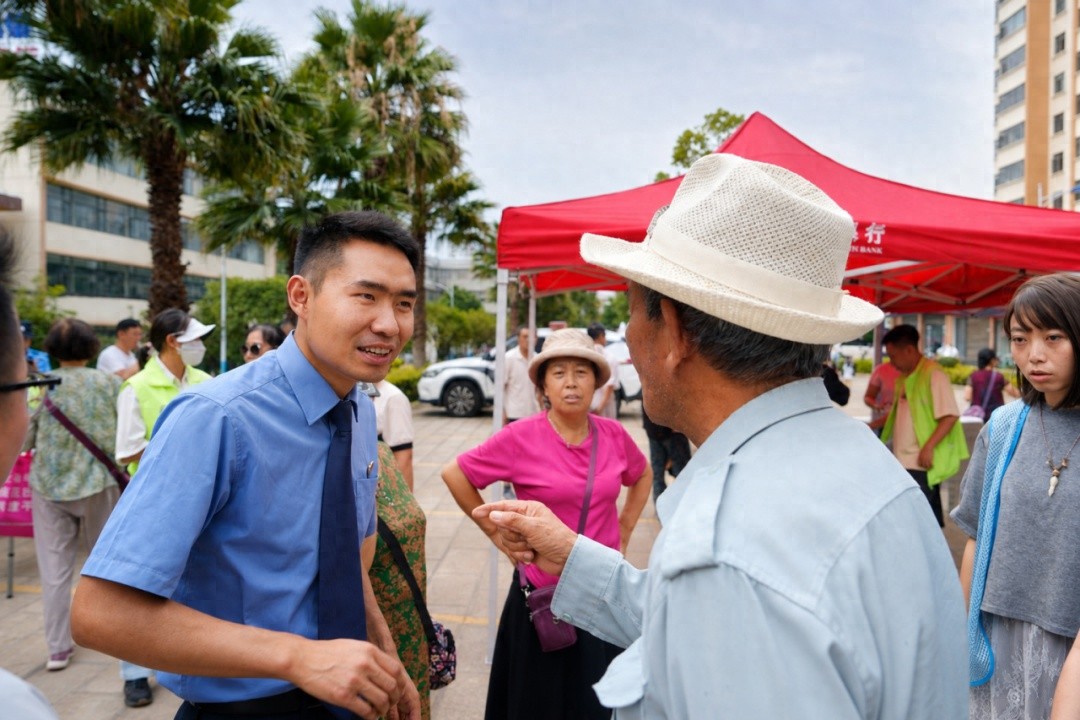
With regard to “specified, self-used and illegal”, opium poppy was a drug plant under strict state control. Unauthorized cultivation by individuals, whether for food, medical treatment or reward purposes, cannot change its unlawful nature. In cases where the illicit cultivation of opium poppy is less than 500 and does not involve any other crime, the law imposes administrative penalties on the security forces; and in cases where more than 500 or more than 3,000 have been committed, or have been dealt with by the public security authorities, the law establishes criminal liability。
With regard to “poppy can cook, treat and treat” — opium poppy contains bioalkalin such as morphine, codeine and so on, unauthorized consumption may pose addiction and health risks. Their medical, scientific and other uses are strictly regulated by the state, and individuals cannot grow on the grounds of food or disease。
With regard to “does not take responsibility for active eradication” - the law establishes different conditions for active eradication: illicit cultivation of opium poppy is less than 500, self-eliminating before maturity, and no administrative punishment for public order is provided for by law; and criminal accountability standards are met and automatic eradication before harvesting is exonerated. The applicability of the above-mentioned provisions, which are judged by law in the context of specific circumstances, such as the timing of the eradication and whether or not it is voluntary, cannot simply be understood as “exemption after detection”。
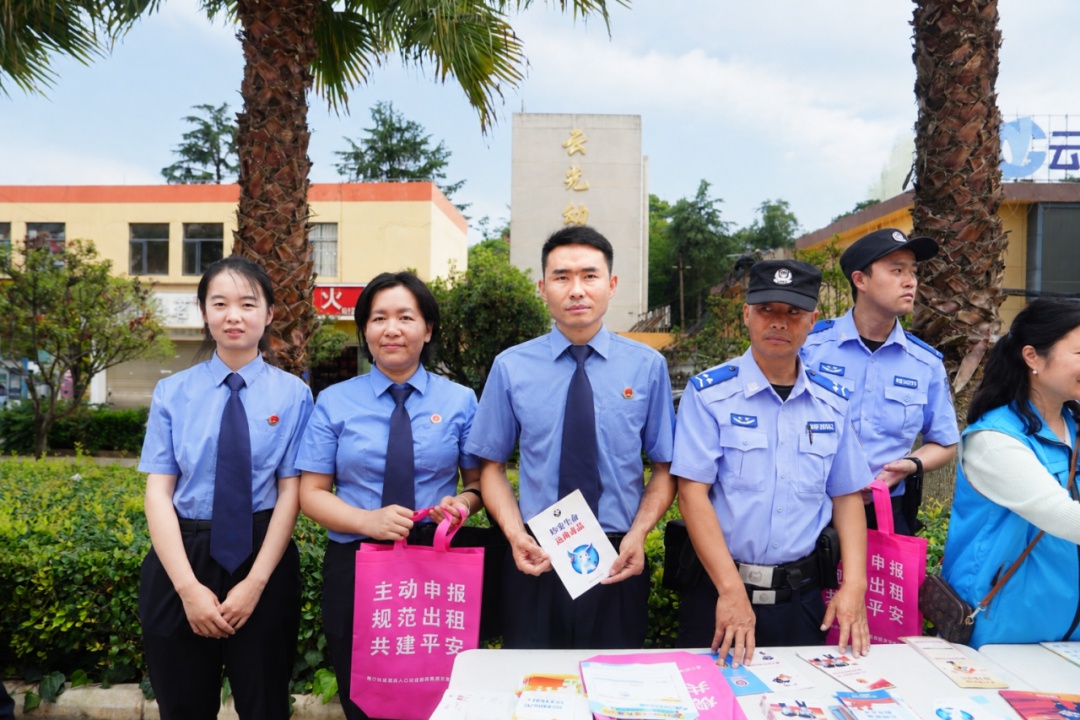
On the scene of the event, prosecutors also distributed a brochure on the rule of law in the fight against drugs to the audience, using the real local case as an entry point, explaining the legal provisions in plain language and responding to questions from the audience。
“it was not a big deal to have planted a few poppy plants in their yard, and it was only at the trial that today, as we know, it was also a touch of the legal red line.” one of the people who listened was touched to say。
Source: people's procuratorate for the western mountains









