


As farming combines, farmers do not all place their hopes on a single crop, with high planting costs and limited production, and food as a whole is very high. So farming is very hot in the countryside, and there are a lot of farmers and farmersGrassI don't know。
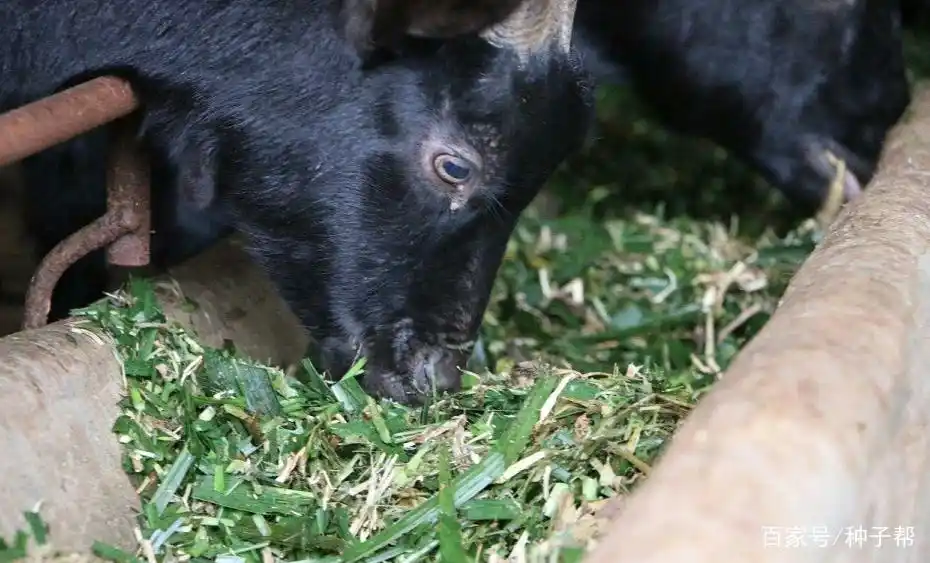
Cow farmingAs friends know, cattle eat very much, and they get 30-40 kg a day for fodder alone, so many farmers want to grow high-yield pasture varieties, preferably for many years, at a time when high-yield pastures are growing in the south, with their families growing a piece of cattle。
WellGuizhouCows are the best. What's the high yield
First, the choice of pasture is tailored to the local context, not every herd is planted casually, but, in short, the cattle prefer to eat, the soil, the environment and the temperature。
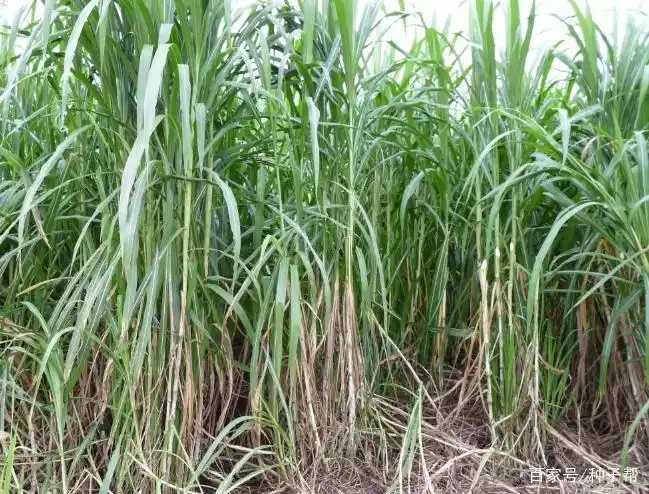
Giant grass was introduced into the country in 1983 and has been cultivated for more than 20 years. It has been cultivated by the national centre for research into the engineering of bacillus, which is more suitable for the climate soil environment of the country and is of high quality. It is not grown in all regions and is more suitable for tropical, subtropical and temperate growth, so it is well suited for cattle farming in guizhou。
Giant bacterial grass is colder than mackerel grass and sweet grass, and can withstand 4 degrees cold. If there is an occasional zero minus in the south like guizhou winter, it is not only guizhou, but can be grown in two broad regions, jiangxi and yunnan. Winter temperatures of less than 4 degrees can help protect them from winter。
Magnificent grass is standing and browsing, growing tall and growing to a maximum of 7 metres, with 50 knots and an average of 3. 25 kg. It is also highly resilient, has high yields, has high levels of coarse protein and sugar, is typical of the four carbon plants and has a high photolytic rate. It can produce over 300 tons of fresh grass per hectare per year and up to 450 tons/ha under good water, wetness, fatty, etc. Cultivated successfully in guizhou, and raisedBenefitsGot a lot of recognition。
What do you care about giant grass growing in guizhou
1. Section selection: macrograss breeding is a festival, not a seed, so it is necessary to choose a section, one sprouts, or two stubbles, which can also be placed in the ground in a larger range。
Soil selection: macrograss cultivation is based on the choice of soil with a deep layer of soil and a better water source. The slopes, rivers, beaches and sands can be planted, and the ground can be levelled, regardless of soil。
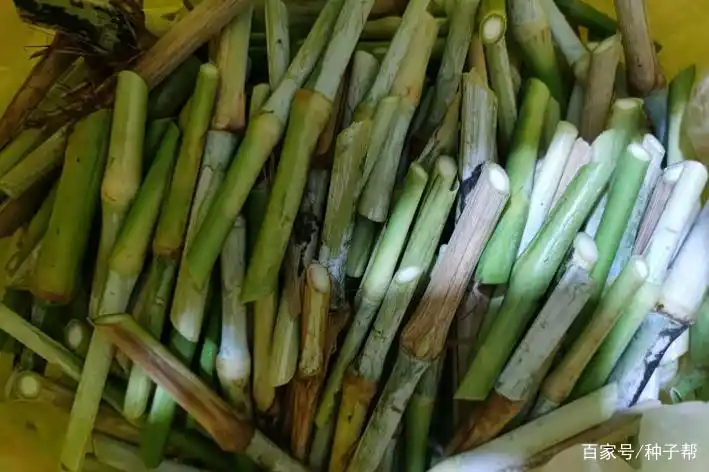
3. Cultivation techniques: straight plugging, flatting or tilting in the soil. Each plant is at a distance of 50 centimetres, with a range of 80 centimetres, covering 2-3 centimetres of fine soil, with light pressure. Water can then be watered, either by excrement or fresh water, so that the soil is humid and it can germinate for about 10 days。
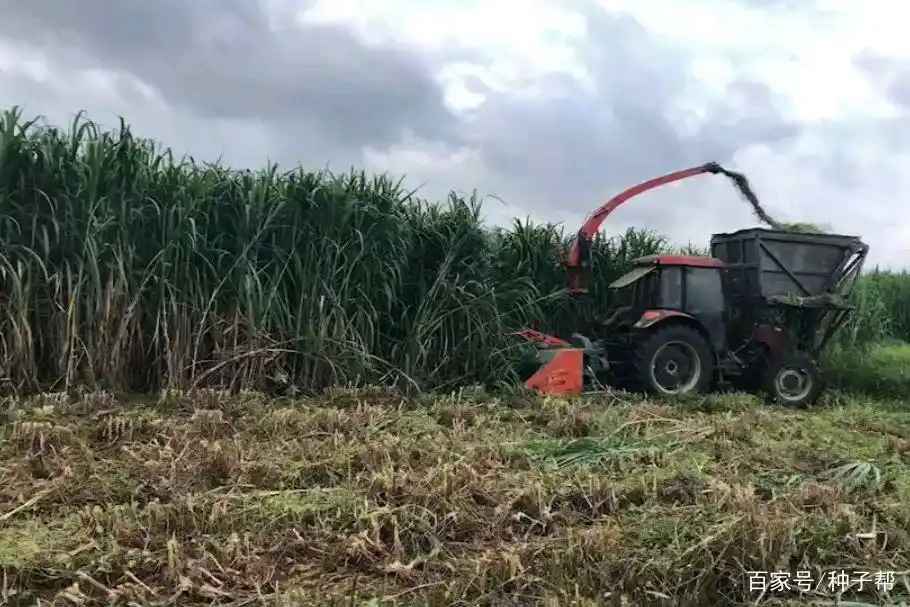
4. Harvested feed: cattle can be harvested between 100 and 170 cm, 5 to 6 times a year. Small-scale animals can be harvested at 60-120 cm, 7-10 times a year. The harvest is 10 cm, it can't be too low, it can regenerate. It is important to avoid harvesting in rain and to reduce the incidence of pests and diseases。
Magnificent-high-yielding plant festival:
Down already
How's it going with the cattle
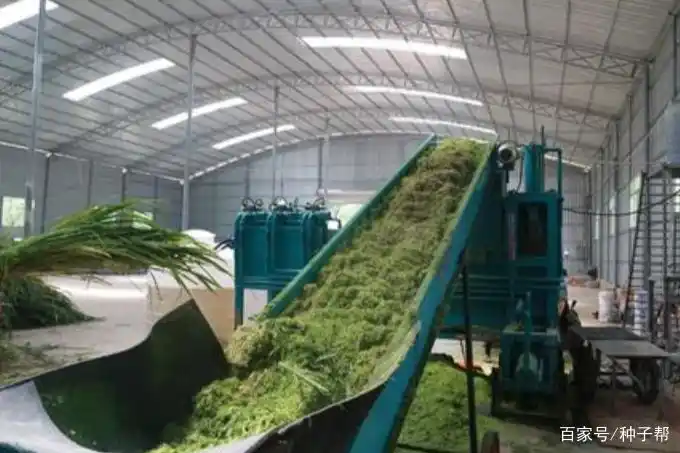
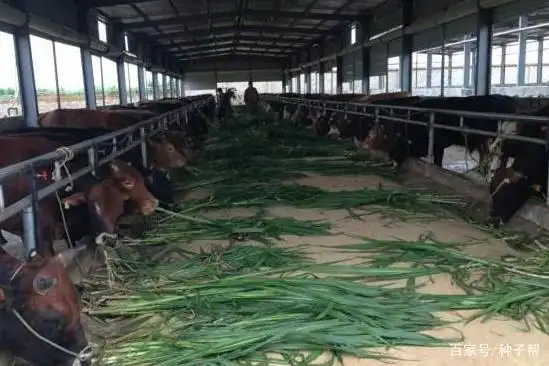
An acre of giant grass can feed 4-6 cows, 2-3 cows, and a cow can feed about 600 grams a day of cog grass. It can feed the harvested cog grass short to the cow, saving herbs more, and usually to the cow three centimetres ~5 centimetres. Or crusher to shreds, crumb or weed. Green storage is not contaminated with cow excreta and is readily fed, saving significant feed costs。
There's a lot more to be done about cattle grazing, but it's up to you to choose the right pasture by region. If you don't, you can leave a message below or contact us. Thanks for reading









