


They're 7 meters tall, they look like sugar cane, they're passed onEconomic benefitsVery impressive. So what kind of crop is this? What is its specific use? Is the payoff really great? Is there any damage to the soil
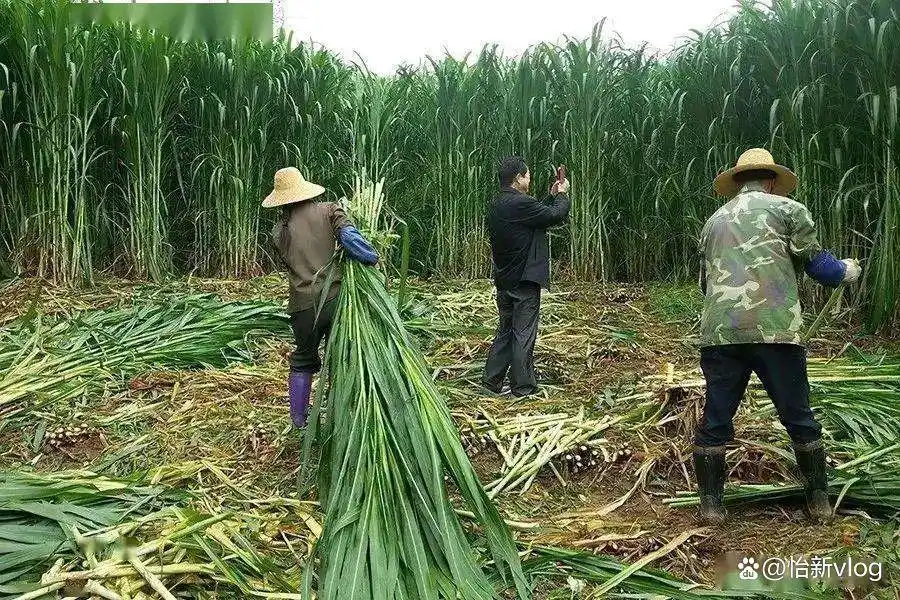
One, mysterious."Giant grassIt's not the same
In the context of the rapid development of science, technology and cultivation in our country, new crops are also emerging, some of them are more popular with farmers who have had experience with mushroom cultivation in recent years, and many of them are beginning to favour an emerging crop, “megagras”。
The “megagrass” was cultivated by the chief scientist of the national research centre for the engineering of baccalaureas, lin jia, who introduced it into the country as early as 1983, followed by 20 years of cultivation and improvement before it finally reached the market。
In subtropical, tropical and temperate areas, “megagrass” is generally produced at more than 300 tons, and can reach more than 450 tons/ha if water fertilizer conditions are favourable. On average, the production of an acre is also about 30 tons。
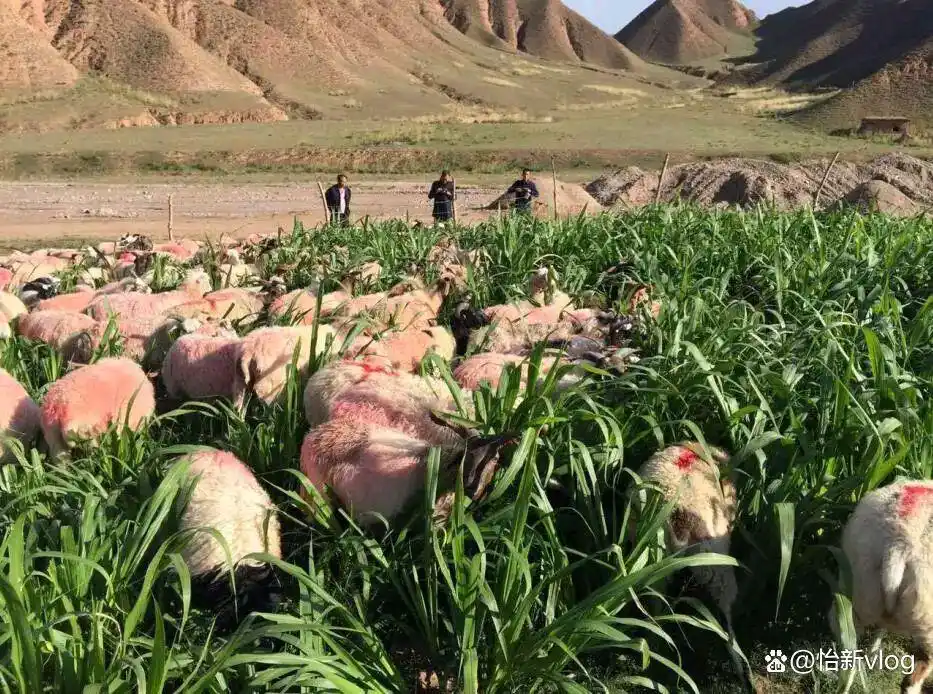
Two, what's the use of "megagrass"
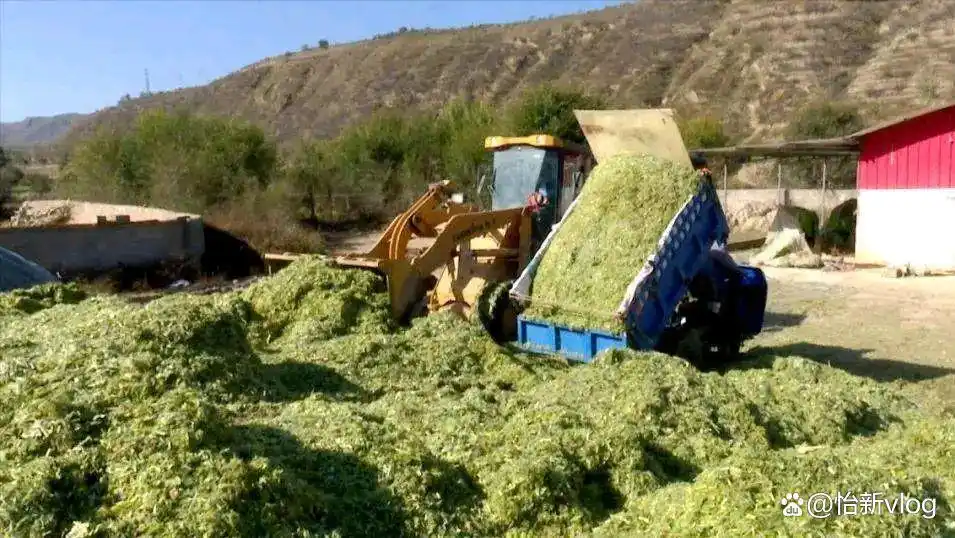
The roots of the "megagrass" are well developed, highly productive and resistant, and have high levels of sugar and coarse protein, yesHigh yieldOne of the high-quality weeds that can be grown as animal grass, feed, etc., and also as a breeding ground for fungus foods such as mushrooms, mushrooms, and chrysoa, while “megagrass” is a good grass for soil erosion protection. Since 2008, “megagrass” has also been used for energy uses such as biomass generation, fibreboards and fuel ethanol。
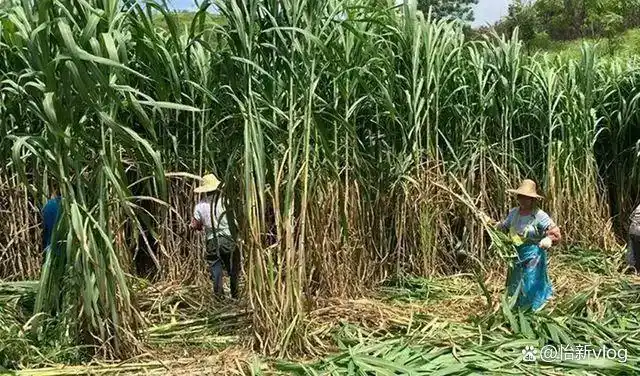
Three, is it really good
As an introduction species, and after more than 20 years of nurturing and improvement, the fukuya grass engineering association has been very successful in conducting trials of “gigagrass” in several countries in africa, as well as in 21 regions of zhejiang, hainan, ningxia and fujian。
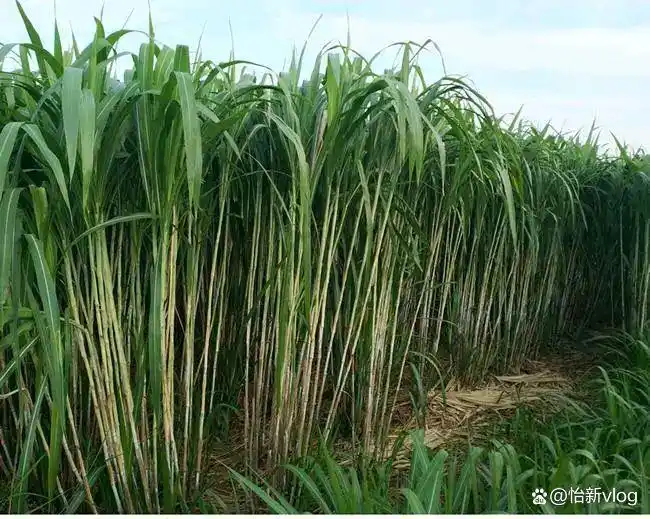
As one of the high-yielding and high-quality grasses, the planting value of the “megagrass” is still very high, after all, and its production is really very high and its economic value is self-evident. Although cultivation has begun at the local level since 2000, to date, farming in most parts of the country has not grown on a large scale, either because of a low level of awareness of and wait-and-see attitude towards this new crop, so small areas are not easy to measure its real economic value. However, according to experience shared by growers, “megagrass” is enough to supply hundreds of large-scale farms on an acre。
4. Will the cultivation of “megagrass” affect soil
This is certainly one of the reasons why most growers are slow to watch but are afraid to act blindly, and it is clear here that “megagrass” has an impact on the soil, but is not harmful, because it is imported by scientists who work hard to develop an improved cash crop for many years and who are more sensitive than we to its associated effects on the soil。
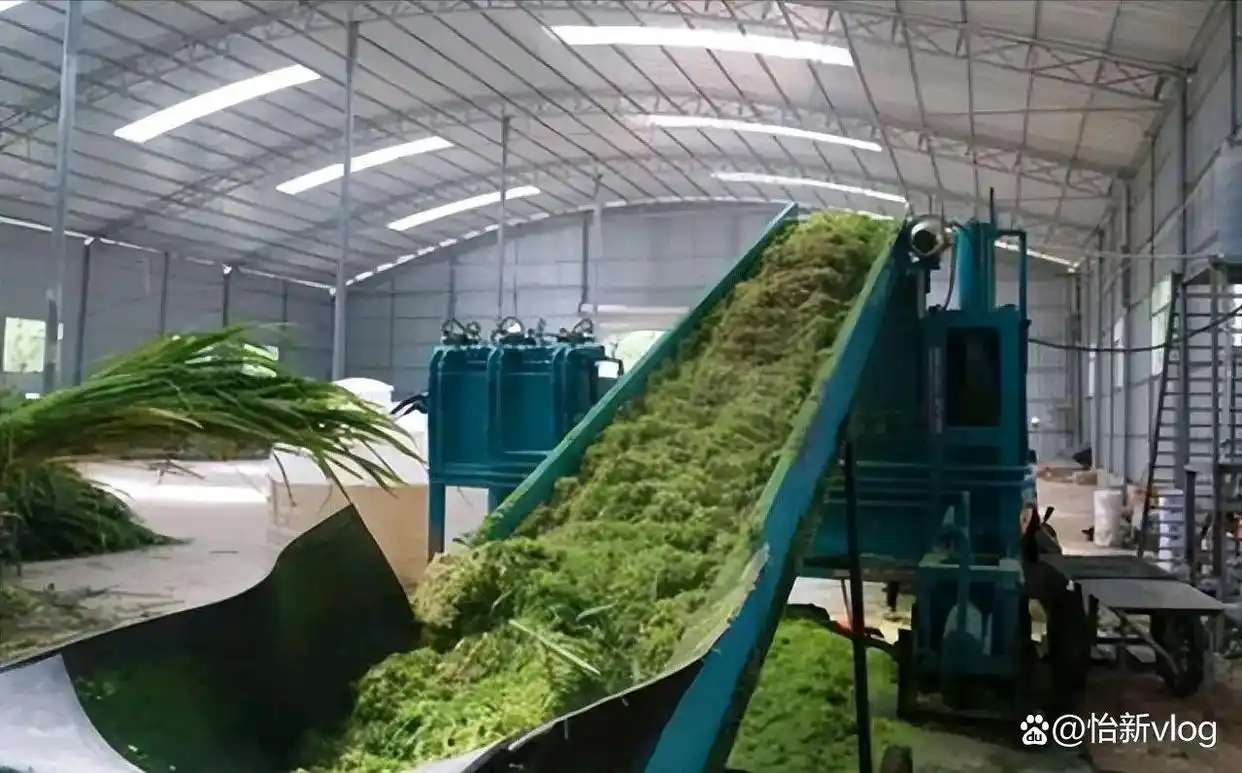
At present, “megagrass” has been successfully experimented in many areas and has been planted, thanks to the fact that it is in a manageable range of hazards to the soil, which, according to the relevant information, has been cultivated in the country for more than 20 years, has become a grass that is highly suitable for our climate and soil environment and is believed to have been suffocated in the scientific process。









