


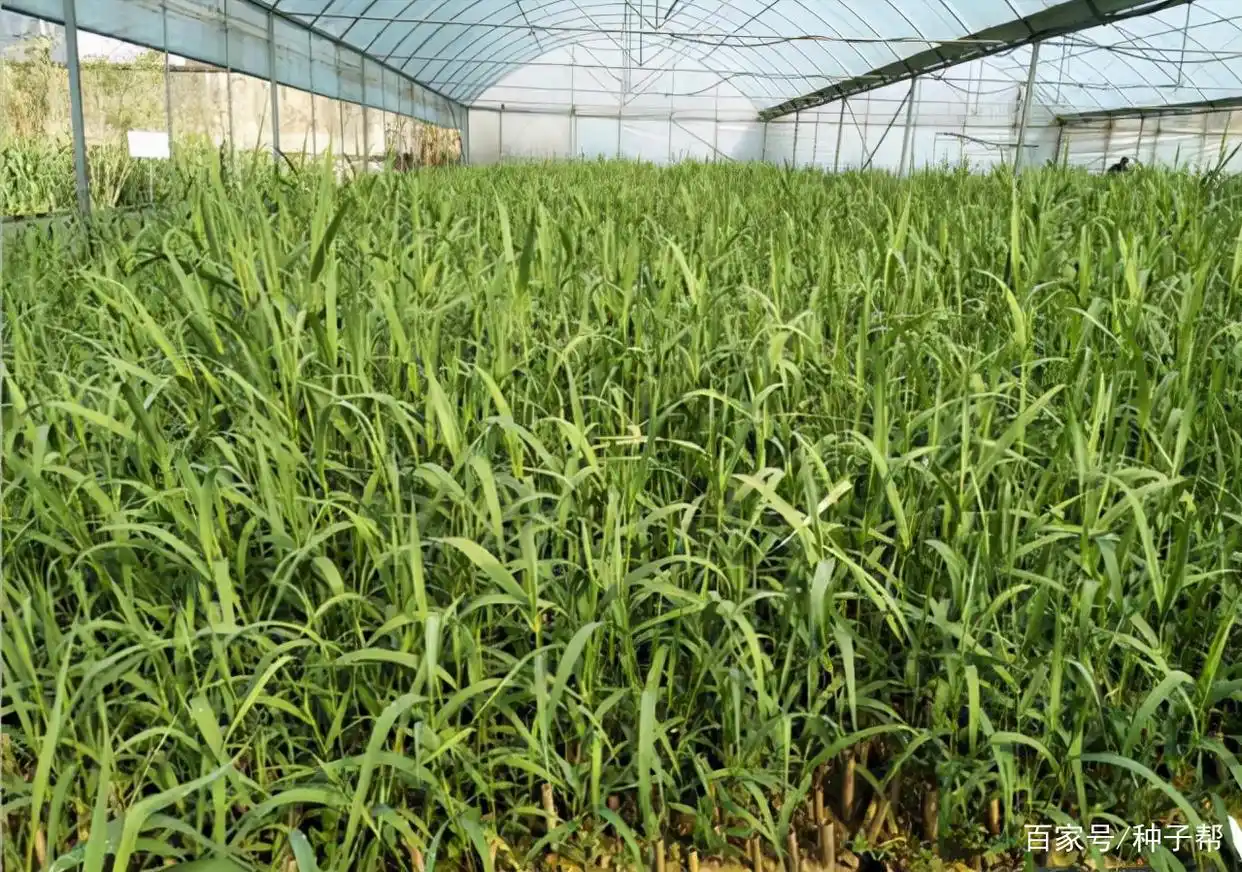
Giant grassIt's a high-yield, high-quality grass that is growing in the original tropics, and it's growing fast and highly distilled. After more than 20 years of intensive cultivation, which was introduced in 1983, the area under cultivation in most parts of the south is large, especially in guangdong, guangxi, jiangxi, guizhou, fujian, zhejiang, hunan and hainan。
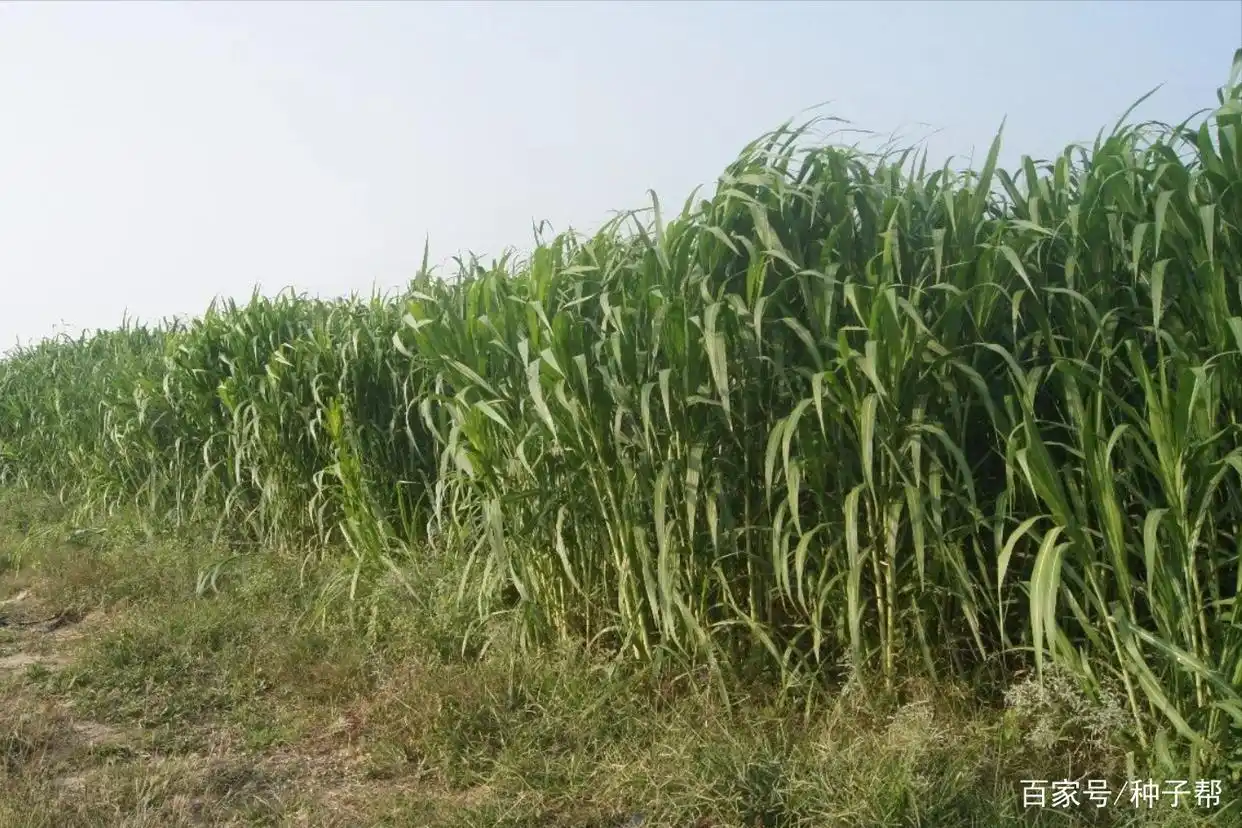
Macrograss is grown at a high capacity of 5 metres or more, up to a maximum of 7 metres, with a thick tubing of up to 3. 5 centimetres, strong reversibility, high yield, high protein and sugar content, standing, sprawling and well-established roots。
I. Growth properties of giant grasses:
1AdaptationStrong: macrograss, although widely applicable, is limited to the south, where the cultivation in the north requires shelter protection, 200-1500 metres above sea level, 800 mm annual rainfall and temperatures from 4 degrees below zero to 40 degrees above zero, and can be planted at random on protected waste slopes, mountains, fields, dams, houses behind houses and on the edges of the fields。
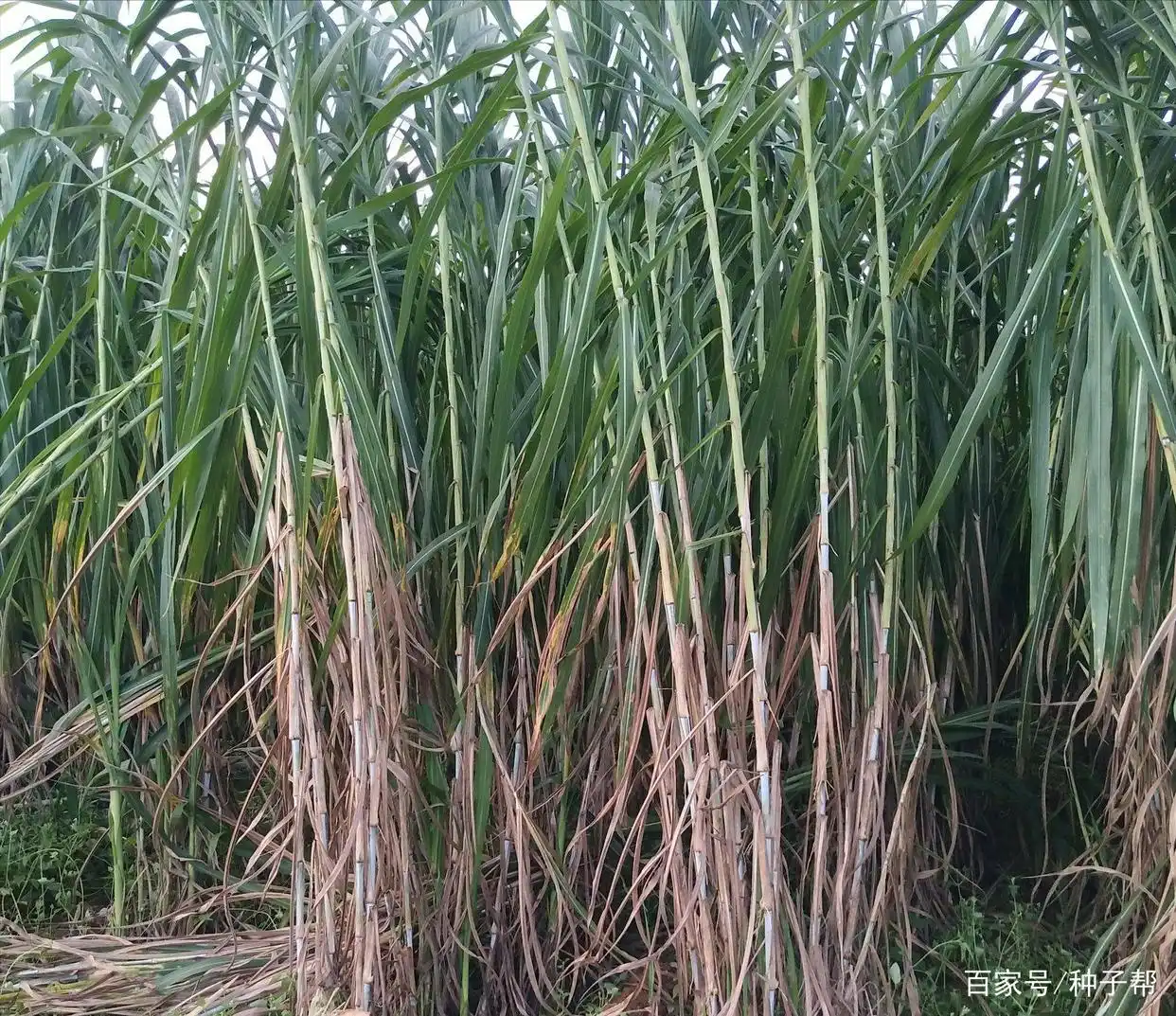
High yield: giant grass grows fast, can be harvested in the second half of the month and can last up to 3 metres in three months, but is usually harvested and fed before 2 metres. Its roots are well developed, it is highly divided, and a seedling can divide 20-50. 6-8 cuts per year and 20-22 tons of acre。
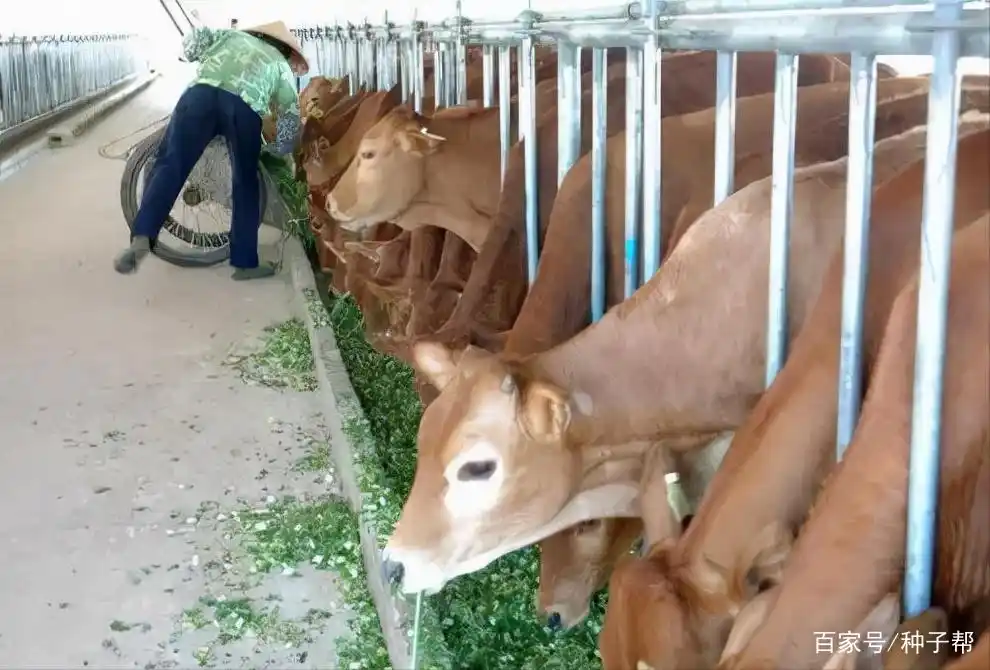
3. Nutritional enrichment: macrograss is relatively high, with a concentration of up to 12 per cent of coarse protein, 27. 3 per cent of coarse fibres and 82. 9 per cent of water. Leaf is smooth and tastes sweetFeeding, gavage, hay, cyanide storage。
Ii. Cultivation techniques for giant grasses:
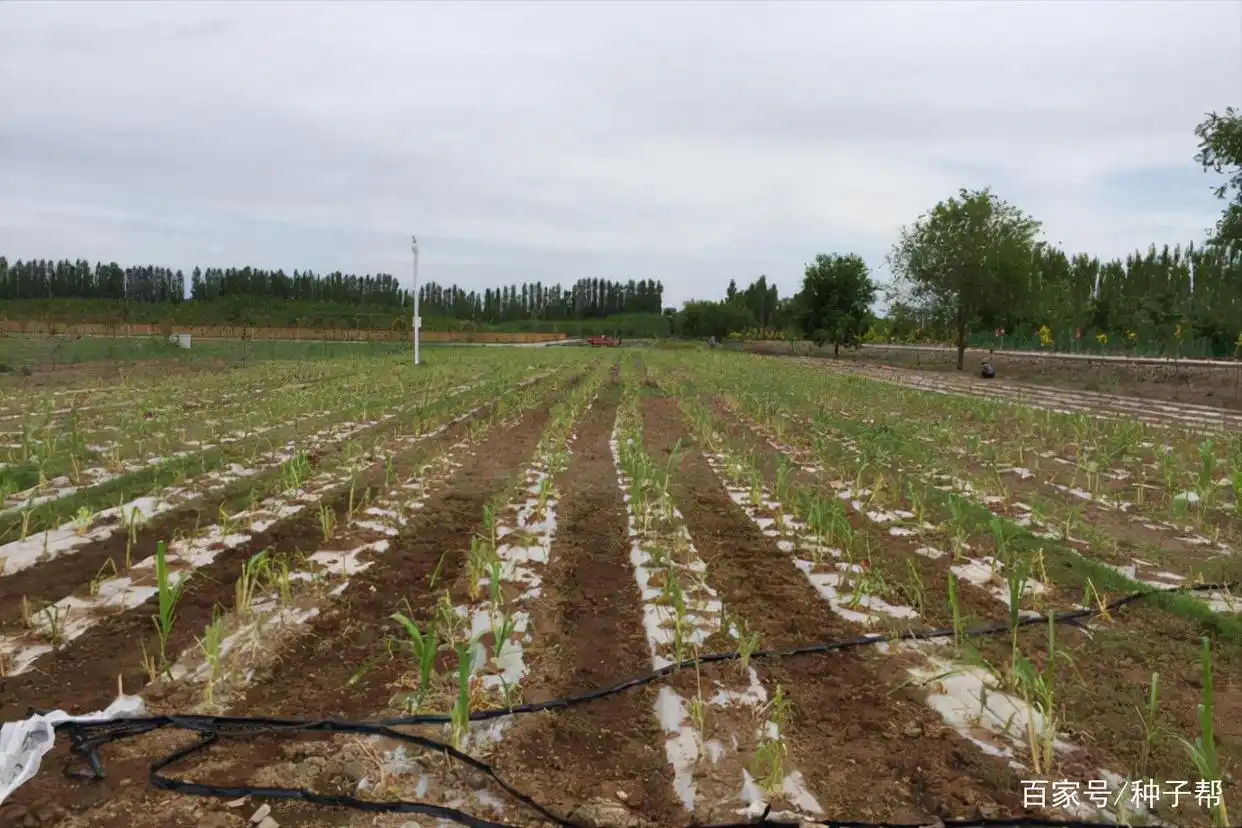
1 to the ground: it is best for giant grass to plough the land before planting, requiring the ground to be flattened, with organic fertilizer of 500 to 1,000 kg per acre, or phosphorus fertilizer of 10 to 15 kg as bottom fertilizer, and drainage ditches to maintain soil levels, with dry lands being able to pour enough water after planting, and two in the summer。
Cultivation: the south can grow in the spring, summer and autumn, and the north in the spring, summer and early autumn when temperatures exceed 12 degrees. The latter method is used to facilitate the management of seedlings when the area under cultivation is large. During the live broadcast, the sprouts of saplings were flattened upwards to the gutter at a distance of 60 to 80 centimetres, and the soil was 4 to 5 centimetres. Approximately 2,000 plants per acre are sowed with sufficient water or with a small amount of water manure。
3. Management: plantation should be followed by timely replanting of seedlings, starting with hysteria in 20-30 days, sprayed with urea of 20-30 kg per acre at 30-50 cm height. Timely removal of weeds and appropriate pine soil, timely water irrigation where conditions exist, enhanced management of fat water, and increased production by promoting the planting and growth of plants。
4 harvest: the first harvest usually begins in the 1. 5 month following seeding and can be performed every 25-30 days or so (feed for chickens, ducks, geese, rabbits, harvest every 20 days, sheep, cattle for 30 days) or 10 cm per harvest for 8-9 months depending on the animal feed demand. After each harvest, appropriate quantities of nitrogen fertilizer should be applied to facilitate rapid growth。
High-yielding plant festivals:
Over the winter: in areas where temperatures are above 4 degrees below zero, plants can be planted safely over the winter. If the temperature is less than 4 degrees below zero, the preservation of the saps must be protected by putting it in the kiln or covering it with sand and membranes at temperatures above zero degrees. The final harvest before winter should be re-fertilized once, mainly by fertilizer, with roots covered with soil or grass and membranes。
More knowledge of pasture, more attention to the seed gang, more comments on the problem, or contact us for reading support









