



Many farmers like to grow acupunctures, and they have a good taste in their mouths and markets, whether they eat them at home or sell them at fairs. But many of the acorns that are grown are either weakly grown and yellow on leaves, or have little and little fruit, which is largely the result of poor fertilization. Autumn roots are well developed, long-lived and capable of continuous results, demand for fertilizers varies widely between stages of growth, bottom fertility is not being used properly, seeding periods are not keeping pace, and output can not be reduced by half during the outcome period. Today, in big white words, the whole method of fattening the acacia from bottom to seed to outcome is clear: from the selection of fat, to the use of weight, to the use of caution, the new hands can do the same。
Let's talk about the growth habits of the autumn, understand how this fertilises to drug the disease. Autumn acupunctures are fertilized but not resistant to strong fattening, and preference is given to estranged, fertile and organic soil. The whole growth cycle is divided into four stages, pre-planting, nursery, long-term and outcome periods, each with a different focus. The focus of the previous period has been on the cultivation of seedlings, the medium term on the promotion of long leaves, the promotion of late-stage plumes, the mischoice of fats, the incorrect timing, and the excess of use, all of which will be the burning of roots, the growth of students, and the fall of flowers。
I. Autumn base fattening: laying the foundation for annual production, with the highest priority
The bottom fertilizer is a long-term “ration base” for the whole of the autumn, whether it is grown in open fields or in small areas of the vegetable garden, which must be applied to the ground and smooth, and must never be used to reduce work. Autumn plantings or live plantings are preceded by the application of pre-scaling, and this is done with less fatting, less sickness and more robust growing。
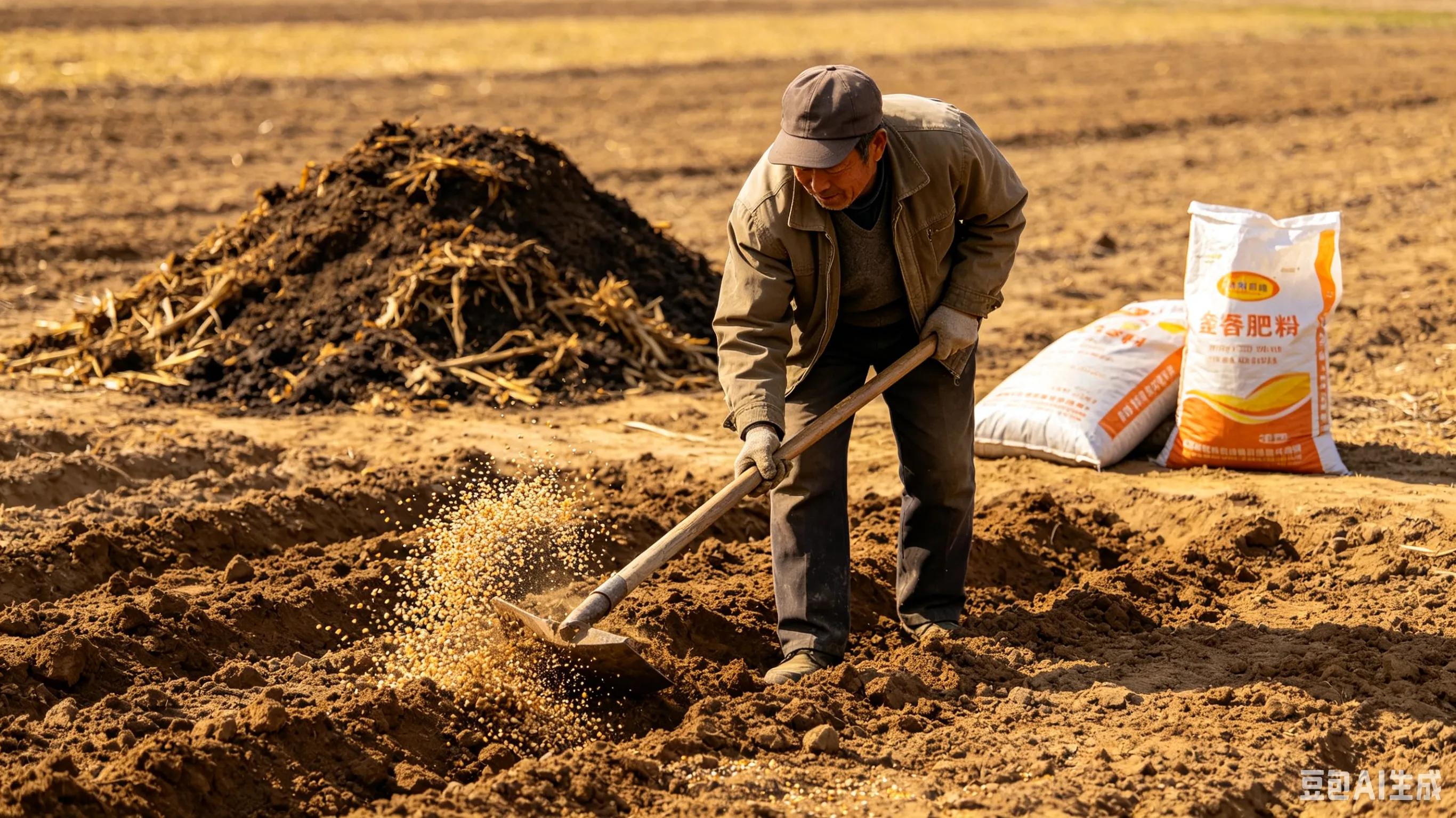
I'm the little fat guy who sells newspapers, and i'm the first one to talk about fatty, and i'm the best combination that farmers have come up with over the years. Fertilized farm fats include decomposed chicken dung, goat dung, cow dung, composting, strewn fertilizer, etc., farmers have high levels of fatty organic content, improved soil structure, improved soil gas and water, strong root systems, deep tectonic roots and strong nutrient absorption capacity. Remember: there is absolutely no need to go down. There are no rotting chicken duck dung or pig dung buried in the soil, which produces high temperatures in the soil with a second fermentation, a direct burning of the seedlings, and the carrying of insect eggs and fungi, as well as post-infestation pests and pests。
In addition, specific quantities and methods are used to grow on a large scale in daejeon and in family gardens. The field is grown in open fields, where each acre is prepared to decomposed farmers with 2500 kg to 3,500 kg of fertilizer and a combination of a three dollar compound of 30 to 40 kg of fertilizer. First, the land is cultivated at 25 to 30 centimetres, which breaks the slabs, facilitates the laying down of the autumn roots, and then spreads the fatty of the farmers evenly over the surface, then flattens the soil again, so that the manure and the soil are fully mixed, and lastly rises, ditches are prepared to sow or plant。
In the case of small-scale farming of small-scale rural vegetable gardens, no precise weighing is required, and the area is estimated. Each square metre of vegetables is covered with two baskets of corroded farm fat, and a small mix of compound fat, which can be plattered. Low-lying, water-intensive plots must be raised and planted to protect against flooding and to avoid the root causes of manure accumulation。
There is also a small technique, with less fertile plots of soil, which can be supplemented by additional calcium phosphate. Autumn results are prone to fruit malformations and cracks, and pre-accumulation of calcium fertilizer in the front period. When bottom fertilizers are applied, they are not planted immediately, and they are put on hold for three to five days, allowing for full integration of fertilizers and soil and greater safety。
Ii. Fertilisation during autumn autumn shrimp: bountiful and hard work and strong seedlings long
Autumn seedlings are produced or planted, and they enter the seeding period, which lasts about 20 to 30 days. The core objective of the seeding period is to strengthen the roots, grow the seedlings and promote the branches, so that no one-time application of strong fattening and excessive nitrogen fattening is possible. Otherwise, the seedlings will only have long leaves, weak tubers, growing up, and fall back, flowering late and few hanging fruit。
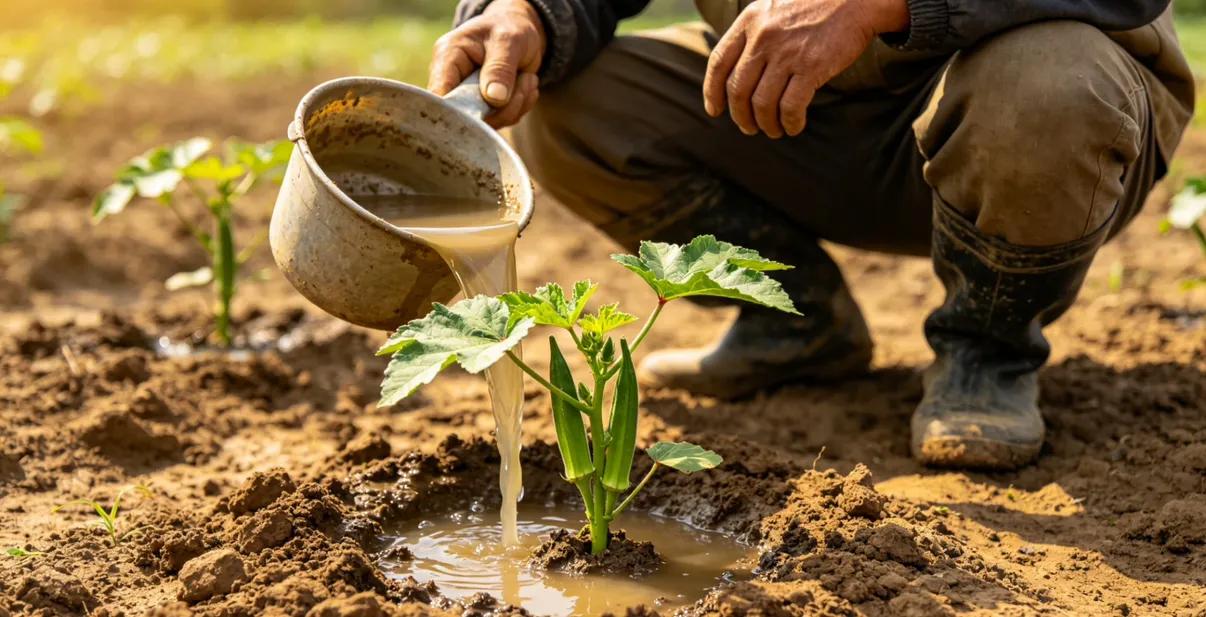
First, a distinction is made between the time of fertilization of live seedlings and the time of their transfer. Autumn cultivation is broadcast live until the seedlings grow three to four real leaves, and the seedlings grow to about 10 centimetres, so that the first seeding period can be followed by fat. The replanted autumn, which pours down its roots after planting it, and the seedlings reach seven to ten days, confirming that the seedlings are fully alive, that they grow new leaves, then they start to fatten, and the newly replanted seedlings do not fertilize in a hurry and are vulnerable to injury。
Fertilization during the period of seedlings adheres to the principle of thinness and diligence, which is dominated by high nitrogen fertilizer and is supplemented by a small amount of potassium phosphorus fertilizer. Each acre of field cultivation can be rinsed with corroded and thin dung or can be filled with high nitrogen soluble fattening. The concentration must be diluted and the ratio described is less than strong. Once every 10 to 15 days, it's enough to catch weight twice throughout the nursery period。
Many farming households save themselves from direct urea during the nursery season, which is not inoperable, but which must be controlled. Urea per acre is 5 to 8 kg and water is distributed in a timely manner, so that the fertilizer is rapidly dissolved into the soil, and urea particles cannot be left on the leaves and straws, which can burn fresh leaves。
The focus here is on two main points: first, no excess nitrogen fattening during the nursery period, too much nitrogen fattening, too many saplings that are so long, the emptiness of the trough, and a significant decline in the resistance to the wind and disease; and second, the seeding period, as far as possible, is based on the use of showering and flushing, rather than digging the pits directly at the root, the seedlings are shallow, and it is too close to the roots to burn. In the event of consecutive rainy days and high soil moisture, the pursuit of fattening is suspended, the fertilizing roots of wet soil are poorly absorbed, and root causes are easily induced。
Iii. Autumn result periods: multi-summation and high-preserve inflation production
Autumn enters the flowering outcome period, which is the most fertilizing period of the whole growth phase, and is a critical period in determining output and quality. This stage of planting, while growing new branches and leaves, continues to bloom and pick fresh fruits, consumes nutrients at a very high rate, and when it is lost, there are few flowers, low sit-in rates, small fruits and fast ageing rates. The outcome period is to be followed by two phases, primary and fertilizing, as required, and primary phosphate fattening, with appropriate nitrogen fertilizer and trace elements。
1. Precautionary periods
When the autumn plant begins to grow its first flower and sits on its first omelet, it is the first gestation period at which the first result is fat. We can't use nitrogen at this point alone. It's too much to lose. Fertilizers are selected for high potassium-type compound fertilisers, with a small amount of phosphorus。
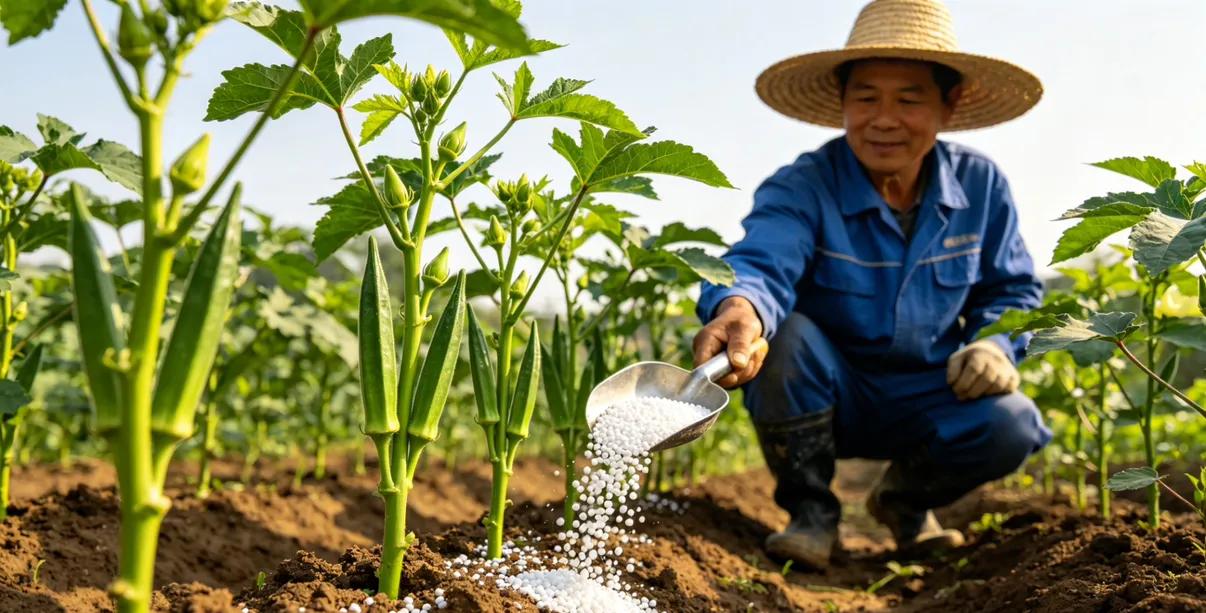
In the field, around 25 kg of potassium per acre of compound fertilizer is planted, with shallow ditches open between plant lines, and the soil covered with fertilizer, which is then watered once. Vegetable gardens are grown in small areas, with light fertilizer buried along both sides of the course, away from the roots by about 15 centimetres and avoiding exposure to the roots. The objective of this competition is to supplement nutrients, assist the normal development of the flower, increase the sit-in rate and prevent early flowering。
2. Fertilization during the fertilization period
After the first fruit, the autumn blooms in large numbers, entering the festivities and the most frequent stages of harvesting. Autumn picks with a long cycle of harvests of one berries every two to three days, and nutrients continue to lose, so the frequency of fat catch is kept up, and for each two to three autumn pick, it is followed once。
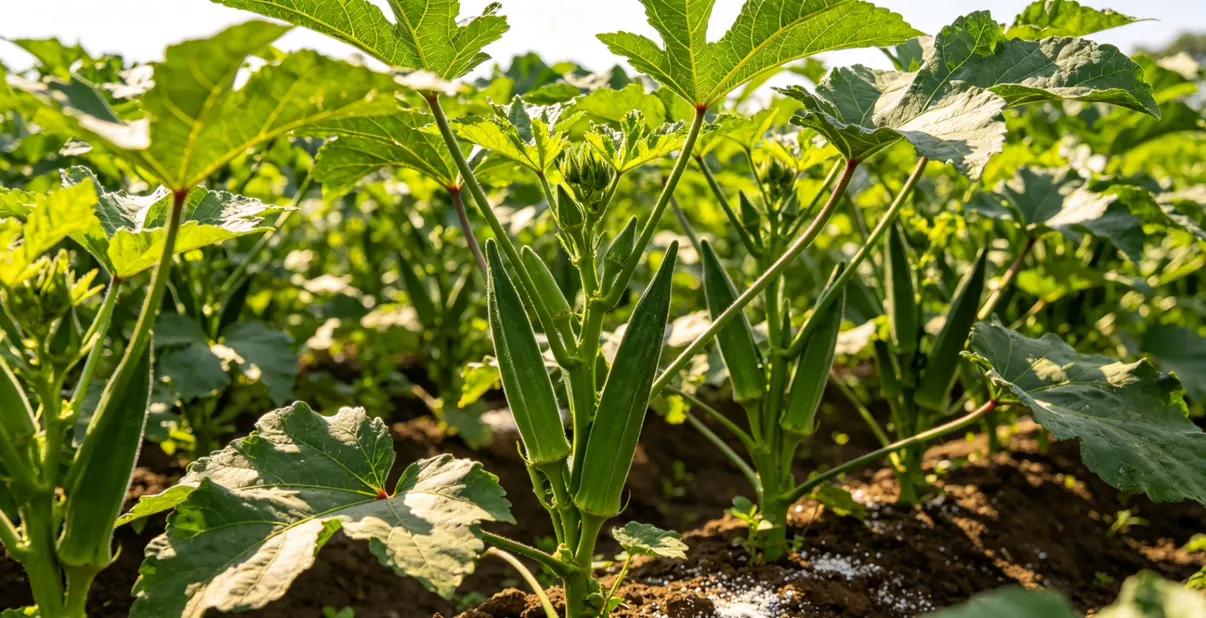
Fertilizer during the fertilisation season is dominated by potassium fattening, which allows the autumn fruit to grow thick and thick, slows the aging of the fruit, and increases taste and commerciality. In addition to root fatting, it can be combined with leaf-side fatty, with better productivity。
Root fertilization: 20 kg per acre of high potassium water soluble or potassium sulphate-type compound fertilisation and faster absorption by flushing and showering. Infertile plots of soil can replace small amounts of decomposed manure, taking into account organic matter。
Leaf supplementation: chooses to spray in the middle of the sun, dihydrogen phosphate to dilute the water, evenly sprayed on the opposite side of the leaf and every 7 to 10 days. The high absorption rate of leaf fertilizers can quickly supplement the potassium phosphorus nutrients and can also enhance the luminous co-operation of leaves and reduce yellow leaf and premature decay. If the plant is found to have few flowers, a little bit of boron fat can be added to the leaf fertilizer, and the boron elements can contribute to thawing and further increase sitting rates。
There is also an important detail in the fertilisation period: high-temperature weather must avoid midday, high soil temperature, easy to burn roots with fertilization, and choice of morning or evening operations. It also ensures water supply, fattening and, in the event of a shortage of water, the absorption of fertilizers by the root system, can lead to the deformation and poor taste of the fruit。
Iv. Summary of the autumn fertilizers ' common pit avoidance, years of experience sharing for old farmers
In combination with the application of bottom, seed and outcome periods, it is important to keep in mind the number of common error areas。
First, there is no use of raw manure, undecomposed organic fertilizer for the entire journey, which is the most basic line for breeding, not only for the autumn but for all vegetables。
Second, control of the concentration of fertilizers, the autumn is a shallow root vegetable, the root is generally resistant to fertility, and the strong and fertile are the main causes of rotting roots and dead seedlings, bearing in mind the weight and effort。
Thirdly, there is a hierarchy of fertilizers, which, at any stage, need not be attached to the roots and are best placed 10 to 15 centimetres away from the plant。
Fourth, water fertilization is synchronized, fertilization is applied in a timely manner, drought occurs first and then fertilizes, and rainy days stop the soil from catching up。
Fifth, the late application of nitrogen fertilizers has resulted in excessive nitrogen fattening, long leaves, shielding the light, increased flowering fruit and a significant decline in production。
Under this method of fertilisation, the autumn is managed with a strong, estranged, flower-crystal, and the fruit is equally small and young and the pick-up period can be effectively extended. Whether it is home-grown sporadically or on a large scale, the programme is practical and simple。
This paper, which is intended for the public information and documentation of the three agricultural policies, farming technologies and the general public, does not constitute a guide to entrepreneurship and a commitment to profit。









