


Carrot sprouts are less demanding for varieties, and most varieties of radish can be used to produce sprouts, provided that they are of high purity, are full of seed, have a growth rate of more than 95 per cent, have no soil or fungi, have low prices, have sufficient supplies and are more economical. Local sources are generally selected, with large radish varieties weighing 9-15 grams in thousands. In the south, where summer temperatures are high, radish sprouts can be produced with higher-temperature-resistant varieties。
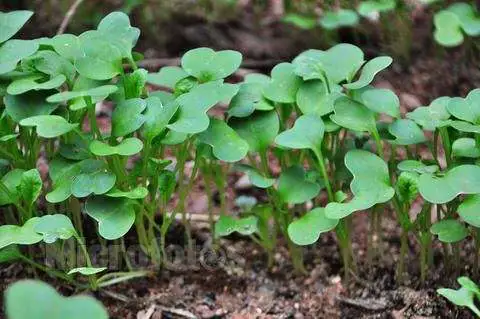
Plantation techniques:
In general, sprouts can be grown on a bowl and on a floor。
Seed treatment
New seeds of the year with fresh skin, radiant, large grains and radiant radiance. After sunbathing, the radish seed extracts smudges, tatters and dusts, impurities from the surface of the water and removes the seeds of worms, decay and decay. Then, 8-12 hours with water. When impregnated, the seed is removed from the sluice on the skin, washed with fresh water, fully inhaled and swollen and dried for broadcast. Seeds can also be sterilized by leaching for one minute using 0. 3% bleach solution。
2. Sowing seedlings
Sterilized seedlings are wet, a layer of impregnated and impregnated swirl is laid, a layer of processed carrots is soaked, with 50 to 75 grams per plate (dry seeds). Every six disks are placed in 1 yards, with a wet sack on the top of the top, with a temperature of 18 to 22°c sprouts for two to three days, and a plate down every six to eight hours. The radish sprouts are shallow, drought-resistant and flood-resistant, and when sprayed, spray water with a sprayer and no impulse seed. In general, one day after white, two or three days after seedlings come out。
3. Sapbed management
When radish sprouts are expected to be higher than the seedlings, they can be set up, with temperatures of 18-25°c and relative humidity of the air below 70%, enhancing ventilation. Water is sprayed with aerosols one to two times a day and the light is gradually increased, usually with a light strength of 3,000 to 4,000 leks. Five to six days later, the sprouts are 10 cm or more, the leaves are flat, and the real leaves appear, so they can be harvested。
4. Production cycle
In summer, it usually takes 5 to 7 days from seeding to harvest and about 10 days in winter. In general, 5-8 kg of radish sprouts per kilogram of seed are produced, resulting in a output ratio of 1 % by weight (5-8%)。
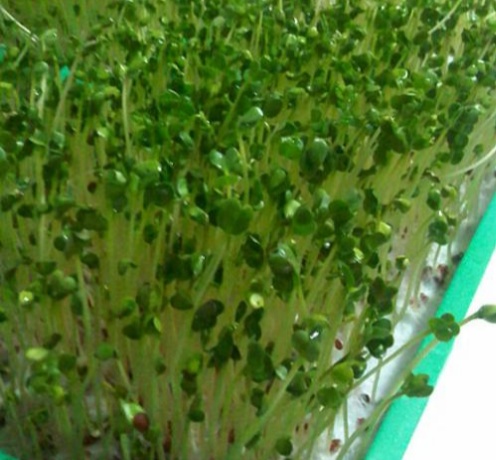
Ii. Selected production 1 , flat zen for seedbeds
Carrot seedlings are best produced in sapphire. The production of the ibei shall be made of a 1-metre wide, open-ended seedbed with bricks and a 10-cm thick, clean sand shall be laid inside the seedbed and shall be soaked with hot water. It normally sows about 200 grams per square metre, sowings two centimetres thick sand, and re-repeated membranes for temperature-preventing humid sprouts。
Bleed management
The seeding began in the arches for about four days, at which time the plastic sheeting was removed and the caps dispersed during the spray to help the seedlings to excrete. In order for the bud to grow evenly and rapidly, a conditional spray of water at the same temperature as room temperature. You can't spray too much water in case it sprouts. When a seedling is released, light is visible, and the seedling is harvested over a period of 2 to 3 days up to about 10 cm。
It should be followed by timely water and soil moist. Soils cannot be overdry or overwet and can be kept dry and wet. Wet over the easily induced sudden onset of disease, wet over the easily ageing of young children and lower quality. Maintaining temperatures of 15-20°c during gestation periods, with appropriate heating at low temperatures and increased ventilation at high temperatures, aerial sprays and shades of sunnets. During the high-temperature and high-light season in the summer and autumn of june and september, shades should be provided using sunnets, generally in the form of active outdoor shade cover, in order to rationalize the light in light of weather changes. It is generally followed by no fertilisation and the use of pesticides, fertilizers and external hormones in the growth of seedlings is strictly prohibited, mainly by the nutrients of the seeds themselves and by the water intake of the roots. The radish bud shall be lumbered to a height of 5 cm. When the light is strong, the radish leaves are dark green; when the light is weak, the radish leaves are green。
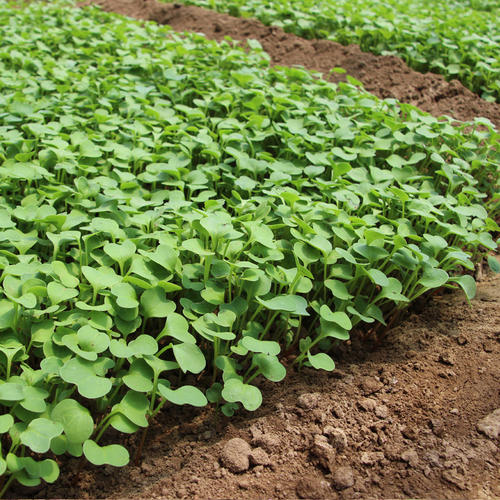
[conclusion]Pest controlHowever, cabbage production cycles are short, environmental conditions are more susceptible to manual regulation and pests are fewer. The general focus is on pest control during pre-plant seed storage, with attention to the isolation of production sites from the outside environment and the prevention of hazardous insect infestation or transmission of pathogens。
Then, during the high-temperature season, seedlings are sterilized and 0. 1 per cent of potassium permanganate solutions are impregnated for more than one hour. High summer temperatures in the south and the tanning of production tools are also good sterilization methods。









