


Many of the people who grew up in rural areas had a special memory, and the old people in the village knew that the plant contained natural irritating substances from root to leaf, and that it would be physically uncomfortable to eat and just fire. In the past, however, it was an important raw material for household pickles, and every spring and summer villagers devote time to collecting fresh seedlings. After a fixed process to remove the harmful elements, they were placed in a plaque, which was kept for the first half of the year, accompanied by culinary and coarse meals。
Returning to the countryside in recent years, it has become apparent that very few of the wild vegetables that were once visible have been picked, that the scenes of growing fields and wastelands have completely disappeared, that the younger generation has largely failed to recognize them, and that many farmers have seen them and have left their dining tables. It is also home-grown and home-grown gravy, which used to be used to treat pickled foods, but is now unsuspecting, not just about raising health awareness. This paper, which combines plant-related professional information and changes in rural life over the decades, objectively disintegrates all of the reasons for this, while at the same time collating proven methods of identification and treatment, objectively sees the real meaning of this aberration。
I. Recognition of this pickle raw material: a whole set of two types of irritation that cannot be eaten without treatment
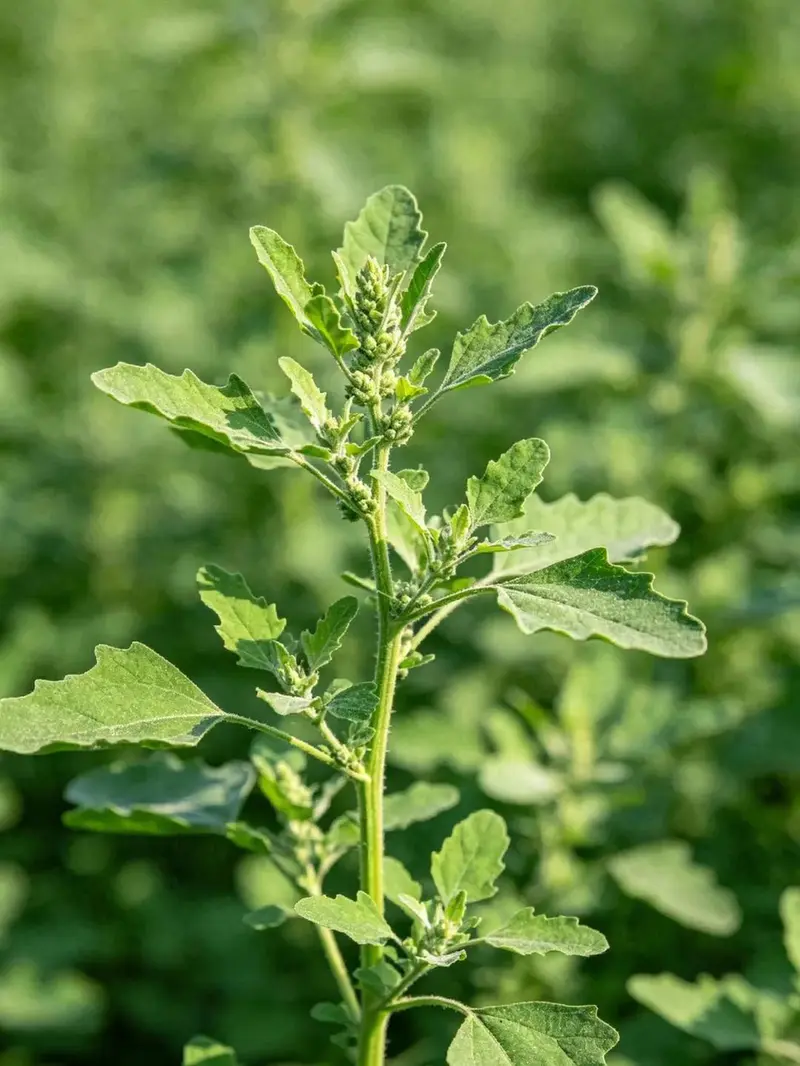
What do you mean, wild dishGrey gravyIt is known that quinoa, the country's rural fields, river beaches and idle areas have grown naturally on a wide scale, divided into two common varieties: quinoa, and quinoa, with high visibility。
The pebbles tend to be purple and the blade surface is covered with a white powdered substance, which makes it glitter; when the plant matures, it can reach a height of half a metre to one metre, with a wide variety of branches, leaves in the osmosis, small, thin, green flowers in the summer and autumn, small, small, small seeds that fall behind, and grow on their own the following year。
It is clear from the general data on agrovegetation that the whole grey graze consists of two types of irritating substances that do not have any completely harmless aspects:
The first is furan fragrance, which is a photo-sensitive substance. Without full impregnation and direct consumption of oscillating water, the human body's absorption of this substance makes it highly likely that skin exposure to sunlight will lead to solar dermatitis, in the form of skin itching, red red, water bubbles when severe, and a stronger reaction to skin sensitive populations
The second is quinoline and high levels of herbal acid. Quinoline directly irritates gastrointestinal mucous membranes, and an empty abdominal food can cause discomfort, abdominal swelling, diarrhoea, etc.; chronic ingestion of a large quantity of herbic acid can hinder human absorption of calcium and increase the probability of disease in the urinary system。
It corrects a widespread misconception that the mere use of salt salting alone does not completely decipher the irritation in the plant. Pickled fermentation only weakens some of the irritating bioalkalis, and the key step to truly remove most of the hazardous substances is the high-temperature luminium following extraction. Water is impregnated over a long period of time, skipping the pre-detoxification process, even if it is sealed for six months, and remains at risk of consumption。
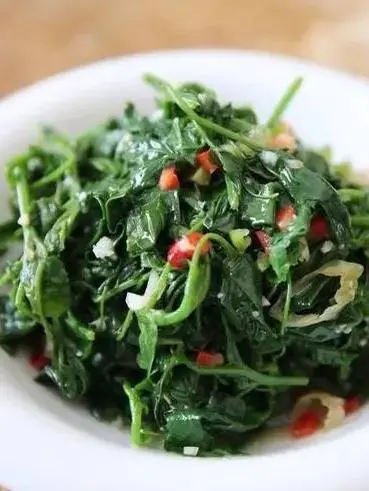
In the past, farmers were willing to pick up their pickles, which was entirely an option under specific times. Vegetables were not widely available decades ago, and in autumn and winter, only two types of rural vegetable gardens, such as radish and cabbage, had been stored for long periods of time, easily empty and decomposed. Creams do not grow artificially, grow in the field, collect zero costs, have a softer mouth after they have been finished, carry fresh herbal aroma, and just to fill the gap in the shortage of vegetables during the winter period, creating a pickle that is passed on from generation to generation。
Ii. In the past, the country was eager to pick up grey pickles for three practical reasons that fit the current state of life
1. Sufficient production at no cost to alleviate the annual vegetable supply gap
In the past, there were no well-developed channels for the circulation of vegetables in rural areas, there was a single market for vegetables and prices were not low for ordinary farmers. Grey-grays are resilient, with maize fields, edges of the vegetables, open areas by the river, unoccupied land behind houses, and spring and summer harvests in lots, with new branches growing around a week after the harvest, with long harvest cycles and sufficient production。
In the early summers, farmers take baskets and bags to harvest, harvest a dozen pounds of fresh seedlings at a time, and when the whole set of detoxification pickles is completed, the pickled pickles can be stored for six months, from summer to spring the following year, significantly reducing the cost of purchasing vegetables. In times of limited income and shortage of materials, this type of vegetable without input costs is the best option for families to supplement their meals。
2. Ablution of the taste after salting and abating the food structure of farmers when they fit in with old
When fresh gray vegetables are immersed in a blistering water, they do not themselves taste bitter and bitter. Through salt, pepper and a small amount of precipitating pepper, the coarse fibres are fully softened and tasted with a soft mouth。
In the former countryside, the daily diet was less expensive and less meat, and the three meals were dominated by gruels, corn flour and sweet potatoes. The gravy tastes light, and old people and children can accept it, so that a single plate of pickles can be matched with a proper meal, perfect for a simple diet at the time, and in the long term, it becomes a regular rural meal。
3. Standardized de-sterile intergenerational transmission, significantly reducing food risk
There was no systematic health science in the rural areas, but the older generation, through many years of practice, drew up a complete, replicable set of grey gravy removal stimulant processes, which families give to the next generation, with few cases of physical discomfort, in four steps:
First, strict screening of the plant, with only fresh seedlings of 10 to 15 centimetres high, abandoning the long and large old strains, with a larger volume of stimulant matter, thick fibres and a very poor taste
(b) second, repeated foliage of clean water, which completely washes the surface white powder, which is mainly attached to light-sensitive substances, leaving an allergy risk
(c) thirdly, boiled water in sufficient quantities, with grey cabbage in excess of three minutes, with a small amount of salt in the water, where harmful substances are dissected and the waste water that is finished is dropped directly and cannot be used twice
Fourth, a four- to six-hour immersion in liquid clean water, two to three shifts of water, full analysis of herbic acid and quinoline, complete leaching, salting and fermentation, and then food after a month of sealing。
The whole operation requires water, salt, two basic materials, low-threshold, easy to operate, and a strict step-by-step approach can bring in the irritationHealth risksThis is also the central reason for the long-term use of pickled pickles in the village after they were dealt with by the villagers。
Iii. The gray pickles are now completely out of the country table. Five core objective factors
1. Four seasons of fresh vegetables are abundant and no need to rely on wild and wild vegetables to fill vacancies
Modern farming techniques are widely available, and anti-season shed vegetables are available throughout the year in the village market, village convenience stores, and vegetables such as green vegetables, barley, pickles, radish, and squealed vegetables are available for sale to families at any time。
Farmers are also assigned plots of their own gardens to produce pickled vegetables, which are natural and non-stimulant foods, such as rinsing, cuisine and radish, which can be picked directly after simple washing, free of water, long periods of immersion in complex processes, and save time. The advantages of artificially growing pickled foods are evident in comparison with the heavy processing process and the self-stimulant ash, which naturally gradually replaces wild ash。
2. Health for all is well-established and the population actively circumvents wild foods with stimuli
In recent years, village health centres, village council information boards, grass-roots broadcasts and short video platforms have continued to spread information on the safety of wild and wild foods, with common knowledge of light-sensitized substances, inappropriate handling of intestine disorders, skin allergy, etc., and have covered all rural areas。
There is now a fundamental shift in the population's food perception, and the need for diarrhea is no longer the only one, and food safety and nutritional health are paramount considerations. Even though a large number of older farmers have traditional handling techniques, they are reluctant to take the risk of eating wild vegetables with their own natural stimuli. Families with children, the elderly, skin-sensitive, gastrointestinally weak, and a history of quartz disease give up the pick-up of greyseeds and avoid all kinds of physical discomfort from the source。
3. Agricultural land size management, with continued compression of grey-creed living space
In the past, weeding of agricultural land was done manually by hoisting, and farmers will deliberately keep grey bellows on the edges of the field to facilitate subsequent harvesting; today, rural land is being transferred to large-scale growers, herbicides are being used in a general manner for scale farming, spraying all fields before and after sowing, and all wild weeds in the fields and on the ground contain grey bellows。
At the same time, there has been a steady improvement in the management of the rural habitat, as the ditches and wastelands have been ploughed up in an integrated manner, the idle areas have been converted to crops and fruit trees, and the wild growth environment suitable for the breeding of grey-gray vegetables has been shrinking. In the field, only a small number of plants have been seen, and the harvest of pickled pickers has not been achieved in bulk。
4. Life passover faults where young people are not familiar with the whole process
In the past, picking, washing, watering, bathing and pickling of grey veggies are essential life skills for rural households, and elders will teach their children by hand; large numbers of young people in rural areas are now working long periods of time, living in cities with little access to field wild plants, and it is difficult to distinguish between grey veggies and toxic wild vegetables of similar appearances, much less to know the full stimuli of the operation。
The majority of those left behind are the middle-aged and old-age population, with limited physical capacity, large-scale harvesting, long-term water bathing, time and physical effort, artificial cultivation of pickled vegetables and vegetables, and simple processing, with older and middle-aged farmers more willing to choose less expensive and safe food. Traditional wild pickles have been lost for a long time, owing to a lack of support from young groups。
5. The production of prefabricated pickles is abundant and the demand for homemade pickles has declined significantly
Packs of pickles, pickles and pickles are sold in large and village shops, and bags are ready to eat, and the process of picking, cleaning, processing and fermenting is saved. Prices are low, sour sweet, salty and spicy can be freely chosen。
Before the shortage of fresh vegetables, families had to store their own pickles in large quantities; families that were ready to buy fresh vegetables and finished pickles, which had taken several days to make pickles, had fewer families, and the overall demand for homemade pickles had declined, and even if there was a small amount of grey vegetables in the fields, no one would be spending any effort to collect and process them。
Objective science: safe food for reference only and discourage self-absorption
The grey gravy is not absolutely unattainable, and the strict application of the whole set of incentives can be used in small quantities. The following is a standardized set of ethics norms, which are used only as a popular knowledge science subject and are not recommended for self-mining by ordinary people:
1. Pick-up screening: only early spring fresh seedlings are selected, at a height of up to 15 cm, and leaves are not abated; land on either side of the road that has been sprayed with herbicides is avoided and priority is given to uncontaminated mountainous areas
2. Depth cleaning: a small amount of flour is added to the water, the leaves are repeated, the surface cream is washed and the water is washed twice
3. Sufficient water: when fully boiled, the water is put into grey cabbage, which continues to boil for three minutes, and the waste water from the platinum is completely discarded and cannot be used for cooking or soaking
4. Long-term impregnation: immersion in clean cold water for more than six hours, during which three sessions of clean water will be replaced, with maximum distillation of heraic acid and bioalkali
5. Sealed pickled: full-dry water, with a sufficient amount of salt edible, filled with an oil-free and water-free sealed pottery and fermented for 30 days
6. Food taboos: avoiding prolonged suntans for short periods of time after consumption; people with skin allergies, gastrointestinal diseases, kidney stones, as much as possible, and not enough single consumption。
Additional identification cautions: in the wild, there are a variety of toxic wild vegetables that are highly similar in shape to grey cabbage, which are not well identified and are not picked at will; roadside and farm farms are bound by tail gas, pesticide residues, superimposed natural irritation, double safety hazards, and are determined not to eat。
V. Rationalizing the disappearance of wild vegetables: progress in life, not traditionDietary cultureLoss
A lotRural lifeThose who go through this experience find it very difficult to taste it and feel that traditional eating skills are being lost. From an objective point of view, the withdrawal of grey cream from the farm table is the normal change brought about by the times and the rise in living conditions。
The choice of grey cabbage for pickles some decades ago was essentially an act of lack of supplies; today there is an adequate supply of non-toxic, easy-to-manufactured vegetables and wild foods that the public has taken the initiative to circumvent their own stimuli, which is a visual expression of an increased awareness of food safety for all。
With respect to the traditional carnivage diet culture, we can objectively understand the context behind it, but there is no need to take the risk of picking up the stimuli of wild vegetables in the past. Specially grown pickled vegetables, such as ricin and radish, have a higher safety factor, a simpler processing process, and are more compatible with the current needs of a healthy diet. In addition to this, the uncontrollable environment in which wild vegetables grow, the ease of adsorbing heavy metals and pesticide residues, and the reduction of wild vegetable consumption are reasonable options for reducing food safety risks。
Topics for interactive discussion
1. Have you ever had the habit of making pickles with gray gravy in your hometown? How's your taste
2. In addition to grey cream, do you know which rural mustards, with trace irritation, can be eaten after treatment
3. In your view, are there very few people in the countryside who pick wild and wild vegetables, mainly vegetables, or do people value food health more
4. Do you still pick up pickles at home
Disclaimer
The content of this paper is only an objective description of the folklore of rural life and the general pharmacology of plants, and does not constitute a recommendation for dietary and food guidance. Wild grays contain natural bioalkaline, light-sensitive irritant substances, which are highly susceptible to skin allergy, gastrointestinal discomfort, with clear health risks and do not recommend individuals to pick, process and eat wild and wild vegetables on their own. Field plantations may contain pesticides, heavy metals, car tail gas residues, multiple co-exposures, safety risks, and be free to eat. The traditional processing processes recorded in the text are kept only as old rural folklore material and are not recommended for replication. The full text is based on the publication of agricultural plant literature, the documentation of field visits to villages, and does not promote any therapeutic or medicinal use, and, in the case of food products, food-related questions, advice to professional nutritionists or grass-roots agricultural technicians。









