


At the beginning of the summer, various types of guacamole and vegetables have been added to the market, while over 10,000 acres are located in the north-west mountains of sugi countyHigh mountain vegetablesBase, it's just beginning to grow。
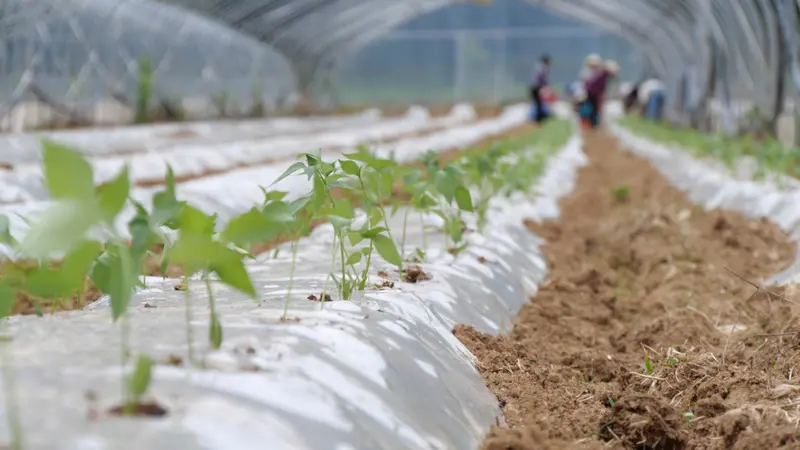
Onions of green trees surrounded song's village in panhashi town. Despite the sun, the temperature is only 20 degrees. As the altitude is close to 1,000 metres, the maximum summer temperature is around 20 degrees per year. Specializing in culinary farming in nandu countyCooperativesOne of the vegetable bases is located here, where cooperatives are sometimes delayed and marketed at fault, depending on the circumstances。
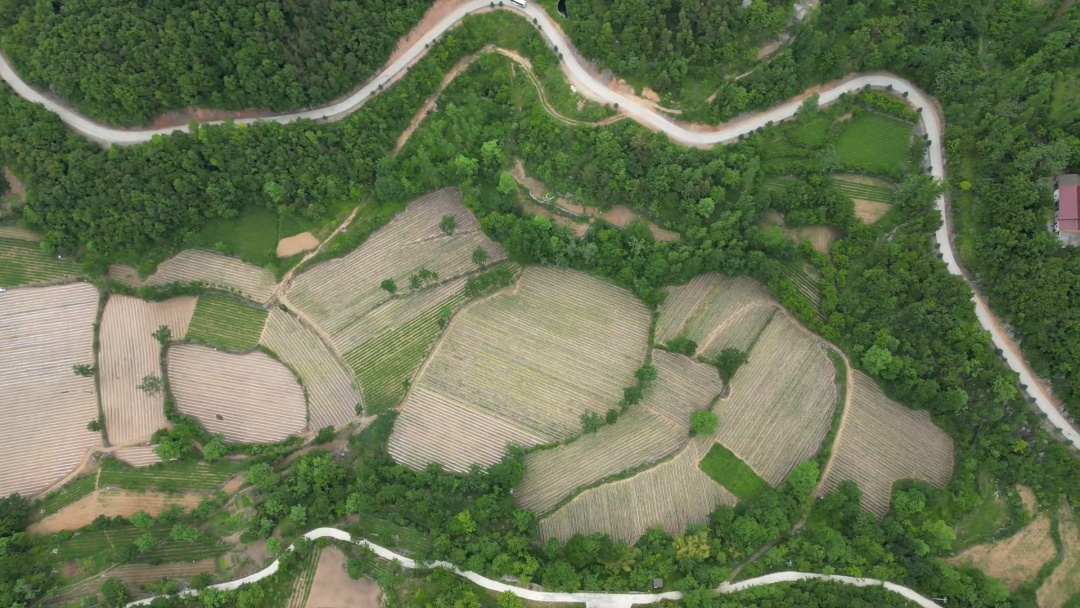
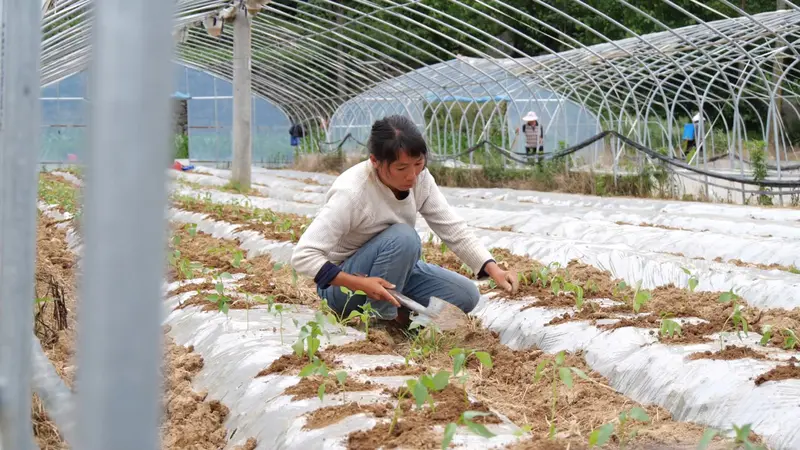
More than a dozen villagers are replanting paprika seedlings in a large field between the valleys, the first to be planted by the cooperative this year。
“we try hundreds of varieties every year. The purpose of the experiment is to find varieties suitable for the local climate that are marketable.”
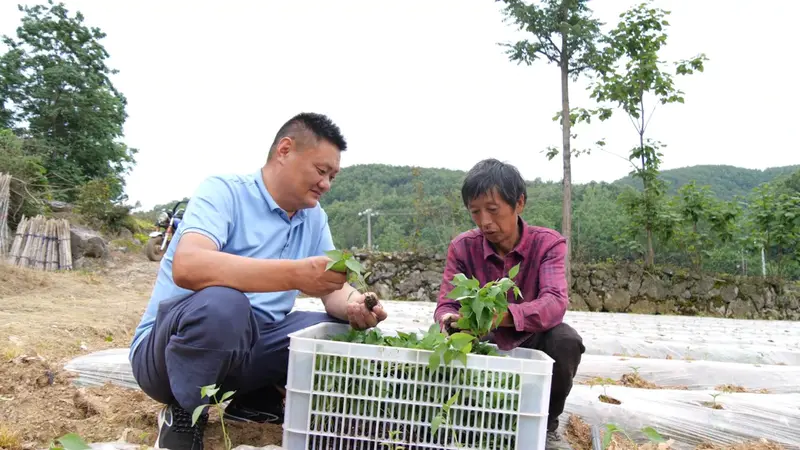
The wang is a native-born panhashi who has been working abroad in previous years. In 2014, he saw his home country's natural environment and unique climate resources and returned home to start growing high mountain vegetables. In the early stages of his entrepreneurship, he was able to transfer only 120 acres of land to plant tomatoes, and after three years of development and effort, in 2017 he set up a professional cooperative to grow, building a planting base in 10 villages in panhashi town and the town of patrol, mainly for the cultivation of varieties such as peppers, quackey beans, cucumbers and eggplants。
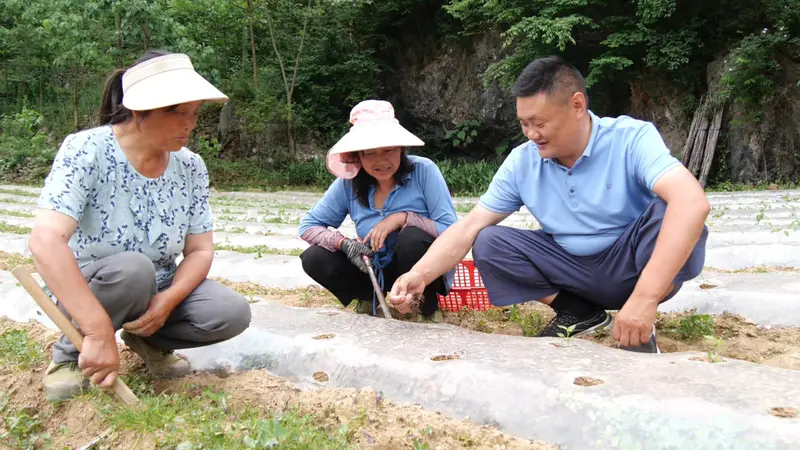
According to wang fong, president of the specialized cooperative for farming heart growing in nanjian county: “we grow every other week, starting on april 5, until august 15th. If they all occur at the same time, there may be a problem of de-marketing; we grow in batches, which can be supplied for five consecutive months, and the market risk is significantly reduced.”
Split cultivation has significantly extended the marketing cycle and fresh vegetables can be supplied continuously until november. However, young people are in the foreign service, and there are many in the village left behind. Lack of labour force is a constraint on the development of cooperatives, and population dispersion is a direct cause of labour hardship。
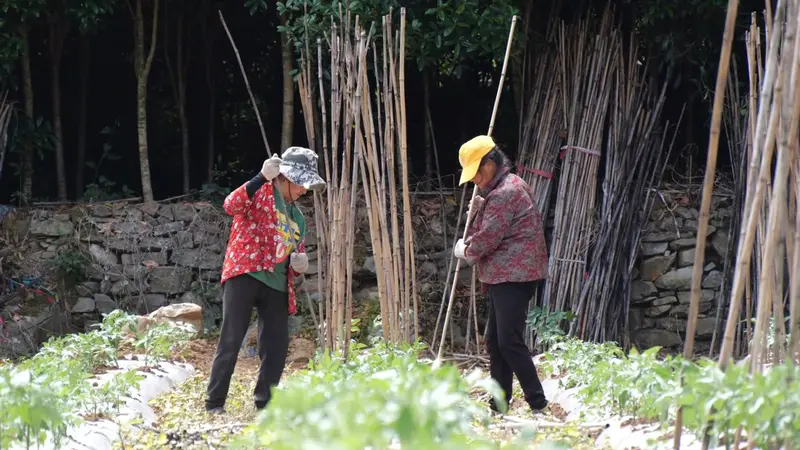
According to wang fong, the chairman of the professional cooperative for farming heart and heart growing in nanjian county, “sometimes it is necessary to transport workers 10 kilometres away. Safety is a great danger, so we then adopted decentralized cultivation. We go to a village where we grow as many people as we can, depending on the local labour force, and then we ask the competent local people to help manage it, and our cooperative sends technicians.”
Decentralization brings the base closer to the population, plans the area of cultivation according to the labour force, and rationalizes the scale of cultivation, resolving both the problem of working and the employment of villagers at the door of the home。
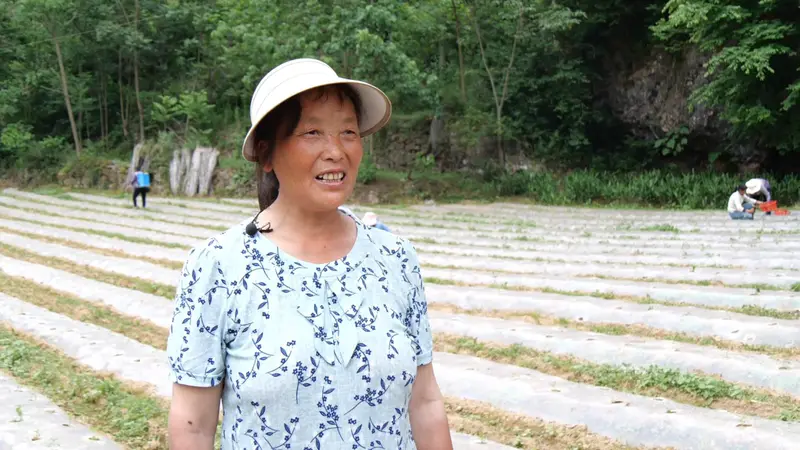
“i grow, weed, membranes, harvests here, and make 70 bucks a day and more than 10,000 dollars a year. I'm very pleased with this job.” liu xiaoai, a villager in song's home village, panhashi town。
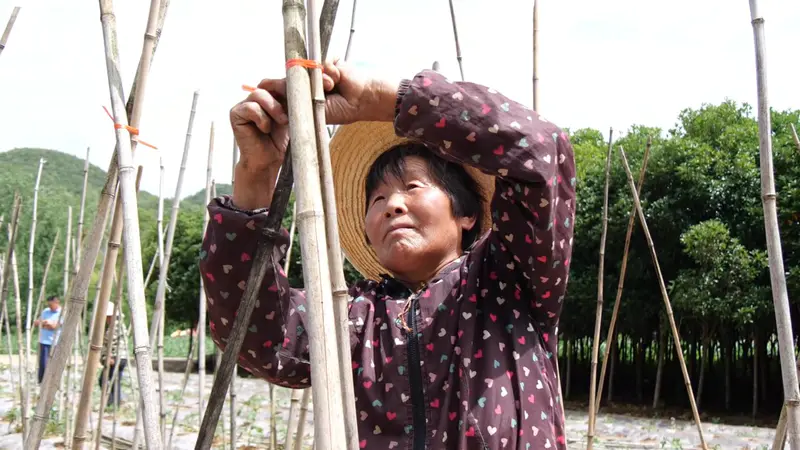
With the development of the vegetable industry in recent years, a growing number of villagers have seen the “money” view of high mountain vegetables. In order to promote common development and provide pre-sale and post-sale services, farmers need only do what they can to grow. This steady “sale” of revenues has attracted more than 20 villagers from the surroundings to join the vegetable industry。
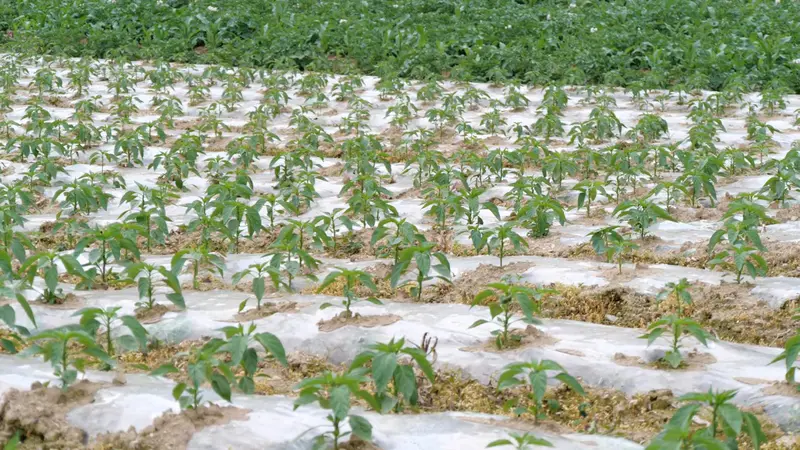
"i planted five acres of land. In the previous valleys, 2,000 dollars was earned per acre; in the previous years, cooperation had begun with the heart farming cooperative, which provided seedlings, followed by peppers, which earned 4,000 dollars per acre. The seedlings and fertilizers are supplied by the cooperative, which sells them directly to him without fear.”
“when the people grow and grow, we recover all the products and all the risks are ours.”
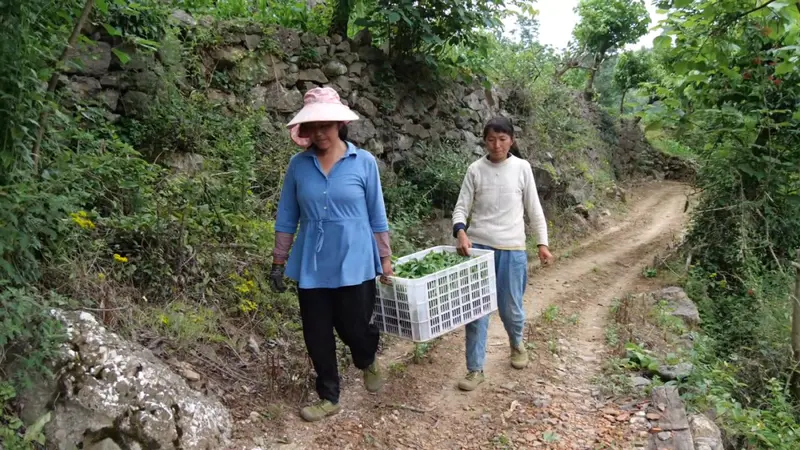
At present, a cooperative for the professional farming of heart and heart in the southern province has developed a “cooperative + farmer + farmer + transport + sales” business model, with an area of 580 acres. After harvest, mature vegetables are transported directly from agricultural land to the wholesale market for agricultural products in the city of zyang, and stable supply relationships are established. The first chili and four season beans this year will be on the market in late june。
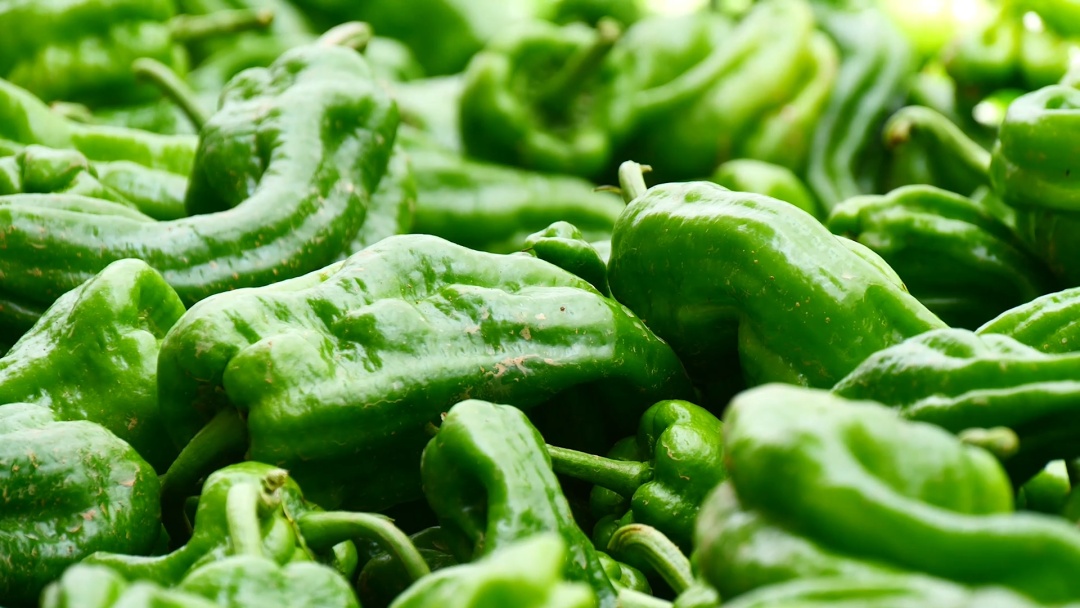
“this year we are expected to produce more than 1 million pounds and produce more than 3 million yuan”
The town of platebridge is at altitudes ranging from 800 to 1,200 metres, and the mountain weather features are clear. In recent years, local ownership of mountain resources has led to the development of high-mountain vegetables, improved competitiveness of quality industries in the market and enhanced industrial support, efficient utilization of the vast amount of land abandoned in mountain areas and the full mobilization of idle labour for near-work, increased income for the population and facilitatedRural revitalizationI don't know。
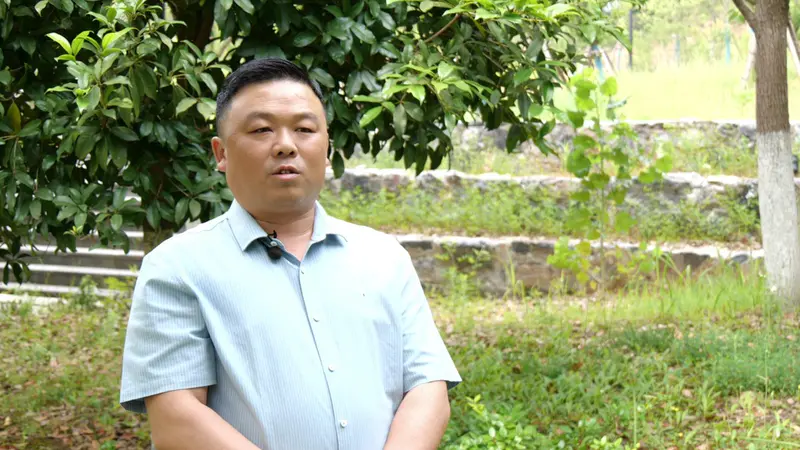
The president of panhashi township, yuan jia jun, said: “inducing and encouraging the return of capable farmers to start their own businesses, expanding the range of crops, increasing the scale of cultivation and achieving organized development. The cooperatives and growers actively involve the surrounding population, especially those living in poverty, in vegetable farming, cooperative labour and stock-sharing, both to provide jobs for workers and to reduce production costs, increase economic efficiency and promote a “win-win” situation for the development of the vegetable industry and the growth of popular income. This year, the total value of vegetables is estimated to be 35 million yuan, with a net income of over 6,000 acres and an increase of over 3,000 yuan









