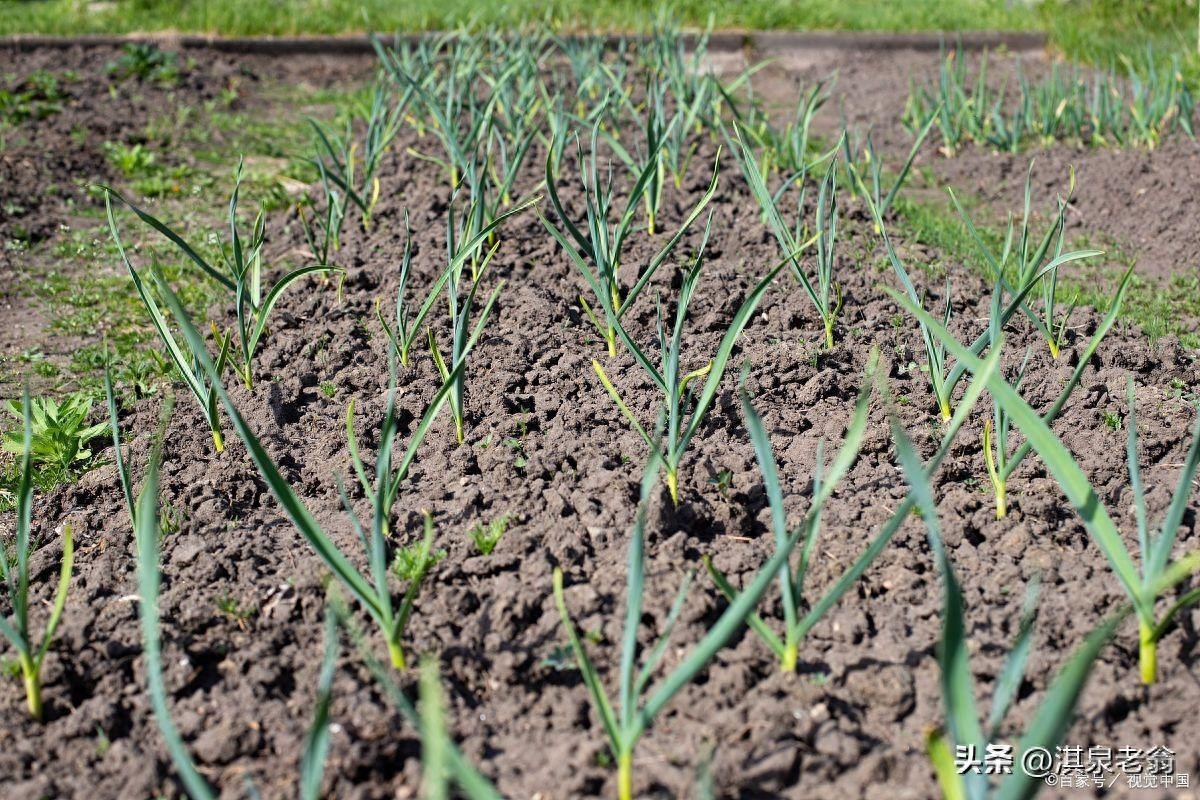
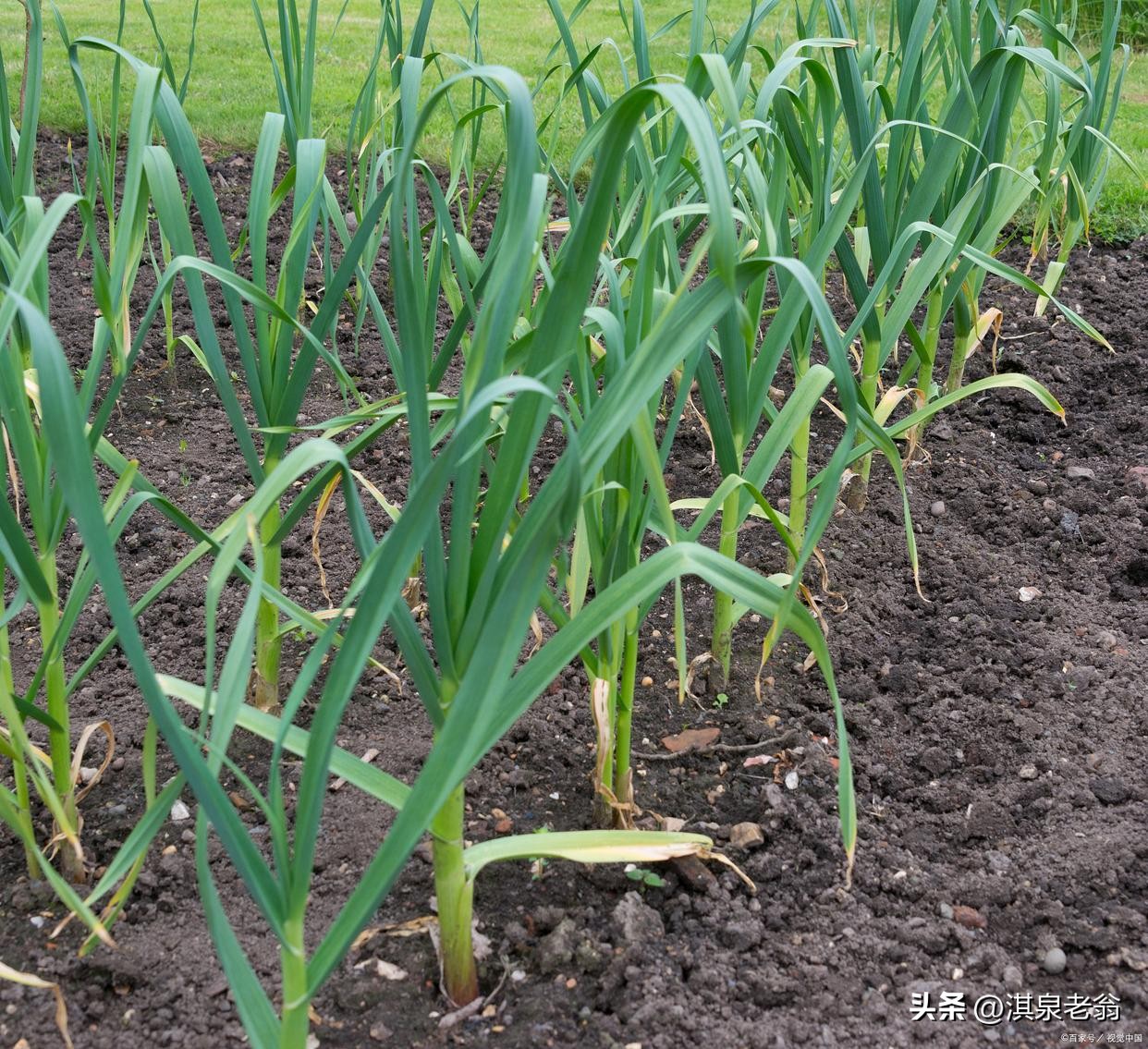
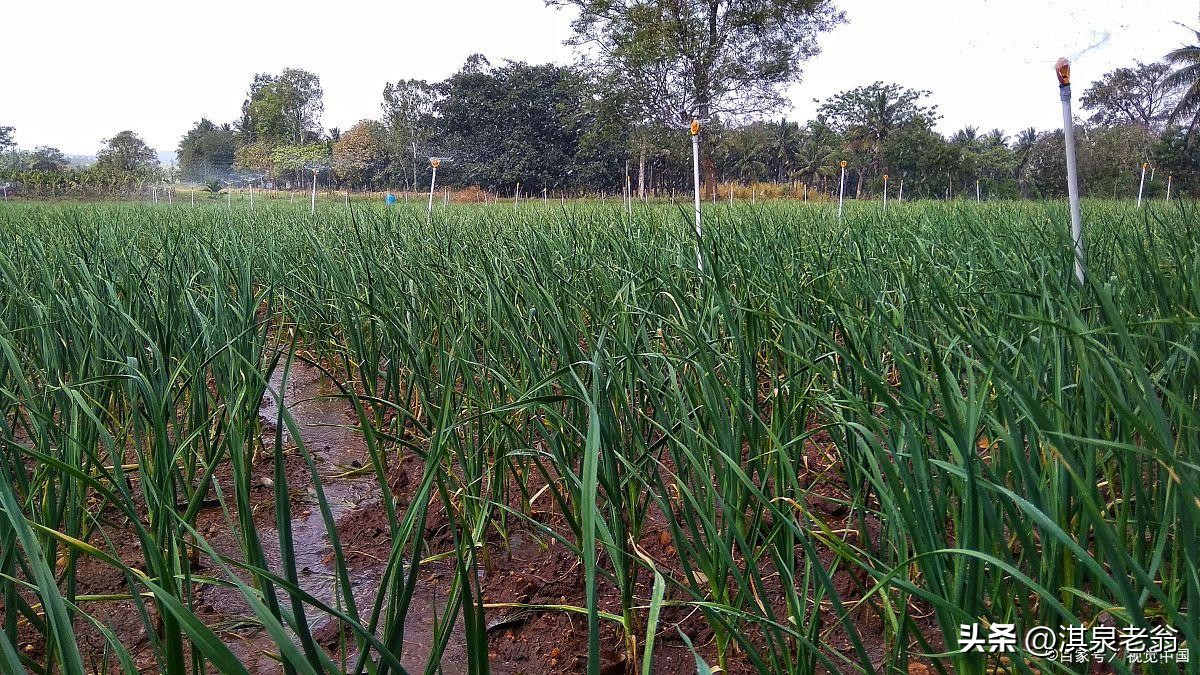
The old saying is, “it's early, it's late, it's hard to grow garlic in the autumn”, but in practice, many farmers miss the best season for the fall due to, for example, the rain and rain. A lot of garlic farmers are upset, the cold is cold, the temperature is low, the garlic is slow, ill, the winter is weak, the garlic is small and the empty petals are infested。
Deep tillGarlic cultivationMore than two decades of old garlic farmers have shared the need to grow garlic in the wake of the cold, so long as the normal method of planting is abandoned, the specifics of low-temperature weather are adapted, the timing, selection, consolidation, seeding, membranes, and winter pipes are in place, so that they are able to grow and produce at the end of the day。
I. Holding the check and don't step it up
The biggest planting challenge after the cold has surfaced has been the steady decline in the temperature, the deterioration of soil activity, a significant slowdown in the growth of the graft of garlic, and the later the seeding, the weaker the garlic before winter and the lower its resistance to freezing。
The old garlic farmer's experience: growing garlic when it's cold, the core of which is that it doesn't have to wait until the soil is completely dry. Soils in the field reach the state of “footless, non-painted, stand-up”, which is the best time to sow and to plant the ground immediately. If the temperature drops and the soil freezes, the garlic petals will remain dormant for a long time, the seedling will be delayed by more than half a month and will not be able to grow before winter。
At the same time, it avoids low-temperature rain weather, which accumulates water in successive rainy days, sows highly perishable petals and roots, selects mornings to sow, and has a relatively high temperature that contributes to the rapid growth of seedlings。
Ii. Fine processing of garlic to solve the problem of poor seedlings
Many farming households have mixed garlic seedlings, with half of the planting time and half of the garlic being poorly treated. Low temperature seedlings occur slowly after cold temperatures, and garlic pre-treatment is key to seeding and disease prevention, with simple but excellent steps。
1. The appropriate division of petals: five to seven days before seeding, not to strip off the petals long enough to avoid the loss of garlic petals and nutrients, affecting the vitality of the growth. It is carefully screened after the partitioning of the petals, removing the dry, insecticidal, moldy, injured and weak, keeping the first level of garlic of equal size, full of round, unharmed, and giving priority to local cold-resistant, disease-resistant garlic, suitable for the local climate。
2. Premium seeding: cold, low temperatures and very slow seeding. The selected garlic petals are immersed for 24 hours with fresh water, allowing the garlic petals to fully suck water, activate the embryos, and then extract them and dry the surface water in the cool air。
Combination against disease and pests: dried garlic petals, ploughed with specially designed clothing or compliance microbicides, which effectively prevent the root and tubular decomposition common in garlic, while reducing the incidence of ground pests such as garlic mackerel and maggots garlic petals, which reduce the incidence of rotting petals from their root causes and the lack of seedlings。
Iii. Enough scientific fertilization, and longing and resting fat
The roots of the garlic seeded in the cold are found in the shallowness of the soil, with weak absorptive capacity, and the traditional way of re-energizing fertilizer is extremely prone to burning roots and sprouts, resulting in the failure of seedlings. The garlic farmer emphasizes the importance of fertilizing garlic at night, supported by organic fertilizers, fertilizer and light seedlings。
1. Deep tillage: 15-20 cm before planting, breaking of earth, rakes, removal of weeds, roots and avoidance of soil slabs. Deep-tilled, defusing soil is a good aerobic, keeps the temperature warm and helps to root garlic in low-temperature environments. At the same time, the field drains and drains to prevent the accumulation of roots after the rain。
2. Formula base fat: 4,000-5,000 kg of fertilizer per acre for mature farmers, 100 kg of high-quality organic fat, with appropriate microbial microcosm to improve soil structure and temperature; a small combination of potassium nitrous phosphorus to supplement basic nutrients, with appropriate zinc fat, boron fat to prevent late-stage garlic inflating and hollow dryness. The application of single excess nitrogen fertilizer is strictly prohibited, avoiding the pre-winter growth of garlic seedlings and a decline in anti-frozenness。
Iv. Adjusting the depth of seeding to eliminate reverses and depths
The regular autumn is suitable for in-depth broadcasting, but must be sorely soaked after the cold, which is a core technique for late-dry garlic production and a key area of error in the annual decline of many farming households。
1. Precise control depths: low temperatures and low oxygen after cold temperatures, too deep seeding can consume much of the garlic petals and produce too slow and thin seedlings; seeding is too shallow, the roots of winter are bare and the seed is easily frozen. The optimal land cover depth is 3-4 cm, which is 1-2 cm below the normal broadcasting period, and is just as protective of garlic petals, temperature protection, and the fastest and strongest seeding。
2. Reasonable planting: limited pre-winter longness for late-drive garlic seedlings, weak dissipation capacity, suitable for replanting production. The standard lines are 15-17 cm and 6-8 cm, with around 40,000 seedlings per acre, with adequate ventilation, which is not crowded and ensures overall production。
3. The correct display of garlic petals: it is essential that they be sowed with the point of the garlic petals up and down with their roots, and that they never be flat or pegged. An anti-carpage seedling can be delayed by 7-10 days, with young children growing deformed, rooting in their roots, and very poor anti-frozen resistance at a later stage。
V. Dust, timely covering, temperature protection
The practical bias of two garlic farmers is essential when the temperature after the cold rises is high and cold at night, and when seeding is carried out, the temperature protection is directly determined by the rate of seeding and winterization。
1. Cast grass-wood ash: when the dust is sowed, a layer of grass-wood ash is spread evenly on the side. It preserves warm and humid soil, defusing soil, microbicides, supplements potassium fattening, effectively prevents rotting petals, improves seedlings and increases the resistance of seedlings。
2. Temperature of the diaphragm at the time of the raid: the cold is growing garlic, and membrane cover is key to high productivity. When water is sowed, and closed herbicides are sprayed, a dedicated membrane of 0. 05 mm thick is covered in a timely manner, and the surroundings are tightly sealed. The membrane can lock up soil moisture and increase the temperature of the ground by 2-3°c, creating a suitable environment for the seedling of garlic petals while inhibiting weed growth, reducing nutrient consumption and contributing to the steady growth of garlic seedlings before winter。
Vi. Pre-winter science management, steady protection against freezing
The main focus of pre-winter management is the promotion of seedlings, the control of freezing and the non-blind pursuit of fat water。
1. Timely defacement of the membrane seedlings: once the garlic seedlings have broken the top of the earth, the artificial deformation of the membrane seedlings is released in a timely manner, avoiding high temperatures of burning seedlings, crushing the seedlings, after which the membranes are sealed off with fine soil, and preventing the running of the membranes。
2. Controlling water fertility: when a seedling is produced, if the soil is not dry, it does not need frequent watering, and the soil is too wet to lead to rotten yellow leaves. Once the garlic seed has grown four to five leafs, and long before winter, a small amount of high nitrogen fat is applied, helping to accumulate nutrients for the seedlings, and to nurture them for the winter。
3. Protection against cryogenic frosts: frosting, pre- and post-winter, frequent cold air strikes, which can provide small soil cover, enhance the resistance of young seedlings to freezing, and avoid the freezing death and injury of weak seedlings in winter。
Summary
As opposed to planting in the fall season, garlic can be grown in the wake of the cold. The core skills are: early seeding, pre-treatment of garlic, low-level planting, organic fertilizing land, membrane temperature protection, and pre-winter growth。
As long as these six details are put in place, even half a month later than usual, they will make it possible to produce a large, strong and well-established body, with zero damage in winter, full of garlic in the coming year, not empty, not spoiled, and easily productive. The operational techniques summarized by the garlic farmers are suitable for most of the country's acoustic areas and are adapted to local temperatures and soil conditions。