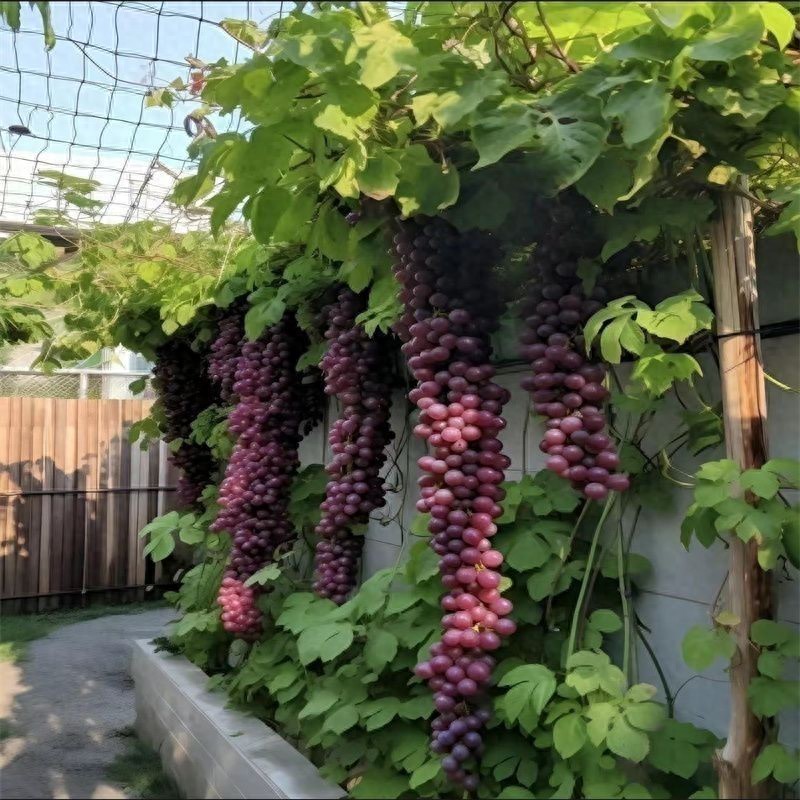
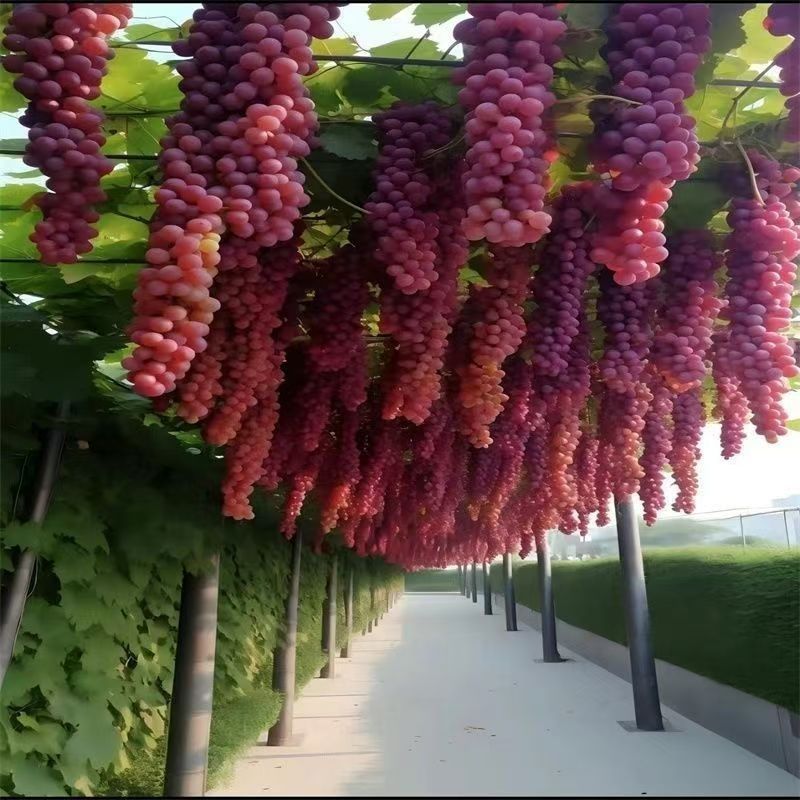
The balcony grapesYear-round maintenance calendar (an extremely short monthly version, exclusive to the balcony)
Application: bottled grapes, south balconies, beginners do it directly
January depth hibernation (coldest period)
- shearing: completion of winter re-cut, with a strong main chicken, a small branch, a weak branch, a long branch, all of them. Drop it
- fertilizers: soil is kept dry, water is scarce and it is completely out
- protection: stay away from the cold wind. You don't have to move indoors to avoid frost
February, pre-emergence period
- water: the earth watch is dry and dry
- cleaning up: removal of residual leaves, miscellaneous items and maintenance of ventilation
- preparation: organic fertilizers, pine earth tools ready for germination
Key period in march (year-round focus)
- watering: increasing, dry and wet, water in the basin prohibited
- fertilizers: thin nitrogen fertilizers/general trophic fluids after germination, promoting growth
- management: after the growth of the new bud, too many weak buds, inner lumbers, concentrated nutrients
- scrambling: perfecting the rack, pulling the line, preparing the chicken
In april, it's new and growing and pregnant
- watering: normal watering, slightly increasing the number of clear days
- fertilizers: conversion to potassium phosphorus fertilizer (dihydrohydrazine phosphate), once in 7-10 days, sprouts, sprouts
- shearing: newly grown to about 10 leaves for the first time, controlling the master
- tie the chicken: tie the branches evenly to the shelf, pull the space, secure the light
May + sit-down period (most likely)
- watering: strict control of the water, drying up of the earth, and high water availability of flowers and fruit
- fertilizers: fertilization during the flower season; after bouquets, potassium phosphorus + calcium in small amounts fat
- management: no flower basins, no water spraying to vasectomy; estrangement of small flowers
In june, the celibacy of the veggies grew
- watering: steady water supply, even dry and wet, and dry and wet fibrosis
- fertilizers: primarily potassium + calcium, promoting the expansion of fruit and fissure-proof fruit
- snitching: cut off the small, deforming, trimmed and strong
- leaves: right under the ear, right under the ear, right under the ear
In july, the fruit was colored and matured
- watering: less water, less dry conservation, less watery and less fragrance
- fertilizers: basic diet, once in the middle of the coloring period
- protection: strong light is properly shaded, fruit-burned, bird pecking is protected eat
- picking: completely coloured fruit, sweet tastes and harvests in batches
August recovery period
- watering: normal drying and wetting, restoration of routine watering
- fertilisation: one balanced/decomposition organic fertilisation after harvest, supplementation of tree body min
- shearing: cut the old branches, the thin ones, clean the leaves
September nutrient accumulation period
- watering: normal management, dry and timely watering in autumn
- fertilisation: mainly with potassium phosphorus fertilizer, boosting the woody and combating the cold
- management: keep a strong and fresh, no more focus, and keep the branches familiar
In october, the autumn is long and ready for hibernation
- watering: gradual reduction of water volume and gradual drying of the soil
- fertilisation: full diet to avoid freezing of newcomers
- clean-up: clean-up of leaves and leftovers and reduction of winterization of pests
In november, the sun went into shallow sleep
- watering: less water. Just keep the soil wet
- management: tie the branches and check the shelf's robustness
- prevention of diseases: simple ventilation throughout the garden, without leaving the sick in the environment
December deep hibernation (over winter)
- fertilizers: control of water, loss of weight, reduction of water throughout the month
- shearing: trim the extra branches, comb the strains, sprouts for the coming year fight! Bottom
- winters: the balcony is set in order to avoid the cold wind blowing in the air. Drop
Three general red lines for the balcony plant
1. Lights of six hours per day with direct light, with only long leaves missing
2. Water in the basin is banned for any season. Grapes are the most afraid of rotten roots
3. Don't overdose, it's too long, no flowers, no results