It's in ping dynastyBlueberry cultivationThe base, the blueberry sheds that are visible around the roadside, where the fruit farmers are busy looking at the deworming, the irrigation and the growth of the leaves, and the rows of the blueberry fruit trees, which are organized in an orderly manner, and onions, show that next year they will be a good harvest。
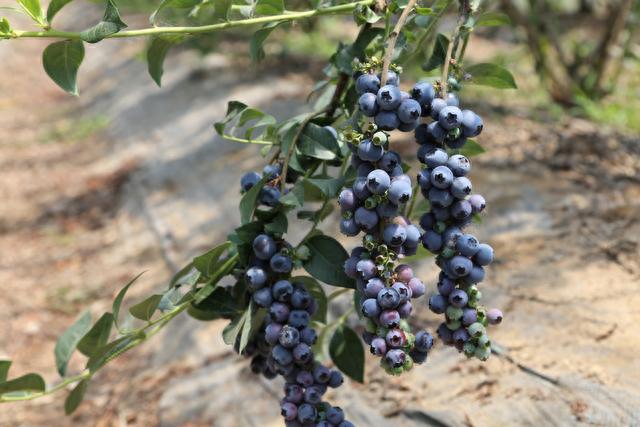
The blueberry industry in the town of dynasty, which has grown from nothing to nothing, has evolved over a decade of exploration and now has over 20,000 acres of blueberries grown throughout the town, including 12,000 acres in large huts, all of which earn more than $30,000. For more than a decade, the town has continued to explore innovative patterns of blueberry cultivation and marketing, with a rational mix of early, medium and late-cut varieties, which have become “gold beans” because of the time spent on drying, cold sheds, open-field blueberries, and more than three months of picking fresh fruit。
In 2019, the blueberry family farmer li gaway, who came back to the village to grow the blueberries, said, “seeing the families growing the blueberries at home rich, i went home to get a ride and became one of the `free people in the town' ”
“looking at the leaves alone, i'll know if the blueberries are good.” four years of practice, li gavey is now known as the local blueberries grower, with more than 160 acres of blueberry fruit trees growing evenly and trimmed, grains reaching 2 centimetres in diameter, about 30 per cent above average acre production, and first-class management techniques, with more than 30 farm families leaving the orchards to li gavey for unified management, effectively increasing the economic efficiency and product competitiveness of farmers in a cooperative and resource-sharing manner。
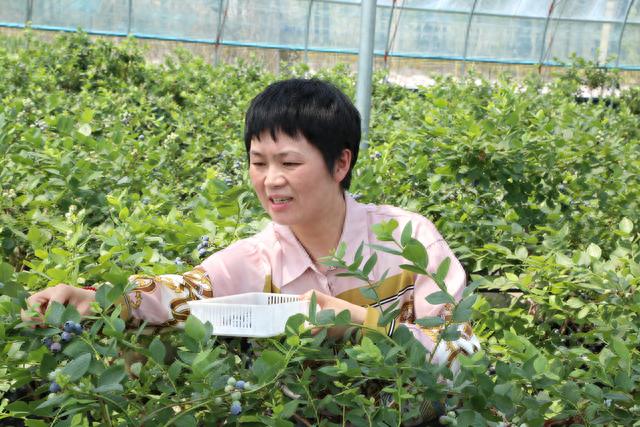
Chen chongru was also the first to be rich in the “blueberry dividend” in the town of ishimon, ping dynasty county, where in 2012 chen chonglu returned from beijing to start a business, moving more than 170 acres and investing more than 700,000 yuan in blueberry cultivation. Over the past 10 years, chen chongnam has studied blueberry cultivation in yunnan and the north-east, introduced several varieties in his orchard, used cold hot sheds and open staggered cultivation, and lengthened the blueberry output cycle。
“the first-line farmers are the hardest to grow, and the money goes to foreign traders.” after “going out”, chen chonglu discovered a “bottleneck” for farmers to grow blueberries. He quickly organized a cooperative that acquired blueberries and sold them directly to the long triangle and henan, creating a large wholesale land of over 4,000 pounds per harvest day。
“so the price is more stable and higher, so we can distribute it locally, and the fruit that we have grown for a year doesn't have to be collected cheaply.” chen laughs. Not long ago, he rented blueberries from the wuhan first-class fruit wholesale market, transported local blueberries directly to home-grown production during the april-july production period, and bought and sold blueberries from dalian, yunnan and anhui throughout the country in the remaining months. A new pattern was achieved, moving from pre-eminence to wuhan, sending them to the whole country, entering the domestic market cycle, using the most advanced supply and demand dynamics of the market to pry the blueberries industry back home。
It is known that the blueberry industry has been set up at the pythagoda level to facilitate a healthy and sustainable development of the blueberry industry by actively matching the industry with the blueberry industry chain community, a chain-based interactive collaboration between the blueberry growing cooperative and the alliance enterprise rim blue zay eco-agriculture ltd., and the development of a deep-processed series of products such as juice, fruit wine, blueberry chlorophyll, among which the “blue zone” is processed annually to over 3,000 tons, increasing the value added of the blueberry industry. In addition, with the blueberry pick-up season as an opportunity, the blueberry tourist cultural festival was held for seven consecutive years in penang county, which built a “chained” blueberry theme tour of the pick-up + gynaecology + experience, which led to the development of local literary brigades, and the growing growth and prosperity of the country's tourist ecology under a blueberry dot。
(people's daily news client, wang xing, correspondent, chen su-chun, han-jee)