


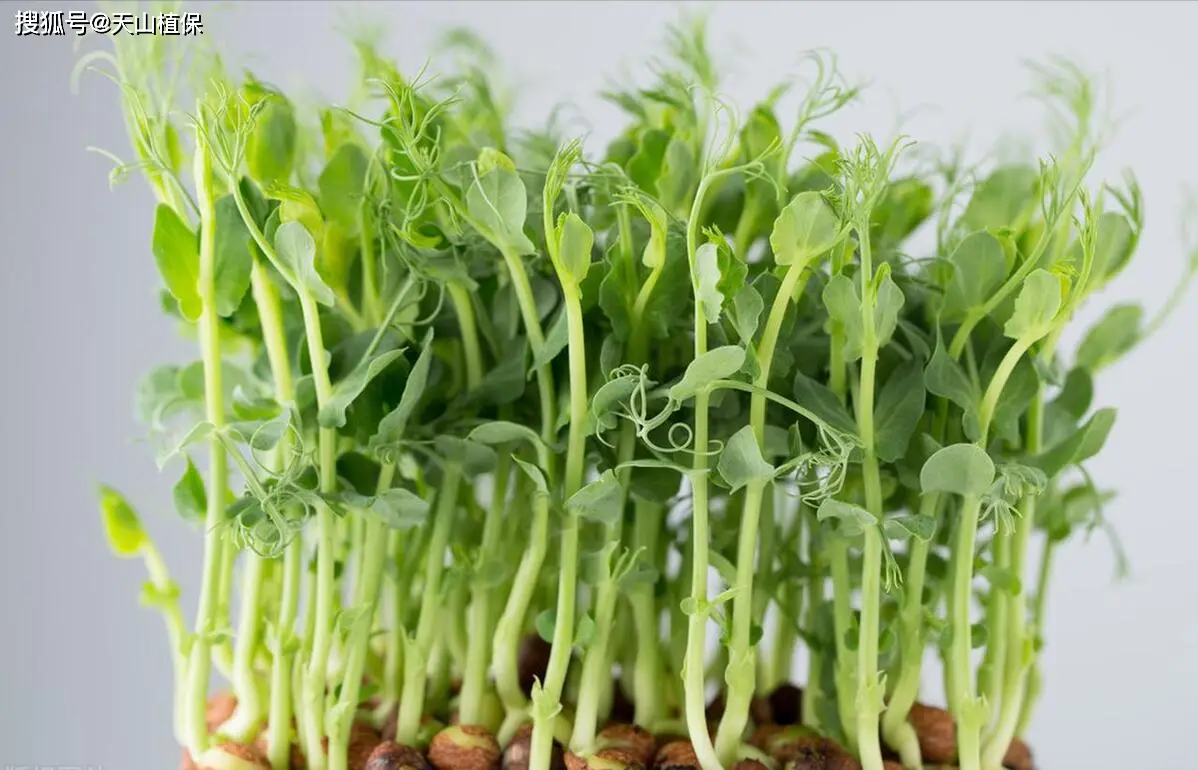
Peas seedlings, as a nutritious, tasteful vegetable, have in recent yearsFamily cultivationIt's very popular. The hydroponics method is a simple, environmentally efficient method of planting and is particularly suitable for home planting pea seedlings. This paper gives details of the hydroponic methods of peas seedlings, including basic steps, optimisation measures, special methods and care to help you grow fresh and healthy peas at home。
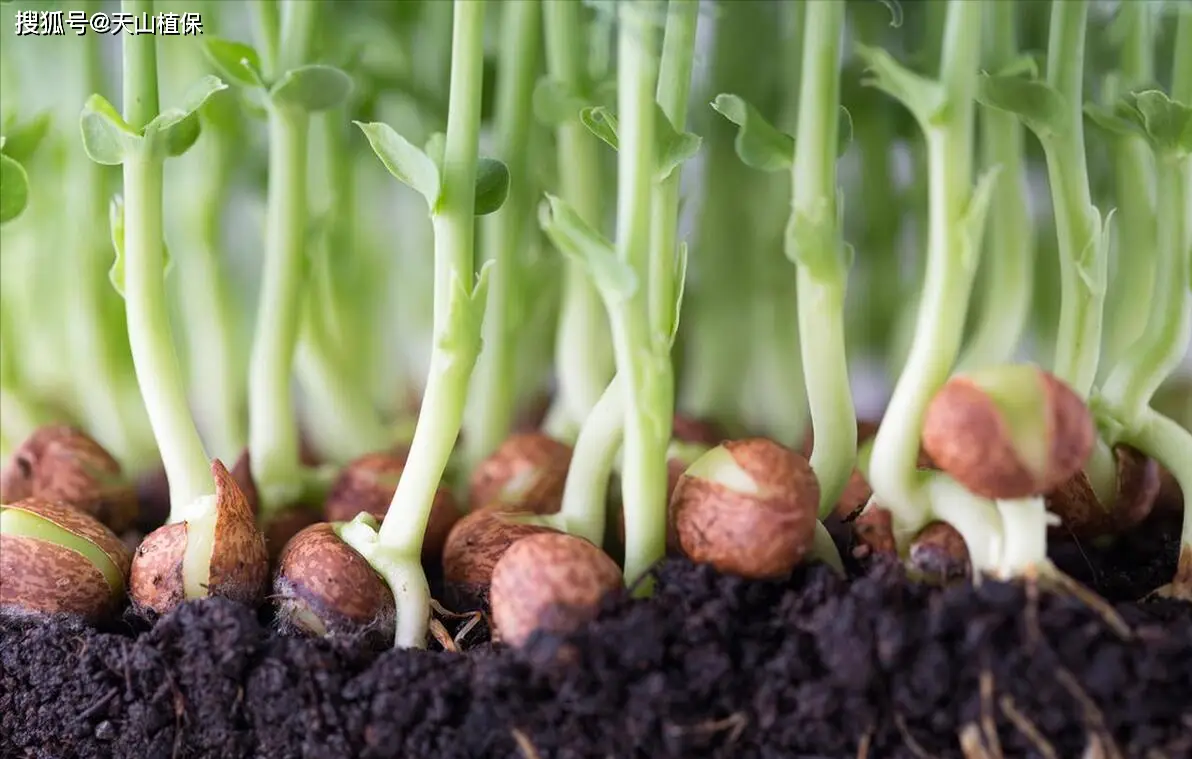
Basic hydroponics
(i) preparatory materials
Peas seeds: the selection of pea seeds that are full of particles and disease-free is the first step towards successful planting。
Cults or packagings: plastic plates or other permeable containers with leak holes are ideal options to control moisture and prevent water accumulation。
Paper or gauze for planting on the base of the culture plate to prevent peas from coming into direct contact with the container while maintaining humidity。
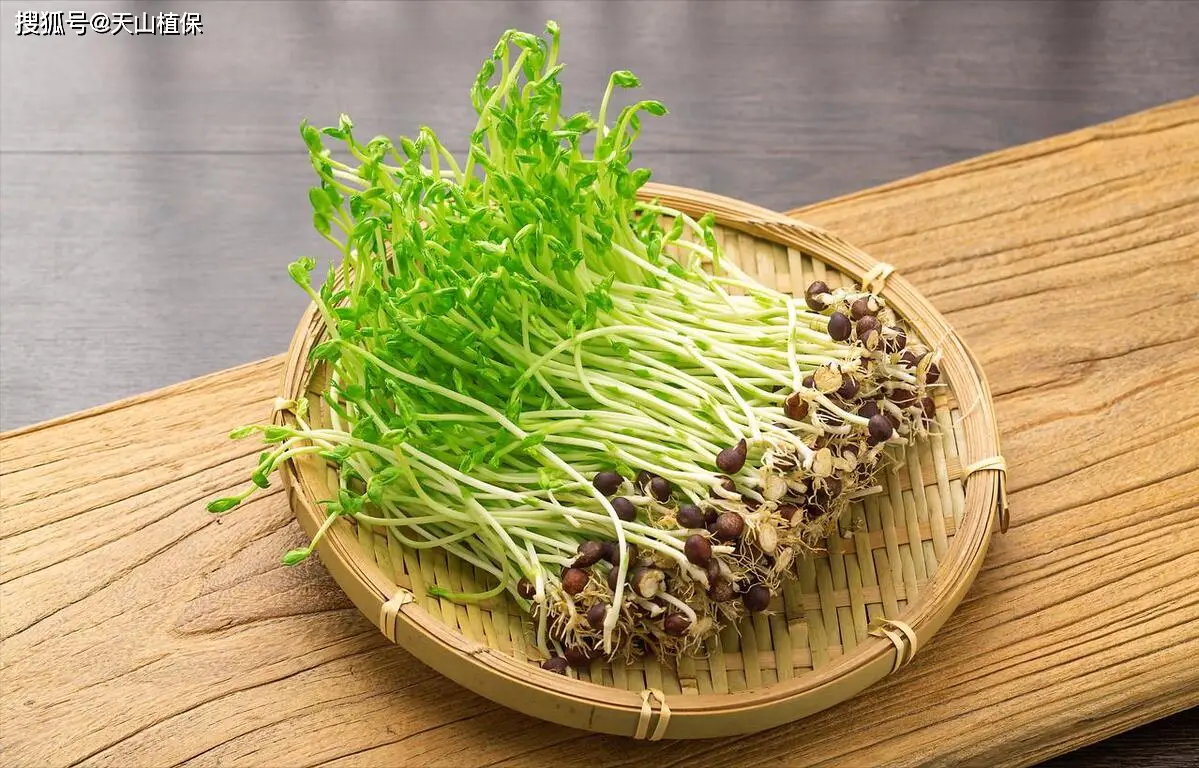
(ii) operational steps
Bubble species: bean seeds are immersed in water for 24 hours for more than three times to ensure adequate water intake and clean water quality. The purpose of the water exchange is to prevent the loss of oxygen due to prolonged immersion of seeds in water。
Paper-laying and seeding: to cultivate paper or gauze on the base of the culture plate, and then to spread the well-breathed pea seeds on them, avoiding overlap, in order to ensure that each seed has adequate growth space。
3. Spray water and cover: small and light water canteens to keep pea seed wet. Subsequently, a layer of veils or paper can be planted lightly on peas in order to maintain humidity and promote germish. It should be noted, however, that as peas seedlings grow, cover should be gradually reduced and peas seedlings should receive more light。
4. Day-to-day management: place the incubators where they are well ventilated and luminous (avoid direct sunlight). Water is sprayed once a day in the morning, in the middle and at night, keeping the seeds and paper wet. As peas seedlings grow, the frequency of water spray can be reduced appropriately, but the environmental humidity should be maintained。
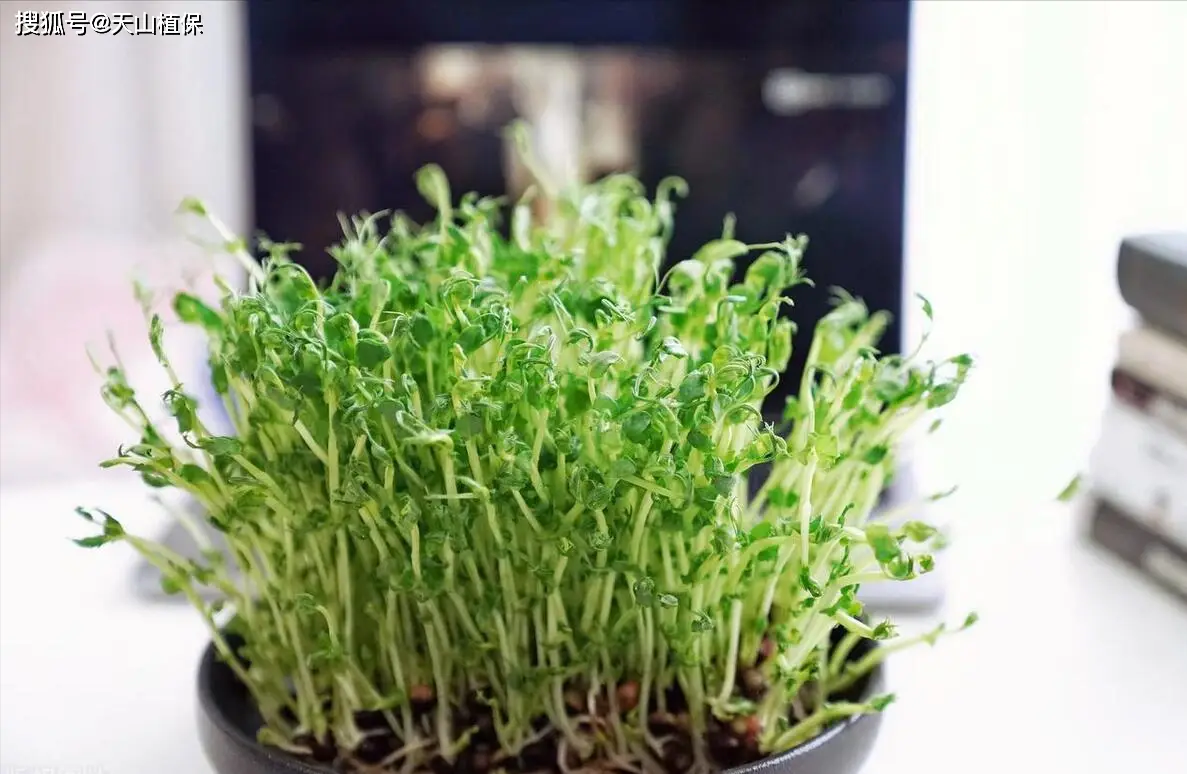
Optimizing hydroponics
In order to further improve the yield and quality of peas seedlings, the following measures could be taken:
Temperature control: peas seedlings grow with an appropriate temperature range of 15-20°c. During hydroponics, care should be taken to maintain this temperature range to promote the rapid growth and growth of peas seedlings。
Photo-management: although pea seedlings do not have stringent requirements for light, proper light helps them to co-operate and accumulate nutrients. Therefore, during hydroponics, the incubators should be placed in bright, but not in direct light. As peas seedlings grow, light intensity and time can gradually increase。
3. Use of nutrients: in order to promote growth and accumulation of peas seedlings, appropriate nutrients can be added to water. Nutrient fluids should be formulated in proportion to the instructions and periodically replaced (generally every three to four days to change water and add new nutrients) to ensure clean water quality and adequate nutrients。
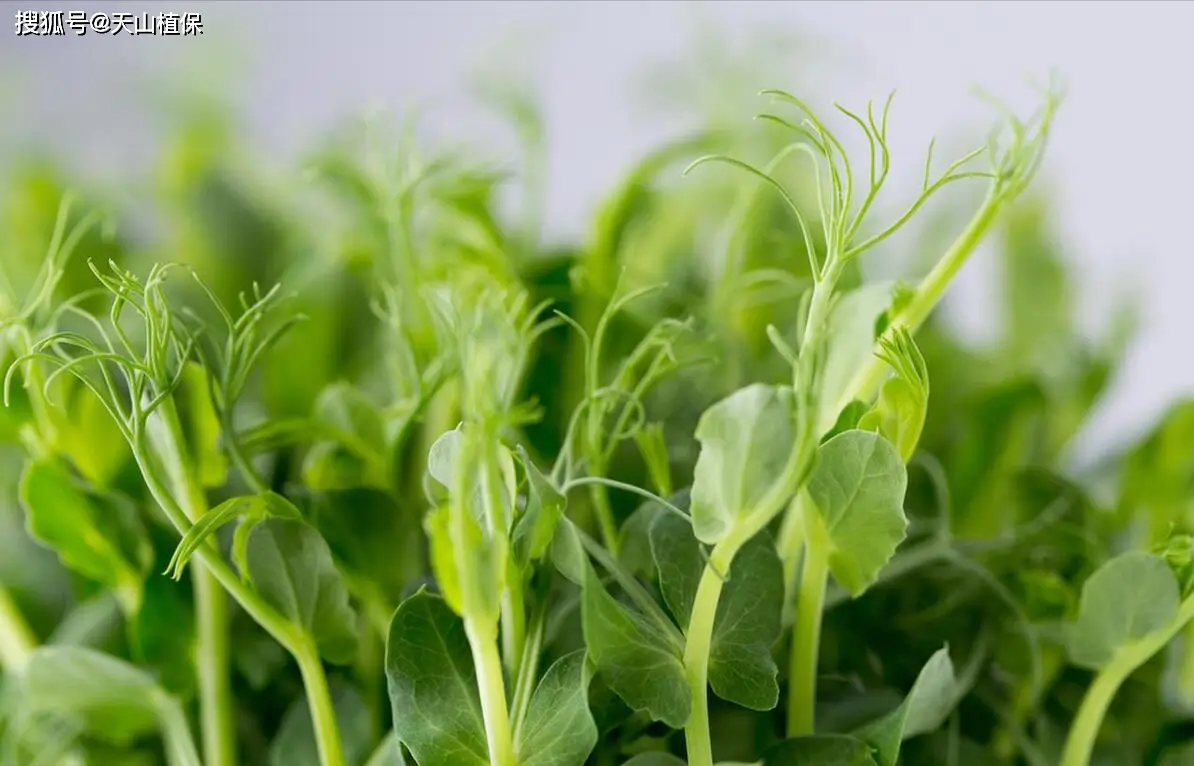
Special hydroponic techniques
In addition to basic and optimized hydroponic techniques, there are special hydroponic methods that can be tried:
1. Circulatory water cultivation: the use of pumps and plumbing systems to provide more even and sufficient water and nutrients for pea seedlings. This approach can also be effective in reducing water evaporation and nutrient loss and improving resource efficiency。
Aerosol training: aerosol training is a culture that hangs the roots of peas seedlings in the air and provides them with moisture and nutrients by means of time spray. However, this approach is more demanding in terms of equipment and technology and suitable for use by growers with some experience and conditions。
Iv. Notes
1. Periodic inspection: during hydroponics, the growth of peas seedlings should be regularly checked, in order to remove sick and weak seedlings and weeds in a timely manner and ensure their healthy growth。
2. Safe consumption: peas seedlings are not fit to eat rawly because they contain a certain amount of harmful substances such as soap. Before eating, proper cooking (e. G. Water, fried, etc.) should be done to reduce the content of harmful substances and increase the taste。
3. Rational harvesting: peas seedlings should be harvested from around 1 cm of the root in order to leave sprouts to continue growing and develop new pea seedlings. No water should be poured immediately after harvesting and should wait 12 hours before doing so in order to avoid deterioration in the wound。
4. Water quality management: water from water connected to water pipes is replaced daily to ensure that water quality is clean and does not contain impurities and bacteria. When changing water, appropriate nutrient fluids are also needed to ensure the normal growth of pea seedlings。
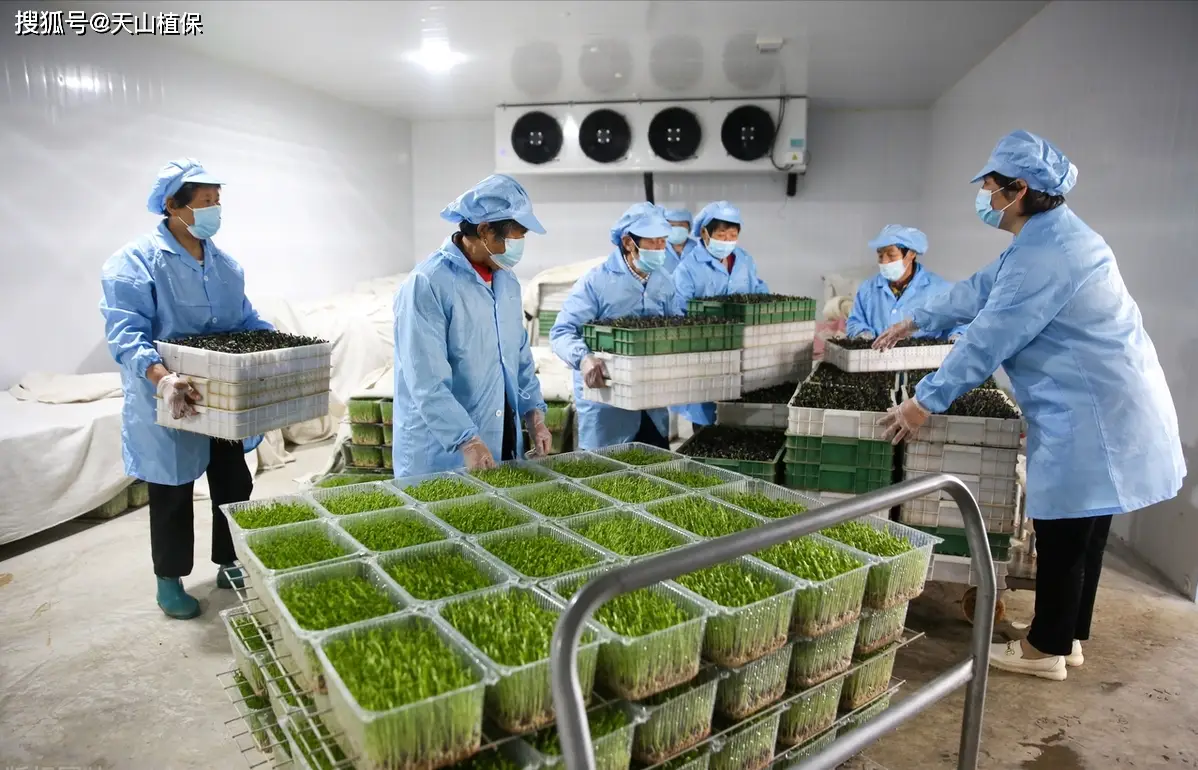
In short, the hydroponic methods of peas seedlings are diverse and can be tried according to their own conditions and needs. With the right hydroponic techniques and management methods, it is possible not only to enjoy the pleasure and achievement of growing, but also to reap fresh, healthy and delicious pea seedlings. I hope this will help you









