


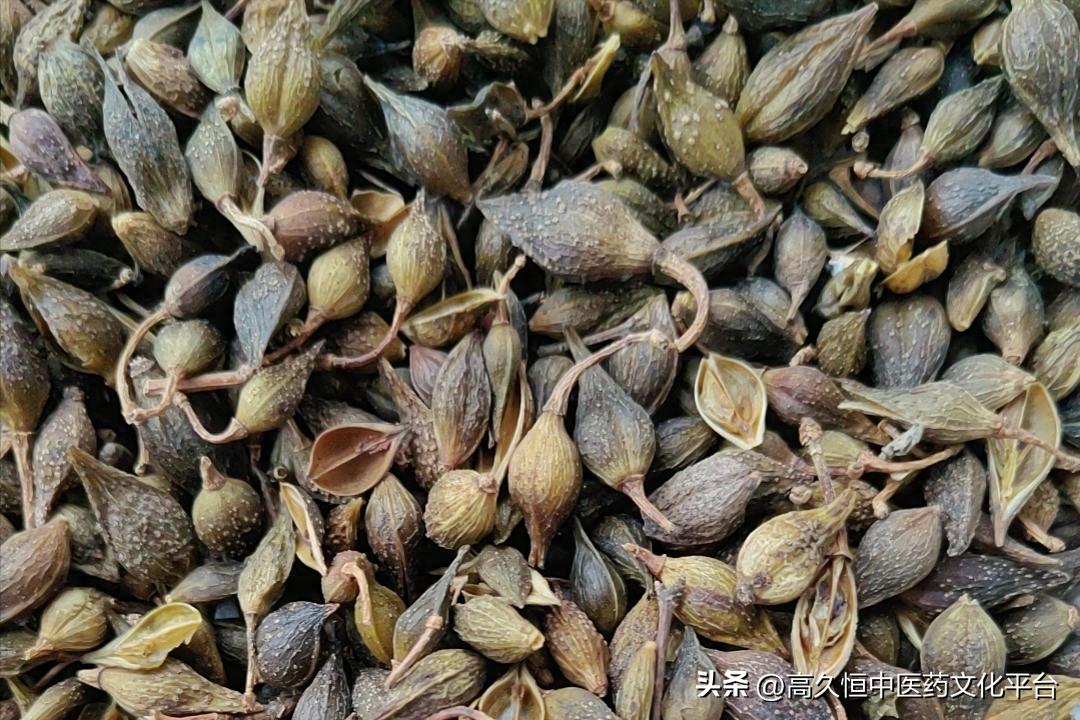
The market for quixuan has a high price of approximately $36, between $40 and $45 for the price of the quixé market and $50 and $55 for the sifter. The overall movement was delayed and the situation remained unchanged. Compared to the 300 dollars a. M. In 2023, it fell by almost 90 per cent for three years — the logic behind it is not simply a “demand cliff”。
Fans: mr. Gao, what has been the price for the past five years
High endurance: if you pull up the price for almost five years, it's a standard textbook for an epidemic-driven variety
New births rose to around $110 in 2021, demand for the new coronary outbreak erupted in 2022, prices hit $155 and, after its liberalization in december, it hit 350. For the most part in 2023, it remained at $150-200, with a gradual fall in production. The cliff fell in 2024, dropping to $100 in may and $80 in october. The search continued in 2025 and slipped all the way to 50-60 yuan. In april 2026, it broke $40。
Look at this curve, the steepest is the two years of the epidemic's peak, and the fastest drop is just after the epidemic's retreat. There is an old saying in the pharmacological market: "the plague comes with a fire, and it goes with it, and it goes with it, and it goes with it。
Fans: so which is the main culprit
And long: in it are many forces that are interwoven, not one can see
First level, sharp contraction on the demand side. The annual demand during the epidemic can run from 8,000 to 12,000 tons, fell back to 5,000 to 6,000 tons in 2024 and continued to slide to 3,000 to 4,000 tons in 2025. It's like a guy who's been eating eight bowls all of a sudden eating three bowls, but your production is still there。
But to interrupt — the decline in demand, i say, is a contraction of stocks of medicines and anti-preventable diseases, and the expansion of the health-care, solarization sectors is rather growing, with silent discharges of terminals like tea and toothpaste. But this increase is still far from filling the big pits dug up by the epidemic。
Second floor, centralized release of domestic capacity. In 2015, 300,000 acres were cultivated, over 1 million in 2024. Shanxi, henan, hebei, shaanxi and even sichuan and anhui are growing. More than three times the expansion over the past four years, with the new plant growing into a season of fruit, and the capacity to climb up the slope, trying to pull back the price? It's not that easy。
On the third floor, the mindset of the market was completely reversed. A large number of processors lost money in 2024 and continued to lose money in 2025, and many are simply not open this year. The pharmacies and drinking tablets are purchased on demand, and there are few stocks. The entire chain is shrinking from top to bottom, and no one dares to be the boss。
Fans: what is the annual demand of 8,000 tonnes, where is the main production area, and is the supply now greater than demand or less than demand
High duration: first, the supply side. Shanxi alone accounts for 60 per cent of the country's capacity, henan for 25 per cent and shaanxi, hebei and shandong combined for about 15 per cent。
The total production in 2025 was about 3,500 tons, plus 2,500 tons of inventory, bringing the total value of new inventory to 6,000 tons. Note, however, one detail — the old stock contains well-qualified and unqualified oil, with approximately 2,500 tons qualified and 1,500 tons ineligible。
What about demand? The annual consumption of around 8,000 tons in normal years does not include special periods for epidemics and influenza. Take 6,000 tons of total supply to cover 8,000 tons of normal demand, with a theoretical shortfall of 2,000 tons。
But reality is not that simple because demand has not returned to normal levels. The actual digestion of the terminal in 2025 may be only 3,000 to 4,000 tons, coupled with slow access to drinking tablets, which are not even as high as demand. The supply and demand account is not simply 6,000 less 8,000 equals a gap of 2,000, depending on how much the terminal received。
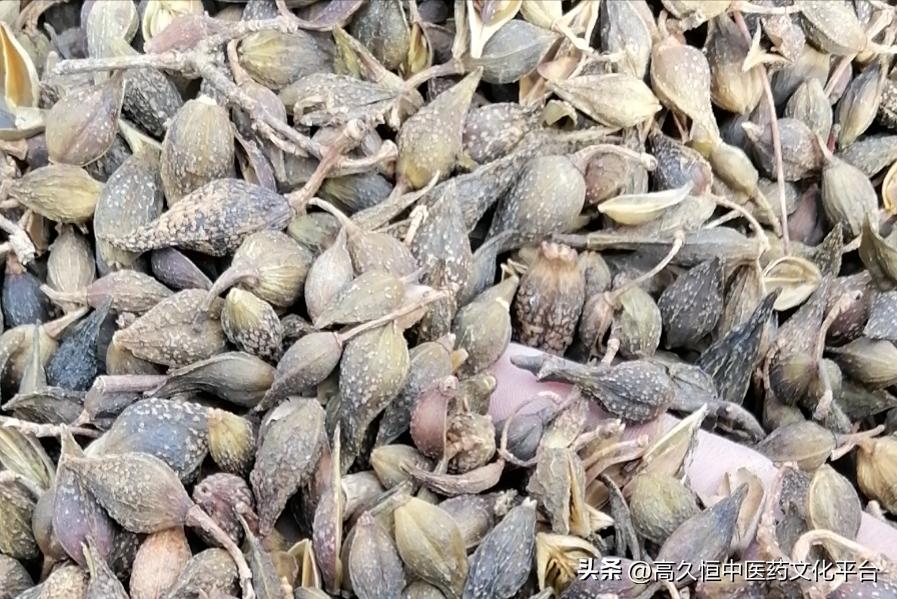
And i'll say one more word about the other: the old problem of chrystal, which leads to a lot of bad ingredients for fresh fruit, fewer good goods on the market, more bad goods. What does that lead to? Prices are further polarized. Qualified goods are able to hold current prices and even rebound, and unqualified goods continue to fall down, and the market is not a piece of iron。
Fans: what do you say about 2026
High duration: this year there are several variables worth looking at -
First, in 2026, the season was affected by cooling snow and rain, and the graft was more severe, with a similar situation in 2020, when production was cut in half. More crucial is the fact that for the third consecutive year, the processor has lost a lot of jobs, and pharmacists have been abandoned because of low prices and wild and family species. There are fewer pickers and fewer processors, and this year's revenues are likely to be lower than last year。
Second, the area of spring seed has been reduced in large areas, and seed seedlings are not sold. The active contraction of the plant is a pressure on short-term prices, but the transmission effect of the situation after 2027 is of concern。
Superseding the monitoring of the xinhua index — the april 2026 consecutive price index fell by more than 40 per cent compared to the same period in 2025, with the market shattering at the bottom. In the short term, the market in wuzhou was at its base in the second half of the year, at an approximate rate of 35 to 40 yuan, and it was not surprising that even $35 had been broken in pessimism. In the fourth quarter, if the influenza epidemic or the channel depot is activated, a rebound of $45-50 is observed. Back to the $100 zone? Unless there is a new wave of large-scale public health events, the foundations are inadequate。
What's the bottom line? It's not price, it's cost. The cost of drying up the family range is about $40-50 per kilogram, and market prices have touched the cost line and even partially collapsed. This is the real bottom when the grower has no profit to start discarding the removal tube and when the processor has for the third year in a row a large loss exit. The year 2026 is not a year of money-making on the ground, but it is precisely a window of low-level layout for those who have access to channels and patience, and it is crucial to capture the good and keep away from the bad。
Reference: the chinese drug network, the drug network and some of its perceptions are consolidated by long-standing statements. This paper is an industry reference only and does not constitute any investment proposal. The price units, if not specified, are kg. I'm talking about medicine, looking at me, using my institutional experience and the chinese medicine industry to help you avoid pits and find a way。









