


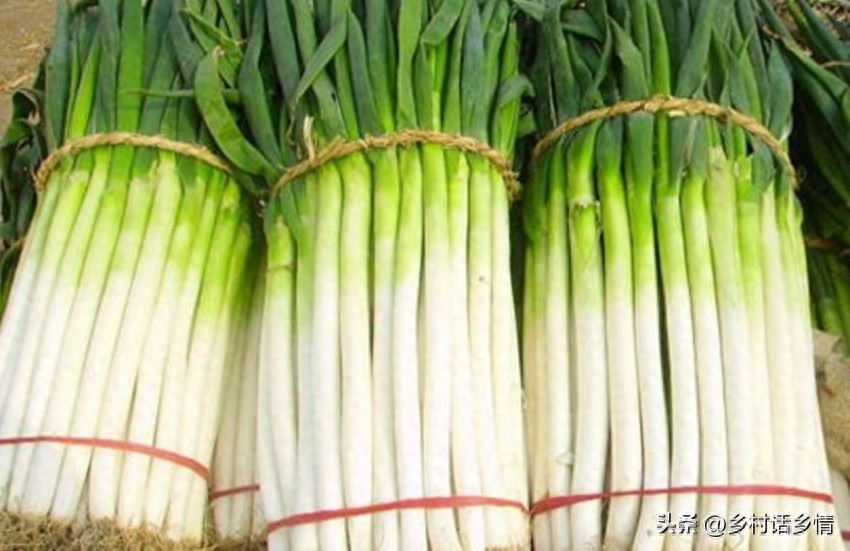
In addition to the above, in the process of onion growth, care must be taken to prevent and combat diseases and pests, such as frosted disease, dusty disease, sarcophagus, leaf fly onions as a very common vegetable, which are grown in many places. I myself grow some onions every year, harvest them in the autumn and keep them for winter, and sell the rest on the market. Many friends may often go to the market to buy onions, but there is a common feature that prefers white, thick and long onions, even if they are a little expensive. I grow two pounds of a big onion every year, and half a pound of a small one on average. So, how do we grow white, thick and long onions? Multi-year planting and practical approaches are shared below。
Good soil is the foundation
The roots of the onions are actually very shallow and have a weak absorptive capacity, so onions are grown to choose higher ground, thick ground, easy to water and drain, soil with good soil fertility, dry weather to water and even rain weather to drain water out. The selection of land is followed by deep-drying, combined with the mixing of base fats into the soil, which are dominated by organic fats, such as decomposed farm fats, composting fats, etc., and can be matched with appropriate complex fats to ensure the variety of nutrients required for onions to grow。
Good varieties are the key
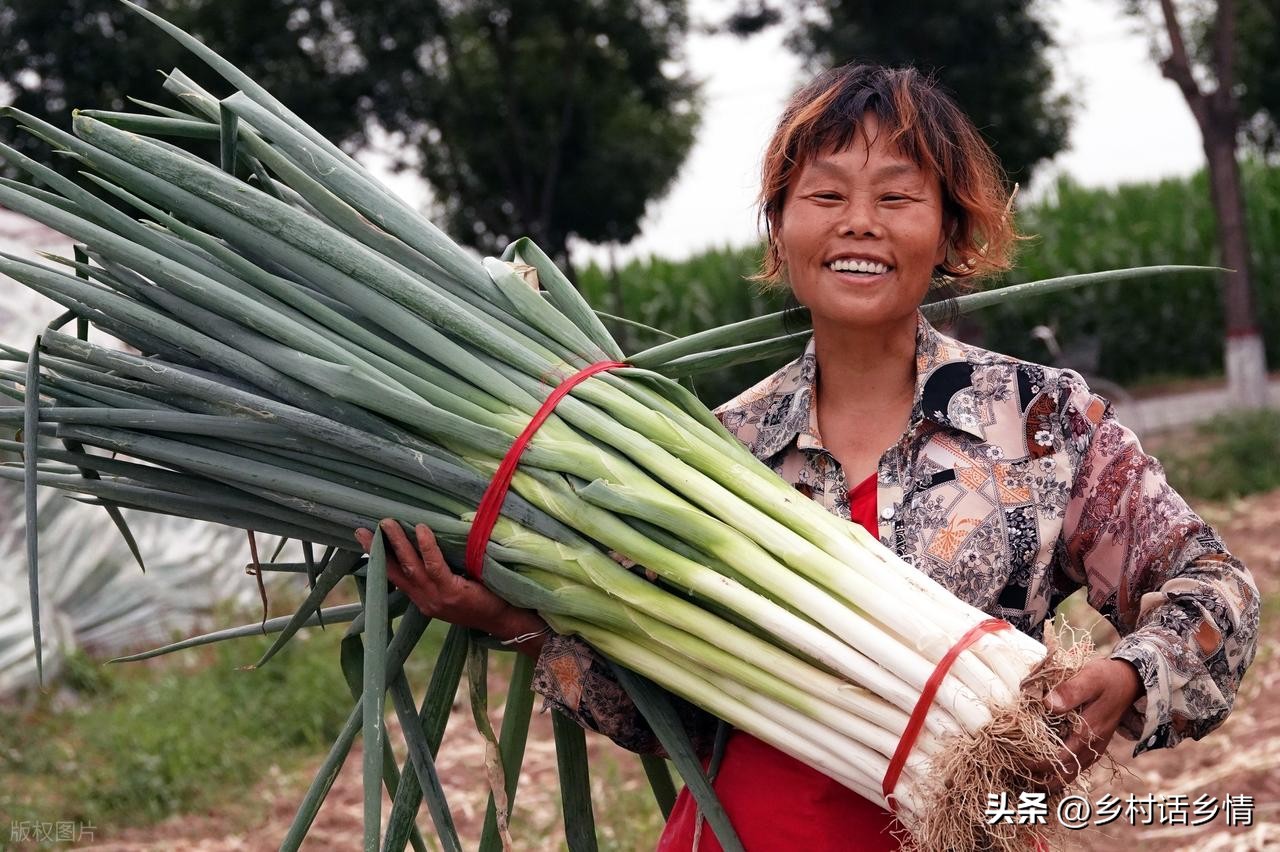
The selection of a good species for onion cultivation is key to high yield, with the length and thickness of onion being directly related to the variety, with significant variations in the length, roughness and taste of onion. In selecting onion seeds, good varieties adapted to the local climate, long and resistant are selected. For example: the official onions. Iron onions, chinese onions, etc., typically have a white length of 60-80 cm and leaves of more than 1 m。
Iii. Increased production by sowing in due course
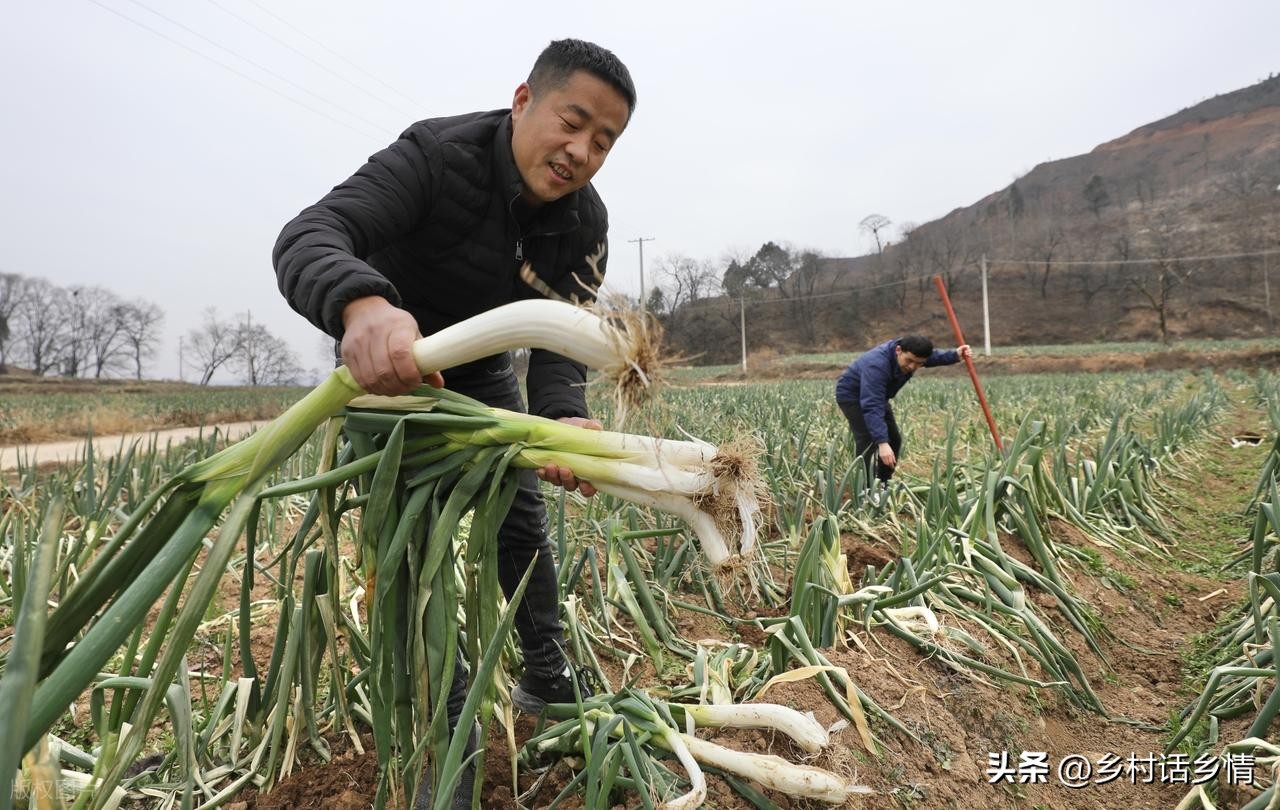
Onions are born long and long, and timely seeding has a significant impact on the growth of onions. However, the climate varies greatly from region to region and the timing of seeding varies considerably. Production is generally more favourable in autumn than in spring, where onions are planted for long periods of time, and early plantings in the coming year are conducive to the formation and development of onion. However, planting in the autumn must be sowed in accordance with local climates and must not be premature, and will take place early in spring. If you grow in the spring, try to be early and not too late。
Iv. Reasonable distance between plants
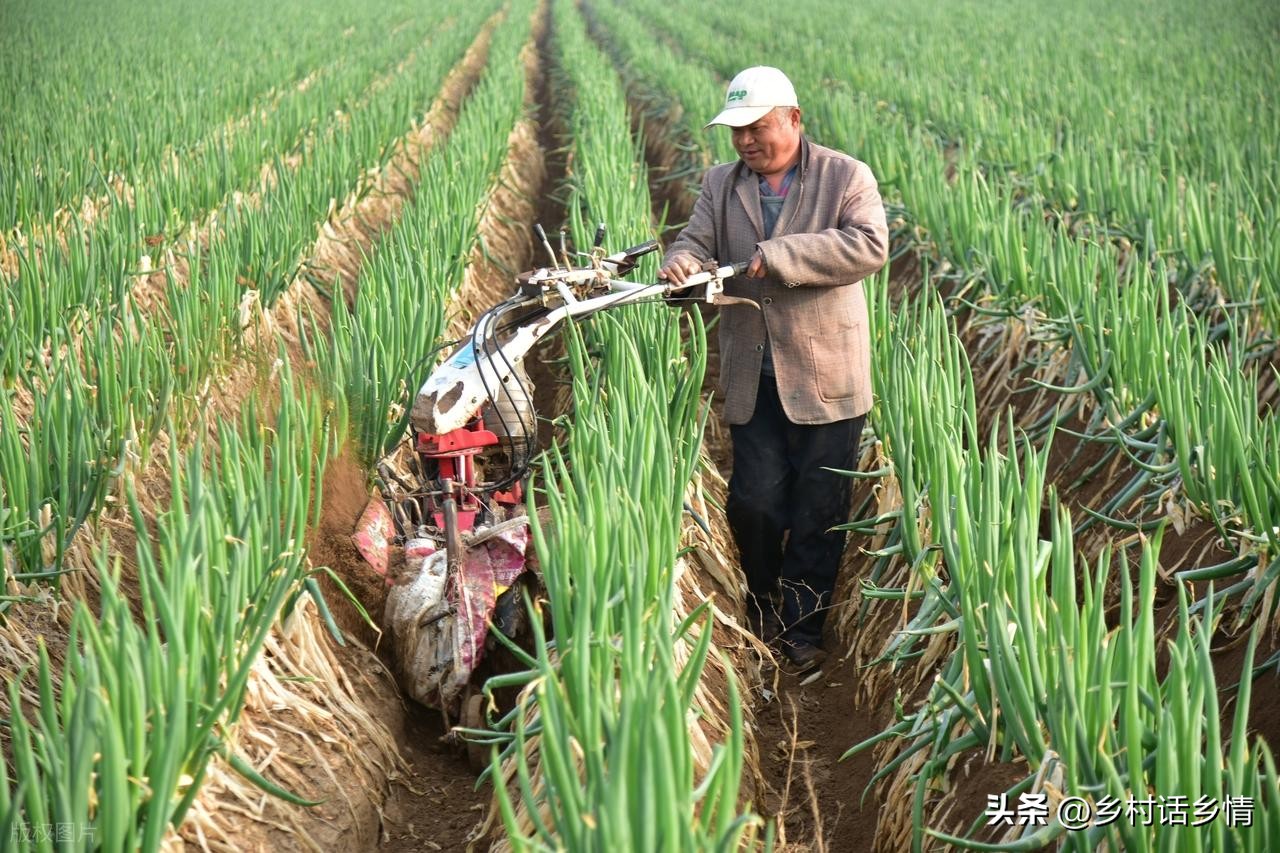
All those who are white, thick and long need lots of ground for long periods of time, but must have some space. As a result, onions can not be moved too far away, leaving room for earth to promote onions. Rotation density is determined by species, soil fertility and cultivation. Generally, the range is 70-80 cm and the range is 6-8 cm. A little deeper in the ditch, and then a little bit of the onion is buried in the ground, and when it starts to grow, it'll grow. Land
V. Fertilizing water
Onions are long-lived and require more nutrients, which, in addition to the application of base weight, are followed by onions at the growth stage. Nitrogen fertilizer is used more often in the pre-growth period, with increased application of phosphorus and potassium fertilizer in the medium-growth period and increased resistance of plantations. At the height of onion growth, the key to fertilization is the re-enactment of nitrogen fertilisation, with appropriate levels of phosphorus and potassium fertilisation to promote onion onion corrosion and growth。
The onion roots are particularly vulnerable to flooding and are managed to keep the soil wet without allowing it to accumulate water. It should not be overwatered, and the water should be properly controlled to prevent seedlings from growing. The planting and onion growth periods are expected to increase the quantity and frequency of water and to maintain soil moisture. In particular, in the summer high-temperature dry season, water should be poured in time to meet the water demands for onions to grow. However, 10-15 days before the harvest, water should be controlled to increase the onions ' resistance。
Vi. Timeliness is key
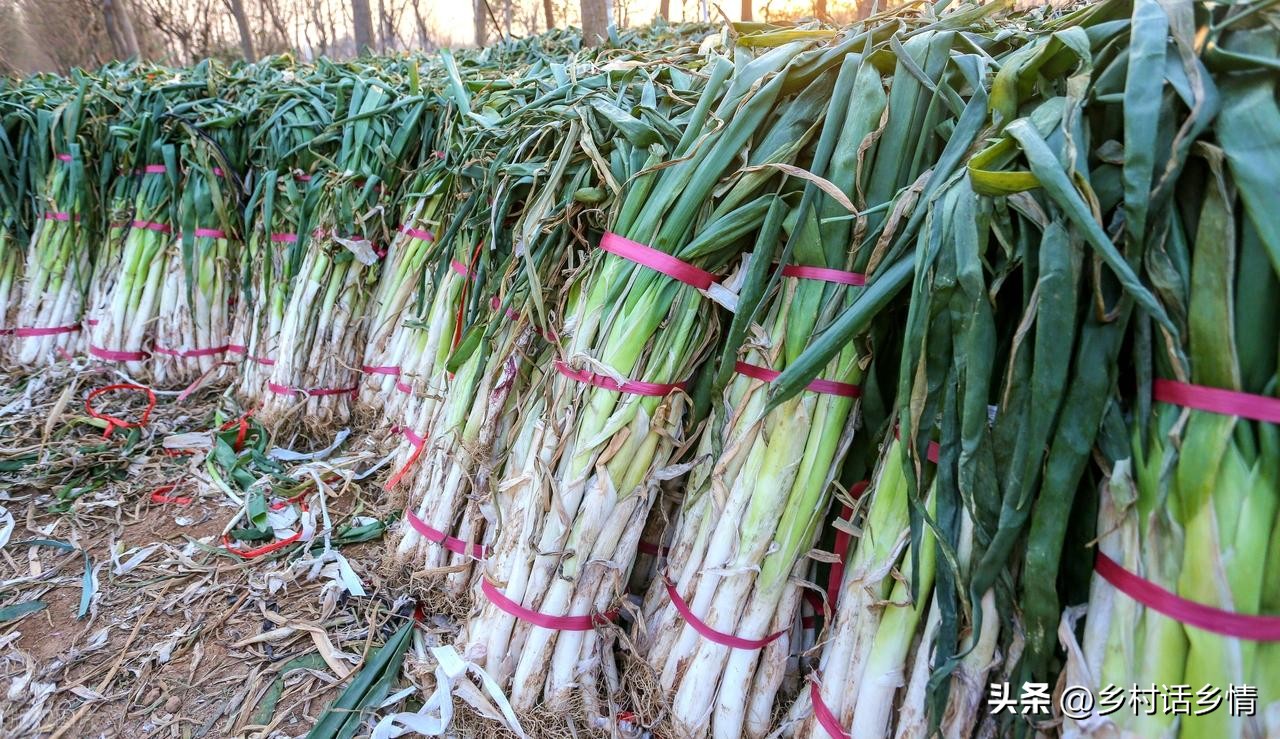
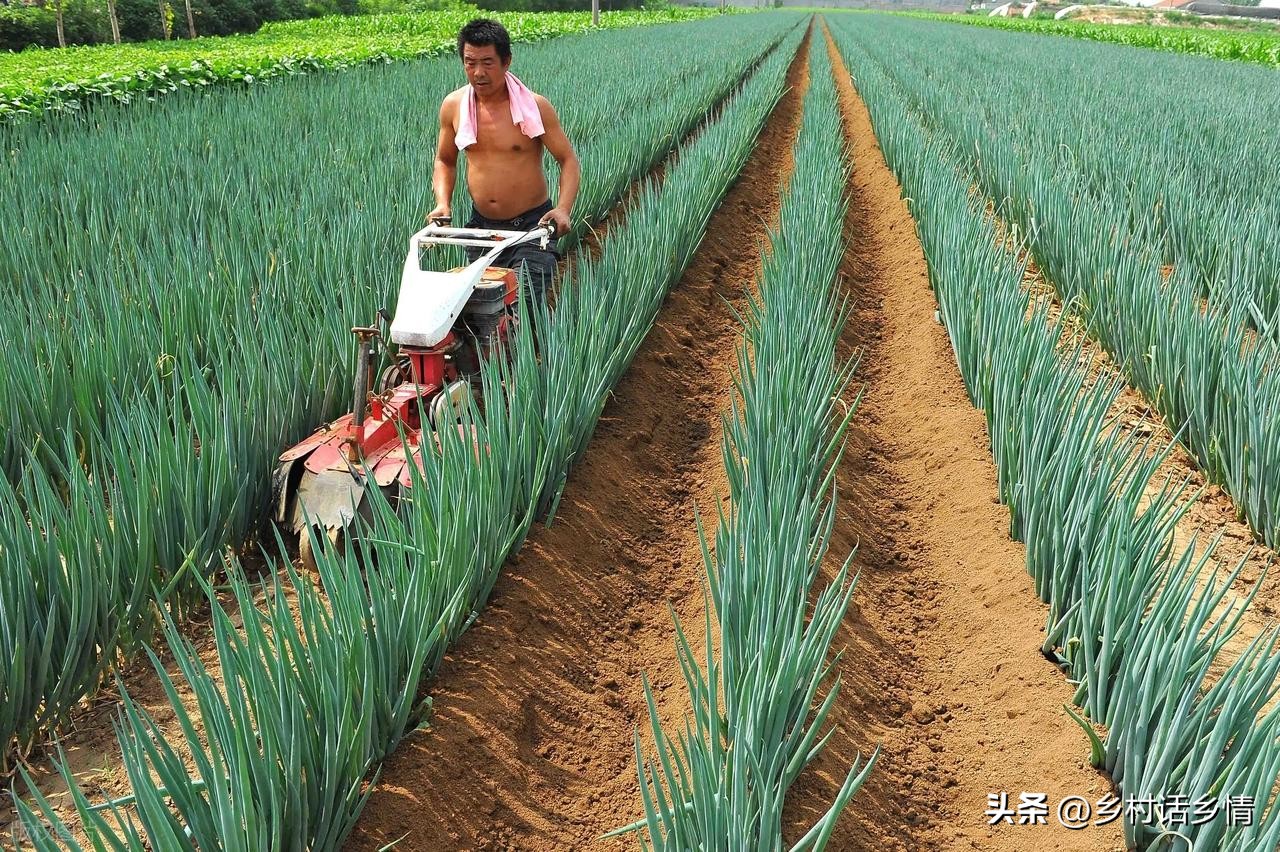
It is an important measure to ensure white, thick and long. And it shall cause the onions to be buried white, and it shall avoid the light, so that the onions may be white, tender and thick. In general, three or four periods of onions are used during their growth, each at a height appropriate for not burying a leaf. Paste time is chosen to take place in the middle of the day in the middle of the morning, so as not to cause onion disease in the rain or in the morning when the water is not dry。
Wait. The timely selection of appropriate drugs for treatment should be done upon detection of the timely removal of the disease。
Only when these key planting techniques are available and applied in actual production can onions grow white, long and high-yielding, high-quality onions。









