


The prices of agricultural resources have been rising steadily in recent years, and farmers who grow onions over the years spend a considerable amount of their annual expenditure on light-combined, water-solar and micro-factor fertilizers. A number of farmers, in pursuit of large, white, high yields, blindly increasing their roots in pursuit of fattening, are experiencing a chain of problems, such as soil sheeting, salt accumulation, dry yellow leaves, loose white hearts and disease, with limited productivity and high planting costs。
ActiveOnion plantingFor 30 years, the master of the old farming family, who had been growing onions, had experienced a pattern of cultivation based solely on fertilizers and had stepped on pits of reduced fertility and soil degradation. After nearly eight years of cross-checking, he found a full-cycle layerLeaf sprayThe formulation system, combined with the reduction of the base fertilizer and the management of science and culture, has led to a steady increase of 20-28 per cent in field acre production, with a reduction of 60 per cent in conventional fertilizer inputs, with large onions being heavily trained, dry, small and durable, and a higher premium than conventional plantations。
The package, which is easy to obtain, simple to operate and uncomplicated, uses all the usual farm-based materials combined with low-utility, functional foliage nutrients that meet green vegetable planting standards and are suitable for both open-air onions and shed onions. This document combines data from the ministry of agriculture and rural development on green onion farming practices, the study of nutrients in vegetable farms, the complete disassembly of formulae, staged matching, spraying operations, complementary field management, common fault areas, all of which are derived from the three-year series of test field real records, with practical landings。
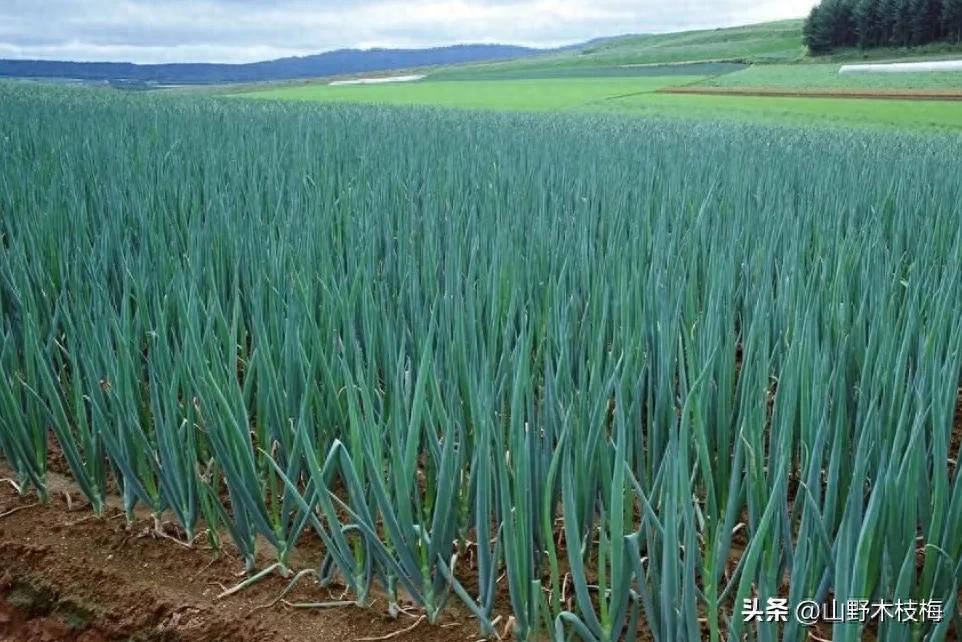
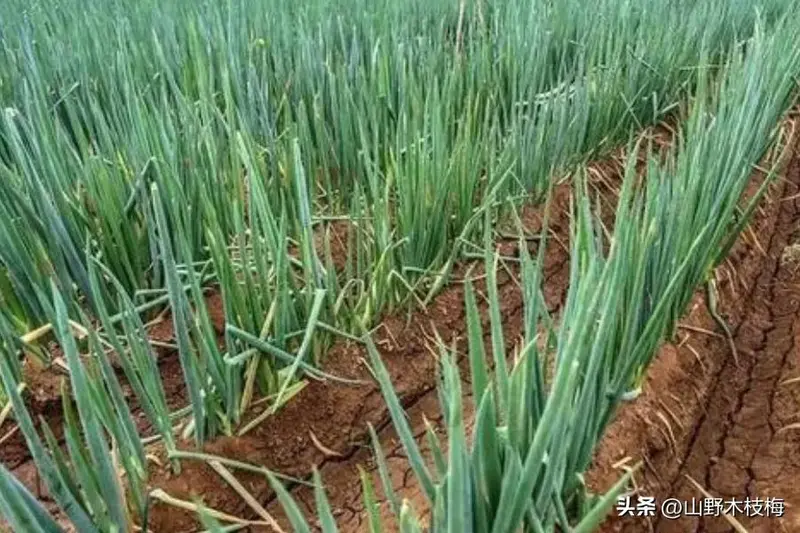
I. The four main planting pains of heavy fatting of traditional roots are also a source of high-cost, low-output agricultural households
Before talking about the application package, clear out the areas where most onion farmers are applying fertilizers, and understand why the supplementary nutrients of the leaf can replace most of the fat hunt and save on fertilizer。
1. Onion root systems have limited absorptive capacity and roots are under-utilized
Onion is a shallow root crop, with 80 per cent of the absorbent roots concentrated on the surface of the surface of the earth at 0-20 centimetres of the earth, where it is very difficult to absorb deep-seated fertilizers. Routine flushing, co-fertilization in ditches, nitrogen volatilization loss, soil fixation of phosphorus, actual utilization of less than 30 per cent of nutrients by onions, most of the fertilizer remains in the soil, with the long-term accumulation resulting in soil salinization, sheeting and weaker follow-up of the fatting seedlings。
2. Disconnection between nitrogen-based fattening and onion-inflated nutrient supply
Many farmers spend long periods chasing high nitrogen fertilizers, such as urea, and the leaves are thin, and the photo products remain in the leaves and cannot be transported to onions. Entering the critical period of white onion onion expansion and refilling potassium fertilizer has missed the nutrient trans-shipment window and has ended up short, empty, single weights that do not meet expectations for increased production. Experimental data from the agricultural institute show a reduction of around 16 per cent on average in the production of single nitrogen-depleted plots and a 30 per cent reduction in the commercial onion conformity rate。
3. Frequent pursuit of artificial costs of fertilizer and reduction of overall crop yields
Onions are grown in daejeon, fattening takes two to three hours to open a ditch, spread fat and water, and one acre alone to catch manure. Four to five times a year, double spending on man-made fertilizer, when market acquisition prices are low, can easily lead to landlessness. It takes only 20 minutes for each acre to be sprayed singlely, without the need for heavy water and with a significant reduction in manual inputs。
4. Soil nutrient imbalances, increasing disease
The long-term large-scale application of chemical fertilizers, the continuous decline in soil organic matter, the reduction of beneficial micro-organisms, the high incidence of frosting, purple spots, morbid diseases, parrot pests, and the need for farmers to invest in additional pesticide costs create a vicious circle of “fertilizing and treating more fertilizing”. In turn, home-made foliage co-ordinates the surface acid environment of the plant, inhibits the growth of insect eggs and reduces the frequency of pesticide use。
Ii. Core principles of the application system for old onion farming, data supporting the reduction of fertilizer and yield
The core logic of the package is that a small amount of roted organic fertilizer is used as a base for defertilizing, supplementing nitrogen, phosphorus, potassium, carbon and meso-microete elements on the side of the growing cycle, facilitating the absorption of leaf blade nutrients, directing luminous nutrients to onion white and reducing the dependence on root fertilizers。
1. Onion pores directly absorb small molecules of amino acid, organic acid, phosphorus potassium ion at a rate of 3-5 times the weight of the root system, with long-lived changes observed in the three-to-five-day leaf supplement and no problems with fixed waste of fertilizer soil。
2. The formulations contain natural organic acids that are made of vinegar, fermented rice and water, soften the oscillation layer of the leaf, open the gas hole absorbent channel, and alter the micro-element of the leaf, inhibit the growth of fungi spores and reduce the incidence of disease。
Red sugar and fermented organic matter provide quick-impact carbon sources, activate soil-friendly fungus and increase root system activity, so that a small amount of bottom fat can meet basic growth needs without multiple root pursuits。
4. Potassium phosphate, grass-wood ash leachate, directed resupply of potassium phosphate for onion growth over extended periods, promotion of the accumulation of dry matter, and resolution of the problem of emptiness。
Master zhang qiu has three years of comparative tests:
• conventional growing group: 2,500 kg of manure per acre + 40 kg of compound fertilizer, four long-term fats, total fertilizer inputs of $386, average acre production of 5120 kg and a 62% onions pass rate
• quantified fertilizer for leaf spray: 2,000 kg of manure + 15 kg of compound manure per acre, long-term foliage only, no root for fatting, 142 yuan for fertilizer, 6310 kg for average acre production, 23. 2 per cent for additional production and 87 per cent for onion merchandise
The data show a 63 per cent reduction in fertilizer inputs, a more than 20 per cent increase in production, a significant increase in the commercial nature of onions, a combined gain of more than $1,000 per acre, a complete fit of the actual field effects of the heading “across the province, 20 per cent more than an acre” and no exaggeration。
Iii. Standardized leaf spray formulation for growth cycle, precise ratio, raw material, full description of operation
The full-growth cycle of onion is divided into three stages of slow seeding, high-temperature long-term, high-eating critical period, with different levels of nutrient demand for each stage, a clear division of formulation functions, a full ratio based on 15 kg of standard backpack sprayer (market generic specifications), a percentage increase or reduction for farmers based on their own sprayer capacity, etc., and all raw materials are available to ordinary traders and agribusinesses without scarce materials。
(i) phase i: post-plantation until fall (preservation formulations for seedlings, disease-proof seedlings, replacement of nitrogen fats for seedlings)
Period of application: onions are grown 20 days to fall, and seedlings are 30-60 cm high, mainly to prevent yellow leaves, dry tippings and foliage, supplementing natural nitrogen, promoting thick green leaves and reducing urea root application。
Basic fermented rice plume liquid formulation (home-made natural nitrogen source)
1. Raw material preparation: heavy rice water, free of detergent and oily, on the daily rice track
2. Fermentation: rice water is filled with plastic drums with coverings, not completely sealed, with a gaping air, fermenting in the open sun for three to five days, so that the slight acid is smelling free of smelts, filtering out the dust and retaining only the upper scavenging
3. Spraying ratio (15 kg sprayer): 5 kg of fermented rice water liquid, 10 kg of clean water, evenly mixed
4. Use cycle: 2-3 consecutive rounds per 7-10 days for the whole seeding period
5. Spraying features: selecting a period of no light before 9 a. M. And after 16 p. M., in which the leaf is humid on the opposite side, and the white base is humid, as measured by leaf-mounted beads without dripping water
6. Activation principles: the presence of natural amino acids, nitrogen, trace phosphorus potassium in rice water, the temperature and the nitrogen fat required to supplement the seeding period do not cause artificial lengths, the fermentation of organic acids prevent frosts, purple spots, and the reduction of yellow leaf rigidity during the seeding period。
Strengthening of the disease prevention mix formulations (season season, special use of heavy plots)
In heavy-growing, rain-fed and humid areas, the prevention of disease by single-use rice water has been insufficient, and the combination of small sodas has improved the capacity to contain the disease, with a ratio of 15 kg clean water + 4 kg of fermented rice liquids + 40 g of small soda ingested, fully dissolved and sprayed once in 10 days, effectively reducing the probability of molluscs and foliage。
(ii) phase ii: fall to white surface (high-temperature anti-fertilizer plant formulations, control of vasectomy leaves, reduction of pest medicine)
The applicable period is still high after the fall, onions enter a fast long leaf phase, and the aphids and aphids have high hairs, and are prone to a perforated dryness of the blades. This formula combines nutrient supplementation, deworming, avoiding the planting of a figment and the diversion of nutrients to white。
Mj formulation (common formula for farmers core)
1. The rigidity of the raw materials: food must be chosen to make the vinegar, the table containing rice and beryllium, and there must be no precipitation of the vinegar; red sugar must be selected for sugar cane and no sugar
2. Precision ratio (15 kg aerosol sprayer): 60 ml for rice vinegar and 30 g for red sugar
3. Arranged steps: first, full-blown red sugar with 300 ml 40°c of warm water, pouring into the aerosol dispenser, then rice vinegar, and eventually evenly mixed with fresh water
4. Use cycle: one spraying every 10 days and two long-term sprayings of the entire high temperature
5. Core role: molybdenum organic acid foliage softens, increase nutrient absorption efficiency, acidic environments to shield onions and aphids; red sugar quick-impact carbon sources to supplement plant energy, balance the growth of leaf blades, inhibit the growth of leaf blades, and avoid only long leaves without onions。
Grasswood ash leachate mix programme (potassium-deficit plot stacking)
The soil of sandy soil, which is constantly washed by rain, lacks potassium, and can be sprayed with grass-wood ash leachate to supplement the potassium fertilizer. Ratio: 1 kg dry grasswood ash, 15 kg clean water, 24 hours immersion, filtering impurities to extract upholstery sprays, once at 10 days intervals, boosting onion resistance to heat。
(iii) phase iii: white exposed to 20 days before harvest (onion-inflated core formula to determine final yield)
It is a period of fast-spreading, thickening and tight gold, and a critical stage in the production increase of the entire package. This phase, which requires no root fattening, relies on leaves to supplement high-phosphate potassium + moderate trace elements, promotes the deposition of all photocosms into onions, free of hollow, short-lived problems, and focuses on the effects of increased field production。
Standard increased primary formulation (pyrophosphate potassium + rice vinegar)
1. Ratio (15 kg aerosol dispenser): 99% pure potassium phosphate 45 g and rice vinegar 50 ml
2. Order of redeployment: first, fresh water, full mixing of potassium dihydrohydrophosphate into total dissolution, and finally rice vinegar
3. Spray frequency: once every 12 days, three consecutive times and no more than 20 days before the harvest
4. Authoritative authority: experiments with vegetables at the agricultural institute show that the continuous application of 0. 3 per cent of potassium phosphate during onion swelling periods can increase the accumulation of dry matter by 26 per cent, the intensity of the dry substance by about 20 per cent, the weight of single strains, and the co-optivity of the vinegar to increase the absorption of potassium phosphorus to avoid the steady waste of potassium fertilizer in the soil。
Quality anti-aircraft core reinforcement formulation (long-term heavy, empty-space plots)
It is easy to divide empty, unpriced plots, and add calcium calcium to the primary formulation, with a ratio of 15 kg of clean water + 45 g of potassium phosphate + 50 ml of methylphosphate + 15 g of calcium nitrate; calcium reinforced with onion cell walls, with a close alignment of foliage, to solve the problem of hollowness, to increase onions resistance to storage and to reduce cold storage losses。
Iv. Accompanying field management measures and foliage matching operations to achieve a steady increase in production
It is difficult to stabilize more than 20 per cent of the output without a separate leaf-spray formulation, which is compatible with the management of basic cultivation, with four standardized management processes, which are simple to implement and suitable for the cultivation of large onions from the north to the south。
1. A norm for the reduction of base weights to eliminate total non-compliance fat
It is a misconception that many farmers misconstrue the scheme to be free of bottom weight. Leaf fertilizers can only supplement quick-impact nutrients, and improved soil organic matter and root growth require support from basic organic fertilizers。
Reduction criteria: full decomposition of cattle, sheep and chicken dung, 2,000 kg of chicken dung per acre, with a balanced compound of 15 kg of manure, evenly distributed in the cleavages and then transferred to the ground; 60 per cent reduction in the use of compost for conventional cultivation, 20 per cent reduction in decomposition manure and reduced soil load。
Prohibition of the use of uncorruptly prepared manure as base manure, which can easily burn roots and induce underground pests。
2. Lightly prepared soil in fractions, in conjunction with fat leaves and onions
Onion growth is based on the avoidance of the luminous layer of the earth, with one-time corrosive soil smothering the root system, obstructing nutrient transmission and combining the application cycle with three periods:
1. First pedigree: around the autumn, it is 4-5 cm thick and leaves are not buried in the centre of the onion
2. Second paste: 5 cm after 7 days of the first sprout of red sugar formulation
3. Third placenta: 6 cm following the application of potassium dihydrohydrophosphate during the first swelling period
It stopped 20 days before the harvest, and rain-fed, sticky soil did not produce soil to prevent water from being stale。
3. Water control to avoid flooding and reduce fertilizer utilization
Three days before and after the foliage, it is sufficient to keep the soil moist in the field and not to flood. Large water dilutes soil nutrients, while excessive foliage dilutes solution application and reduces absorption effects; during the rainy season, the drainage ditches in the fields are cleared in a timely manner, the roots of the water are eliminated and the absorption efficiency of the leaves is directly halved when the roots are damaged。
4. Spray operation rigidity, avoiding 90 per cent of all farmers the pit
1. Time taboos: high-temperature light is strictly prohibited, water evaporates rapidly and solution concentrations soar to burnt leaves
2. Weather taboos: rain rains occur within four hours of application, rain washes leaves, nutrients run out and needs to be re-sprayed after the rain, and can be sprayed throughout the day without rain
3. Combining taboos: the formulations of methylphosphere and potassium phosphate cannot be mixed with strong alkalin pesticides such as thiomers and bordeaux, which can cause chemical reactions to fail; the formulations of small sodas cannot be mixed with acidic foliage and pesticides
4. Fuzzy requirements: optimizers select 0. 8-1mm spectrum sprays, small mist drops, easier to bind to leaf blades, heavy water drops quickly and waste raw materials
5. Concentrations of red lines: all formulations are strictly proportional, and red sugar, rice vinegar and potassium dihydrophosphate cannot be added at will, and excessive concentrations can cause loss of foliage at the end of the water。
V. Effective hf misdefeating of agricultural households to avoid these problems and to increase production at no cost
In the context of years of field visits, the six most vulnerable error areas for farmers using home-made leaf formulations were organized, hazard and correction methods were explained article by article, and the content was tailored to the actual operational scene of the grower。
Miss 1: the longer the fermentation time, the better
Error hazard: fermentation for more than seven days, excessive reproduction of bacteria within rice-pumping water, odour of stingy noses, exposure to foliage after spraying, local yellow spots。
The correct standard: constant temperatures of 3 to 5 days, immediate filtration of micro-acid non-deperative stench, storage of fermentant fluids for no more than 3 days, and current spray。
Mistake 2: jealousy picks it up and replaces it with food
Error hazard: accurate is used only for white vinegar, is free of amino acid, trace organic matter, only regulates the acid alkalinity, does not replenish nutrients, increases are reduced by more than 60 per cent, and long-term spraying leaves are thinner。
Corrected: purchase of certified packaging with the label “food for vinegar” and distribution table with grain raw materials such as rice, sorghum and sorghum。
Error zone 3: only once potassium phosphate sprayed during the swelling period and expected an increase in production
Error hazard: onion onions swelling is a process that lasts about 40 days, one-time application of nutrient supply faults, insufficient dry material accumulation, long whiteness and failure to meet the 20% increase in production。
Standard operations: platinum is provided evenly with phosphorus potassium nutrients three times before the harvest, 12 days apart。
Wrong area 4: for the sake of economy, the leaf formulation and root pursuit are used in large numbers
Error hazard: the core logic of the reduction in bottom fertility is the replacement of folic nutrients for the pursuit of fertilizer, the synchronization of large amounts of root fattening, the overcharging of nitrogen and phosphorus in the soil, the accumulation of salt, the emergence of large onions, voltage, outbreaks of disease, the failure to rise and fall yields and the inability to save on fertilizer。
Cultivation norms: during the implementation of the entire programme, pre-plant bottoms are removed and the whole life is free from varnishing and any compound fertilizer, urea。
Error area 5: long-term spraying of small soda solution mixed with rice vinegar
Error hazard: small soda is weak alkaline, miace acid, which is directly mixed with alkaline neutralization, complete failure of active ingredient, no disease prevention, nutritional supplementation after spraying, and waste of white material。
Rules for use: two formulations are used in separate cycles, single soda for seeding, long-term single sugar for rice vinegar, not a single bucket of water。
Erection 6: spraying an inflation formula a week before harvest
Error hazard: stopping spraying 20 days before harvest is a rigid standard, near-harvest spraying, excessive water content of onion blades, onions, transport stocks are extremely perishable, buyers pressurize prices and commodity values are reduced。
Adaptation programme for different production areas in the north and the south, taking into account the differences between open land and shed cultivation
The main onion production in our country is distinguished from the northern open onions (shandong, hebei, henan), the southern onions (kangsu, anhui, jiangxi) and the southern sheds, which are four seasons of onion, which vary widely between climates and soils, with the formulations being used for small adjustments and adapted to local farming environments。
North china open onion (soil alkaline, rain less)
1. Extension of the rice fermentation cycle to five days to increase the organic acid content, neutral and soil alkaline
2. A monthly spraying of grass-wood ash leachate to supplement potassium elements in order to prevent a fall wind fall
3. The ratio of potassium dihydrohydrophosphate in the extended phase is constant and can be increased by one application, four times, with a high temperature differential in the north, with a higher yield space of 28 per cent。
Open onions in the southern yangtze basin (soil acidity, high temperature and rain, high incidence of disease)
1. Increased frequency of application of water from small soda plumes for seven days during the shrunk season in order to contain molluscs in the rainy season
2. Increase in the amount of rice vinegar to 70 ml in the high temperature and long-term red sugar formulation, which enhances the effects of deworming
3. The rainy season is followed by drainage, which is followed by timely re-spilling, and the rain washes nutrients quickly。
Onions from the southern shed (cycled year-round, heavy)
1. Three successive rounds of rice-water formulations for the seeding period after each onion has been removed to repair the damaged roots
2. Ventilation in large sheds, high annual perturbation of the aristocratics and regular spraying of the red sugar formula of rice vinegar every 8 days
3. The salinization of the soil in the sheds is heavy, no additional root fertilizer is added throughout the process, and the floor fertilizer reduction criteria are strictly enforced。
Accounting for real planting costs and benefits, visualizing the advantages of saving fertilizers and increasing yields
In the case of an acre of full-scale open-air onions cultivation cycle, the following is a comparison of conventional cultivation with the quantified fertilizer cultivation of leather spray, all of which are accounted for at real average prices on the farm market in 2025:
Costs of conventional cultivation patterns
Bottom manure: 2,500 kg of manure manure + 40 kg of balanced compound manure, totalling 295 yuan
2. Four long-term pursuits of fertilizer: urea, high potassium compound fertilizer combined inputs of $91
Total fertilizer inputs: $386
4. Average acre production: 5120 kg, average onions acquisition value of $1. 2/kg and gross revenue of $6144。
Cost of quantified fertilizer spraying
1. Bottom manure: 2,000 kg of decomposition manure + 15 kg of balanced compound manure for a total of 142 yuan
2. Raw material for leaf spray: no cost for rice water and a total of 36 yuan for rice vinegar, red sugar, potassium phosphate and small soda
3. Total inputs of fertilizer + pasta: 178
Average acre production: 6310 kg, high white commodity rate, average purchase price of $1. 25/kg and gross revenue of $7887. 5。
Calculation of the difference in income
1. A reduction of $208 per acre of fertilizer-related inputs
Increase of $17,43. 5 per acre gross income
3. A net gain of around $1,400 per acre, less fixed costs of labour, seeds and water
The data objectively reflect the economic value of the package and do not exaggerate, so that farmers can convert their own gains in combination with local acquisition prices。
Viii. Comprehensive summary
The core of this 30-year-old onion farmer-dwelling leaf spray programme is to change the fertilizing logic of traditional single roots, to use the fast-absorbing nutrient properties of the leaves, to supply the nutrients needed for onion growth in a phased manner, to supplement nutrients with natural organic matter and low-cost household materials, with a significant reduction in chemical fertilizer use, and to synchronize the multiple effects of disease prevention, deworming, improved plant longness and onion whitening。
The package has no complex operation and is standardized, with fine-tuning of the north-south production areas, with sub-painting, water control and standard spray management, three years of steady increase in acre production by more than 20 per cent, reduction of fertilizer inputs by 60 per cent, improvement of soil sheeting, salinization problems, reduction of long-term use of plots, continuous improvement in the quality of onion commodities and their suitability for use by scale growers and scavenger farmers。
Growing onions without the need to rely on high-cost compost production, adapted to the biological demand for onions to grow and finely replenished leaves, saves high annual spending on fertilizers, while steadily increasing the acre production and selling prices, balancing planting costs with output gains, and is a low-cost, efficient green planting programme。
How much does your family spend on fertilizer every year? Are there any problems with onions, dry yellow leaves, fatting or not? Have you ever sprayed onions with homemade leaves like rice vinegar and rice water before? What kind of fertilizer are you used to chasing when you're in the middle of an onion-planting environment









