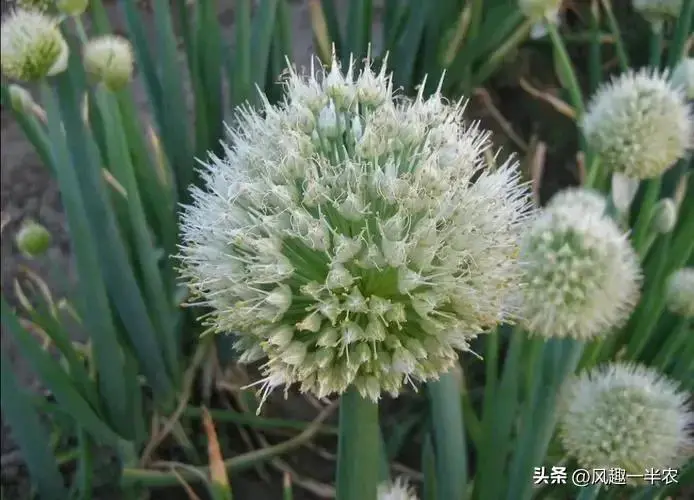
Onions include ordinary onions, split onions, onions and buildings in four main categories. The most widespread onions are grown, but onions and onions are no stranger, and most of them are not seen. Some of the onions are described below:
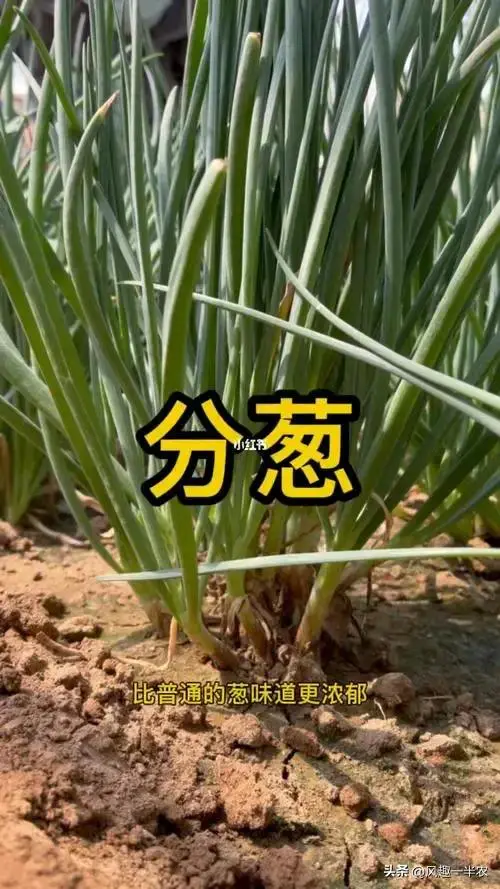
1. Onions, which are a variant of onions, belong to an annual or multi-year plant. It is cold, cold and wet, and is grown extensively in the southern part of the country, mainly in jiangsu, zhejiang, zhong anhui, shanghai and jiangxi. Zenium
Cultivation time: onions tend to migrate in spring and autumn, depending on local climatic and soil conditions. The spring planting usually takes place between november and february, while the fall planting takes place between early august and mid-september. Zenium
The environmental requirements are as follows: onions are cold, cold, cold, appropriate growth temperature of 13-20°c and low temperature of around 0°c. In high temperatures and strong light above 25°c, the growth of onions is inhibited. Zenium
Fertilizer management: fertilisation management on onions includes both base and pursuit. It is based on organic fat, while the pursuit of fat is based on compound fat and adheres to the principle of hard work. In the process of growing, there is a need for a number of fields to promote onions. Zenium
Two, big onions:
Onion is a common onions and vegetables, which are herbivated plants. The provinces of shandong, hebei and henan are the main producers in china. The onions are more cold and heat-resistant, drought-resistant and dry climates, but they are not wet, and excessive rainfall is not conducive to their growth. Onions require soil to be deep in the ground, well ventilated in the air and often seeded or split。
Onions are single-born in a cylindrical form, with a small number of onions growing above their roots and in an egg-like cylindrical form. It's white, some with light red brown. The whole onion is in a barrel, empty and narrow from the bottom to the top。
Onion is not only an important spice and vegetable, but also has some medicinal value。
Cultivation time: onions can be grown in spring, summer and autumn. Cultivation is common in spring and autumn。
Onions require the environment: seeds can sprout at 4 to 5 degrees celsius, but at 13 to 20 degrees centigrade, they sprung quickly for only 7 to 10 days. Plants grow at a temperature of 20-25°c, are slow at below 10°c, are weak at above 25°c and have yellow leaves. Under soil and snow cover, temperatures of below 30 degrees celsius can be tolerated. Onion requires light, if the light is too light for strong onions to fertilize. Soil requirements are not stringent and fertile soil is preferred。
Fertilizers and management: foot bottom fertilisation, phased pursuit. Bottom fertilizer is dominated by organic fertilizers, which complement fertilizer. Following organic and functional fertilizers alternately. Onions are drought-resistant and generally do not need to be overwatered, with soil wetting appropriate, and are disproportionately wet and prone to disease. And beware of the tillage of the land during its growth, which is the only measure to obtain onions, and the last leaf of the land is not to be pressed。
Three, onions
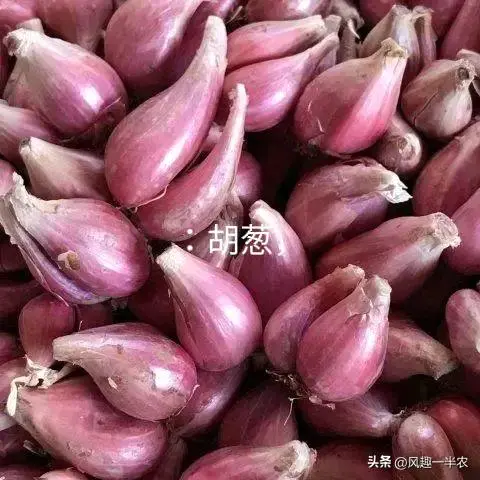
Onions are onions, onions are onions, two years of raw grass plants, other than fire, garlic, braids, etc., onions are made of green leaves, and runners are used for pickles. It is usually 30 to 35 cm tall and has a short condensed plate of roots, consisting of ashells and conical blades, born on a tuber, with shorter, soft, green and less waxy leaves. It is highly mundane, capable of forming spasms, pebbles, plumes with purple red, inner white, multiple plumes with dense accumulations, and the base is connected, and the conjunctive parts are squeezed into an angle。
Growing environment
The onions are cold, cold, strong and intolerant. The tubers are able to develop slowly at temperatures of 3-5°c and accelerate their growth at temperatures above 10°c. The growth temperature of the plant blades is around 22°c, growth is slow below 10°c and growth is affected by growth above 25°c. It takes 20-28°c to grow and expand. Under long-day conditions, higher temperatures will facilitate the formation and expansion of the spas, at which point the water in the field will need to be managed in a timely manner to promote the growth of the spas。
Plantation point
Onions are simple, grown at the same time as garlic, usually in between. After planting in late autumn, the whole area is fertilized with garlic, without watering or fatting. The winter is strong, with a larger tuber formed before high temperatures in spring and the early summer, and when it matures, it is expected that it will be drained and harvested in a timely manner and that it will be placed in a dry and cool place。
4 onions
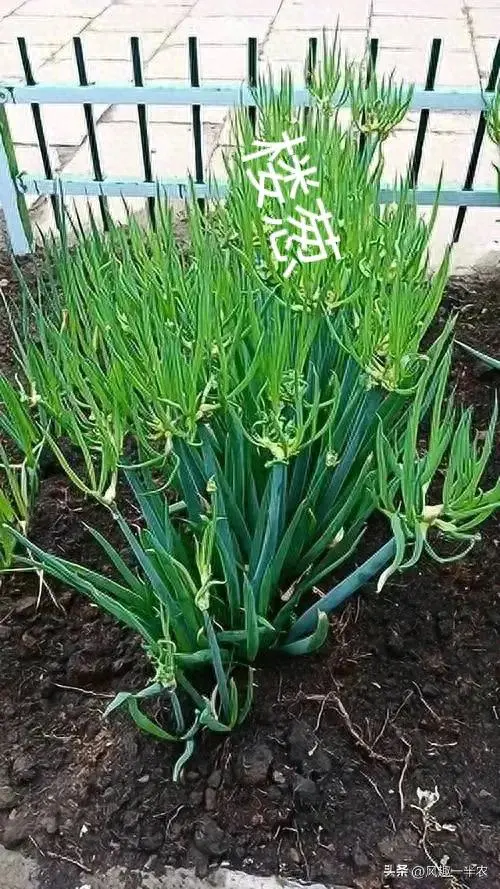
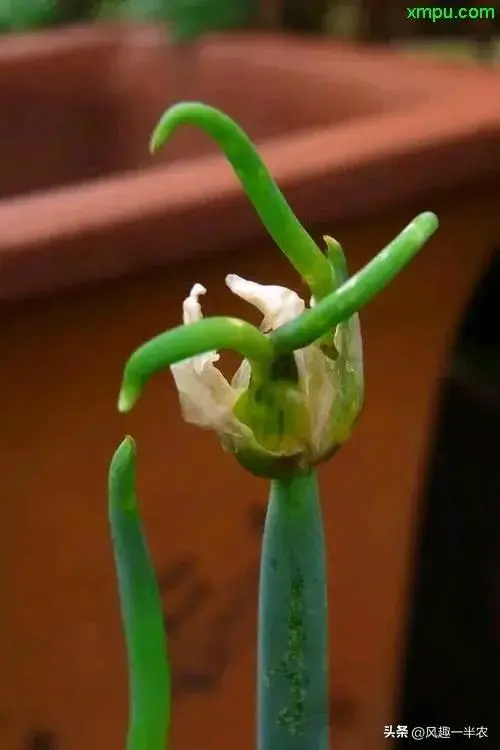
The building onions are called buildings onions and dragon claws. It's an onion plant with a long cone. The mantle is short, white in the earth, brown in brown coats wrapped in the mantle. The cylindrical column is empty, characterized by the absence of seed on the tuber, the occurrence of many small aerobic plumes at the top of the tuber, and the subsequent development of several onions, and the re-emergence of onions on the bud of the small onions, which look like dragon claws. Because its roots are like onions, its leaves are made of four or five onions, and its floors are folded into three or four。
Building onions are mainly located in the northern part of china, where they are both cold-resistant, drought-resistant and saline-resistant and tend to reproduce by stubling. Onions can also be fed, fried, spiced, etc。
Growing environment: plants grow at temperatures ranging from 13 to 25 degrees celsius, are resistant to high temperatures, drought-resistant and can grow in the summer under shades or crops。
Plantation highlights:
In august-september, the old onions were dug up, usually with 4 to 6 separate strains, separated by hand, and spread between 40 and 50 centimetres and 20 centimetres。
Two small onions breed, which should be planted on seedbeds at an earlier hour, with a planting density of 5 cm x 10 cm. The seedbed is suitable for sandy soil, with temperature as high as possible at around 25°c, wet on the bed, and can only be transplanted to daejeon only if the onion strains grow up to 10 cm or more。
The field was planted in a cave, 30 cm x 45 cm. Three to five plants per den, with a depth of cultivation measured by the presence of a mantle。
Field management, where fertilization is mainly based on base fertilizer, should be preceded by organic base and compound fertilizer. After planting, fat is generally not followed, and winter fields need to be covered with a layer of decomposition. Water management requires that the soil be dry and wet during the seeding period, and that too little moisture be produced after planting the seedlings and that flooding be avoided. A permutation of water before winter freezes is done in the winter. Chinese grass-planting takes place in a timely manner after the planting of the seedlings and the planting of the plants is done in stages。