


The radish from tianjin's winter home is ready。
In recent days, the ministry of agriculture and rural development has published the eighth instalment of china's list of important agricultural cultural heritage, with 88 traditional agricultural systems in number two, namely, the zianjin western blue sands and loop cultivation system。
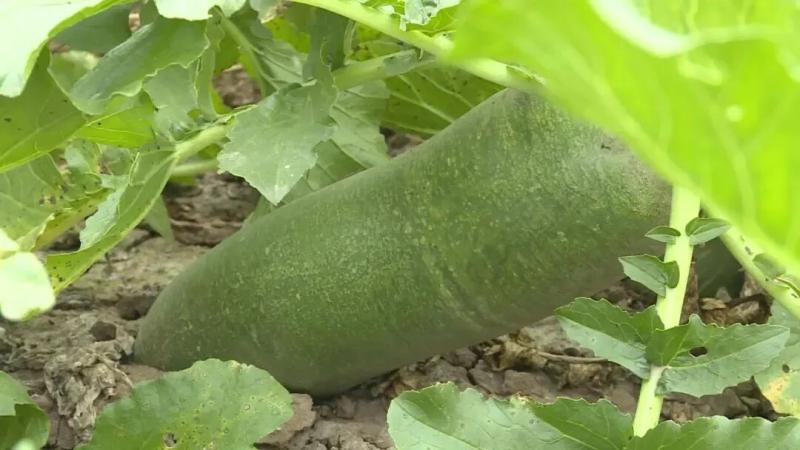
Look at the table of three seasons, have it
This time, the roach, it's not the radish that floats, it's western blue that takes the old man to the new table。
After the fall, when the frost falls, the harvest will wait as long as it takes. From the year of qing dynasty, to the state ceremony in 1970, from the motto of "duck pear" to todayDigital identity cardAnd half-magic mascot, the "circle" of the sandy radish, is in return for time。
The first two days were the first two days of watching the " three meals and four seasons " program, which was recorded in western cyprus and included a menu of food items. They're with him, and there's a young willow drawing。
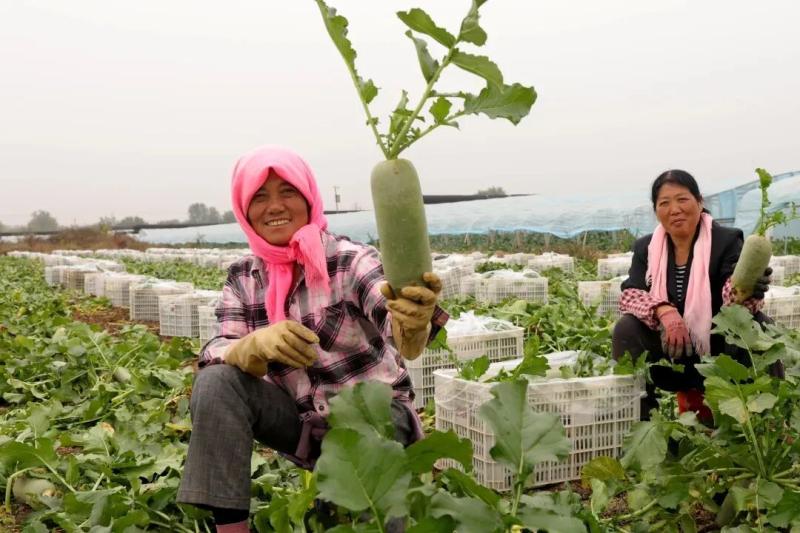
The group moved the footage to the ground and travelled to the central production area of the village of little shalom, where it was filmed in the farmhouse. What are you filming? And shoot the freshly excavated greens, and when they were cuddly and juicy, they took a smile in the face. After all, it's not all radish. It's taken a smell from this water and earth. - the tianjin people surrounded the stove in the winter, cut a plate of radish, make a hot pot of tea and talk. It was the most common fire in the world, and it was a hot day for the people of heaven. But when a piece of radish goes to a place that is remembered by the national register and is seen as being made, it's not just a dish: it's a local flavor, it's a temper of one side, it's a real life that hasn't been diluted by time for centuries。
It was the tianjins themselves who drank "duck pear" all over the world, and it was the national audience who watched the screen and waited for it to come to the table. The weight of this sight is more true than any exaggeration。
It's not called radish
And god knows two old words: "robbs make tea, and the doctor crawls in the streets." it's not just a chorus. It's really edible. The radiant radial, digestive accumulation, hot tea with thirst and lack of ablaze, both of which are the old formula of the tianjin people for winter. But these two words went to the village of small sandcomb in west chingxi, and had to be changed — the garb with hot tea — and the fairy did not want to go home。
The waters of the southern canal, the sand brought by the yellow river, the clay of the upper sand, were saved for hundreds of years to serve such a sip. The people of the countryside call it the "golden earth": it breathes, it keeps water below, and the radish grows in it, and it is thin and sweet。
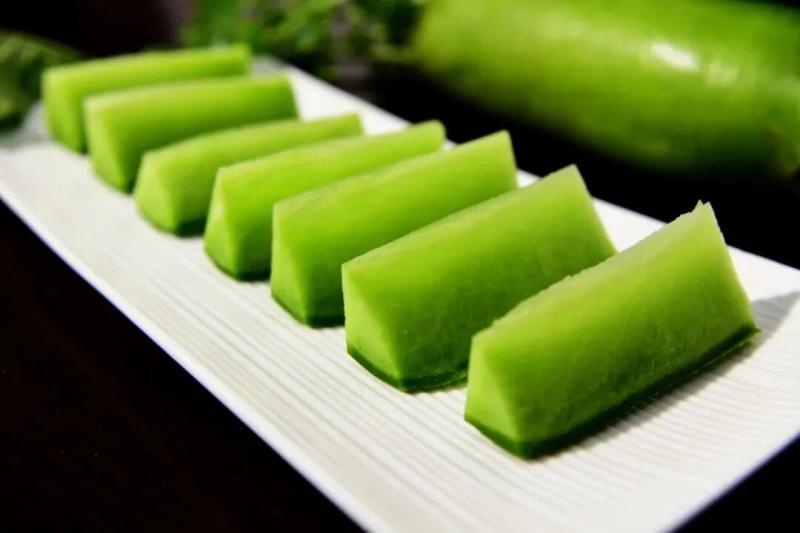
It's good, it's good, it's good, it's good, it's good, it's good, it's good, it's good, it's good, it's good, it's good, it's good, it's good, it's good, it's good, it's good, it's good, it's good。
"the radish blues are made out of sandcombs and tastes like water." the radish is also "axis." get out of here and smell bad. It's like the pancakes with the raw vegetables from tianjin -- not uneatable, not the spirit。
600 years old. It's about thinking
Sacramento has a longer history than many tianjins。
The great canals had a village about 600 years ago. In north song, when the tsang was fighting against chedan, a sand vortex was set up on the side of the canal; after ming cheng zhu dingdu, beijing, a large number of immigrants moved to reclaim, and the sand vortex became a “save”. Little shacoma is one of the first villages to be formed by the canal。
It was only during the years of kang hee in the chong dynasty that the villagers opened a vegetable garden along the southern canal that they discovered a strange thing: the other director was a plain blue radish, and the name of the “salvo roach pears” was revealed。
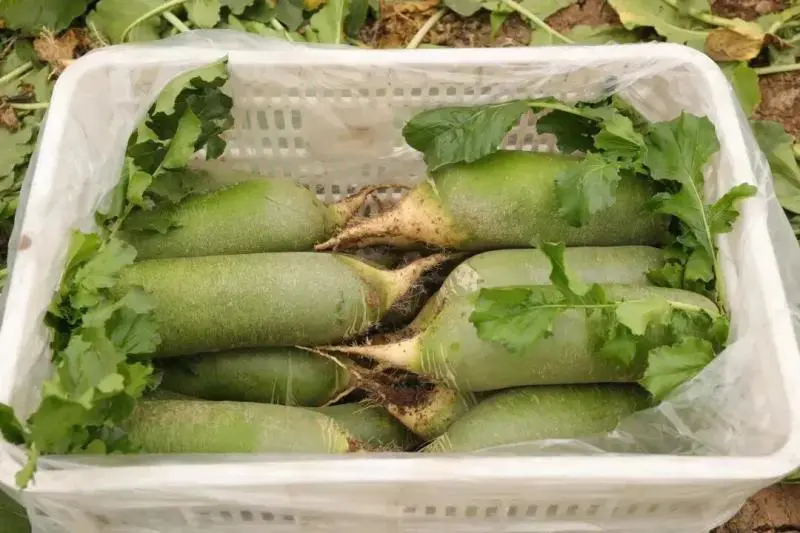
The small shacoma village was never so simple as a three-step "seeding, watering, marketing". The selection of seed is a family heirloom, the breeding of seedlings with grandchildren, and the collection and storage of harvests are well known. The radish is collected in winter and sold in time; when the production is high, the villagers find a way to bury the earth. – special layers of soil, three or four feet underground, wet and warm, and radish in the cellars, which are spicy at the beginning of the harvest, slowly ripen and sweeten, and taste less. The experience of digging pits has been accumulated from generation to generation and has become a source of excellence。
It's on the list. In 2009, a second batch of intangible cultural heritage was selected in the city of tianjin with the technique of planting and storing radish。
Even more encouraging to the tianjin people was 1970 — 6 april of that year, zhou eun came to visit korea with a kilo of green carrots from the village of shacoma. The seed of a carrot became a national gift across the green river. Similarly, this re-election for “china’s important agricultural cultural heritage” is not a “good radish” but a set of laws, land and water relations, rural order, and trade in doors that deserve to be kept as civilizations。
The old man took the new table and the radish used big data
Of course, the age of radish cannot be won by the “golden earth” and the legends left behind by the ancestors。
Today's area of sandacre is no longer a picture of a “face to the ground”. The soil sensors were buried in the ground, the country's first sacrosanct growth prediction model ran, the eutrophication was finely regulated, and managers did their jobs on their mobile phones。
Brand protection is up to date. The western blue zone has introduced a “five-point-one” certification system, each with an exclusive “digital identity card”, which can be traced back to the truth。
The size of the industry is also there: this year, sino-sino-sino-sino-sino-sino-sino-sino-sino-sino-sino-sino-sino-sino-sino-sino-sino-sino-sino-sino-sino-sino-sino-sino-sino-sino-sino-sino-sino-sino-sino-sino-sino-sino-sino-sino-sino-sino-sino-sino-sino-sino-sino-sino-sino-sino-sino-sino-sino-sino-sino-sino-sino-sino-sino-sino. There is a gap certification base, there is an anti-false traceability system, and there is an in-depth collaboration with supply chain enterprises in the grand bay region of port-au-prince, where the quality of radish meets sea-to-sea standards. Last year, saturna was ranked c at the china international farmers’ conference, selling more than 65 million pounds a year, and earning a record high。
On the one hand is the ancient law that has been passed down for centuries, and on the other hand is the sensor, the traceability system, the criteria for going out -- this radish, it's dusty, it's high。
The carrots don't get down on the ground
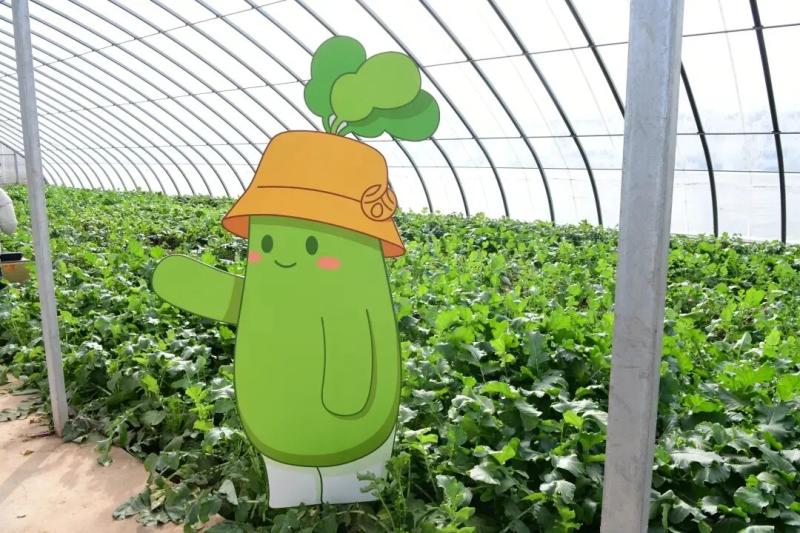
On 18 october, a half-way marathon in the western blue zone ran. The mascot is a sandy radish called "cyan"。

And the name "cingqing" has worked. “cyan” is the blue of the blue, the green of the young, the blue of the young, the blue of the radish, or the sound of all its chords, as a tribute to the strength of every runner who runs with all his might。
A “green” word, which combines names, paintings, carrots and the spirit of the marathon. The track links the town of zhang hao and sinjo, passing through the main road of the town and the single flow of the river's ecological corridor. And the way the runner runs beneath his feet is where the carrot grows。
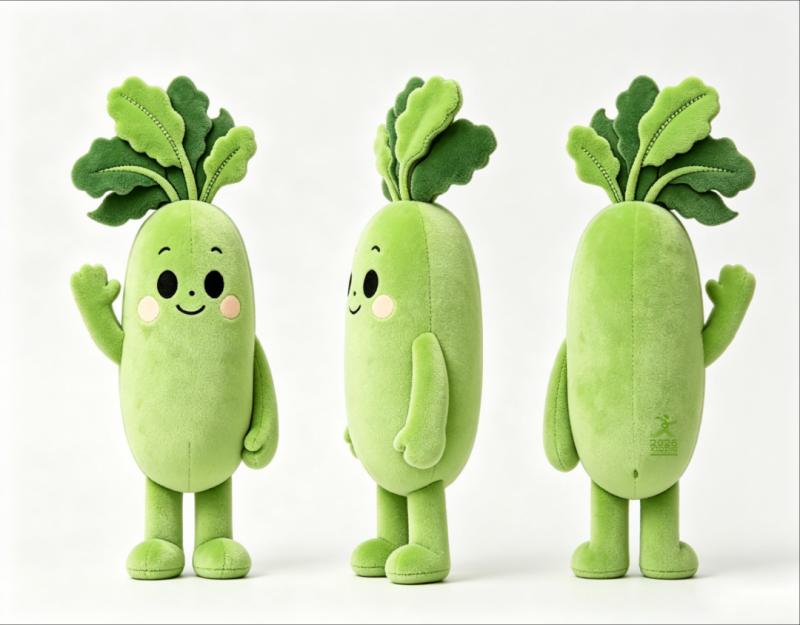
The word "qing" has not come for nothing. Its velvet dolls are distributed as exclusive souvenirs, with green, purple and red colours, rolling round, soft, with a tracko on their backs. A runner who runs a 21. 0975 km and comes home with a radish doll -- isn't that beautiful
The "green" is all that goes to love -- it's the winter of tianjin that really begins。









